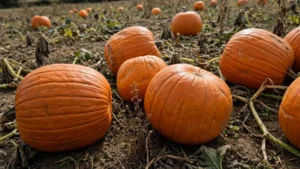
A pumpkin is a squash that asks for warm soil, a long summer and a sharp eye at harvest time. It grows on a sprawling vine, ripens from green to deep orange, and ends up as pie, soup, roasted seed or a lantern on a doorstep. In September and October the vines turn, the fields fill with orange, and the farms that grow pumpkins open their gates to visitors who want to pick one themselves.
A pumpkin farm retreat takes you to those fields at picking time. You sleep in a farmhouse room or a converted barn, eat soup made from squash cut that morning or pie baked in the farm kitchen, and walk the rows with the farmer, learning which pumpkins keep, which ones cook well and which ones are grown for size alone. Some farms roast the seeds for the table. Others run a patch where families pick their own Halloween pumpkin and carry it home in a wheelbarrow. Every one of them cooks with the squash from its own fields, and that cooking makes the trip worth taking.
Below are nine pumpkin farm retreats worth considering in 2027, from Illinois to a kabocha farm in Hokkaido. Read each stay for what it does well, where it falls short and the traveller it suits, then pick by the way you travel rather than by a pin on a map.
Key takeaways
- Pumpkins ripen in September and October in most regions, and the picking window lasts only a few weeks, so confirm the harvest dates before booking.
- Most pumpkin farms are working farms first and guesthouses second, so expect plain rooms, shared meals and early mornings, not hotel service.
- A pumpkin grown for carving is not the same as a pumpkin grown for eating, so ask the farm which varieties it grows before you plan a meal around one.
- The work is light but the fields are open and muddy after rain, with vines underfoot and wasps near the fallen fruit, so closed shoes matter most.
- No farm can promise a giant pumpkin on a set date, and a trip built around one weigh-off day can leave you facing a green field while the squash is still ripening.
What a pumpkin farm retreat actually is
A pumpkin farm retreat is a stay on a working pumpkin farm, usually two to five nights, where the farm is the reason for the trip rather than a backdrop. You sleep in a farmhouse room, eat meals cooked from the farm’s own squash, and join the work of the season, walking the rows and seeing the pumpkins sorted, carved or cooked.
The pumpkin is one of the oldest farmed squashes, grown in the Americas for thousands of years, then carried to Europe, Asia and Australia, where it became the pie of the American autumn, the soup of France and the kabocha of Japan. It became the squash of the harvest festival, the lantern of Halloween and the soup pot of the cold months.
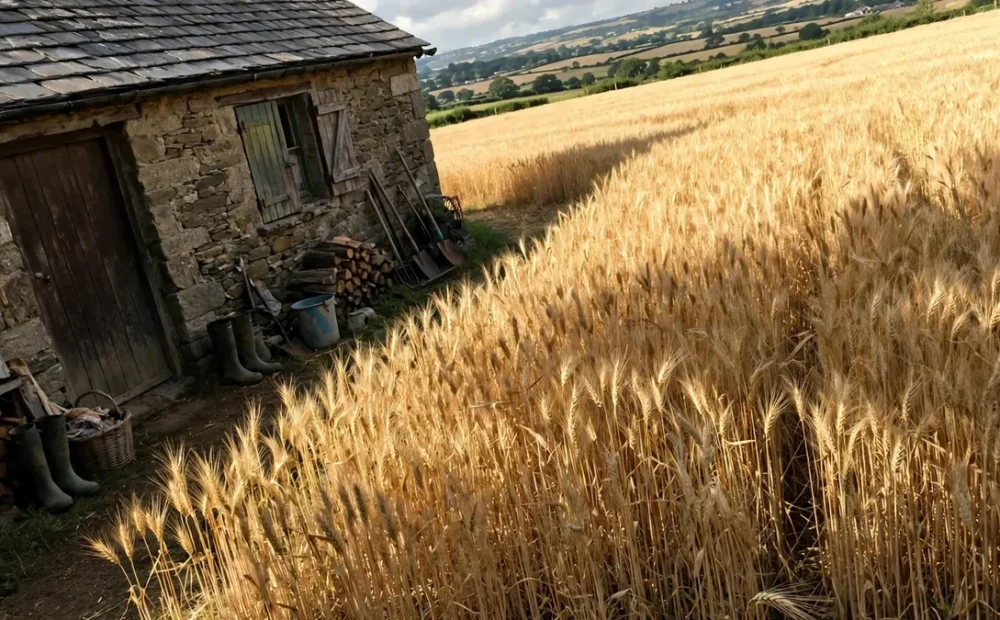
Most of these farms sit in quiet, open country, with wide fields that turn orange in autumn, a patch for picking and a kitchen close to the farmhouse. The work is gentle and the air smells of woodsmoke and baking pie.
How we chose these stays and what to look for
We looked first at where pumpkins actually grow well, not where they are marketed well. A real pumpkin farm has fields to walk through and a kitchen that uses the squash it grows.

The strongest farms welcome only a handful of guests at once, usually fewer than twelve, so the picking stays real work rather than a performance for visitors. They also set out plainly what the nightly rate includes, with supper, lifts from the nearest town and guided walks inside the price instead of added when you arrive. A farm that answers questions about the harvest, the soup and the weather in plain language is usually a farm that treats its guests well. Our roundup of truffle farm retreats uses the same check, and it is the easiest way to tell apart two farms that look alike on paper.
The 9 best luxury pumpkin farm retreats of 2027
Morton, Illinois, United States — Pumpkin Capital of the World
What we like: Pumpkins grown around Morton, where the squash is processed for pie filling and the farm kitchen bakes pumpkin pie from squash cut that week, served with cream and coffee. The fields run flat to the horizon, and the harvest festival fills the town with pie contests.
What to consider: The fields are flat and the wind cuts across them, so bring a warm layer for the evening walk. Style: Illinois prairie farm stay. Best for: Travellers who want pumpkin pie at the source. Price range: $65–$95 per night. Standout feature: Pumpkin pie baked from squash cut that week, in the town that calls itself the pumpkin capital of the world.
Circleville, Ohio, United States — Pumpkins and the Autumn Show
What we like: Pumpkins grown around Circleville, where the squash feeds one of the oldest pumpkin shows in the country, and the farm kitchen serves pumpkin soup, bread and doughnuts from the harvest. The show fills the streets with giant pumpkins and pie-eating contests.
What to consider: The show week is crowded and the town books up early, so reserve the room before you reserve the travel. Style: Ohio small-town farm stay. Best for: Travellers who want a pumpkin festival at full size. Price range: $95–$125 per night. Standout feature: Pumpkin soup and doughnuts from the harvest, beside a pumpkin show that has run for more than a century.
Half Moon Bay, California, United States — Giant Pumpkins by the Sea
What we like: Pumpkins grown on the coast at Half Moon Bay, where the squash is grown for size and the farm’s kitchen serves pumpkin soup with bread baked that morning. The giant pumpkins are weighed on the pier, and the coastal fog keeps the vines cool.
What to consider: The coast is foggy and the mornings are cold, so pack a jacket even when the inland sun is warm. Style: California coastal farm stay. Best for: Travellers who want giant pumpkins and sea air. Price range: $130–$160 per night. Standout feature: Giant pumpkins weighed on the pier, with soup and fresh bread in a farmhouse above the fog.
Lancaster County, Pennsylvania, United States — Pumpkin Patches and Amish Farms
What we like: Pumpkins grown in Lancaster County, where the squash is picked from fields beside Amish farmhouses, and the farm’s kitchen serves pumpkin whoopie pies and pumpkin butter from the harvest. Horse-drawn buggies pass the patch, and farm stands sell corn, apples and squash.
What to consider: The county is spread out and the buses are few, so a car helps and the lanes are best walked slowly. Style: Lancaster County farm stay. Best for: Travellers who want a quiet patch and a farm stand. Price range: $160–$190 per night. Standout feature: Pumpkin whoopie pies and pumpkin butter, in fields beside Amish farmhouses and roadside stands.
Kent, England — Pumpkin Picking in the Garden of England
What we like: Pumpkins grown in the fields of Kent, where the squash is picked from a patch beside orchards and hop gardens, and the farm’s kitchen serves pumpkin soup with bread and cheese from the county. The patch runs to a farm shop, and lanes lead to villages with pubs.
What to consider: The fields are muddy after rain and the lanes are narrow, so sturdy boots matter more than a car. Style: Kent countryside farm stay. Best for: Travellers who want a proper pick-your-own patch. Price range: $190–$220 per night. Standout feature: A pick-your-own pumpkin patch beside orchards, with soup and farm-shop cheese in the Garden of England.
Loire Valley, France — Potiron and Autumn Markets
What we like: Pumpkins grown in the Loire Valley, where the squash is called potiron and the farm’s kitchen turns it into velouté, a smooth soup served with cream and chestnuts. Markets sell pumpkins beside mushrooms and walnuts, with châteaux above the river.
What to consider: The valley is wide and the farms sit far apart, so a car helps and a little French goes a long way. Style: Loire Valley farm stay. Best for: Travellers who want pumpkin soup the French way. Price range: $220–$250 per night. Standout feature: Potiron velouté with cream and chestnuts, in a valley of markets and châteaux above the river.
Tuscany, Italy — Zucca from the Autumn Fields
What we like: Pumpkins grown in the hills of Tuscany, where the squash is called zucca and the farm’s kitchen turns it into risotto and ravioli filled with squash and amaretti. The farmhouse sits among olive groves, and the kitchen serves the squash with sage butter.
What to consider: The hills are steep and the lanes are gravel, so walking boots matter and the evenings cool fast. Style: Tuscan hillside farm stay. Best for: Travellers who want squash pasta at the source. Price range: $250–$280 per night. Standout feature: Zucca ravioli with sage butter, in a farmhouse among the olive groves of the Tuscan hills.
Hokkaido, Japan — Kabocha on the Northern Island
What we like: Pumpkins grown in the fields of Hokkaido, where the squash is called kabocha and the farm’s kitchen serves it simmered in soy and dashi, or as tempura with a crisp batter. The island is cool and the fields run wide under a big sky.
What to consider: The island is remote and English is rare, so this stay suits travellers who like distance and a phrasebook. Style: Hokkaido farm stay. Best for: Travellers who want kabocha at the source. Price range: $285–$315 per night. Standout feature: Kabocha simmered in soy and dashi, on a farm in the wide fields of Japan’s northern island.
Hunter Valley, New South Wales, Australia — Pumpkins in Wine Country
What we like: Pumpkins grown in the Hunter Valley, where the squash ripens as the vines are cut back and the farm kitchen serves roast pumpkin with rosemary beside the cellar doors. The valley is wine country, and farm stands sell pumpkins beside bottles of semillon.
What to consider: The valley is hot in the afternoon and the sun is strong, so pack a hat and water for the field walk. Style: Hunter Valley farm stay. Best for: Travellers who want roast pumpkin and wine country. Price range: $345–$380 per night. Standout feature: Roast pumpkin with rosemary beside the cellar doors, in the wine country of New South Wales.
Which pumpkin region fits your trip
If this is your first pumpkin trip, start in Morton, the cheapest stay here, and pair it with Circleville’s show and Half Moon Bay’s giants.
For soup, the Loire Valley stay is the classic choice, with potiron velouté and chestnuts in a farmhouse above the river.
If food is the point, look to Tuscany or Hokkaido, where the zucca ravioli and the simmered kabocha do more with a pumpkin than any farm on this list. Our sunflower farm retreats roundup makes the same point in different words: choose the journey you will enjoy, not only the place.
The caveats that matter
Pumpkin farming leans on the weather: farms give their best guess, never a promise, and a trip tied to one picking day is a wager on the weather.
| Detail | What is known |
|---|---|
| Best time to visit | September and October in most regions, when the vines turn; the exact week moves with the rain and the first frost |
| What the work involves | Walking the rows, picking pumpkins by hand, and seeing the squash sorted, carved or cooked in the farm kitchen |
| How long a stay runs | Two to five nights on most farms, with the picking or the festival in the autumn days |
| Who should take care | Travellers with bee sting allergies, pumpkin seed allergies, or limited mobility on open, uneven ground |
| What the kitchen serves | Pumpkin pie, soup, risotto and roasted seeds from the farm’s own squash, often with bread and cheese |
| Carving versus eating | A pumpkin grown for carving has thin flesh and little flavour, so ask the farm which varieties it grows for the table |
| What to pack | Closed shoes, a warm layer, gloves for the vines, and clothes you do not mind getting muddy |
| What it does not do | It does not guarantee a giant pumpkin, a set menu, or hotel-style service on a working farm |
If you have a bee sting allergy, a pumpkin seed allergy, or a health condition that cold makes worse, talk to the farm before you book. A farm that answers honestly is usually worth the visit. Our emmer farm retreats roundup ends on the same advice.
Checklist: booking a pumpkin farm stay honestly
Run through these checks before you pay, and once more in the week before you travel.
- Ask the farm for its picking or harvest week in writing, and find out what happens if the pumpkins are still green on the day you arrive.
- Ask what the nightly rate includes: supper, lifts from the nearest town and guided walks belong inside the price, not on the bill at checkout.
- Ask what the kitchen serves and whether it can handle a guest who eats dairy-free or avoids gluten.
- Look at the room before you pay: farmhouse bedrooms are plain by nature, so check the bed, the shower and the heating first.
- Pack for orange fields and cold mornings: closed shoes, a warm layer, gloves, and clothes that rinse clean.
- Leave a free day at the end for the nearest town, so a harvest that shifts still leaves a good trip behind.
Frequently asked questions
When is the best week to visit a pumpkin farm?
September and October in most regions, when the vines turn and the squash is ripe for picking. The exact week moves with the rain and the first frost, so the farm’s own dates matter more than a date on a calendar. In the southern hemisphere the picking falls in March and April instead.
Can you eat a pumpkin grown for carving?
You can, but you will not enjoy it. A carving pumpkin is bred for a hollow shell and a flat face, so its flesh is thin, watery and short on flavour. A cooking pumpkin, such as a sugar pie pumpkin or a kabocha, has thick, sweet flesh. Ask the farm which varieties it grows for the table.
How long does a picked pumpkin keep?
A ripe pumpkin with a hard stem keeps for two to three months in a cool, dry place, out of direct sun and off a damp floor. A pumpkin with a soft stem or a cut in the skin rots fast, so check both before you carry one home. Once cut, the flesh keeps for about a week in the fridge.
What is the difference between a pumpkin and a squash?
A pumpkin is a kind of squash, and the line between the two is mostly a matter of use. Pumpkins are round, orange squashes grown for pie, soup, seeds and lanterns, while squash covers the wider family, from butternut to kabocha. Every pumpkin is a squash, but not every squash is a pumpkin.
Are pumpkin seeds safe to eat raw?
Pumpkin seeds are safe to eat raw, but they taste better roasted with a little salt, and roasting makes the shell easier to chew. Seeds from a cooking pumpkin are plumper than seeds from a carving pumpkin. People with a seed allergy should avoid them, and the farm kitchen can say which seeds it roasts.
Which countries grow the most pumpkins in the world?
Most of the world’s pumpkins grow in China, India, Ukraine and the United States, with China leading by a wide margin. The biggest pumpkin fields sit in China and the American Midwest, but the best farm stays sit in the smaller regions, where the patch is the point.
The bottom line
A pumpkin farm retreat is a slow, orange, generous kind of trip, suiting travellers who like autumn fields, woodsmoke and honest cooking more than a hotel with a farm view. The squash is ripe, the soup is hot, and the best stays feed you from their fields.
Fix the picking week, not the date on your calendar, and keep a free day at the end. If the pumpkins ripen on time you will eat pie from squash cut that week, and if they do not, the coast, the valley or the village will still make the trip worthwhile.