

What if the camera guarding your front door costs less than a takeout dinner for two, yet still delivers sharp 2K video and a two-year battery? That is the strange reality of the home security market right now. There are hundreds of models, dozens of apps, and a pile of subscription fees that can quietly cost more than the hardware itself.
The good news: reviewers who test cameras for a living have already done the hard work. This roundup pulls together the specific models that keep showing up on shortlists from outlets that have tested over 100 cameras between them. Each pick below gets the same treatment: who it suits, what it nails, where it stumbles, and what it costs when a price is publicly listed.
The Shortlist at a Glance
| Camera | Best for | Standout feature | Main trade-off |
|---|---|---|---|
| Arlo Essential Indoor (2nd gen) | Arlo households wanting an indoor cam | Fast app, fingerprint/face login, built-in siren | Cloud storage and smart alerts need Arlo Secure |
| Aqara Camera Hub G3 | Smart-home tinkerers | Doubles as Matter controller, Thread border router, Zigbee hub | Sprawling, rough-edged app |
| Blink Outdoor 2K+ | Alexa users on a budget | Two-year battery life, AI video descriptions | No Apple HomeKit or Google Assistant |
| Nest Cam Outdoor (wired, 2nd gen) | Google Home users | Sharp 2K video, Gemini AI event search | Wired power limits placement |
| Aqara Camera Hub G3 PoE variant | NAS and Home Assistant owners | RTSP support for third-party clients | Setup takes real effort |
| Subscription-free 4K models | People done with monthly fees | Local storage, AI smarts, no recurring bill | Higher upfront cost |
Arlo Essential Indoor (2nd Gen): The Easy App Pick
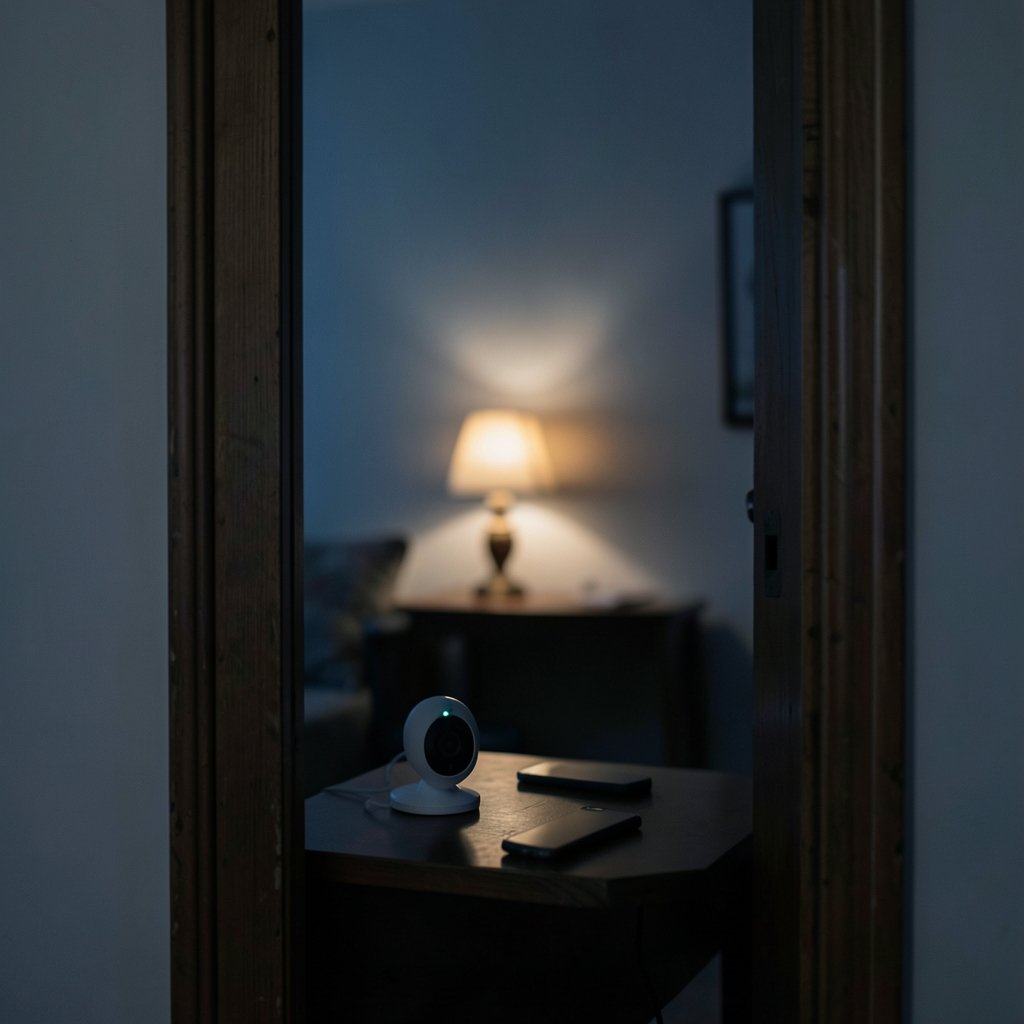
Arlo’s second-generation Essential Indoor camera comes in two versions: a 1080p model and a pricier 2K model. For anyone already living inside the Arlo ecosystem, this is the obvious indoor addition because everything lands in one app.
What it does well. The Arlo app earns consistent praise for ease of use, fast loading, and two-factor authentication that lets you unlock the live feed with a fingerprint or face scan, phone permitting. There is a built-in siren, plus smart home integration with Amazon Alexa, Google Assistant, and IFTTT.
The real limitation. Cloud storage, accurate subject detection, and smart animated alerts all sit behind an Arlo Secure subscription at $10 per month ($96 a year) for a single camera. A $20 per month plan ($216 a year) covers unlimited cameras, which softens the blow for bigger households. There is also no Apple HomeKit support.
Who should buy it: someone with an Arlo video doorbell or other Arlo cameras who wants one app and does not mind paying monthly for the smart features. If you are starting from scratch and hate subscriptions, keep reading. For a broader look at how cameras fit into a full setup, see this guide on how to choose best home security cameras real protection.
Aqara Camera Hub G3: The Smart-Home Power Tool
This is the camera for the person who owns a robot mower that keeps dropping off Wi-Fi and has opinions about Thread border routers.
What it does well. The basics are solid, with AI detection that sorts subjects into people, vehicles, animals, and packages with few mistakes. The real reason to consider it is that the camera doubles as a Matter controller and Thread border router. If your outdoor smart lighting or robot mower struggles to stay connected, this camera can act as the anchor. It also works as a Zigbee hub for Aqara devices and keeps functioning even when your Wi-Fi goes down.
The real limitation. Aqara’s app is sprawling and rough around the edges. Expect to tinker before it behaves the way you want, and features like event filtering and SMS or email notifications may not work the way you assume out of the box.
Who should buy it: smart-home hobbyists with a mix of Aqara, Matter, and Thread devices. Everyone else will find it fiddly.
Blink Outdoor 2K+: The Budget Alexa Pick
Blink’s Outdoor 2K+ is compact, easy to install, and built around one very appealing number: two-year battery life.
What it does well. Super-sharp 2K video, extra-long battery life, AI video descriptions, and tight Alexa integration. At a listed sale price of $30.99 against a regular $89.99, it is one of the cheapest genuinely capable outdoor cameras on any shortlist.
The real limitation. It does not support Apple HomeKit or Google Assistant. If your house runs on Google, this camera will feel like a stranger.
Who should buy it: Alexa households that want a cheap, wireless outdoor camera and do not want to run power cables. Pair it with a matching doorbell and you get decent coverage of the whole entryway, which is why so many buyers start with the best doorbell camera pick one that fits your home before adding outdoor cams.
Nest Cam Outdoor (Wired, 2nd Gen): The Google Home Choice
Google’s wired outdoor camera is the natural pick for anyone whose smart home already lives in the Google Home app.
What it does well. The weatherproof plug-in design delivers sharp 2K video, and Gemini AI helps you find event videos by searching written descriptions rather than scrubbing through a timeline. That search feature is genuinely useful once you have weeks of footage.
The real limitation. It is wired, so you need an outdoor outlet near where you want the camera. That single constraint rules out plenty of mounting spots.
Who should buy it: Google Home users who have power where they need it. A listed price of $142.49 against a regular $199.99 makes it a reasonable buy on sale.
Subscription-Free Cameras: Pay Once, Not Monthly
Here is the trap almost everyone falls into. A budget camera looks cheap until you add the subscription. TechRadar’s team has tested more than 60 home security cameras and notes that unlocking all features usually means a monthly or annual plan that can quickly exceed the price of the hardware.
The fix is to buy hardware that stores footage locally. Some 4K models now include local storage and AI smarts without extra fees, and one model even offers built-in facial recognition without a subscription, and it reportedly works well. Most of these cameras are fully wireless, with solar panels to stretch battery life between charges.
The real limitation: you pay more upfront, and local storage means managing memory cards or a NAS yourself. If you want the full picture on which models skip the fees, this breakdown of security virtual appliance it when it actually makes sense is worth a read before you commit.
For NAS and Home Assistant Owners: Look for RTSP
If you run a NAS or Home Assistant, the spec that matters most is support for Real-Time Streaming Protocol (RTSP). It lets you pull the camera feed into a third-party client instead of the manufacturer’s app. The Aqara Camera Hub G3 offers this in both Wi-Fi and PoE versions, which makes it unusually flexible for people who want their footage on their own hardware.
A PoE version is the cleaner choice for a permanent install because one cable handles both power and data. The catch is that you need a PoE switch or injector, and the setup will take an evening rather than ten minutes.
How to Choose Without Overthinking It
After reading enough testing notes, a few practical rules emerge.
- Start with your ecosystem. If you use Alexa, Blink is the path of least resistance. Google Home points to Nest. Arlo makes sense if you already own Arlo gear. Fighting the ecosystem is the most common mistake buyers make.
- Do the subscription math first. Multiply the monthly fee by 12 and add it to the sticker price. A $40 camera with a $10 monthly plan costs $160 in year one. A $150 camera with local storage costs $150, full stop.
- Check where power actually is. Wired cameras deliver reliable footage but need an outlet. Battery cameras go anywhere but need charging or solar. Decide this before you fall in love with a model.
- Match resolution to distance. 2K is plenty for a porch or hallway. If you need to read a license plate at the end of a long driveway, higher resolution and a tighter field of view matter more than extra features.
- Think about what the camera connects to. A camera that doubles as a Thread border router or Zigbee hub can fix flaky smart devices elsewhere in the house. That is a real bonus, not a gimmick.
One more practical note: mounting height matters more than most people expect. Put outdoor cameras high enough to be out of easy reach but low enough to catch faces rather than the tops of heads. And point them away from direct sun and streetlights, which wash out night footage far more often than reviewers admit.
If you are also upgrading the rest of the house, it helps to plan the whole project rather than buying piecemeal. A clear view of your home renovation budget keeps security spending from quietly ballooning, and the same discipline applies to fitting out a luxury home gym or any other room where you want coverage and comfort at the same time.
Conclusion
There is no single best security camera for every home, and anyone who tells you otherwise is selling something. The right pick comes down to three questions: which smart home ecosystem you already use, whether you can live with a subscription, and where you have power.
For most people, the safest bets are the ones that keep showing up across independent testing: Arlo for app polish, Aqara for smart-home muscle, Blink for budget Alexa setups, Nest for Google households, and a subscription-free 4K model for anyone tired of monthly bills. Pick the one that matches your ecosystem, do the subscription math before you check out, and you will end up with a camera you actually keep using instead of one you unplug after a month.
FAQ
How much should a good home security camera cost?
Prices vary widely. A capable outdoor camera like the Blink Outdoor 2K+ has been listed at $30.99 on sale against a regular $89.99, while the wired Nest Cam Outdoor has been listed at $142.49 against $199.99. Remember to add subscription costs, which can run $10 per month for a single camera on some plans.
Do I need a subscription for a security camera?
Not always. Many cameras work without one, but features like cloud storage, accurate subject detection, and smart alerts often sit behind a paid plan. Subscription-free models exist and rely on local storage instead, which usually means a higher upfront price but no recurring bill.
What is the difference between 1080p and 2K security cameras?
2K gives you a sharper image with more detail, which helps when you need to identify a face or read a plate. Some cameras, like Arlo’s Essential Indoor, come in both a 1080p version and a pricier 2K version, so you can choose based on how much detail you actually need.
Can a security camera work without Wi-Fi?
Some can. The Aqara Camera Hub G3 continues to work even when your Wi-Fi goes down, and models with local storage keep recording to a memory card or NAS regardless of your connection. If reliability during outages matters, look for local storage and RTSP support.
What is RTSP and why does it matter?
RTSP stands for Real-Time Streaming Protocol. It lets you pull a camera’s feed into a third-party client such as a NAS or Home Assistant instead of the manufacturer’s app. If you want your footage on your own hardware, RTSP support is one of the most important specs to check.
Which security camera is best for Alexa or Google Home users?
For Alexa, the Blink Outdoor 2K+ is the natural fit because it integrates tightly with Alexa and IFTTT. For Google Home, the Nest Cam Outdoor works inside the Google Home app with Gemini AI helping you search event footage. Neither supports every ecosystem, so match the camera to the assistant you actually use.






