When winter turns serious, a coat stops being an accessory and becomes the most important thing you own. The North Face has spent more than fifty years building outerwear for people who work, climb and travel in real cold. The best of its coats keep you warm at minus twenty and still look right walking into a restaurant.
The problem is choice. The North Face makes dozens of winter coats, from light insulated jackets to expedition parkas, and the names sound similar. A Nuptse is not a McMurdo and a Thermoball is not a Gotham, and buying the wrong one means either shivering on the walk to work or sweating through a coat built for the Himalayas.
Below are nine winter coats from The North Face worth considering in 2027, from the iconic puffer to the full-length parka. Each one is described by what it is good at, what to watch for, and who it suits best.
Key takeaways
- The North Face winter coats range from light insulated jackets to expedition parkas, so match the coat to your coldest regular day, not your coldest day ever.
- Down is warmer for its weight and packs smaller, while synthetic insulation keeps working when it gets wet and is easier to wash.
- A waterproof shell matters more than extra fill if you walk in rain or wet snow, while a water-resistant shell is enough for dry, cold winters.
- Fit is practical, not cosmetic: you need room for a sweater underneath without the shoulders pulling, and a hood that fits over a beanie.
- No coat makes you invincible in extreme cold, and a coat that is too warm for your climate will be left in the cupboard more often than it is worn.
What winter coats from The North Face actually offer
The North Face builds winter coats around two ideas: insulation and weather protection. Insulation is what keeps you warm, and the brand uses goose down, recycled down, and synthetic fills such as ThermoBall and Heatseeker. Down is the warmest for its weight, packs down small, and lasts for years if kept dry. Synthetic insulation is heavier for the same warmth, but it keeps insulating when wet, dries faster, and survives a washing machine.
Weather protection is the shell. The brand’s DryVent fabric is waterproof and breathable, while its windproof fabrics block wind without being fully waterproof. A waterproof shell is the right choice for rain, wet snow or slush. A windproof, water-resistant shell is enough for cold, dry winters.
Length matters too. A hip-length jacket is easier to move and drive in, but it leaves your thighs exposed. A parka that reaches the knees keeps more of you warm and is better for standing at a bus stop or walking a dog. The best coat is the one that matches how you actually spend winter, not the one built for the coldest place on the label.
How we chose these coats and what to look for
Look first at the insulation type and the fill. A high fill-power down, such as 700 or 800, is lighter and warmer than a lower fill-power down at the same weight. Synthetic fills are the safer choice if you are often caught in rain or wet snow.
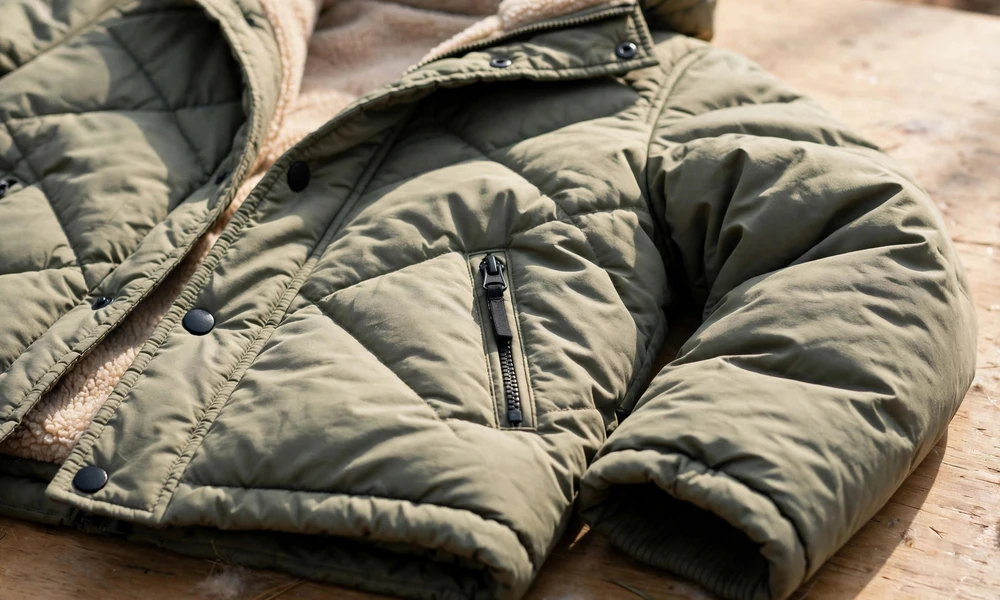
Look next at the shell and the details. A waterproof rating matters if you face rain, but sealed seams and a storm flap over the zip matter just as much, because water finds the gaps. Deep, fleece-lined hand pockets are a different experience from shallow ones. A two-way zip lets you sit comfortably, a drawcord hem keeps draughts out, and an adjustable hood keeps the wind off your face. Our guide to faux fur coats is a useful contrast here, because it shows how much warmth comes from the collar and hood design, not just from the fill.
Finally, look at the fit and the length. The North Face coats are generally cut generously, because they are meant to be worn over layers. Try the coat on with the thickest sweater you plan to wear under it. The shoulders should sit flat, the zip should close without pulling, and you should be able to raise your arms without the hem riding up. If you are between sizes, the larger one is usually the safer choice.
The 9 best winter coats from The North Face of 2027
1996 Retro Nuptse Jacket
What we like: The icon. 700-fill recycled down, a boxy, oversized fit, and a look that has been in fashion for decades. Very warm for its weight and packs down well.
What to consider: It is a short jacket, so your thighs are exposed, and the shell is water-resistant rather than fully waterproof. Best for: Cold, dry winters and everyday wear. Fabric: Recycled nylon shell, 700-fill recycled down. Price range: Mid to premium. Standout feature: The original Nuptse baffle design, unchanged in spirit since 1996.
This is the coat to buy if you want one winter coat that does everything in a city winter and looks good doing it. It is not the warmest or the most waterproof in the range, but it is the one people keep wearing year after year.
McMurdo Parka
What we like: A long, serious parka with 600-fill recycled down, a waterproof DryVent shell, and a fur-trimmed hood. Built for the coldest days, with deep pockets and a storm flap.
What to consider: It is heavy and long, so it is not the coat for mild days or long drives. Best for: Deep winter, snow, and long periods outdoors. Fabric: DryVent waterproof shell, 600-fill recycled down. Price range: Premium. Standout feature: Knee-length coverage with a removable faux-fur hood trim.
If your winter means sub-zero mornings and long walks in snow, the McMurdo makes them bearable. It is overkill for a mild winter, but for a hard one, it is the right tool.
Gotham Jacket III
What we like: A clean, city-friendly parka with 550-fill recycled down and a waterproof DryVent shell. Warm enough for real winter and smart enough for work.
What to consider: The fit is slimmer than the McMurdo, so size up if you wear thick layers. Best for: City winters, commuting, and smart-casual wear. Fabric: DryVent waterproof shell, 550-fill recycled down. Price range: Mid to premium. Standout feature: A tailored parka silhouette that works over office clothes.
The Gotham is the best choice if you want one coat for the office, the school run and the weekend. It is warm and waterproof, and does not look like you are about to climb a mountain.
Arctic Parka II
What we like: A long parka with 600-fill recycled down, a waterproof shell, and a faux-fur hood trim. Warmer than the Gotham, with a longer hem and room for layering.
What to consider: It is a big coat, so it needs a cold winter to earn its place. Best for: Very cold winters and long outdoor days. Fabric: DryVent waterproof shell, 600-fill recycled down. Price range: Premium. Standout feature: Extra length and a deep, adjustable hood for the worst weather.
Think of the Arctic as the Gotham’s warmer, longer sibling. If you live somewhere with real snow and long winters, the extra coverage is worth the bulk.
Metropolis Parka III
What we like: A long, elegant parka with 550-fill recycled down and a waterproof shell. Cut for women, with a shaped waist and a longer hem, it keeps you warm without looking bulky.
What to consider: The shaped fit means less room for very thick layers. Best for: Cold city winters and smart everyday wear. Fabric: DryVent waterproof shell, 550-fill recycled down. Price range: Mid to premium. Standout feature: A flattering, feminine parka cut that still delivers real warmth.
The Metropolis is the parka for people who want warmth without the boxy, expedition look. It is warm enough for a hard winter and smart enough for anywhere.
Himalayan Parka
What we like: The most serious coat in the range, with 800-fill down, a waterproof shell, and a design drawn from the brand’s expedition heritage. Built for extreme cold, with a huge hood.
What to consider: It is expensive, very warm, and far more coat than most people need. Best for: Extreme cold, mountain trips, and the coldest climates. Fabric: Waterproof shell, 800-fill down. Price range: Luxury. Standout feature: 800-fill down, the warmest fill in the current range.
The Himalayan is a specialist. If you are not facing extreme cold, it will be too warm and too expensive. If you are, very little else keeps you as warm.
ThermoBall Eco Jacket
What we like: A light, packable jacket with synthetic ThermoBall insulation that keeps working when it gets wet. Easy to wash and quick to dry, and a good mid-layer.
What to consider: It is not warm enough on its own for deep winter, and works best layered. Best for: Mild winters, wet weather, and layering. Fabric: Recycled nylon shell, synthetic ThermoBall insulation. Price range: Affordable to mid. Standout feature: Synthetic insulation that stays warm when wet.
The ThermoBall is the practical choice for a damp winter. It will not keep you warm at minus twenty on its own, but it is the jacket you reach for most often, because it is light and washable.
Aconcagua 3 Jacket
What we like: A light down jacket with 600-fill recycled down, a water-resistant shell, and a slim, packable shape. Warm for its weight and easy to carry.
What to consider: It is shorter than a parka, and the shell is not fully waterproof. Best for: Everyday winter wear and travel. Fabric: Recycled nylon shell, 600-fill recycled down. Price range: Affordable to mid. Standout feature: Packs into its own pocket, so it travels well.
The Aconcagua is the best value in the range for most people. It is warm, light and affordable, and it covers most winter days without fuss.
Carto Triclimate Jacket
What we like: A three-in-one system: a waterproof outer shell and a removable insulated inner jacket, worn together or separately. The most versatile option in the range.
What to consider: The inner jacket is lighter than a dedicated down jacket, so it suits moderate cold rather than extreme cold. Best for: Changeable weather and all-season use. Fabric: DryVent waterproof shell, insulated inner jacket. Price range: Mid. Standout feature: A zip-in, zip-out system that adapts to the weather.
If you want one jacket that covers autumn, winter and spring, the Carto is the smart buy. It is not the warmest coat here, but it is the most useful across the year.
Which winter coat from The North Face is right for you
Start with your coldest regular day. If your winter rarely drops below freezing, a light insulated jacket such as the ThermoBall or the Aconcagua will cover you, and a parka will spend most of the season in the cupboard. If your winter regularly hits minus ten or below, you need a parka.
Then think about wet weather. If you walk in rain or wet snow, a waterproof DryVent shell is worth paying for, and a parka with sealed seams will keep you drier than a water-resistant jacket. If your winters are cold and dry, a water-resistant shell is enough. Our roundup of the best winter coats for women covers the same trade-off from a different angle, because the same logic applies whatever the cut.
Finally, be honest about how you will use the coat. A coat for the school run and the office needs to look right and be easy to take on and off. A coat for long walks or standing at a bus stop needs length, deep pockets and a good hood. A coat for travel needs to pack down and wash easily. The right coat is the one that fits your life, not the one with the highest warmth rating.
The caveats that matter
Down is a wonderful insulator, but it has limits. It loses warmth when it gets wet, and it needs to be washed and dried properly to keep its loft. Synthetic insulation is more forgiving, but it is heavier for the same warmth. The right choice depends on whether your winter is wet or dry.
| Detail | What is known |
|---|---|
| Warmest fill | 800-fill down in the Himalayan Parka; 700-fill down in the Nuptse |
| Best when wet | Synthetic ThermoBall insulation keeps working when damp; down does not |
| Waterproof shells | DryVent shells on the McMurdo, Gotham, Arctic, Metropolis and Carto |
| Longest coverage | McMurdo and Arctic parkas reach the knees; Nuptse and Aconcagua are hip-length |
| Best for travel | Aconcagua packs into its own pocket; ThermoBall is light and washable |
| Who should size up | Anyone who wears thick layers underneath, especially in the slimmer Gotham and Metropolis |
| Care | Wash down coats rarely, with a down-specific detergent, and dry thoroughly to restore loft |
| What no coat does | No coat replaces layers, gloves, a hat and proper boots in extreme cold |
Price is also a real consideration. The most expensive coats in this range are built for extreme conditions, and for most people they are more coat than they need. A mid-priced parka that you wear every day is better value than a luxury expedition coat that stays in the wardrobe. If you are buying second-hand, check the fill: a down coat that has lost its loft will not keep you warm, however good the brand on the label.
Checklist: choosing a winter coat from The North Face honestly
Use these checks before you buy, and again when the coat arrives.
- Check the insulation: down for dry cold and light weight, synthetic for wet weather and easy washing.
- Check the shell: waterproof DryVent if you face rain or wet snow, water-resistant if your winters are dry.
- Check the length: a parka for long outdoor days, a hip-length jacket for driving and everyday wear.
- Try it on with layers: wear your thickest sweater and check the shoulders, the zip and the hood.
- Check the hood: it should fit over a beanie, adjust without blocking your view, and stay up in wind.
- Check the pockets: deep, fleece-lined hand pockets and a secure inside pocket for a phone and keys.
Frequently asked questions
Are The North Face winter coats warm enough for very cold winters?
Yes, the parkas are. The McMurdo, Arctic and Himalayan are built for sub-zero temperatures, with high-fill down and long coverage. The lighter jackets are better for mild winters or as layers.
Is down or synthetic insulation better?
Down is warmer for its weight and packs smaller, but it loses warmth when wet. Synthetic insulation keeps working when damp, dries faster, and is easier to wash. For a wet winter, synthetic is the safer choice; for a dry winter, down is usually better.
Are The North Face coats waterproof?
Some are, some are not. Coats with a DryVent shell, such as the McMurdo, Gotham and Arctic, are waterproof. The Nuptse and the Aconcagua are water-resistant, which means they will handle light snow but not heavy rain. A trench coat guide is a useful comparison, because it shows how much difference a fully waterproof shell makes in wet weather.
How should I wash a down coat?
Rarely, and carefully. Use a down-specific detergent, wash on a gentle cycle, and dry thoroughly on a low heat with dryer balls to restore the loft. A damp down coat that is put away wet will lose warmth.
Do The North Face coats run true to size?
Mostly, but they are cut generously for layering. If you wear thick sweaters underneath, or you are between sizes, the larger size is usually the safer choice, especially in the slimmer Gotham and Metropolis cuts.
Is the Nuptse worth the price?
For most people, yes, if you want one warm, stylish winter jacket for a cold, dry winter. It is not the warmest or the most waterproof coat in the range, but it is the most versatile, and it holds its value well.
The bottom line
The best winter coat from The North Face in 2027 is not the most expensive or the warmest on the page. It is the one that matches your winter: a parka for deep cold and long outdoor days, a light insulated jacket for mild or wet winters, and a versatile three-in-one if your weather changes by the hour. For most people, the Gotham or the Aconcagua will cover the season, and the Nuptse does it with the most style.
Choose the insulation for your weather, the shell for your rain, and the length for your life. Try the coat on with your thickest sweater, check the hood and the pockets, and buy the coat you will actually wear every day.