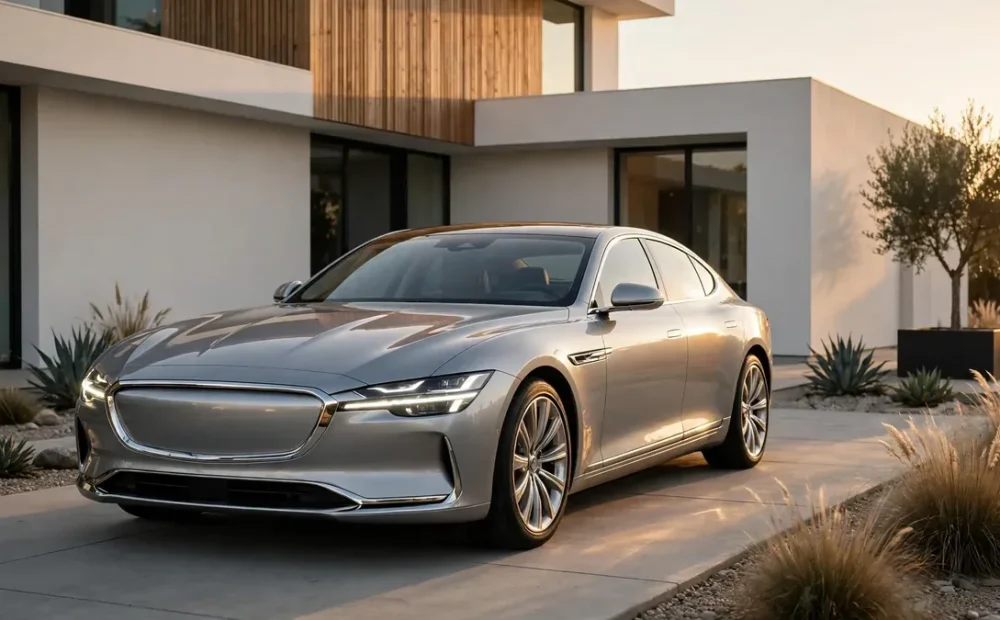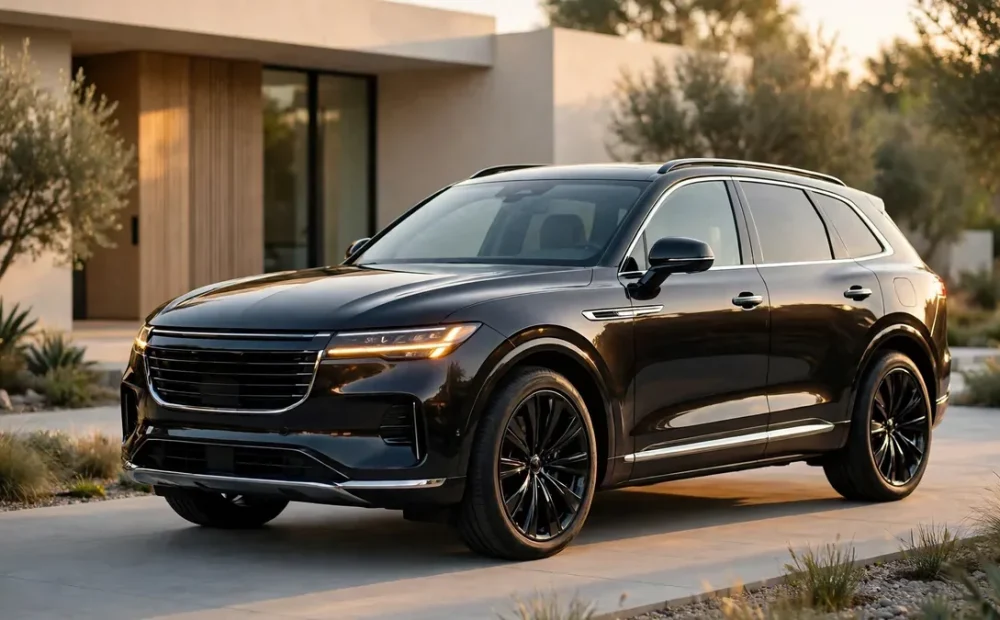
Best Luxury Sedans 2027: 8 Picks for Comfort, Quiet and Effortless Power
The best luxury sedans 2027 has to offer do more than move you from one place to another. They turn the journey into the point: a cabin so quiet you can hear yourself think, seats that make a three-hour drive feel like twenty minutes, and silent, effortless power.
This year the choice is wider than it has been in a decade. Flagships from Mercedes-Benz, BMW and Audi now sit alongside a confident Genesis, a hybrid Lexus, a sports-car-minded Porsche, an electric Lucid and a hand-built Cadillac. Petrol, hybrid and electric models all earn a place here, because the best car depends on how you drive.
Below, eight sedans are compared on ride comfort, cabin quality, rear-seat space, running costs and resale value. Every price is a starting figure before options.
Key takeaways:
- Best overall: the Mercedes-Benz S-Class, for its unmatched blend of ride comfort, cabin craftsmanship and rear-seat space.
- Best driver’s luxury sedan: the BMW 7 Series, which pairs flagship comfort with the sharpest handling in this class.
- Best value: the Genesis G90, which matches the established flagships on equipment and quietness for considerably less money.
- Best electric luxury sedan: the Lucid Air, with the longest real-world range and the most spacious cabin of any electric car here.
- Caveat: no luxury sedan is cheap to own — options, insurance, tyres and depreciation can add tens of thousands over three years.
What this guide covers
This guide covers full-size and executive luxury sedans on sale for the 2027 model year, from the upper-$70,000s to well beyond $300,000. It focuses on four-door sedans only; grand tourers, coupes and luxury SUVs are covered in our wider round-up of the best luxury cars of 2027.
The eight picks span three powertrain types. Petrol and mild-hybrid engines remain the simplest choice for long distances. Hybrids add real efficiency in town, while electric sedans now offer ranges that suit almost every journey, provided home or workplace charging is available.
The focus is on what owners live with daily: seats after two hours, suspension over broken city roads, and a boot that holds real luggage. Every car here is fast enough; the differences that count are found at 30 mph in traffic.
How we chose
Selection started with the full field of luxury sedans on sale for 2027, then narrowed it using five tests that mirror real ownership. First, comfort: ride quality, seat support and cabin quietness at motorway speed. Second, space: rear legroom for a six-foot adult, and a boot that swallows real luggage.
Third, technology that earns its place: driver assistance and voice control that work calmly and adjust without a hunt through menus. Fourth, running costs over three years. Fifth, build quality and warranty cover, because a luxury car should feel solid at 50,000 miles, not just on delivery day.
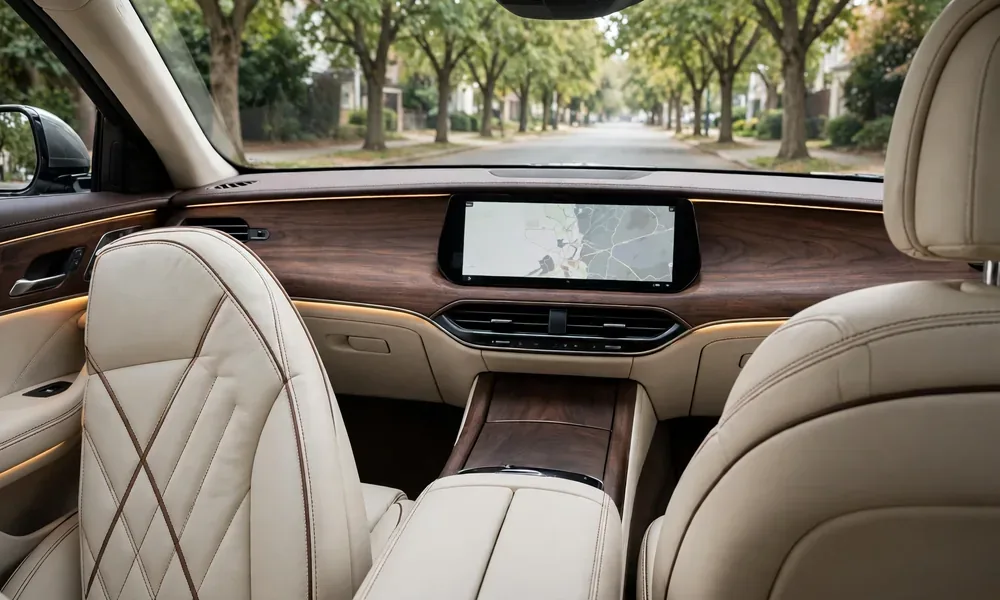
Cars were dropped when they failed on more than one test, even if they excelled in a single area. Prices quoted are manufacturer starting prices before options and local taxes.
What to look for
Start with the ride: air suspension is close to standard here, and it is worth having, because it smooths broken roads and keeps the car level when loaded. Rear-wheel steering makes a long sedan feel shorter in car parks. Check the seats in person — the shape of the seat matters more than the number of functions.
Then look at the cabin. Real wood, metal and leather age well; glossy black plastic shows fingerprints within a week and scratches within a year. Sit in the back seat and check headroom. Finally, look at running costs honestly: a flagship can lose a third of its value in three years.
1. Mercedes-Benz S-Class
What We Like: The S-Class remains the comfort benchmark. Its air suspension irons out broken roads better than anything else here, and the cabin is the quietest in the class.
What to Consider: The touchscreen dashboard takes time to learn, and some functions that were once a button now live two menus deep. Options escalate the price quickly, and the car’s size makes tight city streets a careful exercise.
Background: The S-Class has led this class for decades, and the current car is the default choice for chauffeur-driven buyers and owners who value calm above all else.
Caveats: Depreciation is steep in the first three years, and main-dealer servicing is priced accordingly.
2. BMW 7 Series
What We Like: The 7 Series is the luxury sedan for people who enjoy driving. Its steering is precise, its body control is the best here, and the twin-turbo six-cylinder and V8 engines deliver effortless pace.
What to Consider: The styling is bold and divides opinion, particularly the large grille and split headlights. The ride is firmer than the S-Class on broken roads, and the best rear-seat features are expensive options.
Background: BMW has always pitched the 7 Series as the driver’s flagship, and the current car keeps that character while adding far more rear-seat luxury than its predecessors.
Caveats: The bold design may age less gracefully than its rivals, and resale values for the most expensive versions are uncertain.
3. Audi A8
What We Like: The A8 is the understated choice, and it is all the better for it. Its cabin is a masterclass in restraint — clean lines, superb materials and a logical layout — and quattro all-wheel drive gives it confidence in poor weather.
What to Consider: The A8 feels less special than the S-Class or 7 Series at first glance, and its technology, while excellent, is less showy. The range is narrower, with fewer powertrain choices.
Background: Audi’s flagship has always been the quiet achiever of this class, favoured by buyers who want luxury without drawing attention.
Caveats: Its restrained character means it can feel less of an occasion than its rivals, and resale values trail the S-Class.
4. Genesis G90
What We Like: The G90 is the value champion of this guide. For roughly the price of a well-specified German executive sedan, it delivers flagship space, a whisper-quiet cabin, soft-close doors and massaging rear seats.
What to Consider: The Genesis dealer network is smaller than the German brands’, which matters for servicing convenience. The badge carries less prestige, which affects resale values.
Background: Genesis is Hyundai’s luxury brand, and the G90 is its flagship — designed to match the S-Class on comfort while undercutting it on price. It has won praise for cabin quality and ride.
Caveats: Residual values are the weakest among the flagships, so leasing or a strong discount matters more here than elsewhere.
5. Lexus LS 500h
What We Like: The LS 500h is the most reliable-feeling car here. Its hybrid system is silent in town, smooth on the motorway and genuinely economical for a car of this size. The cabin craftsmanship is exquisite, and Lexus’s dealer service is the best in this class.
What to Consider: The hybrid V6 can sound strained when pushed hard, and rear headroom is tighter than in the German flagships. There is no plug-in or fully electric version.
Background: The LS launched the Lexus brand in 1989 and remains its flagship sedan. The current car pairs a 3.5-litre V6 hybrid with all-wheel drive, and it appeals most to buyers who prioritise reliability and quietness.
Caveats: The LS depreciates faster than the S-Class in most markets, and its smaller boot makes it less practical for tall families.
6. Porsche Panamera
What We Like: The Panamera is the sports car of this group. Its handling is in a different league: precise, balanced and genuinely entertaining on a good road, yet the air suspension keeps it comfortable on the motorway. The hatchback boot is the most practical here.
What to Consider: Rear-seat space is tighter than in the full-size flagships, and the cabin is busier and less serene. Options are famously expensive — the price can climb by a third with a few ticks.
Background: The Panamera has always been Porsche’s answer to the luxury sedan: a four-door car that drives like a Porsche first and a limousine second. The latest model sharpens that brief with revised V6, V8 and plug-in hybrid powertrains.
Caveats: Running costs are high, from tyres to servicing, and the Panamera never quite matches the S-Class for pure relaxation.
7. Lucid Air
What We Like: The Lucid Air is the most advanced electric sedan here, and the most spacious. Its range — up to around 500 miles in the longest-range versions — removes the anxiety that still shadows electric driving, and its cabin feels like a lounge.
What to Consider: The dealer and service network is small and still growing, which matters if you live far from a service centre. The touchscreen controls most functions, including some that are easier as physical buttons.
Background: Lucid is a Californian electric-car maker whose Air was designed around efficiency: a compact, powerful motor and a slippery shape that together deliver the longest range of any electric car on sale. Our round-up of the best hybrid cars shows the middle ground for drivers not quite ready to switch.
Caveats: Resale values are uncertain, and the ownership experience depends heavily on home charging and local service coverage.
8. Cadillac Celestiq
What We Like: The Celestiq is the most exclusive car in this guide — a hand-built, fully electric flagship with a price to match. Every car is built to order, with near-limitless personalisation and a stunning glass roof. The ride is serene.
What to Consider: The price, starting from around $340,000, puts it in a different world from everything else here, and the hand-built production process means waiting times are long. The dealer network for a car this rare is limited.
Background: The Celestiq is Cadillac’s return to the ultra-luxury class it dominated a century ago, built by hand in small numbers with each car tailored to its owner. It is a statement, not a value comparison.
Caveats: At this price, depreciation is unpredictable and servicing is a specialist matter.
Background
The luxury sedan has been declared dead more than once, and each time it has refused to disappear. SUVs took the sales, but the sedan kept its classic strengths: a lower centre of gravity, a quieter cabin and a more comfortable ride. In 2027, its case is stronger than ever, because electrification suits it perfectly — a long, low body is the ideal home for a battery.
The market has split into three clear groups. The traditional flagships — the S-Class, 7 Series and A8 — remain the safest choices, with deep dealer networks and proven residuals. The challengers — Genesis and Lexus — offer more equipment and reliability for the money, while Lucid and Cadillac’s Celestiq bet everything on electric power and exclusivity. Luxury in 2027 is as much about the experience around the car as the car itself — a point our guide to luxury gifts under $1,000 makes in a different category.
One shift matters more than the rest: the best luxury sedans are now judged on software as well as leather and wood — how well the car updates itself, and how calmly its driver-assistance systems behave. The cars that age best will be the ones whose software keeps improving.
The caveats that matter
The biggest caveat is cost — not the sticker price, but everything after it. A flagship luxury sedan can lose 30 to 40 per cent of its value in three years, and the most expensive versions lose the most in cash terms. Insurance, tyres, servicing and repairs all sit at the top of their categories, and a single out-of-warranty repair can run into thousands. Budget for the whole cost of ownership.
Size is the second caveat. These are long, wide cars, and many are over five metres in length. Check that your garage, parking space and regular routes can take them, and check the turning circle, because rear-wheel steering helps but does not work miracles. Weight is the third: electric flagships can weigh well over 2.5 tonnes, which wears tyres faster.
| Sedan | From around | Powertrain | Best for | Watch out for |
|---|---|---|---|---|
| Mercedes-Benz S-Class | $115,000 | Mild-hybrid petrol | Overall comfort | Steep options and depreciation |
| BMW 7 Series | $97,000 | Petrol, hybrid, electric | Driving enjoyment | Bold styling, firm ride |
| Audi A8 | $88,000 | Mild-hybrid petrol | Understated luxury | Ageing design, resale values |
| Genesis G90 | $90,000 | Twin-turbo V6 | Value and equipment | Smaller dealer network |
| Lexus LS 500h | $80,000 | Hybrid V6 | Reliability and quiet | Tight rear headroom |
| Porsche Panamera | $101,000 | Petrol, plug-in hybrid | Sporting character | Expensive options, firm ride |
| Lucid Air | $70,000 | Fully electric | Range and space | Small service network |
| Cadillac Celestiq | $340,000 | Fully electric | Exclusivity | Price and waiting time |
Finally, do not buy on specification alone. The only reliable test is a long drive on roads you know: a motorway stretch, a broken city street and a tight car park. Sit in the back, load the boot, and try the voice control while driving.
Checklist
- Test-drive for at least an hour on familiar roads, including motorway, city streets and a car park, and sit in the rear seats yourself.
- Price the car with the options you want, then add three years of insurance, tyres, servicing and depreciation.
- Check rear legroom and headroom for a six-foot adult and boot space with real luggage.
- Confirm charging or fuel stops on your regular long journeys, and check service-centre locations near home and work.
- Try the voice control and driver-assistance systems on the move, and check which features need a subscription.
- Get a written quote for the exact specification, compare lease and purchase costs over three years, and check the warranty.
FAQ
What is the best luxury sedan in 2027?
The Mercedes-Benz S-Class is the best all-round luxury sedan in 2027, thanks to its ride comfort and rear-seat space. For drivers, the BMW 7 Series; for value, the Genesis G90; for electric, the Lucid Air.
Are luxury sedans worth the money over a luxury SUV?
For comfort and quiet, yes. A sedan’s lower centre of gravity gives it a smoother ride and better handling than a comparable SUV, and its cabin is usually quieter at speed. An SUV wins on seating height and boot access.
Should I buy a petrol, hybrid or electric luxury sedan?
Petrol suits long-distance drivers who value simplicity and a wide refuelling network. Hybrids suit mixed town and motorway driving, where they save fuel without any change in habit. Electric suits drivers with home charging who want the quietest experience.
How much does it cost to run a luxury sedan?
Expect several thousand a year beyond fuel or electricity: insurance sits in the highest groups, a set of tyres can cost over $1,500, and main-dealer servicing is priced at flagship rates. Depreciation is the largest single cost, often tens of thousands over three years.
Which luxury sedan holds its value best?
The Mercedes-Benz S-Class and the Porsche Panamera generally hold their value best among the cars here, while the Genesis G90 and Lexus LS depreciate faster in most markets. Electric models are harder to predict.
Is a luxury sedan practical as a family car?
Yes, for most families. The boot is large, the rear seats are wide and comfortable, and child seats fit easily in the flagships. The main limits are the car’s length in tight spaces and the cost of tyres and insurance.
The bottom line
The best luxury sedans of 2027 prove the sedan is not a relic but a car at the top of its game. The S-Class remains the benchmark for comfort, the 7 Series is the one to choose if you love driving, the G90 is the smartest way to get flagship luxury for less, and the Lucid Air shows where the class is heading.
Choose by how you actually drive, not by the badge or the brochure. Take a long test drive, price the car with the options you want, and budget for the full cost of ownership. Do that, and the right luxury sedan will make every journey feel like the best part of the day.
Meet Our Experts
Our motoring editorial team covers luxury cars, travel and lifestyle, researching each guide from manufacturer specifications, published road tests and ownership data.
Why Trust BrassSmile
BrassSmile’s guides compare cars on the factors that matter in daily ownership — comfort, space, running costs and technology — and flag the caveats honestly, so the recommendation you read is one you can rely on.
Sources
Mercedes-Benz, BMW, Audi, Genesis, Lexus, Porsche, Lucid Motors, Cadillac, Autocar, Car and Driver, MotorTrend, Top Gear, What Car?, Edmunds.