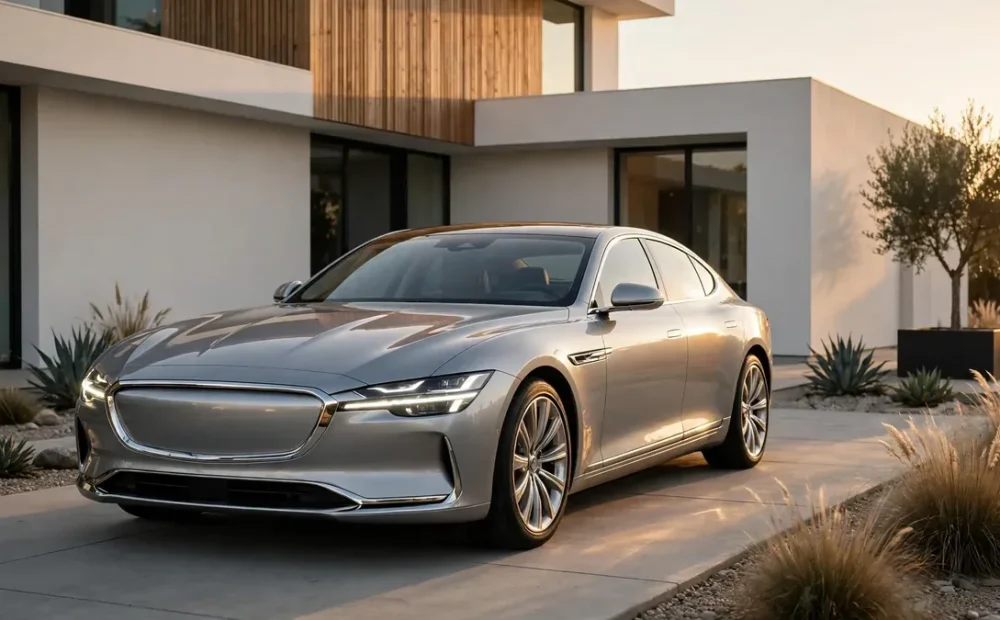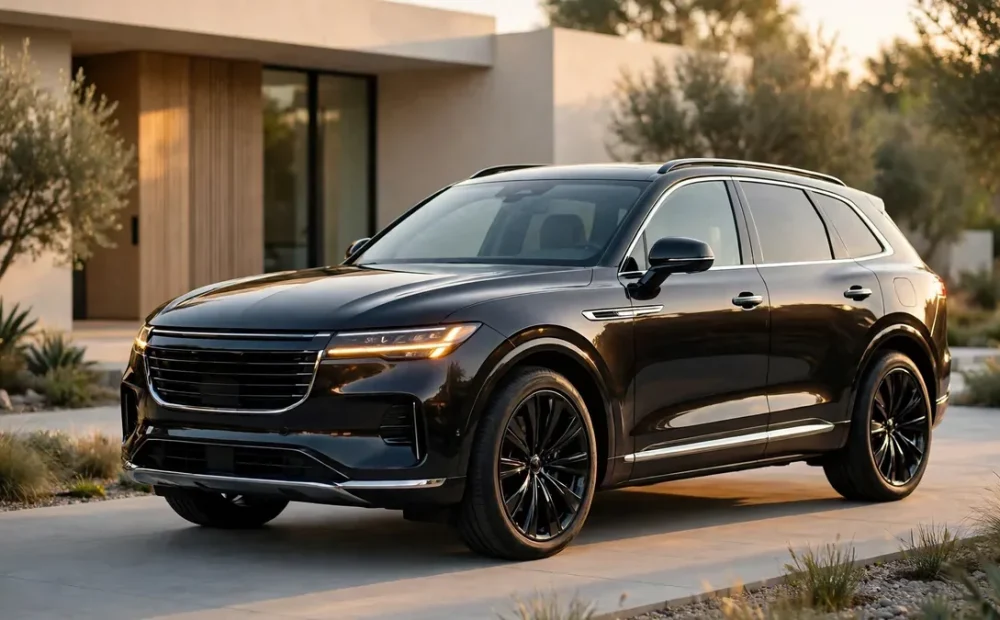

Best Luxury SUVs 2027: 7 Picks for Comfort, Space and Presence
The best luxury SUVs 2027 has to offer are bought for how they make a journey feel, not for a single number on a specification sheet. It is the hush of the cabin at motorway speed, the quality of the leather, the way the doors close with a soft, solid sound, and the calm of a car that does everything without fuss. Power matters, but in this class it is the least interesting part of the decision, because every serious contender is already fast enough.
The problem is that the market is crowded, and the badge on the grille tells you less than it used to. A German three-row SUV can ride more softly than a British flagship, and a model that is perfect for long motorway journeys can be the wrong choice for narrow city streets. Price is a poor guide too: some of the most satisfying luxury SUVs are not the most expensive ones here.
Below are seven luxury SUVs worth considering in 2027, from a British flagship built for being driven in to three-row family haulers that happen to be genuinely luxurious. Each one is described by what it does well, what to watch for, and who it suits best, so you can choose with your real driving in mind, not just a ranking.
Key takeaways
- Comfort, quiet and build quality matter more than outright speed in a luxury SUV — test the cabin at motorway speed, not just around the block.
- Choose by how you use the car: long journeys favour air suspension and superb seats, family life favours a usable third row and a big boot, and city life favours a smaller footprint.
- Running costs vary enormously here, so check fuel economy, insurance and servicing before falling for a flagship engine.
- Most buyers will be happiest in the middle of the range, where the best seats, the quietest cabins and the most useful technology already live.
- Prices, trims and standard equipment change through the model year, so confirm the exact specification and price of the car you are buying before signing anything.
What this guide covers
This guide covers seven luxury SUVs on sale in 2027, spanning the three-row family class and the full-size flagship class. Every model here is a proper luxury vehicle, not a mainstream SUV with a leather option pack: the cabins use real wood, metal and stitched leather, the suspension is designed around comfort first, and the standard equipment includes the driver-assistance features that make long journeys easy.
The list runs from the Range Rover, the benchmark for the class, through the Mercedes-Benz GLS, BMW X7, Cadillac Escalade, Lexus LX, Audi Q7 and Genesis GV80. Together they cover the main ways people buy a luxury SUV: as a chauffeur-driven flagship, as a three-row family car, as a long-distance tourer, and as a statement of taste. If you are weighing SUVs against other body styles, our roundup of the best luxury cars of 2027 covers saloons, estates and sports cars as well. Prices quoted are approximate starting prices, and they move with trim, options and market.
How we chose
We chose these seven by what decides whether a luxury SUV is satisfying to live with. Cabin quietness and ride comfort came first, because a luxury SUV that thumps over bad roads or drones at speed has failed at its main job. Seat comfort over hours mattered more than any gadget, and a usable third row and a large boot counted for more than a towing figure most owners will never use.
We also weighed build quality and materials, the infotainment system, the standard driver-assistance equipment, and the ownership picture: fuel economy, servicing, warranty cover and expected depreciation. Owning one of these for three or four years can differ by thousands between two cars with similar showroom prices.

What to look for
Before the individual profiles, it helps to know what separates a great luxury SUV from an average one. Start with the ride: air suspension is close to essential in this class, because it lets a heavy SUV float over poor surfaces while staying composed in corners. Sit in every seat you will actually use, including the third row, and check that the middle row slides and reclines rather than merely folding. Check the cabin at speed on a motorway test drive, try the infotainment with your own phone connected, and check boot space with all seats up and the height of the loading lip.
1. Range Rover
The Range Rover remains the benchmark luxury SUV, and the current car is the most refined version yet. Its cabin is a masterclass in restraint: stitched leather, real wood and metal, and almost no visible clutter. The air suspension smooths poor roads into a distant rumour, and at motorway speed the cabin is among the quietest of any SUV on sale. Rear passengers get limousine levels of legroom, and the boot is wide, flat and genuinely useful. Prices start at roughly $107,000 and rise steeply with the long wheelbase and top Autobiography trim.
What We Like: The quietest, most composed cabin in this group, superb seats, and an interior that feels hand-finished rather than assembled.
What to Consider: The price climbs fast with options, the car is very large for city streets, and servicing and insurance are expensive.
2. Mercedes-Benz GLS
The GLS is Mercedes-Benz’s flagship SUV, and it drives like a large S-Class that happens to sit higher. The cabin is wide, calm and beautifully lit, with a twin-screen dashboard, excellent voice control, and seats that stay comfortable after hours on the road. Three rows are standard, and adults can genuinely use the third row for medium journeys. The ride on air suspension is soft and settled. Prices start at roughly $89,000, with the V8 GLS 580 above the six-cylinder GLS 450.
What We Like: A genuinely usable third row, a beautifully finished cabin, and a ride that makes long journeys feel short.
What to Consider: The touchscreen-heavy controls take learning, some desirable features sit in expensive option packs, and fuel economy is modest.
3. BMW X7
The X7 is the driver’s choice in this group, and the luxury SUV to pick if you enjoy the journey as much as the destination. Its steering is precise, its body control is remarkable for a car of this size, and the six-cylinder engine pulls strongly and smoothly. Yet it never forgets its luxury brief: the cabin is quiet, the Merino leather seats are superb, and the optional six-seat layout turns the X7 into a first-class lounge. Prices start at roughly $84,000, which makes the X7 keenly priced relative to what it offers.
What We Like: The most engaging drive in this class, a superb six-seat option, and strong technology throughout.
What to Consider: The ride is firmer than its rivals, the third row is tighter, and the styling divides opinion.
4. Cadillac Escalade
The Escalade is the biggest personality on this list, and it makes no apology for it. It is a full-size American luxury SUV with enormous road presence, a vast cabin, and a 38-inch curved display. The 6.2-litre V8, producing around 420 horsepower, moves the car with effortless authority, while air suspension and magnetic dampers keep the ride composed. Inside, seven adults fit in genuine comfort, and the boot behind the third row is the largest here. Prices start at roughly $89,000.
What We Like: Unmatched space and road presence, a strong V8, and the biggest boot in this group.
What to Consider: High fuel consumption, a very large footprint, and a cabin that feels less hand-finished than the European flagships.
5. Lexus LX
The LX is the luxury SUV for buyers who value durability and peace of mind above fashion. It shares its underpinnings with the Toyota Land Cruiser, which gives it genuine off-road ability and a reputation for lasting, but the Lexus cabin is a different world: quilted leather, real wood, and a solidity that feels built to outlast its owner. The twin-turbo V6 produces around 409 horsepower. On the road the LX feels substantial and unhurried, with a commanding driving position. Prices start at roughly $93,000, and its reliability record and strong resale values make it one of the most rational choices here.
What We Like: Outstanding build quality and reliability, genuine off-road ability, and strong resale values.
What to Consider: The ride is firmer than the Range Rover or GLS, the infotainment lags the best, and fuel economy is unremarkable.
6. Audi Q7
The Q7 is the most understated car here, and for many buyers that is exactly the point. It does everything well without drawing attention to itself: a beautifully built cabin, a calm and composed ride, and three screens that make the technology feel modern without distracting. The 3.0-litre V6, with around 335 horsepower, is smooth and strong enough for any normal use, and quattro all-wheel drive gives quiet confidence in poor weather. Prices start at roughly $61,000, the most accessible entry to this group, and much of the luxury experience of far costlier cars is already here.
What We Like: Superb value, a beautifully built cabin, and an easy, undemanding character.
What to Consider: The third row is tight for adults, and it has less road presence than the flagships.
7. Genesis GV80
The GV80 is the quiet overachiever of this list. Genesis is a younger luxury brand, but the GV80’s cabin would embarrass cars costing far more: quilted leather, real wood and metal, and a design that feels considered rather than copied. The ride is soft and quiet, the seats are deeply comfortable, and the standard equipment is generous, with most features other brands charge extra for already included. The 3.5-litre twin-turbo V6, with around 375 horsepower, is smooth and strong. Prices start at roughly $59,000, the least expensive car here by a clear margin.
What We Like: A stunning cabin for the price, generous standard equipment, and a calm, refined drive.
What to Consider: A smaller dealer network, less proven resale values, and a third row that is strictly occasional.
Background
The luxury SUV grew out of the large off-road vehicles of the 1980s and 1990s, but the modern version has little in common with them. The turning point came when Range Rover showed that a vehicle built for rough ground could also be a genuinely luxurious car, and the German and American brands followed. By the 2010s, the luxury SUV had become the default choice for buyers who once would have chosen a large saloon, because it offered a higher driving position, easier entry and exit, and space for family and luggage without sacrificing comfort.
Today’s luxury SUVs are built on dedicated platforms with air suspension, advanced driver-assistance systems and cabins that rival the best saloons. Electrification is reshaping the class too: plug-in hybrids now offer meaningful electric-only range, and fully electric luxury SUVs are arriving from several brands. The combustion flagships here remain the safe choice for long distances or towing, but the direction of travel is clear.
The caveats that matter
A luxury SUV is a large purchase, and the pitfalls are larger than in the mainstream classes. One question that deserves its own research is whether an extended car warranty is worth it for a car of this size, because repair bills for air suspension, advanced electronics and complex engines can be substantial once the factory cover ends.
| Caveat | What it means for you |
|---|---|
| Real-world fuel economy | Large petrol engines can return far less than the official figure in town driving; budget for it honestly. |
| Insurance costs | High values and expensive parts push premiums up sharply; get a quote before you buy, not after. |
| Depreciation | Flagship SUVs can lose a large share of their value in three years; leasing or a strong resale brand can help. |
| Size and parking | Full-size models may not fit older garages or tight car parks; measure your space before committing. |
| Third-row reality | Many third rows suit children only; sit in them yourself before assuming adults will be comfortable. |
| Option pricing | Desirable features are often bundled in expensive packs; the car you test may cost far more than the base price. |
| Tyre and brake costs | Large wheels mean large, expensive tyres and brakes, and performance tyres wear faster than expected. |
| Technology ageing | Infotainment and driver-assistance systems date faster than engines; check update and subscription policies. |
Checklist
- Test drive on a motorway as well as around town, and listen for wind and road noise at speed.
- Sit in every row you will use, including the third row, and test the boot with your real luggage.
- Compare running costs, not just the purchase price: fuel, insurance, servicing, tyres and depreciation.
- Get an insurance quote before buying, and read our guide to comparing car insurance quotes so you know what the cover actually includes.
- Check the exact specification of the car you are buying, including which features are standard and which are options.
- Confirm warranty length, servicing intervals and whether software updates and connected services carry a subscription.
Frequently asked questions
What is the best luxury SUV in 2027?
There is no single best choice, because the right car depends on how you use it. The Range Rover is the most refined all-rounder, the GLS is the best three-row family car, the X7 is the best to drive, and the GV80 is the best value. Choose by your priorities, not by a ranking.
How much should I spend on a luxury SUV?
Most buyers will be happiest between roughly $60,000 and $110,000, where the Q7, GV80, X7 and GLS already offer the best seats, the quietest cabins and the most useful technology. Above that, you are paying mainly for extra space, a more powerful engine and a more prestigious badge.
Are luxury SUVs expensive to run?
Yes, relative to mainstream SUVs. Fuel, insurance, servicing, tyres and depreciation are all higher, and the gap between the cheapest and most expensive cars here can be thousands of dollars a year. Plug-in hybrids can cut fuel costs for short journeys, but they cost more to buy and need regular charging to pay off.
Do I need a third row?
Only if you regularly carry six or seven people. A third row adds weight, cost and complexity, and in most cars here it is best for children or short trips. If you carry five people and luggage, a two-row luxury SUV with a bigger boot is often the more comfortable choice.
Should I buy a plug-in hybrid luxury SUV?
A plug-in hybrid makes sense if most of your journeys are short and you can charge at home, because it can cover daily driving on electricity alone. For frequent long journeys or towing, a conventional petrol engine is usually simpler and no more expensive overall.
Which luxury SUV holds its value best?
The Lexus LX and the Range Rover have historically held their value well, thanks to strong demand and limited supply, while the Genesis GV80 is less proven because the brand is newer. Resale values depend on trim, mileage, condition and the wider market, so treat them as a guide rather than a guarantee.
The bottom line
The best luxury SUV for you is the one that fits your life: the Range Rover if you want the most refined cabin and the calmest ride, the GLS or X7 if you carry a family in comfort, the Escalade if you want maximum space and presence, and the Q7 or GV80 if you want almost all of the luxury experience for considerably less money. Every car on this list is a proper luxury vehicle, so the decision is about character and priorities rather than quality.
Take your time, drive at least two or three of these back to back, and pay attention to the things that matter every day: the seats, the quiet, the visibility, and the way the car makes a long journey feel. The badge will fade from your mind within weeks, but the cabin you sit in every morning will not.
Meet Our Experts
This guide was prepared by our editorial team, with research support from our automotive and luxury lifestyle editors. Every recommendation is based on published specifications, expert reviews and the ownership factors that matter to buyers.
Why Trust BrassSmile
BrassSmile covers luxury, travel, fashion and cars with a simple rule: recommend what is genuinely worth buying, explain the trade-offs honestly, and never hide the running costs. We do not accept payment for placement, and our roundups are updated as prices, trims and specifications change.
Sources
Manufacturer specifications and pricing from Range Rover, Mercedes-Benz, BMW, Cadillac, Lexus, Audi and Genesis; expert reviews from Autocar, Car and Driver, MotorTrend and Top Gear; and market data from Kelley Blue Book and Edmunds.