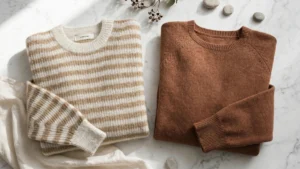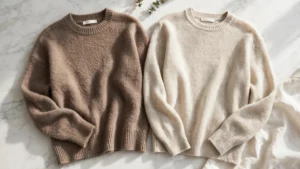

A wool sweater is the one cold-weather piece almost every wardrobe needs, and the one most often bought badly. It should be warm without being bulky, soft without pilling into a mess, and smart enough to wear beyond the house. The problem is not finding a wool sweater. It is finding one made from good wool, in a cut that flatters, that does not itch, sag at the elbows, or lose its shape after two washes.
That is why this guide is organised by how a sweater will be worn, not just by brand name. A chunky fisherman knit is perfect for a weekend walk and wrong for the office. A fine merino crewneck layers neatly under a blazer and looks too plain on its own. Price alone is a poor guide: some of the most reliable wool sweaters are mid-priced, and some of the most expensive are bought for the label, not the wool.
Below are nine wool sweaters worth considering in 2027, from a classic merino crewneck to a cosy lambswool knit and a polished cashmere-blend option. Each one is described by what it is good at, what to watch for, and who it suits best, so you can choose with your wardrobe in mind, not just a bestseller list.
Key takeaways
- Merino wool is fine, soft and breathable, lambswool is warmer and cosier, and a wool-blend can add durability if the wool content stays high.
- Choose a sweater that fits at the shoulder seam and skims the waist, not one that pulls across the chest or hangs past the hips.
- A crewneck in black, navy or cream works with almost everything, while a bold colour or pattern is a statement piece, not an everyday one.
- Wash wool gently in cold water, dry it flat, and store it folded, never hung.
- No sweater stays new forever, and cheap, low-grade wool will pill and sag whatever the label says.
What wool actually does for a sweater
Wool is warm for a simple reason: its fibres trap air, and still air is a good insulator. That is why a wool sweater keeps you warm without needing to be thick, and why it stays comfortable when you move between a cold street and a heated room. Wool also absorbs moisture without feeling damp, so it handles a light drizzle or a warm office better than cotton or acrylic.
The type of wool decides how a sweater feels. Merino wool comes from merino sheep, and its fibres are fine and soft, which is why merino sweaters rarely itch. Lambswool comes from a sheep’s first shearing, and it is slightly thicker and cosier, with a soft, fluffy feel. Shetland wool is tougher and more textured, which suits traditional, hard-wearing knits. Cashmere is softer and lighter than any of them, but it is also more delicate and more expensive, so a cashmere-blend can be a sensible compromise.
Blends matter too. A sweater that is mostly wool with a little nylon or elastane will hold its shape better and resist sagging at the elbows. As a rule, look for at least 70 percent wool in a sweater you expect to wear often.
How we chose these sweaters and what to look for
Look first at the fibre content on the label. A sweater listed as 100 percent merino or lambswool is a straightforward choice. A blend should still be mostly wool, with only a small amount of nylon, elastane or cashmere added for shape or softness. Be wary of sweaters that hide their wool content behind a brand name or a vague description, and of ones that feel rough or plasticky in the hand.

Look next at the fit and the knit. The shoulder seam should sit at the edge of your shoulder, not halfway down your arm or pulled up towards your neck. The body should skim your waist without clinging, and the sleeves should reach your wrist bone when your arms hang naturally. A tight, dense knit is warmer and holds its shape better than a loose, open knit, which suits layering but can sag. Our guide to cashmere sweaters worth buying makes the same point about knitwear: the pieces that earn their price are the ones that keep their shape after a season of wear, not the ones that look best on a hanger.
Finally, check the details. Ribbed cuffs and a ribbed hem help a sweater keep its shape. Seams should lie flat, with no puckering. A good sweater should not feel scratchy against your inner wrist, which is a useful test for itch before you buy.
The 9 best wool sweaters for women in 2027
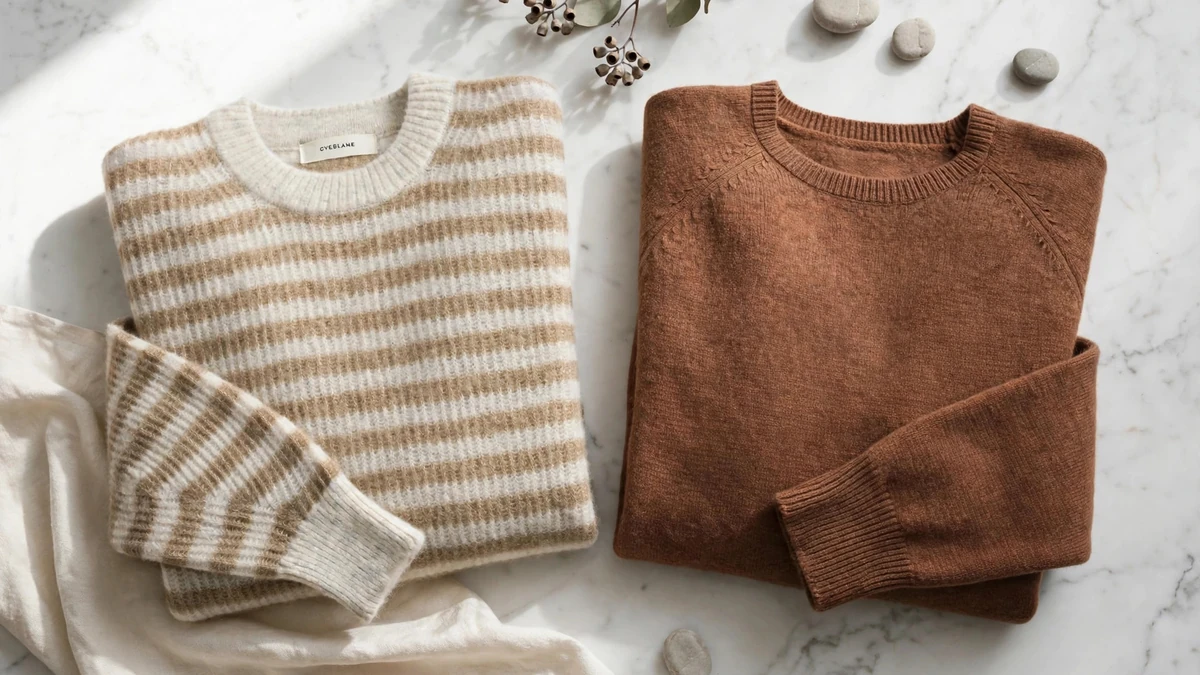
Everlane The Alpaca Crew
What we like: A soft alpaca-blend crewneck with a clean, modern shape, a comfortable fit, and a price well below luxury labels. What to consider: Alpaca can shed a little at first, and the fit is relaxed rather than tailored. Best for: A soft, everyday crewneck that layers easily. Fabric: Alpaca and wool blend. Price range: Around $100 to $140. Standout feature: A soft, brushed texture that feels warmer than its weight suggests.
This is a good first wool sweater if you want softness without a luxury price. The relaxed fit works with jeans and wide-leg trousers, and the neutral colours suit almost any outfit.
J.Crew Lambswool Crewneck Sweater
What we like: Classic lambswool, a neat crewneck shape, and a fit that works both tucked in and worn loose. What to consider: Lambswool can feel slightly scratchy at first, and the colours vary by season. Best for: A classic, well-made sweater for everyday wear. Fabric: 100 percent lambswool. Price range: Around $90 to $130. Standout feature: A traditional lambswool knit that softens with wear.
J.Crew has been making this style of sweater for years, and it shows in the fit. It is a reliable, unpretentious piece that does its job quietly and well.
Massimo Dutti Pure Wool Sweater
What we like: Good-quality pure wool, a refined shape, and a price that undercuts most premium brands. What to consider: Sizing runs small, so check the size guide, and the range changes often. Best for: A polished look on a modest budget. Fabric: 100 percent wool. Price range: Around $60 to $90. Standout feature: A clean, tailored shape that works under a blazer.
Massimo Dutti is a reliable source for well-finished knitwear at a fair price. This sweater is a good everyday option, and a useful second piece in a different colour.
COS Merino Wool Sweater
What we like: Fine merino wool, a modern, minimal shape, and a smooth knit that layers neatly. What to consider: The fit is boxy, and the merino is fine, so it is less warm than a chunky knit. Best for: A modern, minimal sweater for layering. Fabric: 100 percent merino wool. Price range: Around $90 to $135. Standout feature: A clean, architectural shape with a smooth merino knit.
If your style is minimal and modern, this is the sweater to buy. The merino is soft against the skin, and the boxy shape works well with tailored trousers and skirts.
& Other Stories Wool Blend Sweater
What we like: A soft wool blend, a relaxed fit, and colours that change with the season. What to consider: The wool content varies by colour, so check the label, and the fit is loose. Best for: A soft, relaxed sweater for casual days. Fabric: Wool blend with recycled wool. Price range: Around $70 to $110. Standout feature: A soft, brushed finish in seasonal colours.
A good, comfortable sweater for days when you want warmth without structure. The relaxed fit suits jeans and casual skirts, and the seasonal colours are a pleasant change from black and navy.
Vince Wool Crewneck Sweater
What we like: A refined wool crewneck with a neat fit, a smooth finish, and a shape that suits both work and weekends. What to consider: Premium price, and the fit is slim, so size up if you prefer room. Best for: A polished sweater that works for the office. Fabric: Wool and cashmere blend. Price range: Around $195 to $295. Standout feature: A smooth, refined knit with a neat, tailored fit.
Vince is known for quiet, well-made basics, and this sweater is a good example. It is the kind of piece that looks unremarkable on a hanger and excellent when worn.
Banana Republic Merino Wool Sweater
What we like: Fine merino wool, a classic crewneck shape, and a fit that works tucked into trousers or worn with jeans. What to consider: The merino is lightweight, so it is a layering piece rather than a heavy winter sweater. Best for: A versatile merino sweater for work and weekends. Fabric: 100 percent merino wool. Price range: Around $80 to $120. Standout feature: A lightweight merino knit that layers without bulk.
A sensible, well-priced merino sweater. It is light enough to wear indoors all day, warm enough for a cold morning, and neat enough for the office.
Uniqlo Premium Lambswool Crew Neck Sweater
What we like: Good lambswool at a very fair price, a simple shape, and a wide range of colours. What to consider: The fit is straightforward rather than tailored, and the lambswool can pill with heavy wear. Best for: A well-priced everyday sweater in any colour. Fabric: 100 percent lambswool. Price range: Around $40 to $60. Standout feature: Real lambswool at a price that makes a second colour easy to justify.
For the money, this is one of the best wool sweaters you can buy. It is not the most refined knit, but the wool is genuine, the shape is honest, and it does the job.
John Smedley Merino Wool Sweater
What we like: Fine merino wool knitted in England, a classic shape, and a level of finishing that justifies the price. What to consider: Premium price, and the fit is traditional rather than fashion-led. Best for: A beautifully made sweater that lasts for years. Fabric: 100 percent extra-fine merino wool. Price range: Around $180 to $260. Standout feature: Sea Island quality merino, knitted in England since 1784.
If you want one sweater to keep for a decade, this is the one. The merino is exceptionally fine and soft, the knitting is precise, and the shape never looks dated.
Which wool sweater is right for you
Start with how you will wear it most. If the sweater is mainly for the office, a fine merino crewneck in black, navy or grey will layer under a blazer and look neat all day. If it is mainly for weekends, a cosier lambswool or alpaca sweater in a relaxed fit will be more comfortable and more forgiving. If you want one sweater to do everything, choose merino, crewneck, and a neutral colour.
Colour matters more than brand. Black is the safest single choice, because it works with almost everything and hides pilling. Navy is softer and more versatile with denim. Cream is warm and classic, but it shows marks and needs more care. A guide to winter sweater trends shows how a neutral base makes it easier to try a seasonal colour as a second piece, rather than betting your whole wardrobe on one shade.
Think about warmth honestly. A fine merino sweater is warm enough for a heated office and a mild winter day, but it is not a substitute for a coat. A chunky lambswool or Shetland knit is much warmer, but it is bulkier under a coat.
The caveats that matter
Wool sweaters need a little care, and most problems come from washing them badly. Hot water and a fast spin will shrink wool and felt the fibres together, which cannot be undone. Hanging a wet sweater will stretch it out of shape. Tumble drying will shrink it. None of these are hard to avoid, but they are easy to overlook when a sweater is thrown in with the rest of the laundry.
| Detail | What is known |
|---|---|
| Best wool for softness | Merino and cashmere are finest and softest; lambswool is cosier |
| Minimum wool content | At least 70 percent wool for a sweater you will wear often |
| How to wash it | Cold water, gentle cycle or hand wash, with wool detergent |
| How to dry it | Reshape and dry flat, away from direct heat and sunlight |
| How to store it | Folded in a drawer or on a shelf, never hung on a hanger |
| Pilling | Normal in high-friction areas; remove gently with a fabric comb |
| Best first colour | Black or navy for versatility, cream for a classic look |
| What to avoid | Hot water, tumble drying, hanging wet, and mostly-acrylic blends |
If wool makes you itch, try merino first, because its fine fibres are the least likely to irritate skin. A thin layer underneath, such as a cotton or silk top, also helps.
Checklist: choosing a wool sweater honestly
Use these checks before you buy, and again after a month of wear.
- Check the label: at least 70 percent wool, and merino or lambswool for softness.
- Check the fit: the shoulder seam should sit at your shoulder, and the body should skim, not cling.
- Check the feel: run it over your inner wrist; if it itches there, it will itch at the neck.
- Check the knit: it should be even and dense, with flat seams and ribbed cuffs and hem.
- Check the colour: black or navy first, a statement colour only if you already own the basics.
- Check the care: cold wash, dry flat, fold to store, and keep moths away with cedar or lavender.
Frequently asked questions
How do I wash a wool sweater without shrinking it?
Use cold water, a gentle cycle or hand wash, and a detergent made for wool. Never use hot water or a fast spin, and never tumble dry. Reshape the sweater while it is damp and dry it flat on a towel, away from direct heat.
Why does my wool sweater pill?
Pilling happens where fabric rubs, usually under the arms and at the sides where a bag strap sits. It is normal, especially with softer wools, and it does not mean the sweater is bad. Remove pills gently with a fabric comb or a sweater stone, and avoid pulling them off by hand, which can loosen the knit.
Is merino wool warmer than lambswool?
Not necessarily. Merino is finer and softer, and it regulates temperature well, but a thick lambswool knit is usually warmer in cold weather because it traps more air. Choose merino for layering and comfort, and lambswool for warmth and cosiness.
Can I wear a wool sweater if I have sensitive skin?
Often yes, if you choose fine merino, which is the least irritating wool. Try the sweater against your inner wrist before buying, and wear a thin cotton or silk layer underneath if you are unsure. If it still itches after a few wears, a different fibre may suit you better.
How should I store wool sweaters?
Fold them and store them in a drawer or on a shelf, never on a hanger, which stretches the shoulders. Keep them clean before storing, because moths are drawn to body oils and food marks, and use cedar blocks or lavender sachets to deter them. A guide to winter coats for women follows the same storage logic: good pieces last longer when they are stored properly between seasons.
Is a cashmere-blend sweater better than pure wool?
It is softer, but not always better. Cashmere adds softness and lightness, while wool adds durability and shape. A blend can be a good compromise, but a pure merino or lambswool sweater is often more durable and easier to care for.
The bottom line
The best wool sweater in 2027 is not the most expensive or the most fashionable. It is the one made from good wool, in the right fit and colour, that you reach for without thinking. For most wardrobes, that means a merino or lambswool crewneck in black, navy or cream, with at least 70 percent wool and a fit that skims rather than clings. A luxury label can be a lovely treat, but the wool is what decides whether the sweater is still looking good in three winters.
Choose one good sweater first, in a neutral colour, and wear it until you know exactly what you want from a second one. That is the honest way to build a knitwear wardrobe that works, without a drawer full of sweaters that pill, sag or never quite feel right.