What makes a plate of arroz chaufa worth crossing town for? The dish looks simple enough: rice, egg, scallions, soy sauce, and a hot wok. Yet two plates that share the same name can taste like they came from different planets. One arrives greasy and clumped, tasting of nothing but salt. The other hits that sweet spot between smoky, savory, and just a little sweet, with grains that stay separate and springy. If you have ever typed “best arroz chaufa near me” into your phone and ended up disappointed, this guide is for you. It breaks down what separates a great plate from a forgettable one, how to read a menu and a review, and how to search smarter so your next bowl lands in the right place.
What Arroz Chaufa Actually Is
Arroz chaufa is Peruvian fried rice and a central dish in chifa, the Peruvian-Chinese cooking tradition. The name comes from the Cantonese chau fa, which simply means “fried rice.” Chinese immigrants, mostly from Guangdong, began arriving in Peru in 1849 as indentured laborers. Over generations, their cooking merged with Peruvian ingredients and habits, and chifa was born as something entirely its own.
The classic plate combines day-old rice, egg, scallions, soy sauce, and often chicken or pork, all tossed in a screaming-hot wok. That high heat is what gives the rice its toasty, faintly smoky character. Many versions add a splash of sesame oil or a handful of red bell pepper. Some cooks finish the dish with a squeeze of lime or serve it with a side of ají sauce, a chili condiment that Peruvians treat almost like a religion.
It helps to know that arroz chaufa is not the same as Chinese restaurant fried rice. The Peruvian version tends to be a bit sweeter, often uses a darker soy sauce base, and frequently shows up alongside rotisserie chicken, plantains, or a mound of salsa criolla. That context matters when you are judging a restaurant. A chifa kitchen built around wok cooking will usually turn out better chaufa than a general Latin American spot that offers it as a token side.
Why “Near Me” Searches Go Wrong

The phrase “near me” feels precise, but the results it returns are anything but. Local search rankings depend on your device, your location at the moment of the search, the time of day, and even your past search behavior. Two people standing on the same corner can get different lists. That is not a bug; it is how personalization works.
The bigger problem is that “best” is doing a lot of heavy lifting. Search engines do not taste food. They rank pages by signals like reviews, keywords, proximity, and engagement, not by whether the wok was hot enough. A restaurant with a slick website and a thousand generic five-star reviews can outrank a family-run chifa with a hand-painted sign and the best rice in the neighborhood.
So the practical move is to treat search results as a starting list, not a verdict. Use them to gather candidates, then apply the filters below. This same logic applies to almost any local food hunt, whether you are chasing dumplings or tracking down a good Chinese restaurant near you in a city you do not know well. The mechanics of local search are the same; the judgment you bring to the results is what changes.
The Signals That Separate Good Chaufa From Great
Experienced eaters tend to look for the same handful of clues. None of them require a culinary degree.
The rice itself
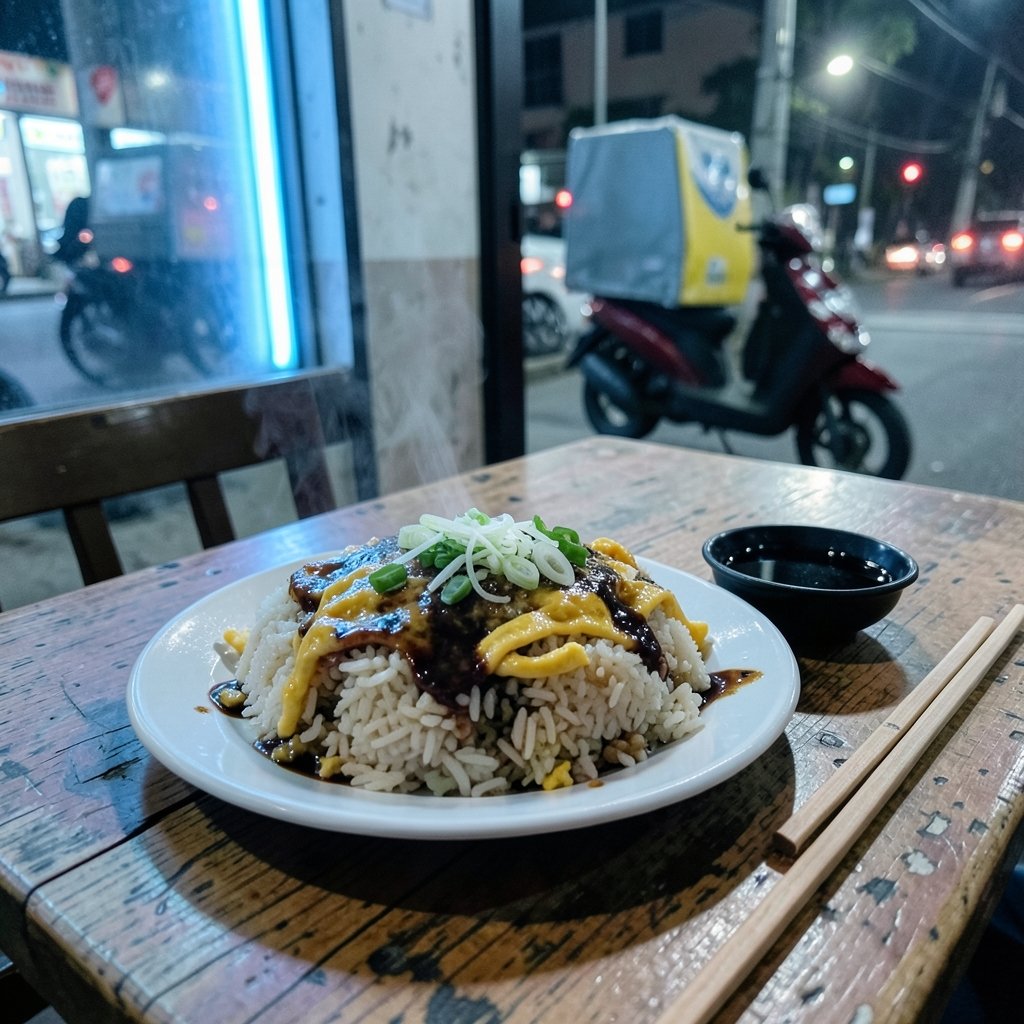
Great chaufa starts with rice that was cooked and chilled before it hit the wok. Fresh, hot rice steams and clumps; day-old rice dries out just enough to fry into separate, distinct grains. If your plate arrives as a sticky mass, the kitchen rushed it. Look for grains that are loose, lightly coated in sauce, and not swimming in oil.
Wok hei
That faint smoky, charred note is called wok hei, and it only comes from a very hot wok and constant motion. You cannot fake it in a home-style pan on medium heat. If the rice tastes flat and steamed rather than seared, the kitchen is not pushing its equipment hard enough.
The egg and the aromatics
Egg should be cooked into soft, ribbon-like pieces, not obliterated into invisible specks. Scallions should taste fresh and green, added near the end so they keep their bite. Garlic and ginger should be present but not shouting.
Balance
Soy sauce should season the rice, not drown it. The best versions land somewhere between salty, savory, and slightly sweet, with a whisper of sesame. If you need to drink a gallon of water afterward, the salt ratio is off.
The extras
A serious chifa will often serve chaufa with salsa criolla, a lime-marinated red onion relish, or a small dish of ají. Those condiments signal that the kitchen cares about the whole plate, rice included.
How to Read Reviews Without Getting Fooled
Review scores are useful, but the text matters more than the stars. A few habits pay off:
- Search the reviews for the dish name. Look for people who specifically mention arroz chaufa. A restaurant can be great at rotisserie chicken and mediocre at fried rice.
- Read the two- and three-star reviews first. They tend to be the most specific and least emotional. One-star reviews are often about service or a single bad night; five-star reviews are often about nothing at all.
- Look for photos of the rice. A picture tells you instantly whether the grains are separate or glued together, and whether the plate looks greasy.
- Check for consistency over time. A place with steady reviews across several years is a safer bet than one with a sudden burst of praise.
- Ignore the hype cycle. A viral post can flood a small kitchen with orders it cannot handle. Give a newly famous spot a few weeks to settle.
If you want a broader framework for vetting local businesses before you commit, the same checklist used when you search for a laser hair removal clinic near you applies surprisingly well: verify credentials, read past the marketing, and trust patterns over single data points. The topic is different, but the discipline of checking before you book is identical. (Laser hair removal near me)
Chifa vs. Other Fried Rice: A Quick Comparison
Knowing what you are ordering helps you judge it fairly. Here is how arroz chaufa stacks up against its closest cousins.
| Feature | Arroz chaufa (Peruvian) | Chinese-style fried rice | Thai fried rice |
|---|---|---|---|
| Base seasoning | Soy sauce, often a touch sweet | Soy sauce, sometimes oyster sauce | Fish sauce, soy sauce |
| Signature aromatics | Scallions, garlic, sometimes red pepper | Scallions, egg, peas, carrots | Garlic, chili, Thai basil |
| Typical protein | Chicken, pork, beef, or shrimp | Chicken, pork, shrimp, or egg | Chicken, shrimp, or crab |
| Common sides | Salsa criolla, ají, lime | Soy sauce, chili oil | Lime, cucumber, chili |
| Texture goal | Separate, lightly smoky grains | Separate grains, mild flavor | Fragrant, slightly sticky |
The takeaway: if a menu calls something “chaufa” but the plate tastes like generic takeout rice, you are probably not eating the real thing. That is not a crime, but it is worth knowing before you drive across town.
Practical Tips From People Who Eat This Often
A few habits separate people who consistently find good chaufa from people who keep getting unlucky.
Go at peak hours. A wok station that is firing constantly stays hot. A kitchen that has been idle for an hour may rush your order or cook at a lower temperature. Lunch rush and early dinner are usually your best bets.
Order it as a test dish. If you are trying a new chifa, order the plain chicken chaufa first. It is the hardest version to hide mistakes in. If the basics are good, the specials probably are too.
Ask about the rice. It sounds odd, but asking a server whether the rice is cooked fresh or uses day-old rice is a fair question at a chifa. The answer tells you whether the kitchen understands the dish.
Watch the takeout container. Chaufa steams in a closed box. If you are getting it to go, eat it fast or ask them to leave the lid ajar for the drive home. Soggy rice is the most common takeout failure.
Check the hours twice. Small family chifas often have irregular hours, close mid-afternoon, or shut for holidays. A quick call saves a wasted trip.
Do not overlook the neighborhood spots. The best chaufa in many cities is not downtown. It is in a strip mall or a residential corner where the same family has been running the wok for decades.
Food Safety: A Detail Worth Knowing
Rice is one of those foods that deserves a little respect. Cooked rice left at room temperature can support the growth of Bacillus cereus, a bacterium linked to foodborne illness. The fix is simple: cool leftover rice quickly, refrigerate it promptly, and reheat it thoroughly before eating. If you are ordering chaufa for delivery, eat it within a reasonable window rather than letting it sit on the counter. This is not a reason to avoid the dish; it is just ordinary kitchen hygiene that applies to any rice-based meal.
Building Your Own Shortlist
The most reliable way to find the best arroz chaufa near you is to build a shortlist and test it methodically. Start with a map search, collect five or six candidates within a comfortable radius, and then filter them by the signals above: specific dish mentions in reviews, photos of the rice, a menu that treats chifa as a specialty rather than an afterthought, and hours that match your schedule.
Then eat your way through the list. Order the basic chicken version first. Note the texture of the rice, the presence of wok hei, the balance of salt, and whether the sides feel cared for. Keep a simple note on your phone. Within a few weeks, you will have a personal ranking that no search engine can give you, because it is based on your own taste rather than someone else’s keywords.
It also helps to revisit your search every few months. Restaurants change cooks, owners, and suppliers. A place that was excellent last year may have slipped, and a quiet newcomer may have found its groove. Local search results shift too, so the list you see in January may look different by summer. Treat the hunt as ongoing rather than a one-time solve.
Conclusion
Finding the best arroz chaufa near you is less about luck and more about knowing what to look for. The dish has real history behind it, born from Chinese immigration to Peru and shaped by generations of wok cooking. That history shows up on the plate in the form of separate grains, smoky edges, balanced seasoning, and thoughtful sides. Search results can point you toward candidates, but they cannot taste the rice for you. Read the reviews with a skeptical eye, look at the photos, ask a question or two, and test the basics before you chase the specials. Do that, and the phrase “best arroz chaufa near me” stops being a gamble and starts being a short list of places you actually trust.
Frequently Asked Questions
What is arroz chaufa made of?
Arroz chaufa is Peruvian fried rice made with cooked, chilled rice, egg, scallions, soy sauce, and usually chicken or pork, all stir-fried over high heat. Many versions add garlic, red bell pepper, or sesame oil, and it is often served with salsa criolla or ají sauce on the side.
Is arroz chaufa the same as Chinese fried rice?
No. Both are fried rice dishes, but arroz chaufa comes from chifa, the Peruvian-Chinese culinary tradition. It tends to be slightly sweeter, uses a darker soy-based seasoning, and is usually served with Peruvian condiments like salsa criolla and ají rather than the soy sauce and chili oil you might expect at a Chinese restaurant.
Why does restaurant chaufa taste better than homemade?
The main reason is heat. Restaurant chifas cook in very hot woks that create wok hei, the smoky char that is hard to reproduce on a home stove. They also use day-old rice, which fries into separate grains instead of clumping. A home cook can get close with a very hot pan and chilled rice, but the wok makes a difference.
How do I find a good chifa near me?
Start with a map search, then filter the results. Look for reviews that mention arroz chaufa specifically, check photos to see whether the rice grains are separate, and favor places that treat chifa as a specialty. Test a new spot with a basic chicken chaufa before trying the more elaborate dishes.
What should I look for in a plate of arroz chaufa?
Look for separate, lightly coated grains rather than a sticky mass, a faint smoky note from the wok, soft egg ribbons, fresh green scallions, and seasoning that is savory and balanced rather than drowning in soy sauce. The presence of salsa criolla or ají on the side is a good sign that the kitchen cares about the whole plate.
Is leftover arroz chaufa safe to eat?
Yes, if it is handled properly. Cool leftover rice quickly, refrigerate it promptly, and reheat it thoroughly before eating. Rice left at room temperature for long periods can support bacterial growth, so avoid letting takeout sit out on the counter for hours.