
Learning how to layer makeup is the difference between a base that looks like skin and one that looks like makeup. The order you apply products in, how much of each one you use, and how long you wait between steps decide whether foundation sits smoothly, whether blush melts in, and whether the whole look survives a long day or slides off by lunchtime. Most makeup problems are not product problems. They are layering problems.
The principle is simple: thin layers, in the right order, with a short pause between them. Skincare first, then primer only where it is needed, then colour correction and foundation in thin coats, then cream products before powder, then powder only where shine appears, and finally eyes, lips and setting spray. Each layer should be half of what you think you need. You can always add more, but removing a set layer is much harder.
Below are nine steps that build a flawless base in 2027, from a clean, moisturised face to a finished look that lasts. Each step explains what it does, what to watch for, and who it suits best.
Key takeaways
- Layer makeup in thin coats, in the right order: skincare, primer, colour correction, foundation, cream products, powder, then eyes and lips.
- Wait a minute or two between skincare and makeup, and between wet layers, so each one sets.
- Cream products always go before powder. Powder first makes cream sit on top and look patchy.
- Apply half of what you think you need and build up. It is easy to add a layer, and hard to remove one that has set.
- No layering order fixes a formula that does not suit your skin, and heavy layers will not last longer than well-set thin ones.
What layering makeup actually means
Layering makeup means applying products in a sequence where each one has a job and a place. It is not about using more products. It is about using them so that each layer supports the next one instead of fighting it. A moisturiser that has not absorbed will make foundation slip, and a powder applied before cream blush will make the blush sit on the surface and look dusty.
The order most makeup artists use is the one this guide follows: skin is prepared, the surface is smoothed, colour and coverage are added in thin layers, texture is set, and finally the details are finished. Dry skin may need a richer moisturiser and less powder, while oily skin may need a mattifying primer and more setting powder. The sequence stays the same; the products and the amounts change.
Time is the ingredient people skip. A minute between skincare and primer, and thirty seconds between coats of foundation, are what stop products from mixing into a grey, patchy layer. If you are in a rush, use fewer layers, not more layers rushed through.
How we chose these steps and what to look for
Look first at your skin on the day, not at a fixed routine. Skin changes with the weather, sleep, and the products you used the night before. A routine that worked in summer may be too dry in winter. Choose the steps your skin needs today, and skip the ones it does not.

Look next at the formulas you are combining. Water-based products layer best with other water-based products, and silicone-based primers work best under silicone-based foundations. Mixing them is the most common reason a base pills or separates. A foundation for dry skin is a useful reference here, because the finish you want from a base decides how much layering it can take, and a dewy formula needs a lighter hand with powder than a matte one.
Finally, look at your tools. A damp sponge sheers out foundation and helps layers melt together. A dense brush adds coverage, useful for a second thin coat on a blemish. Fingers warm cream products and help them blend, but they transfer oil, so wash your hands before you start.
The 9 steps to layer makeup for a flawless base
1. Start with clean, moisturised skin
What we like: Clean, hydrated skin gives every later layer something smooth to grip, and it is the single biggest factor in whether makeup looks like skin. What to consider: Too much moisturiser, or one that has not absorbed, will make foundation slide. Best for: Every skin type, every makeup look. Formula: A light moisturiser for oily skin, a richer cream for dry skin. Price range: Budget to luxury; the formula matters more than the price. Standout feature: A calm, hydrated base that needs less coverage later.
Wash your face, apply moisturiser, and wait two minutes. If your skin still feels tacky, blot the excess with a tissue rather than adding primer on top of it.
2. Let skincare absorb before you start
What we like: A short wait stops sunscreen, serum and moisturiser from mixing with foundation into a grey layer. What to consider: Waiting feels slow, and it is tempting to skip it when you are in a hurry. Best for: Anyone whose makeup pills, separates, or fades by midday. Formula: No product needed, just time. Price range: Free. Standout feature: The cheapest fix in this whole guide, and one of the most effective.
Give sunscreen at least two minutes. It is the layer most likely to pill under makeup, and the one you should not skip. If it pills, try a different sunscreen, and apply foundation with a patting motion instead of rubbing.
3. Use primer only where it is needed
What we like: A thin layer of primer smooths pores and fine lines and gives foundation something to hold on to. What to consider: Primer all over the face can feel heavy and can make some foundations separate. Best for: Large pores, oily T-zones, and long days. Formula: Silicone-based for smoothing, hydrating for dry skin, mattifying for shine. Price range: Budget to mid-range for most good options. Standout feature: Targeted use, a pea-sized amount on the areas that need it, not the whole face.
Press primer into the skin with your fingers rather than rubbing it in. Focus on the nose, chin and forehead if you are oily, or on dry patches if you are dry, and wait a minute before foundation.
4. Colour correct and conceal before foundation
What we like: A small amount of corrector on a dark circle or a red blemish means you need less foundation overall, which looks more natural. What to consider: Corrector used too thickly, or in the wrong shade, can show through foundation as a grey or green cast. Best for: Dark circles, redness, and post-blemish marks. Formula: Peach or orange for blue-toned darkness, green for redness, used sparingly. Price range: Budget to mid-range. Standout feature: Less foundation needed, because the colour is already corrected underneath.
Apply corrector with a small brush, blend the edges, and let it set for a minute. Then apply foundation over the top in a thin layer, so the base stays light.
5. Apply foundation in thin layers
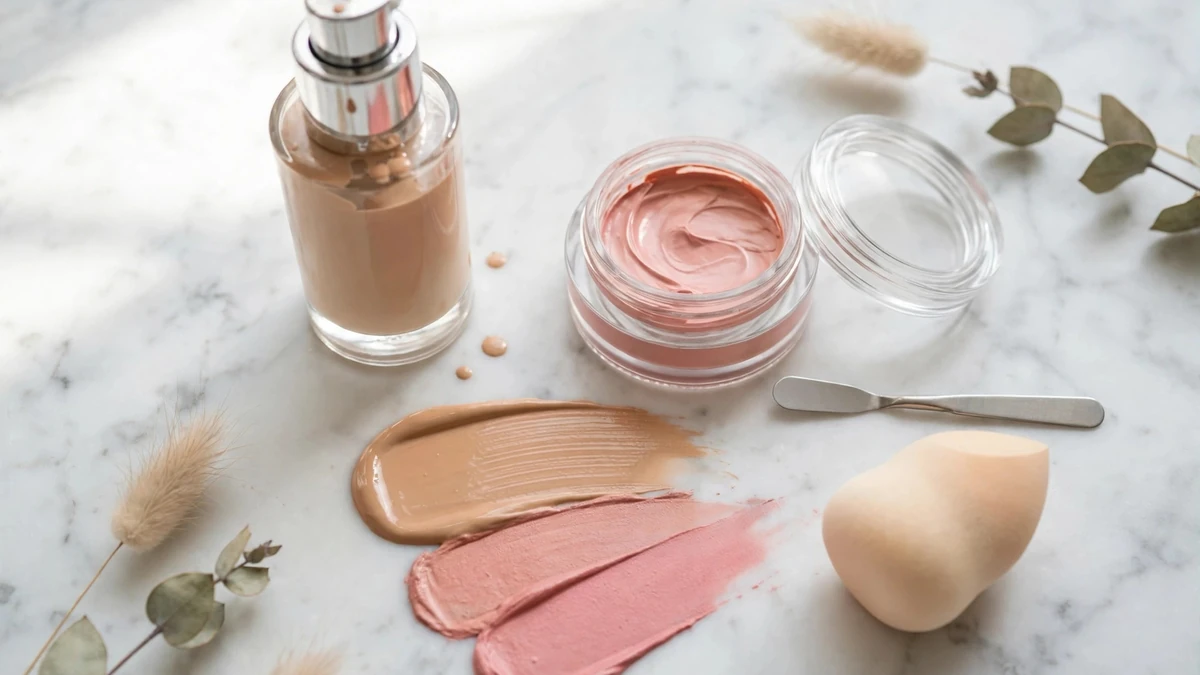
What we like: Two thin coats look like skin and last longer than one thick coat, which creases and settles into lines. What to consider: A second coat applied before the first has set will move the first coat around instead of adding coverage. Best for: Every skin type, and every level of coverage. Formula: Liquid or cream, applied with a damp sponge or a dense brush. Price range: Budget to luxury. Standout feature: Buildable coverage that stays flexible on the skin.
Start in the centre of the face, where most people need the most coverage, and blend outward. Use half a pump for the first coat, wait thirty seconds, then add a second thin coat only where you still need it.
6. Cream blush and bronzer before powder
What we like: Cream products melt into a fresh base and give a natural, skin-like glow that powder cannot match. What to consider: Cream over powder looks patchy and sits on the surface, so the order matters. Best for: Dry, normal and mature skin, and anyone who wants a dewy finish. Formula: Cream or liquid blush and bronzer, blended with fingers or a damp sponge. Price range: Budget to mid-range. Standout feature: A flush that looks like it comes from the skin, not from on top of it.
Apply cream blush to the apples of the cheeks and blend upward, and bronzer where the sun would hit. Blend with a damp sponge, keep the amount small, and add a second dab once the first has set.
7. Set with powder only where you need it
What we like: A light dusting of powder on the T-zone and under the eyes stops shine and keeps the base in place for hours. What to consider: Powder all over the face flattens the finish and can make dry skin look older. Best for: Oily and combination skin, and long days in warm weather. Formula: Loose translucent powder, applied with a fluffy brush or a puff. Price range: Budget to mid-range. Standout feature: Targeted setting that keeps the glow everywhere else.
Press powder into the skin rather than sweeping it, which disturbs the layers underneath. Focus on the forehead, nose and chin, and leave the cheeks unpowdered so the cream products keep their glow.
8. Build eyes and brows in layers too
What we like: Eyeshadow, liner and brow products applied in thin layers blend more smoothly and last longer than a single heavy application. What to consider: Cream eyeshadow under powder shadow can crease if the cream has not set, and heavy liner can drag the base around the eyes. Best for: Anyone who wants eye makeup that lasts through the day. Formula: Cream base, powder shadow, then liner, in that order. Price range: Budget to luxury. Standout feature: A soft, blended eye look that does not fade or crease by afternoon.
Start with a cream or primer base on the lid, let it set, then layer powder shadow on top. Fill brows with light, hair-like strokes and set them with a clear gel. For a strong eye look, do the eyes before the base, so fallout can be cleaned up without disturbing foundation.
9. Lips last, then setting spray
What we like: Doing lips last means the colour is fresh and the rest of the face is already finished, so nothing smudges it. What to consider: Setting spray applied too close, or too heavily, can leave droplets on the skin and disturb powder. Best for: Long days, events, and warm weather. Formula: Lip liner, lipstick or gloss, then a fine-mist setting spray. Price range: Budget to mid-range. Standout feature: A finished look that holds together for hours.
Line and fill the lips, blot once, and apply a second thin coat if you want more colour. Then hold the setting spray at arm’s length, mist in an X shape across the face, and let it dry without touching your face.
Which layering order is right for your skin type
Dry skin needs the lightest powder step and the richest skincare step. Use a hydrating primer, a dewy or satin foundation, and cream blush and bronzer, and set powder only on the T-zone, if at all. The goal is to keep the glow, because heavy powder makes dry skin look dull and tired by afternoon.
Oily skin needs the opposite balance. Use a mattifying primer on the T-zone, a long-wear foundation in thin layers, and more setting powder, pressed in rather than swept on. Blotting paper during the day is better than adding more powder, which can build up and look cakey. A guide to doing makeup without primer is worth reading here, because it shows which steps can be skipped when your skin is already balanced.
Mature skin benefits most from thin layers and cream textures. Heavy powder settles into fine lines, and thick foundation emphasises texture rather than hiding it. Use a hydrating base, cream blush, and a light hand with powder. The most flattering base looks like skin, not like a mask.
The caveats that matter
Layering cannot fix a formula that does not suit your skin. A foundation that oxidises, a sunscreen that pills, or a primer that makes your base separate will still do those things in a careful order, just more slowly. If a product consistently causes problems, change the product, not the order. A five-step base that is well set will last longer and look better than a nine-step base that is rushed.
| Detail | What is known |
|---|---|
| Correct order | Skincare, primer, corrector, foundation, cream products, powder, eyes and lips, setting spray |
| How much to use | Half of what you think you need per layer, then build up only where needed |
| How long to wait | One to two minutes after skincare, thirty seconds between foundation coats |
| Cream versus powder | Cream products always go before powder, never after |
| Best tool for blending | A damp sponge sheers out layers; a dense brush adds coverage where needed |
| Who should use less powder | Dry and mature skin; set only the T-zone and leave the cheeks unpowdered |
| What causes pilling | Formula clashes, usually water-based and silicone-based products mixed together |
| What layering cannot fix | A formula that does not suit your skin, or a product that oxidises or separates |
Patch-test new products before a big day, especially if you have sensitive skin or are trying a new primer or foundation. Apply a new product to your jawline for two or three days before using it on your whole face.
Checklist: layering makeup honestly
Use these checks before you start, and again when your base is finished.
- Start with clean, moisturised skin, and wait two minutes before primer.
- Use primer only where it is needed, a pea-sized amount, pressed in and left to set.
- Apply foundation in two thin coats, not one thick one, starting in the centre of the face.
- Put cream blush and bronzer on before any powder, and blend with a damp sponge.
- Set powder only on the T-zone and under the eyes, and press it in rather than sweeping it.
- Finish with lips and a fine mist of setting spray, held at arm’s length, and let it dry untouched.
Frequently asked questions
What order should I apply makeup in?
Skincare first, then primer, then colour corrector and concealer, then foundation, then cream blush and bronzer, then powder, then eyes and brows, then lips, and finally setting spray. Cream products always go before powder.
How long should I wait between makeup layers?
One to two minutes after skincare and sunscreen, and about thirty seconds between coats of foundation. A minute after primer helps it set.
Why does my makeup pill?
Usually a formula clash, most often water-based and silicone-based products layered together, or a layer applied before the one underneath had set. Try matching your primer and foundation bases, and wait longer between steps.
Should I use primer every day?
Not necessarily. Primer helps on long days, in warm weather, or when you have visible pores or shine. On a short day with balanced skin, a good moisturiser and a thin foundation layer are often enough. A setting spray can also do much of the work of keeping a base in place without an extra layer underneath.
Can I skip powder if my skin is dry?
Yes. Dry skin often looks better with no powder at all, or with powder only on the T-zone. Cream products and a setting spray can hold a base in place without flattening the finish that dry skin needs.
How do I make my makeup last all day?
Thin layers, a minute between steps, powder pressed into the T-zone, and a setting spray at the end. Blot shine during the day rather than adding more powder, which builds up and looks heavy by evening.
The bottom line
The best way to layer makeup in 2027 is not the longest routine. It is the thinnest one that does the job: skincare, a little primer where it is needed, colour correction before foundation, two thin coats of base, cream products before powder, powder only where shine appears, and a setting spray to finish. Each layer should be half of what you think you need, with a short pause between steps.
Judge the result at the end of the day, not in the first five minutes. A base that still looks like skin at six in the evening was layered well. If it has faded, creased or gone patchy, change one thing at a time, the amount, the wait, or a single formula, until the layers work together.