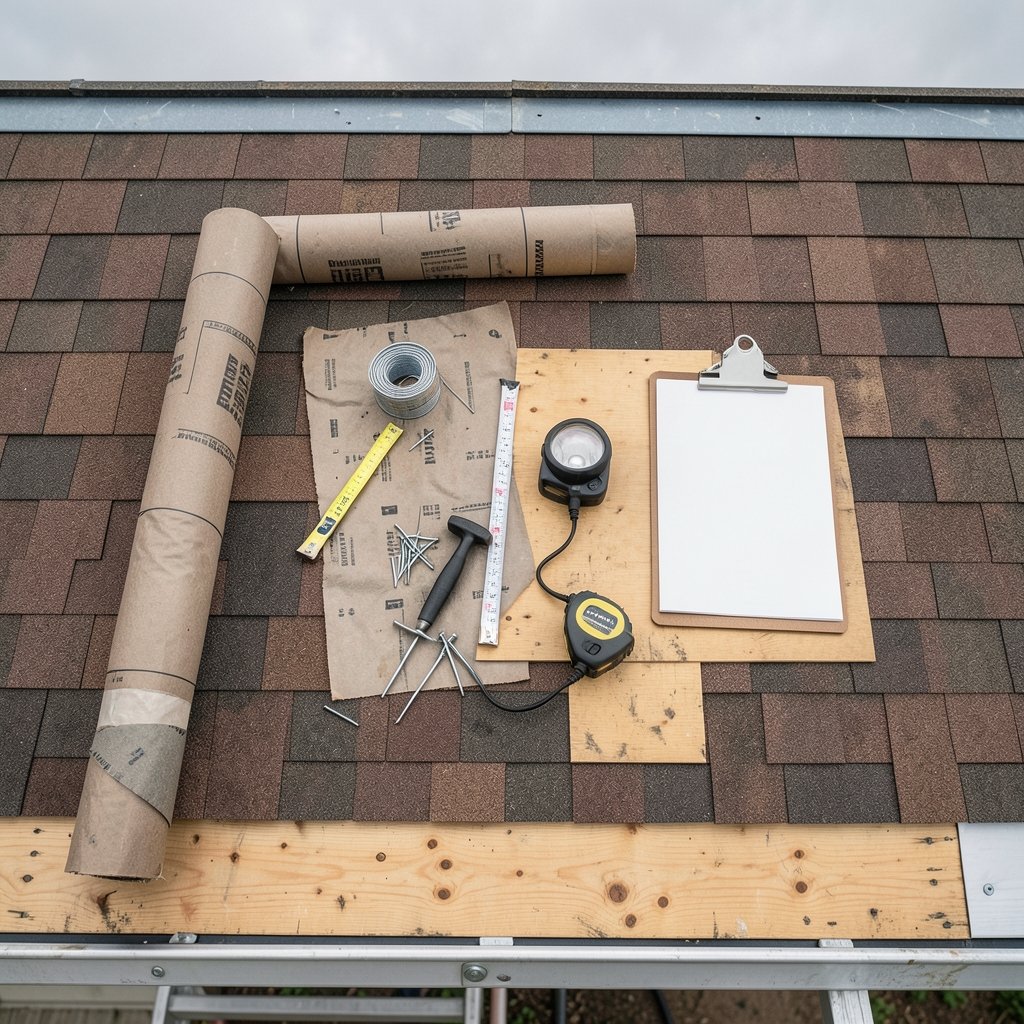
What comes to mind when someone says “roofing cop”? A police officer on a rooftop? A cartoon character? A brand name? The phrase sounds like a joke, but it actually points to something very real in the construction world: the informal name for the person or program that polices roofing work. Sometimes that means a municipal inspector. Sometimes it means a consumer-protection official. Sometimes it means a contractor’s own quality-control lead who catches mistakes before a client ever sees them. The term is slang, not an official job title, which is exactly why it causes so much confusion. This article breaks down the most common meanings, explains what these “cops” actually do, and shows homeowners and tradespeople how to work with them instead of against them.
Where the Nickname Comes From
The word “cop” in English has meant “to catch or seize” for centuries, long before it referred to police officers. Trades love shorthand like this. Plumbers talk about “cowboys,” electricians warn about “sparkies,” and roofers have their own vocabulary for the people who check their work. “Roofing cop” grew out of that habit.
In practice, the nickname shows up in three places:
- Job sites, where crews grumble about the inspector who keeps failing their decking or flashing.
- Online forums and social media, where homeowners ask whether a “roofing cop” is a real authority or a marketing gimmick.
- Local news and consumer segments, where reporters sometimes use the phrase for a government official who cracks down on unlicensed contractors.
There is no national licensing body that calls anyone a “roofing cop.” Anyone using the title is borrowing it. That matters, because a real inspector carries legal authority and a marketing “cop” does not.
Meaning One: The Municipal Code Inspector
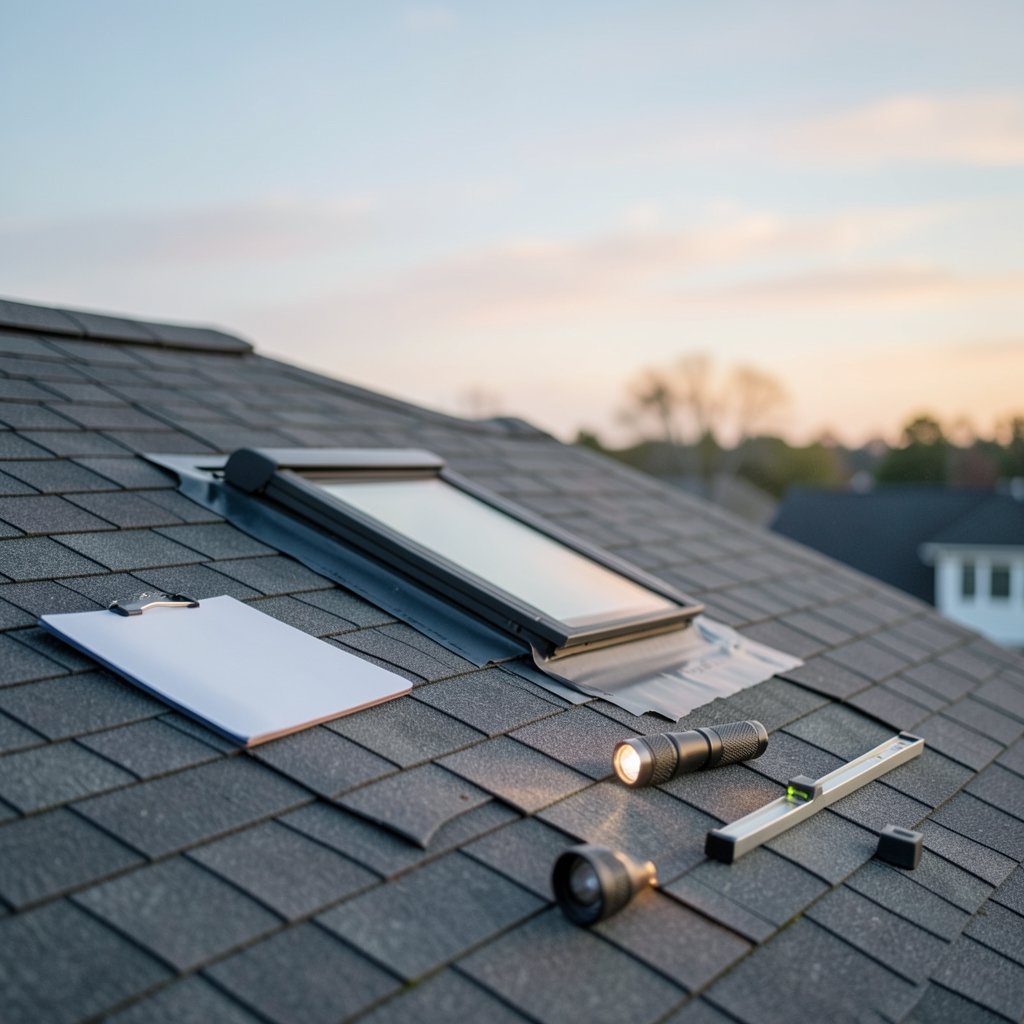
The most common real-world meaning is the building inspector who reviews roofing permits. In most jurisdictions, replacing a roof above a certain size requires a permit, and that permit triggers at least one inspection. The inspector checks things like:
- Whether the underlayment and decking meet the local code
- Whether flashing around chimneys, skylights, and valleys is installed correctly
- Whether ventilation is adequate for the roof assembly
- Whether the finished work matches what the permit described
This is where the nickname stings. A failed inspection can halt a project, cost a contractor a return trip, and delay final payment. Crews sometimes feel the inspector is looking for reasons to fail them. In reality, most inspectors work from a checklist tied to a published code, and they see dozens of roofs a week, which makes sloppy work obvious fast.
For homeowners, the practical takeaway is simple: ask your contractor who pulls the permit and who meets the inspector. If a roofer suggests skipping the permit to “save time,” that is a red flag, not a shortcut.
Meaning Two: The Consumer Protection Official
A second meaning shows up in local government. Some cities and states run consumer protection units that target home improvement fraud. These offices investigate contractors who take deposits and vanish, work without licenses, or pressure elderly homeowners into unnecessary repairs. Journalists and frustrated homeowners sometimes call the people running these units “roofing cops.”
These officials usually cannot inspect your roof. What they can do is:
- Verify whether a contractor holds a valid license
- Track complaints and patterns of bad behavior
- Refer cases for prosecution when fraud is clear
- Publish warnings and lists of revoked licenses
The distinction matters. A code inspector cares about whether the roof is built correctly. A consumer protection official cares about whether you were treated fairly. Both are useful, and neither replaces the other.
Meaning Three: The In-House Quality Lead
Inside larger roofing companies, “roofing cop” is sometimes an internal nickname for the quality control manager. This person inspects crews before the client walkthrough. They check nail patterns, sealant lines, and cleanup. They are the last line of defense before a warranty gets issued.
This role has grown as roofing has become more standardized. Manufacturers publish detailed installation instructions, and a warranty can be voided if those instructions are not followed. A quality lead who knows the manufacturer’s requirements can save a company thousands in callbacks. Crews may not love the scrutiny, but the good ones respect it, because a caught mistake on the ground is cheaper than a leak six months later.
What These “Cops” Actually Check
Whether the badge is municipal or internal, the inspection checklist overlaps a lot. Here is a side-by-side comparison of what each type of roofing cop focuses on.
| Checkpoint | Municipal Inspector | Consumer Protection Official | In-House Quality Lead |
|---|---|---|---|
| Permit and licensing | Yes | Yes | Sometimes |
| Decking and underlayment | Yes | No | Yes |
| Flashing and valleys | Yes | No | Yes |
| Ventilation | Yes | No | Yes |
| Contract terms and deposits | No | Yes | No |
| Complaint history | No | Yes | No |
| Manufacturer warranty compliance | Rarely | No | Yes |
| Final cleanup and site safety | Sometimes | No | Yes |
The table makes the division of labor clear. No single person covers everything, which is why a well-run project involves more than one set of eyes.
Why the Nickname Annoys Contractors
Ask a roofer about the “roofing cop” and you will often get an eye roll. The frustration is not usually about being held to a standard. It is about inconsistency. Two inspectors in the same city can read the same code differently. One wants extra ice barrier; another does not care. A crew that works across several towns has to memorize local quirks that are not written down anywhere.
There is also a timing problem. Inspections often happen after the shingles are on, which means a failed check requires tearing off finished work. Contractors who have been through this learn to schedule inspections at rough-in stages and to photograph everything before it gets covered.
The practical lesson for anyone hiring a roofer: ask how they handle inspections. A confident answer mentions scheduling, documentation, and who attends the inspection. A vague answer is worth probing.
How Homeowners Should Deal With a Roofing Cop
Homeowners have more power in this relationship than they often realize. A few habits make the whole process smoother.
- Get the permit yourself or confirm who pulls it. The permit record is public, and it protects you if the contractor disappears.
- Ask for the inspection date in writing. Do not let the crew schedule it “whenever.”
- Be present for the final walkthrough. Walk the perimeter, look at the attic, and ask about flashing details.
- Keep the inspection report. It is useful evidence if you sell the house or file a warranty claim.
- Verify the license through the official state or local database, not through a badge on a truck.
That last point deserves emphasis. Anyone can print “licensed and insured” on a vehicle. Only a government database or a consumer protection office can confirm it. If a company calls itself a “roofing cop” as a marketing slogan, treat that as branding, not authority.
Common Mistakes People Make
A few errors come up again and again when people first encounter the phrase.
Mistake one: assuming every “roofing cop” has legal power. A quality inspector employed by a roofing company has no authority over your property. A code inspector does. Know which one you are talking to.
Mistake two: treating the inspector as the enemy. Inspectors are usually overworked and understaffed. A contractor who greets them with documentation and a clean site tends to get smoother results than one who argues.
Mistake three: skipping inspections to save money. The permit fee is small compared with the cost of redoing a roof. Unpermitted work can also complicate a home sale, because buyers and lenders ask for records.
Mistake four: confusing a home inspection with a roofing inspection. A general home inspector looks at the roof from a distance or from the attic. A dedicated roofing inspection, especially after a storm, goes further. Homeowners with textured or fragile hair should not be the only ones thinking about texture and surface condition, by the way. Roof surfaces have a texture story too, and the way 4c hair and 2b hair behave under different conditions is a useful reminder that surface type changes how you inspect and maintain it. The same logic applies to shingles, tile, and metal panels.
When the “Cop” Is a Scam
The nickname has a dark side. Some fraudulent contractors pose as inspectors. The pattern looks like this: someone shows up unannounced after a storm, claims to be “with the city” or “doing roof inspections in the area,” and offers a free assessment. The assessment always finds damage. The repair quote follows quickly, often with pressure to sign on the spot.
Real inspectors do not solicit work. They do not offer to fix what they find. They do not ask for a deposit. If someone knocks on your door claiming authority and offering a deal, ask for identification and a phone number for the department, then call it yourself.
This is where the consumer protection meaning of “roofing cop” earns its keep. Reporting these encounters to a local consumer office or licensing board helps build the pattern that leads to enforcement.
The Row Between Inspectors and Contractors
The tension is not new. Building codes have existed for over a century, and every generation of tradespeople has complained about the people enforcing them. What has changed is the volume of documentation. Modern roofing relies on manufacturer specifications, wind ratings, and warranty terms that did not exist decades ago. An inspector who ignores those documents can create liability for everyone.
The best contractors treat the inspection as a free second opinion. The best inspectors explain what they are looking for and why. When both sides do that, the “cop” nickname loses its sting and becomes a joke rather than an insult. The dynamic is a bit like the row that breaks out between two people who actually agree on the goal but argue about the method. Once the goal is clear, the argument gets shorter.
Conclusion
“Roofing cop” is slang with three real meanings: the municipal code inspector, the consumer protection official, and the in-house quality lead. None of them carries a badge in the way television suggests, and none of them replaces your own diligence. The homeowners who get the best outcomes are the ones who pull permits, verify licenses through official channels, show up for walkthroughs, and keep records. The contractors who get the best outcomes are the ones who treat inspections as quality control rather than persecution. The nickname will probably stick, because trades love a bit of gallows humor. But behind the joke is a simple truth: roofs are expensive, mistakes are costly, and someone has to check the work. Understanding who that someone is, and what they can and cannot do, is the difference between a smooth project and a frustrating one.
What does “roofing cop” mean?
It is informal slang, not an official title. It usually refers to a building inspector who reviews roofing permits, a consumer protection official who investigates contractor fraud, or an internal quality control manager at a roofing company. The context of the conversation tells you which one is meant.
Is a roofing cop a real authority?
Only if the person works for a government agency. A municipal code inspector has legal authority over permitted work. A quality lead employed by a roofing company does not. Anyone using the title as a marketing slogan has no authority at all, so always verify credentials through an official database.
Can a roofing inspector fail my project?
Yes. If the work does not match the permitted scope or the local code, the inspector can fail it and require corrections before the project is signed off. That is why scheduling inspections at the right stages and documenting the work matters so much.
How do I check if a roofer is licensed?
Use the official state or local licensing database, or call the consumer protection office that handles home improvement contractors. Do not rely on a logo on a truck, a badge, or a verbal claim. License numbers can usually be looked up in minutes.
What should I do if someone claims to be a roofing inspector at my door?
Ask for identification and the name of the department, then call that department yourself using a number you look up independently. Real inspectors do not solicit work, do not offer repairs, and do not ask for deposits. Report the encounter to your local consumer protection office.
Do I need a permit to replace my roof?
It depends on your jurisdiction and the size of the job. Many places require a permit for full replacements and major structural work, while minor repairs may be exempt. Check with your local building department before work begins, because unpermitted work can complicate insurance claims and home sales.