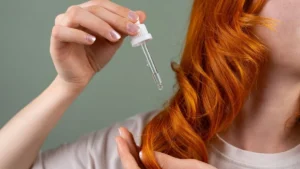
Scalp oiling is the practice of massaging a small amount of oil into the scalp, leaving it on for a set time, then washing it out. It is one of the oldest hair-care rituals in the world, rooted in Ayurvedic tradition, where warm oil and slow massage were part of daily care. In 2027 it has returned as a slow, deliberate ritual.
At its simplest, scalp oiling is about the skin on your head, not the hair itself. The scalp is living skin that can become dry, tight, flaky or irritated. When it is dry, the hair growing from it looks dull and breaks more easily. A little oil, applied gently and washed out properly, can soften it.
This guide explains what scalp oiling is, how it works, which oils people use, how to do it, and who should be careful. It is an explainer, not a shopping list: no ranked products, only the principles that help you decide whether it suits you.
Key takeaways
- Scalp oiling means massaging oil into the scalp itself, not just the lengths of the hair.
- It works by softening dry scalp skin, reducing breakage, and protecting the hair shaft from washing damage.
- Most people do it once or twice a week, leaving the oil on for 30 to 60 minutes before shampooing it out.
- Light oils suit fine hair and oily scalps; richer oils suit dry, thick or curly hair.
- If you have dandruff, an itchy scalp or a skin condition, keep oil off the scalp or speak to a dermatologist first.
What Is Scalp Oiling?
Scalp oiling is a pre-wash treatment. You apply a small amount of oil to the scalp, massage it in, leave it on for a while, then shampoo it out. The oil is not meant to stay in your hair all day, and it is not a styling product. Think of it as a face mask for your scalp: a temporary treatment rinsed away once it has done its work.
The tradition is Ayurvedic, where the practice is known as shiro abhyanga, or head massage with oil. Oiling was done regularly, often with warm oil, as part of caring for the whole body. The modern version keeps the same idea — oil, massage, time, wash.
Be clear about what it is not: it is not a cure for hair loss, and it will not make hair grow faster than your body naturally allows. No surface oil can change your genetics. What it can do is create better conditions for the hair you already have: a calmer scalp, less breakage and softer lengths.
How Does Scalp Oiling Work?
Oil works in three quiet ways. First, it softens the scalp. Dry scalp skin can feel tight and look flaky, and oil replaces some lipids that washing, weather and styling strip away. Massage also loosens flakes, so they wash away instead of clinging to the scalp.
Second, oil protects the hair shaft. Hair swells when wet and shrinks as it dries, weakening strands over time. A thin film of oil, especially coconut oil, which has been studied for this, can reduce water absorption and protein loss during washing. Third, the massage matters as much as the oil: gentle circles increase blood flow and spread the oil evenly.
Scalp Oiling vs Hair Oiling
The two terms are often used as if they mean the same thing, but they describe different habits. Scalp oiling targets the skin of the scalp; hair oiling targets the lengths and ends. Many people do both in one session, but the distinction matters, because scalp and lengths have different needs.
If your scalp is oily and your ends are dry, oiling the scalp will only make the roots greasier — apply oil from the mid-lengths down instead. If your scalp is dry but your hair is fine, a very small amount on the scalp, washed out well, can help without weighing the hair down.
For more on how oils fit into a wider routine, see our guide to the best hair oils for shine, frizz and healthy hair.
Which Oils Are Used for Scalp Oiling?
There is no single correct oil. The right choice depends on your hair texture, your scalp, and how your hair reacts to weight. Light oils spread easily and wash out cleanly; rich oils can leave fine hair flat.
Coconut oil is the most researched, and it suits dry, thick or damaged hair because it penetrates the hair shaft readily. Jojoba is light and resembles the scalp’s own sebum, making it a sensible choice for fine hair and oily scalps. Argan suits most hair types, while sweet almond is gentle and easy to spread. Olive and castor oils are heavier, suiting coarse or very dry hair in small amounts, often blended with a lighter oil.
Essential oils such as rosemary or tea tree must always be diluted in a carrier oil first — a few drops per teaspoon is the usual guidance — and never applied undiluted. Patch test any new oil for 24 hours first.
How to Do Scalp Oiling, Step by Step
Start with dry, detangled hair: brushing gently first stops tangles tightening while you massage. Warm one to two teaspoons of oil between your palms until lukewarm — test it on your wrist first.
Part your hair in sections and apply a little oil to each exposed line of scalp, rather than pouring it in one spot. Then massage with the pads of your fingers in small circles for three to five minutes, covering the crown, sides and back of the head. Smooth any oil left on your hands over the mid-lengths and ends.
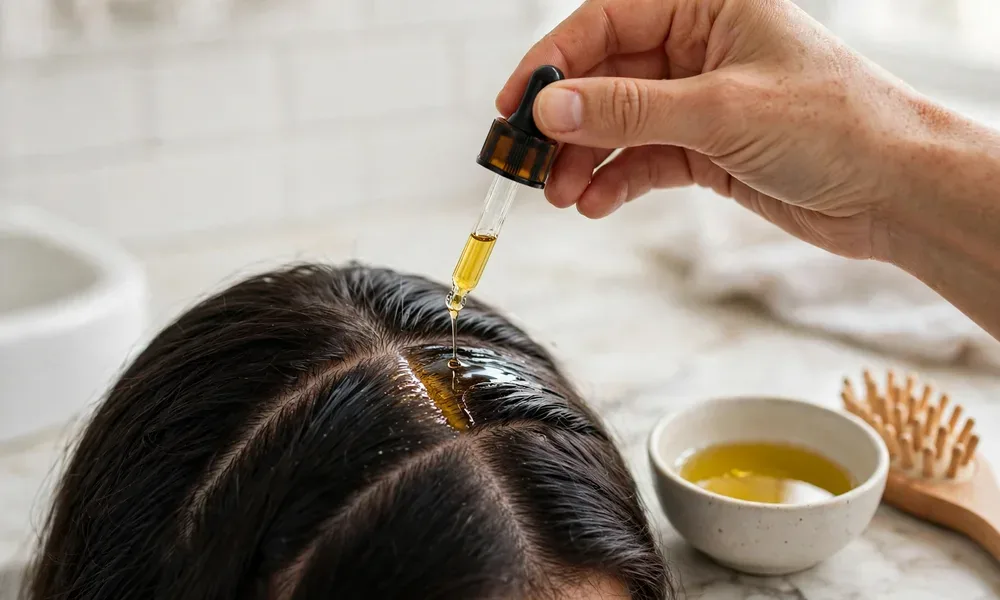
Cover your hair with a shower cap or warm towel and relax. Thirty to sixty minutes suits most people. Very dry scalps sometimes suit longer, even overnight, but a shorter time is safer if your scalp is oily or prone to flaking. Then shampoo twice, rinse thoroughly and condition the lengths.
How Often Should You Oil Your Scalp?
For most people, once or twice a week is the right starting point. Dry, coarse or curly hair often benefits from twice a week; fine or straight hair is happier with once a week or less. An oily scalp may only need oiling every ten days to two weeks, on the lengths only. There is no studied ideal frequency, so start low and watch your scalp over three to four weeks.
Ten minutes softens the scalp a little; thirty to sixty minutes gives the oil time to work without much buildup risk. Overnight oiling is traditional, but not necessary, and can clog follicles if done too often. If your scalp feels itchy, greasy or flaky a day or two after oiling, you are oiling too often, leaving it on too long, or using too much.
Washing the oil out properly is part of the routine. Our guide on how to wash your hair properly covers the double-shampoo technique that removes oil without stripping hair.
Who Does Scalp Oiling Suit — and Who Should Be Careful?
Scalp oiling suits dry, tight or flaky scalps best, and thick, curly, coily or chemically treated hair that loses moisture easily. It also suits anyone who enjoys a slow self-care ritual. People with very dry ends often notice the biggest difference, because the oil smooths the cuticle and eases detangling.
It suits oily and dandruff-prone scalps far less well. The yeast on every scalp feeds on oil, and adding more to a flaky, itchy scalp can make dandruff worse. If you have seborrhoeic dermatitis, scalp psoriasis or eczema, keep oil off the scalp and speak to a dermatologist first. The same applies to significant hair loss: oiling will not treat the cause.
| Scalp or hair type | Oil weight to try | Where to apply | How often |
|---|---|---|---|
| Dry scalp, thick hair | Rich: coconut or olive | Scalp and lengths | Twice a week |
| Dry scalp, fine hair | Light: jojoba or argan | Scalp, small amount | Once a week |
| Curly or coily hair | Rich: coconut or castor blend | Scalp and lengths | Twice a week |
| Colour-treated hair | Light: argan or jojoba | Mid-lengths to ends | Once a week |
| Oily scalp, dry ends | Light: jojoba or argan | Ends only | Once a week |
| Balanced scalp | Light to medium | Scalp and lengths | Once a week |
| Dandruff or flaky scalp | None on the scalp | Ends only, if at all | See a dermatologist |
| Sensitive or reactive skin | Plain carrier oil only | Patch test first | Once a week at most |
Common Mistakes to Avoid
The most common mistake is using too much oil. A scalp treatment needs one to two teaspoons, not a palmful — more oil means harder washing and greasy roots, not more benefit. The second mistake is scratching with nails during the massage, which can irritate the scalp.
Other mistakes are easy to fix. Skipping the patch test can turn a relaxing ritual into an itchy one. Leaving oil on overnight every night can clog follicles. Undiluted essential oils can cause redness. And a single quick shampoo often leaves a film behind, so the hair looks limp the next day. Finally, expect slow results: hair grows in cycles measured in weeks and months.
Your First Scalp Oiling Session: A Checklist
- Pick one plain carrier oil and patch test it 24 hours before your first full session.
- Detangle dry hair first, then warm one to two teaspoons of oil until lukewarm.
- Part the hair in sections and apply a little oil to each part of the scalp.
- Massage for three to five minutes with the pads of your fingers in small circles.
- Leave it on for 30 to 60 minutes, then shampoo twice and rinse thoroughly.
- Note how your scalp feels over the next two days, and repeat weekly before changing anything.
If your hair feels dry between sessions, a hydrating mask on the lengths can help without adding oil to the scalp. See our round-up of the best hydrating hair masks if the ends need care.
Frequently Asked Questions
Is scalp oiling good for hair growth?
No strong evidence shows scalp oiling makes hair grow faster. Massage may increase blood flow in the moment, and oil can reduce breakage, but growth speed is set by genetics, health and the hair growth cycle. Think of it as scalp care, not a growth treatment.
How long should I leave oil on my scalp?
Thirty to sixty minutes suits most people. Ten minutes softens the scalp a little; an hour suits very dry hair. Overnight oiling is traditional, but not necessary, and carries more risk of buildup.
Can I oil my scalp every day?
Most scalps do not need daily oiling: it can cause buildup, greasiness and flaking. Once or twice a week is the usual start. Very dry, thick or curly hair may suit more frequent sessions; fine or oily hair is happier with less.
Should I oil my scalp before or after washing my hair?
Before washing. It is a pre-wash treatment: apply the oil, leave it on, then shampoo it out. Oiling clean hair and leaving it in will make the roots look greasy.
What is the best oil for scalp oiling?
There is no single best oil. Coconut suits dry, thick or damaged hair; jojoba and argan suit fine hair and oily scalps; olive and castor suit coarse or very dry hair in small amounts. The best oil is the one your scalp tolerates and that washes out cleanly.
Can scalp oiling make dandruff worse?
Yes. The yeast linked to dandruff feeds on oils, so adding oil to a flaky, itchy scalp can worsen it. If you have dandruff, keep oil off the scalp and use a medicated shampoo as advised by a dermatologist.
The bottom line
Scalp oiling is a simple, old ritual with a modest promise: a calmer scalp, softer hair and less breakage, from a little oil, a gentle massage and a thorough wash. It will not change how fast your hair grows, but for dry scalps and dry, thick or curly hair, it can make wash day easier.
Keep it light, keep it regular and keep listening to your scalp. Start once a week, use one to two teaspoons of a plain carrier oil, leave it on for thirty to sixty minutes, and wash it out properly. If your scalp feels comfortable after a few weeks, keep the ritual. If it feels itchy, greasy or flaky, cut back.
Note: This article is general information, not medical advice. If you have a scalp condition, significant hair loss, or a skin allergy, speak to a dermatologist or trichologist before starting scalp oiling.