


What do you get when a three-row family SUV reaches the end of its design cycle without losing its edge? For the 2024 Ford Explorer, the answer is a familiar package that still does the heavy lifting: room for six or seven, a rear-wheel-drive-based chassis, and an engine lineup that ranges from sensible to seriously quick.
The 2024 Explorer is the final model year before Ford’s mid-cycle refresh, which arrived for 2025 with a redesigned interior and updated tech. That timing matters for buyers. It means the 2024 sits in a sweet spot where the platform is proven, dealer inventory is often negotiable, and the biggest changes are already visible on the horizon.
This guide walks through what the 2024 Explorer actually is, how its trims differ, what to check before buying, and where the practical ownership pitfalls hide. No hype, no filler, just the details that decide whether this SUV fits your driveway.
Where the 2024 Explorer Sits in the Lineup
The 2024 Explorer belongs to the sixth generation of Ford’s long-running SUV nameplate, which debuted for the 2020 model year. It rides on the CD6 platform, a unibody architecture that underpins rear-wheel-drive models with all-wheel drive offered across the range. That layout is unusual in the three-row family segment, where most rivals default to front-wheel-drive foundations.
US-market 2024 Explorers were assembled at Ford’s Chicago Assembly Plant. The rear-drive bias shapes how the vehicle feels: weight shifts rearward under acceleration, and the steering has a heft that front-drive crossovers often lack. For families who mostly shuttle kids and groceries, that distinction is subtle. For anyone who tows or drives in snow, it is worth understanding.
The lineup for 2024 reportedly included Base, XLT, Limited, Timberline, ST, and Platinum trims, plus the Explorer Hybrid. Trim availability can shift by model year and region, so it pays to confirm what your local dealer actually stocks rather than assuming every trim is on the lot.
Engine Options and What They Mean in Practice
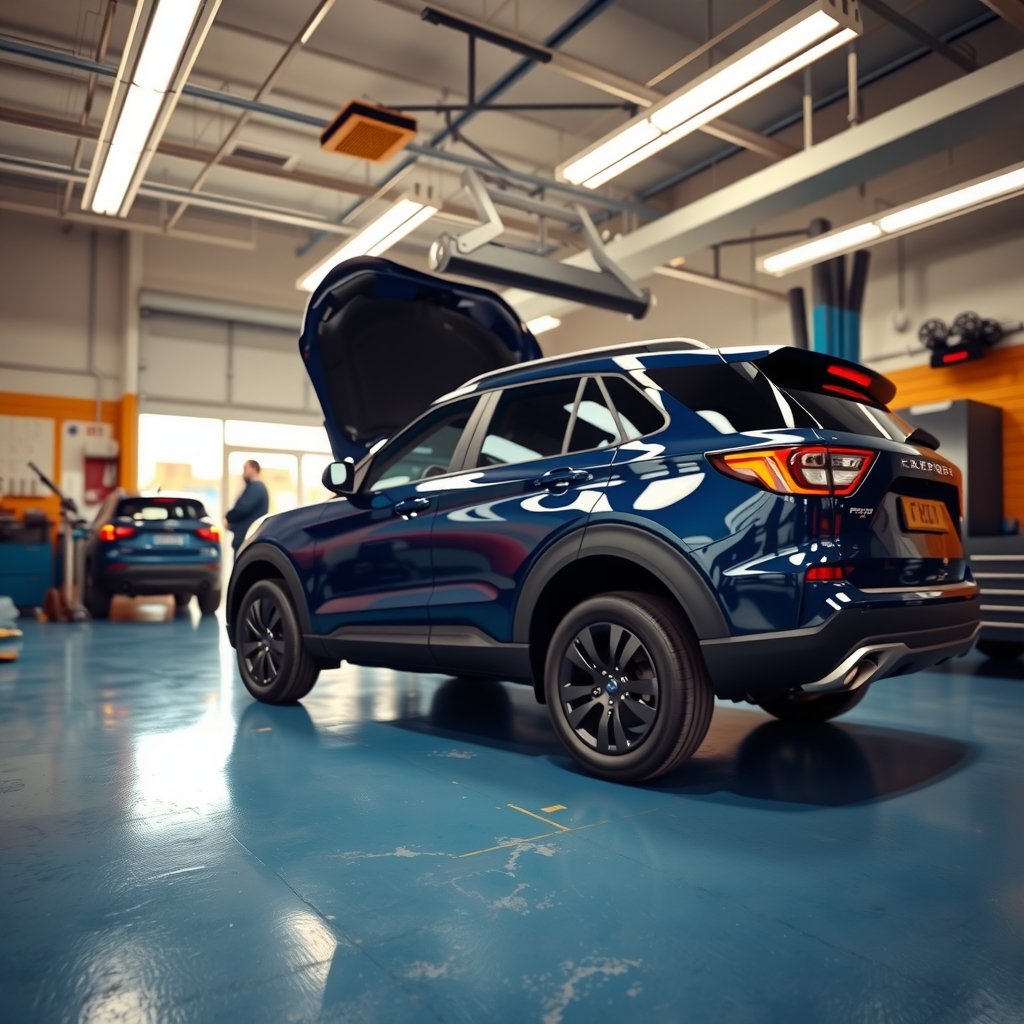
Three powertrain families defined the 2024 Explorer, and each serves a different buyer.
| Engine | Typical Application | Character |
|---|---|---|
| 2.3L turbo four-cylinder | Base and mid-level trims | Balanced everyday power with better fuel economy |
| 3.0L twin-turbo V6 | ST | Performance-focused, noticeably quicker |
| 3.3L V6 hybrid | Explorer Hybrid | Smooth low-speed operation, efficiency priority |
Exact horsepower and torque figures varied by trim and should be confirmed against Ford’s official 2024 specifications, since outputs and availability can change mid-year. The practical takeaway is simpler than a spec sheet: the 2.3L handles daily duty without strain, the ST’s twin-turbo V6 is the enthusiast pick, and the hybrid suits high-mileage drivers who spend a lot of time in stop-and-go traffic.
One common mistake buyers make is test-driving only the volume trim. The 2.3L and the ST feel like different vehicles. If towing or highway passing matters to you, drive the engine you intend to buy, not the one the dealer has staged by the entrance.
Trim-by-Trim: Which One Actually Fits Your Life
Trim selection is where most Explorer shoppers either get a great value or overspend. Here is how the ladder generally breaks down.
Base and XLT cover the essentials. You get the core safety suite and the roomy cabin, but you may give up larger wheels, upgraded upholstery, and premium audio. For budget-conscious families, the XLT is usually the smarter floor because it adds enough convenience content to avoid feeling stripped.
Limited is the comfort tier. Expect more technology, better materials, and the features most people actually notice day to day. If you want a family SUV that feels finished rather than fleet-spec, this is the natural landing spot.
Timberline is the off-road-oriented variant, introduced for 2021 and carried into 2024. It brings a raised ride height, all-terrain tires, and a limited-slip rear differential. Honest assessment: most Timberline buyers never leave pavement, but the added ground clearance and tougher tires genuinely help on gravel roads, trailheads, and rough winters.
ST is the performance trim with the twin-turbo V6. It is quick, and it is also the trim most likely to have been driven hard by a previous owner if you are shopping used.
Platinum sits at the top of the mainstream range with the most standard content. It is the trim where depreciation does the most work in your favor on the used market.
The pattern worth remembering: mid-level trims usually deliver the best ratio of content to cost, while top trims are better bought used than new.
The 2025 Refresh and Why It Matters to 2024 Buyers
Ford refreshed the Explorer for 2025, bringing a redesigned interior and updated technology. That single fact reshapes the buying decision for the 2024 model.
If you want the newest cabin design and the latest infotainment hardware, the 2025 is the obvious choice. If you care more about value, the 2024 becomes the better value precisely because it is the outgoing design. Dealers holding pre-refresh inventory face pressure to move it, and the used market prices the 2024 below the refreshed model almost immediately.
There is a trade-off, though. Buying the last year of a generation means living with older interior materials and interface design for as long as you own the vehicle. That is a real cost if you keep cars for a decade. It is a minor one if you lease or trade every few years.
The same logic applies to accessories and gear you might pair with the SUV. Families often budget for cargo boxes, roof rails, and cabin organizers right after purchase, and it helps to shop for affordable luxury luggage and travel gear that fits the Explorer’s cargo dimensions rather than guessing at the dealership.
Safety Ratings and Recalls: What You Must Verify Yourself
Here is the part where honesty matters more than reassurance. Safety ratings and recall status are date-sensitive, and they can change by model year and by individual test. No article can substitute for checking the current data on your specific vehicle.
Two checks belong on every buyer’s list before signing:
- Look up the 2024 Explorer’s crash-test ratings with the Insurance Institute for Highway Safety, which publishes results by vehicle and model year.
- Run the vehicle identification number through the National Highway Traffic Safety Administration’s recall lookup to see open recalls and whether remedies have been performed.
For a used 2024, the recall check is not optional. A car can carry an open safety recall that the previous owner never addressed, and dealers are not always proactive about disclosing it. The lookup takes two minutes and it is free.
NHTSA’s five-star ratings program is the other official reference point. Ratings are assigned per test and per configuration, so a top overall score does not automatically mean every variant performed identically. If you are comparing the Explorer against a rival, compare the specific trim and drivetrain, not the nameplate in general.
Practical Ownership: What Actually Works and What Doesn’t
Owners and shoppers tend to repeat the same lessons with this SUV. These are the ones that hold up.
Do test the third row with real people. The Explorer’s third row is usable, but it is not generous. Adults will tolerate short trips; kids will be fine. Bring the actual family members who will sit there before you commit.
Do check the cargo math with seats up. Three-row SUVs lose most of their cargo space when all rows are occupied. Measure the space you need for strollers, sports gear, or a week of groceries with the third row in place, not folded.
Don’t assume all-wheel drive is standard. It is available across the range, not universal. If you live where winters bite, confirm the specific vehicle has it.
Don’t skip the pre-purchase inspection on used examples. The ST in particular attracts enthusiastic drivers. A mechanic’s inspection is cheap insurance against buying someone else’s track-day habit.
Do factor in tire replacement. The Timberline’s all-terrain tires cost more to replace and can be noisier on the highway. That is a fair trade for capability, but it should be a conscious one.
There is also a broader budgeting point that applies to any three-row SUV purchase. Buyers who stretch for a top trim often find themselves cutting corners on the gear that makes the vehicle useful, from cargo organization to travel equipment. That is where shopping smart on affordable luxury accessories pays off, and where a little planning on affordable home decor for the garage and entryway keeps the whole household running smoother.
How the 2024 Explorer Compares to Its Own Siblings
One of the more confusing parts of shopping this segment is that Ford sells multiple three-row utilities, and the Explorer’s rear-drive CD6 foundation is what separates it from the front-drive-biased options in the showroom.
That architecture is the reason the Explorer can tow and handle with more composure than its footprint suggests. It is also why the vehicle weighs more than some rivals and why fuel economy is not its strongest card. Buyers who prioritize maximum cargo volume per dollar may find other options more efficient. Buyers who want a family SUV that feels substantial and drives like a rear-drive vehicle will find the Explorer’s character hard to replicate.
The hybrid deserves a specific mention. It is the efficiency play in the lineup, and for households racking up serious annual mileage, the fuel savings can offset a large share of the purchase price over several years. Run the math on your own annual mileage before dismissing it.
Buying Advice: New, Used, or Wait for the Refresh
Three paths, three different calculations.
Buying a new 2024. Inventory of the outgoing model is where negotiation leverage lives. Focus on the out-the-door price rather than the monthly payment, and ask specifically about open recalls and whether any service actions have been completed.
Buying a used 2024. The first owner absorbed the steepest depreciation. Verify the recall status, get an inspection, and check the service history for the transmission and cooling system. Confirm the trim level from the VIN rather than the window sticker, since trims get mislabeled in listings.
Waiting for the 2025. The refreshed model brings the new interior and tech. If those matter to you, waiting is rational. If they do not, the 2024’s discount is the better deal.
Whichever path you take, one rule holds: match the purchase to how you will actually use the vehicle. The Explorer rewards buyers who need towing capacity, rear-drive handling, and genuine three-row flexibility. It is less suited to buyers who mainly want maximum cargo volume and minimum fuel consumption.
Conclusion
The 2024 Ford Explorer is a known quantity in the best sense. It is the final year of the sixth generation before the 2025 refresh, built on a rear-drive unibody platform at Chicago Assembly, and offered with a powertrain for nearly every priority: efficiency, everyday balance, or twin-turbo performance.
The smart buying strategy is straightforward. Pick the trim that matches your real needs rather than the one on the showroom floor. Verify safety ratings and recall status yourself, because those facts change and no review can do it for you. Test the third row and the cargo space with the people and gear that will actually use them. And if you are outfitting the vehicle for family life, spend deliberately on the accessories that earn their keep, the same way you would shop for best affordable luggage for a trip: buy for the journey you take, not the one you imagine.
Do those things, and the 2024 Explorer delivers exactly what a three-row family SUV should: space, capability, and a driving feel that most of its rivals cannot match.
Frequently Asked Questions
What year did the current Ford Explorer generation start?
The sixth-generation Explorer debuted for the 2020 model year. The 2024 model is part of that generation and represents the last model year before Ford’s mid-cycle refresh, which arrived for 2025 with a redesigned interior and updated technology.
Is the 2024 Ford Explorer rear-wheel drive?
The 2024 Explorer is built on Ford’s CD6 platform, a unibody architecture that is rear-wheel-drive based, with all-wheel drive available. This layout is less common in the three-row family SUV segment, where many competitors use front-wheel-drive foundations.
What engines were offered in the 2024 Explorer?
The lineup included a 2.3L turbo four-cylinder for base and mid-level trims, a 3.0L twin-turbo V6 in the ST, and a 3.3L V6 hybrid in the Explorer Hybrid. Exact horsepower and torque figures varied by trim and should be confirmed against Ford’s official 2024 specifications.
What makes the Explorer Timberline different?
The Timberline is the off-road-oriented trim, introduced for 2021 and carried into 2024. It adds a raised ride height, all-terrain tires, and a limited-slip rear differential. It is a real upgrade for gravel roads and rough winters, even if most owners never leave pavement.
Should I buy a 2024 Explorer or wait for the 2025?
It depends on what you value. The 2025 refresh brings a new interior and updated tech. The 2024 is the outgoing design, which usually means stronger discounts on new inventory and lower used prices. If the latest cabin design is not a priority, the 2024 is the better value.
How do I check a 2024 Explorer for open recalls?
Look up the vehicle identification number through NHTSA’s official recall lookup. This shows open recalls and whether remedies have been performed. It is free, takes a couple of minutes, and is essential for any used purchase, since a vehicle can carry an unresolved safety recall.









