

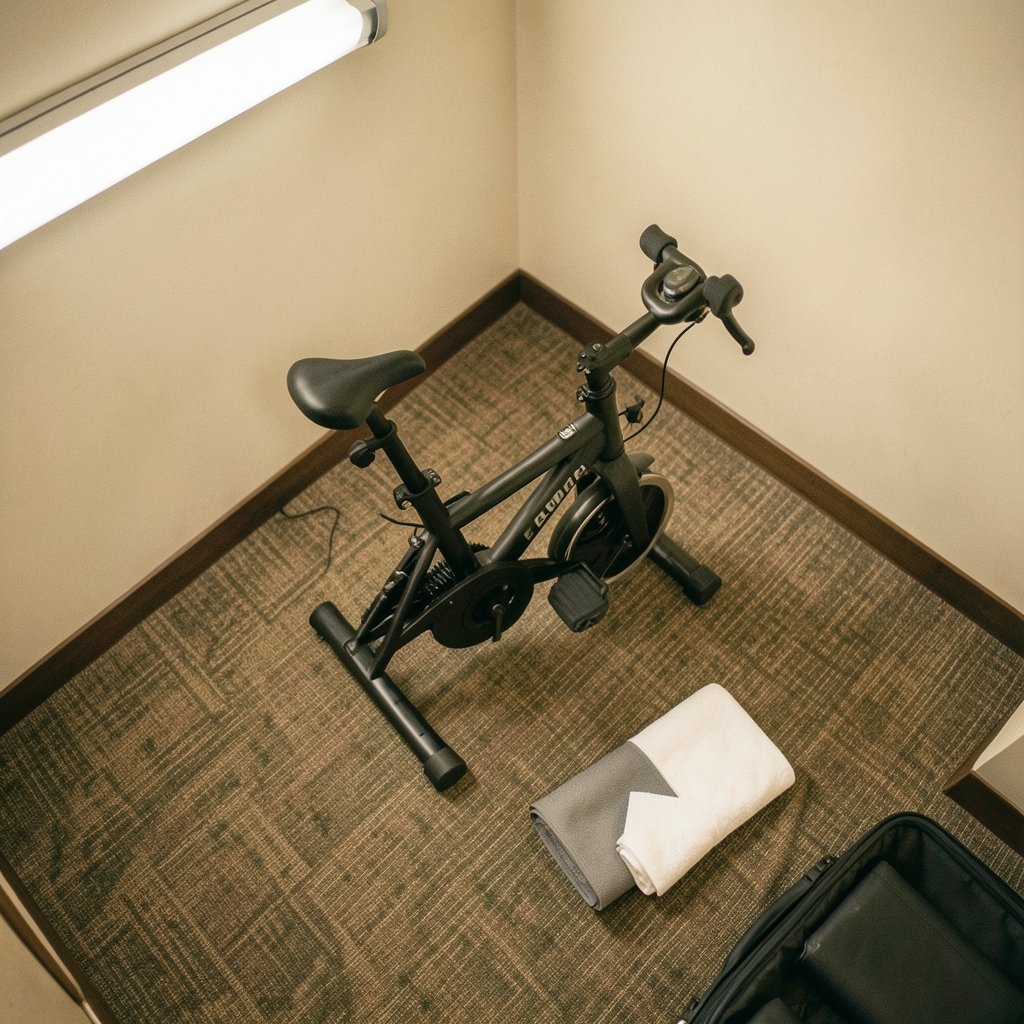
Is a budget magnetic exercise bike actually worth the money, or is it a false economy that ends up gathering dust in a spare room? That question comes up constantly around the Superun magnetic exercise bike, a model that shows up on online marketplaces at prices that make brand-name indoor cycles look wildly overpriced. The appeal is obvious: quiet magnetic resistance, a compact footprint, and a price tag that leaves room for a mat and a decent pair of cycling shorts. But the gap between a cheap bike and a good one often hides in details most listings don’t advertise.
This guide walks through how these bikes actually work, what magnetic resistance does and doesn’t deliver, where budget models typically cut corners, and how to decide whether one fits your training habits. No hype, no invented specs, just the practical picture.
What a Superun magnetic exercise bike actually is
Superun is a budget fitness-equipment label sold mainly through online marketplaces rather than through specialist fitness retailers. That distribution model matters, because it shapes everything about the buying experience: the listing is the showroom, the review section is the salesperson, and after-sales support depends heavily on the seller rather than a national service network.
The bikes themselves follow a familiar formula. They’re indoor cycling bikes built around a flywheel, with magnetic resistance instead of the felt pads you’d find on older or cheaper spin bikes. A set of magnets sits near the flywheel, and a knob or lever moves them closer or further away to change how hard you have to push. Most models pair that with a belt drive rather than a chain, which keeps noise down and removes the need for regular oiling.
The typical package includes a small LCD console showing basics like time, speed, distance, and estimated calories, adjustable seat and handlebars, and transport wheels so the bike can be shifted out of the way. Consoles at this price point are rarely calibrated, so treat the calorie number as a rough activity log rather than a measurement.
How magnetic resistance works, and why it matters

Magnetic resistance is genuinely one of the better developments in home fitness equipment. Instead of friction pads pressing against a spinning wheel, magnets create resistance without physical contact. The practical benefits are real:
- Quieter operation. No pad rubbing means far less noise, which matters in flats, shared houses, and early-morning sessions.
- Less maintenance. Friction pads wear down and leave dust; magnets don’t.
- Smoother feel. Resistance changes tend to feel more gradual than the sudden grab of a felt pad.
The catch is that not all magnetic systems are equal. On budget bikes, the resistance range is often narrower than on premium indoor cycles. The easiest setting may feel almost free-spinning, and the hardest may still fall short of what a strong rider wants for sprint intervals. If your training involves structured high-intensity work, test the top end before committing.
There’s also the question of calibration. On many budget consoles, resistance level 10 on one bike isn’t level 10 on another, and the displayed wattage, if there is any, is an estimate. That’s fine for steady riding and habit-building. It’s less fine if you’re following a power-based training plan.
Where budget bikes cut corners
Every bike at this price has compromises. Knowing them in advance turns a potential disappointment into an informed trade-off.
The flywheel weight question
Flywheel weight is the spec that most affects how a bike feels. Heavier flywheels carry momentum, which produces that smooth, road-like pedalling sensation. Lighter flywheels feel choppier, especially at higher cadence. Budget magnetic bikes often use lighter flywheels than gym-grade cycles, and listings sometimes obscure the number entirely. Look for it, and be sceptical if it’s missing.
Build quality and stability
A wobbly bike is a bike you stop using. Frame flex under hard efforts, rocking during out-of-saddle work, and squeaks that develop after a few weeks are the classic complaints at the entry level. Assembly torque matters more than most buyers realise: bolts that aren’t tightened properly are the single most common cause of early wobble. Check and re-check them after the first few rides.
The saddle
Stock saddles on budget bikes are frequently the weakest component. Many riders end up replacing them within a month. Factor that into the total cost rather than treating it as a failure.
Consoles and connectivity
Don’t expect Bluetooth, app integration, or accurate heart-rate straps at this price. A basic LCD is the norm. If you want to follow along with training apps, you’ll likely be mounting a phone or tablet on the handlebars and using the bike purely as a resistance machine, which is a perfectly reasonable way to train.
Matching the bike to your hair-to-habit routine
Here’s an angle that rarely gets mentioned in equipment reviews but matters enormously for consistency: comfort and grooming routines affect how often people actually ride. Riders with 4c hair often find that sweaty sessions complicate wash-day schedules, and a quiet home bike makes it easier to fit shorter, lower-sweat sessions into the week rather than committing to a full gym trip. Similarly, someone with 2b hair dealing with frizz from humidity may prefer training indoors where the environment is controlled. None of this is trivial. The best bike is the one you’ll use, and the one you’ll use is the one that fits around your life rather than disrupting it.
That logic extends to the bike’s placement. A magnetic bike is quiet enough to sit in a bedroom or living room without dominating the soundscape, which lowers the barrier to a twenty-minute spin before work. Compare that with a loud friction bike that makes the whole flat sound like a spin class, and the practical difference in usage frequency becomes obvious.
Setting up for a good first month
Getting the setup right is the difference between a bike that becomes a habit and one that becomes a clothes rack.
- Assemble carefully and re-torque after week one. Follow the manual, use the tools provided, and check every bolt again after your first few sessions.
- Set saddle height properly. With your heel on the pedal at the bottom of the stroke, your leg should be almost straight. Hip rocking means the saddle is too high.
- Check handlebar reach. You should be able to grip the bars without locking your elbows or rounding your back excessively.
- Start with short, easy sessions. Fifteen to twenty minutes at low resistance for the first week builds tolerance and lets you spot any mechanical issues early.
- Build resistance gradually. Add a level or a few minutes each week rather than jumping straight to hard intervals.
- Protect the floor. A mat under the bike reduces vibration, protects flooring, and makes the setup feel more permanent, which subtly encourages use.
Superun versus the alternatives
It helps to see where a budget magnetic bike sits against the main options.
| Option | Typical strength | Typical weakness | Best for |
|---|---|---|---|
| Budget magnetic bike (Superun-type) | Low price, quiet, compact | Lighter flywheel, basic console, variable support | Beginners, casual riders, small spaces |
| Mid-range magnetic bike | Better build, heavier flywheel, app support | Higher cost, larger footprint | Regular riders wanting structure |
| Friction-pad spin bike | Cheap, strong resistance | Noisy, pad wear, maintenance | High-intensity riders on a tight budget |
| Gym membership | Expert equipment, motivation | Cost over time, travel, scheduling | People who thrive in classes |
The honest verdict is that a budget magnetic bike wins on convenience and cost, and loses on refinement and long-term durability. For someone who wants to establish a riding habit without a big financial commitment, that’s a sensible trade. For someone chasing precise training data or heavy sprint work, it likely isn’t.
Common mistakes buyers make
The most frequent error is buying on price alone without checking the flywheel weight, the maximum user weight, and the warranty terms. The second is skipping the review section’s negative comments, which is where the real information lives. The third is assuming the bike will arrive fully functional: some assembly is standard, and a small percentage of units arrive with missing parts or damaged components, so buy from a seller with a clear returns process.
A fourth mistake is overestimating how much resistance range you need. Many buyers pay for capability they never use. Be honest about your training intentions before you click buy.
If you’re still exploring how different bikes and routines fit together, browsing style and training resources like the row can help you think about cross-training options alongside your cycling plan. (2b hair)
Conclusion
The Superun magnetic exercise bike occupies a specific and useful niche: an affordable, quiet, compact way to start riding indoors without committing serious money. Its magnetic resistance delivers genuine practical benefits in noise and maintenance, and for steady cardio, habit-building, and light interval work, it does the job. The compromises are equally real, though, from lighter flywheels and basic consoles to after-sales support that depends entirely on the seller. Go in with clear expectations, set it up carefully, and treat the saddle and mat as part of the budget, and it can be a genuinely worthwhile purchase rather than an optimistic one.
Frequently asked questions
Is a magnetic exercise bike better than a spin bike with felt pads?
For most home users, yes. Magnetic resistance is quieter, needs less maintenance, and doesn’t produce pad dust or wear. Felt-pad bikes can offer stronger resistance at very low prices, but they’re noisier and require replacement pads over time.
How much noise does a Superun magnetic exercise bike make?
Magnetic resistance itself is quiet, and most of these bikes use belt drives, which are quieter than chains. Real-world noise depends more on assembly quality and floor vibration than on the resistance system, so a mat and properly tightened bolts make a noticeable difference.
Can beginners use a budget magnetic exercise bike for weight loss?
Yes, provided expectations are realistic. Consistent sessions of moderate-intensity cycling contribute to calorie expenditure and cardiovascular fitness. The console’s calorie estimate is approximate, so track sessions and effort rather than chasing a precise number.
What should I check before buying a budget magnetic bike online?
Check the flywheel weight, maximum user weight, warranty length, and the seller’s returns policy. Read the negative reviews specifically. If a listing omits the flywheel weight or resistance range entirely, treat that as a warning sign.
How long do budget magnetic exercise bikes typically last?
Longevity varies widely with build quality and how well the bike is maintained. Keeping bolts tight, wiping down sweat after sessions, and storing the bike away from damp conditions all extend life. Expect the saddle and pedals to be the first components needing replacement.
Is a Superun bike suitable for high-intensity interval training?
It can support light to moderate intervals, but the resistance ceiling on budget magnetic bikes is often lower than on gym-grade cycles. Riders doing serious sprint work may find the top resistance insufficient. For steady-state cardio and beginner intervals, it’s generally adequate.
One final consideration is warranty and parts availability. Budget brands often change models frequently, which can make replacement pedals, consoles, or resistance components hard to source a year or two down the line. Before buying, confirm the warranty length, whether it covers the frame as well as electronics, and how spares are ordered in your region. Saving the listing and manual at purchase is a small habit that pays off later.
Weigh all of this against your own routine, and the decision becomes simpler: if you want a quiet, low-cost way to build a riding habit at home, a Superun-type magnetic bike is a reasonable starting point. If your goals demand precision or heavy resistance, save for a mid-range machine instead.









