


What makes a plain white fish the star of Britain’s most famous takeaway meal? The answer is haddock, a cold-water fish with a speckled silver body, a dark thumbprint on its side, and a flavor that has kept cooks loyal for centuries. It is mild, it flakes into soft white chunks, and it holds up beautifully when battered and fried. Yet haddock is more than a chip-shop staple. It is a wild fish with a fascinating biology, a complicated management story, and a place on dinner tables across Europe and North America.
This guide looks at what haddock actually is, how to recognize it, where it comes from, how it is caught and managed, and how to cook it well. It also separates the facts from the folklore, because this fish carries a few myths worth clearing up.
What Is Haddock, Exactly?
Haddock is a marine fish with the scientific name Melanogrammus aeglefinus. It belongs to the family Gadidae, the same family as cod, whiting, and pollock. It is the only species in its genus, which makes it a bit of an oddity among its cod-like relatives.
The fish lives in the North Atlantic, on both sides of the ocean. On the North American side, its range runs from roughly Cape Hatteras north toward Greenland and Iceland. On the European side, it stretches from the Bay of Biscay north to the Barents Sea and Svalbard. Exact southern limits vary depending on which source you consult, but the pattern is clear: haddock likes cold, deep water and does not stray far into warm seas.
Adult haddock are typically around 40 to 70 centimeters long and weigh a few kilograms. Large individuals can push past a meter, though those are the exception. The maximum reported age is roughly 14 years, and most fish caught are far younger than that. These figures shift by stock and by source, so treat them as approximate rather than fixed.
How to Recognize a Haddock
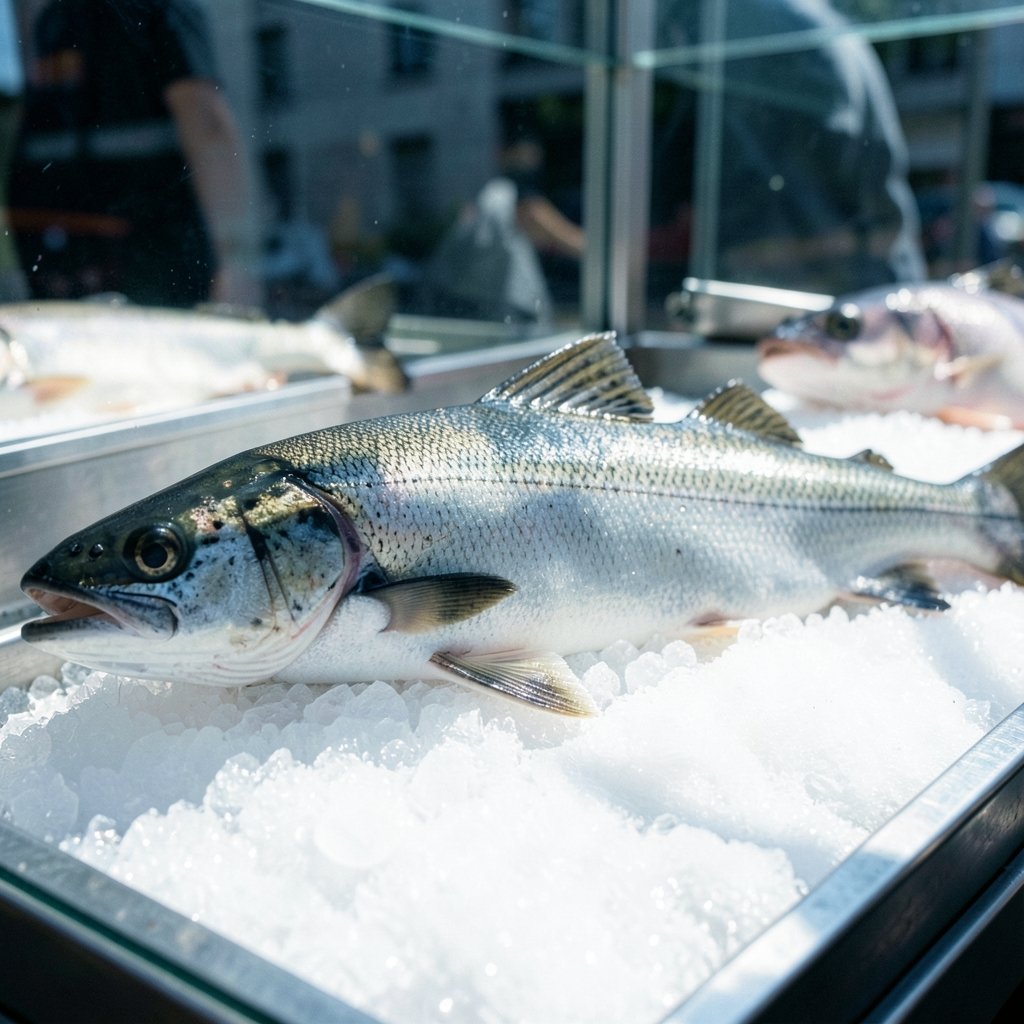
The easiest way to identify a haddock is to look for two features. First, there is a dark lateral line running along its side. Second, there is a distinct dark blotch above the pectoral fin, often called the “thumbprint.”
Folklore has a story for that mark. Tradition says it is the thumbprint of St Peter, left behind when the apostle handled the fish. It is a charming tale told in fishing communities for generations, but it is legend, not science. The blotch is simply a natural marking.
Haddock also has a lighter, more silvery appearance than cod, with a slimmer body and three dorsal fins typical of the gadoid family. In the water, the combination of the black lateral line and the shoulder blotch makes the fish fairly easy to tell apart from its cousins.
Where Haddock Lives and What It Eats
Haddock are bottom-dwellers, though they will rise in the water column to feed. They prefer depths of roughly 50 to 150 meters for spawning, over gravelly or sandy bottoms. Spawning happens in spring, generally between March and May, though the timing and depth vary by region and stock.
Their diet is built on bottom invertebrates. Polychaete worms, crustaceans, echinoderms, and molluscs make up much of the menu, along with small fish and fish eggs. What a haddock eats shifts as it grows and depends on where it lives, which is true of most wild fish.
This bottom-feeding habit shapes how the fish is caught. Haddock are taken largely by trawlers working the seabed, which is one reason the fishery draws so much attention from managers and conservation groups.
The Fisheries: A Stock-by-Stock Story
Haddock supports major commercial fisheries. The best-known grounds are the North Sea, the Barents Sea, Icelandic waters, and Georges Bank off North America. These fisheries matter economically, and they matter culturally, especially in Britain and Scandinavia.
Here is where the story gets complicated. There is no single global answer to the question “Is haddock sustainable?” Stock status differs sharply by area and by year. Some stocks are assessed as sustainably fished, while others are depleted or in the process of rebuilding. A shopper who wants to make a responsible choice cannot rely on the species name alone. They need to know where the fish came from and how that particular stock is doing.
Management reflects this regional split. In the Northeast Atlantic, scientific advice is provided through the international advisory process, and managers set total allowable catches (TACs) based on that advice. In US waters, haddock is managed under federal fishery management plans. Both systems rely on regular stock assessments, and both are subject to change as new data arrives.
The practical takeaway for readers is simple: check the latest advice for the specific stock, not the species as a whole. Status labels go stale quickly.
Haddock vs. Cod: What’s the Difference?
Haddock and cod are close relatives, and they are often confused. Both are white-fleshed gadoids, both are sold fresh and frozen, and both end up in similar dishes. But they are not interchangeable in every context. Here is a quick comparison.
| Feature | Haddock | Cod |
|---|---|---|
| Scientific name | Melanogrammus aeglefinus | Gadus morhua |
| Markings | Dark lateral line and shoulder blotch | Mottled, no thumbprint |
| Body shape | Slimmer, more silvery | Heavier, rounder |
| Flesh | White, firm, flaky, slightly sweet | White, dense, larger flakes |
| Classic use | Fish and chips, smoked haddock | Fish and chips, salt cod, many dishes |
| Typical size | 40 to 70 cm | Often larger |
In practice, both fish work in most recipes, but haddock tends to be a touch more delicate and slightly sweeter. Cod holds together a little more firmly in stews. For frying, haddock is the traditional choice in much of Britain.
Haddock is also sometimes confused with hake, another white fish with a softer texture. And in New England, the word scrod can refer to a small cod or a small haddock, depending on who is using it. These naming overlaps cause plenty of confusion at the fish counter.
Why Haddock Became a British Classic
Walk into a chip shop in Scotland or northern England and haddock is often the default. The fish is prized for its white, flaky flesh and its mild flavor, which takes batter and salt without being overwhelmed. It fries well, keeps its shape, and delivers that clean, sweet taste people expect from a proper fish supper.
Smoking is the other great tradition. Finnan haddie is cold-smoked haddock, a pale golden fish with a distinct smoky aroma. Arbroath smokies are hot-smoked whole haddock, a protected Scottish specialty with a deeper color and a firmer texture. Both have long histories in coastal communities where smoking was a way to preserve a catch before refrigeration.
Regional naming and preparation vary, but the affection for haddock runs deep. It is one of those fish that carries a sense of place.
Common Mistakes When Buying and Cooking Haddock
Even good cooks stumble with haddock. A few practical pointers help.
First, freshness matters more than anything. Fresh haddock should smell clean and mild, like the sea, not fishy or sharp. The flesh should look bright and translucent, and it should spring back when pressed. If it looks dull or feels mushy, walk away.
Second, do not overcook it. Haddock is lean and delicate. It is done when the flesh turns opaque and flakes easily with a fork. A minute too long and it turns dry and cottony. This is the single most common error home cooks make.
Third, match the cooking method to the cut. Thick fillets suit baking, pan-frying, or poaching. Thin tail pieces cook in moments and are better for quick dishes. Whole smoked haddock needs gentle heat so it does not fall apart.
Fourth, watch the salt. Smoked haddock, especially the cold-smoked kind, is already salty. Taste before seasoning, and consider poaching it in milk, a classic technique that mellows the salt and enriches the flesh.
Fifth, handle it gently. Haddock flakes easily, so flip it once and avoid stirring it vigorously in sauces or stews. If you are adding it to a dish, fold rather than stir.
How to Cook Haddock: A Simple Method
For a reliable weeknight result, try this approach.
- Pat the fillets dry and season lightly with salt and pepper.
- Heat a little butter or oil in a pan over medium heat.
- Place the fillets skin-side down if the skin is on, and cook without moving them for three to four minutes.
- Flip once and cook for another two to three minutes, until the flesh is opaque and flakes.
- Finish with lemon and parsley, or a spoonful of browned butter.
For a more traditional route, poach smoked haddock gently in milk with a bay leaf, then serve it over mashed potatoes with the poaching liquid stirred into a light sauce. It is comfort food with very little effort.
If you are exploring different fish textures, it helps to understand how varied the category really is. The same way curl patterns range from tight coils to loose waves, as explained in this guide to 4c hair, fish textures range from dense and meaty to soft and flaky. Knowing what you are working with changes how you cook it. (2b hair)
Nutrition and Sustainability in Plain Terms
Haddock is a lean source of protein with very little fat. That is part of its appeal for lighter meals. It is not an oily fish like salmon or mackerel, so it does not carry the same omega-3 profile, but it delivers protein and minerals with a mild taste that suits almost any palate.
On sustainability, the honest answer is that it depends. The fish is wild-caught, not farmed, so its availability follows the health of individual stocks. Buyers who care about this should look for clear origin labeling and current stock assessments rather than relying on a general reputation. Some haddock fisheries are certified as well managed; others are under pressure. The species name alone tells you nothing about the health of the stock on your plate.
This is a good moment to think about how food trends and styling shape what we buy, much like the way the row of products on a supermarket shelf influences choices before a single label is read. Positioning matters, but the underlying facts matter more.
A Fish With a Story Worth Knowing
Haddock is one of those ingredients that rewards a little curiosity. It has a clear identity in the water, a rich culinary tradition on land, and a management story that changes year by year. It is not simply “white fish.” It is a specific species with specific habits and a specific place in the food culture of the North Atlantic.
For cooks, the lesson is straightforward: buy it fresh, cook it gently, and let its mild sweetness do the work. For shoppers, the lesson is to ask where it came from. For anyone curious about the natural world, the haddock is a reminder that even a familiar fish can surprise you once you look closely.
Whether it is battered in a chip shop, smoked in a Scottish village, or pan-fried at home on a Tuesday night, haddock earns its place. It is humble, versatile, and quietly excellent.
Frequently Asked Questions
Is haddock a healthy fish to eat?
Yes. Haddock is a lean fish with high protein and very little fat. It is a good choice for lighter meals. It is not an oily fish, so it does not provide the same omega-3 levels as salmon or mackerel, but it fits well into a balanced diet.
Is haddock the same as cod?
No. They are related and both belong to the same family, but they are different species. Haddock has a dark lateral line and a shoulder blotch, a slimmer body, and slightly sweeter, more delicate flesh. Cod is generally larger and firmer.
What does haddock taste like?
Haddock has a mild, clean flavor with a touch of sweetness. The flesh is white, firm, and flaky. It is not strongly fishy, which is one reason it is popular with people who are cautious about seafood.
Is haddock sustainable?
It depends on the stock. Some haddock fisheries are assessed as sustainably managed while others are depleted or rebuilding. There is no single answer for the species. Shoppers should check the origin and the latest stock advice for the specific fishery.
What is the dark mark on a haddock?
It is a natural blotch above the pectoral fin, often called the thumbprint. Folklore says it is the mark of St Peter, but that is a traditional story rather than a scientific explanation.
Can you eat haddock skin?
Yes, the skin is edible and becomes crisp when pan-fried or roasted. Some people remove it for a milder texture, but leaving it on adds flavor and helps hold the fillet together during cooking.









