

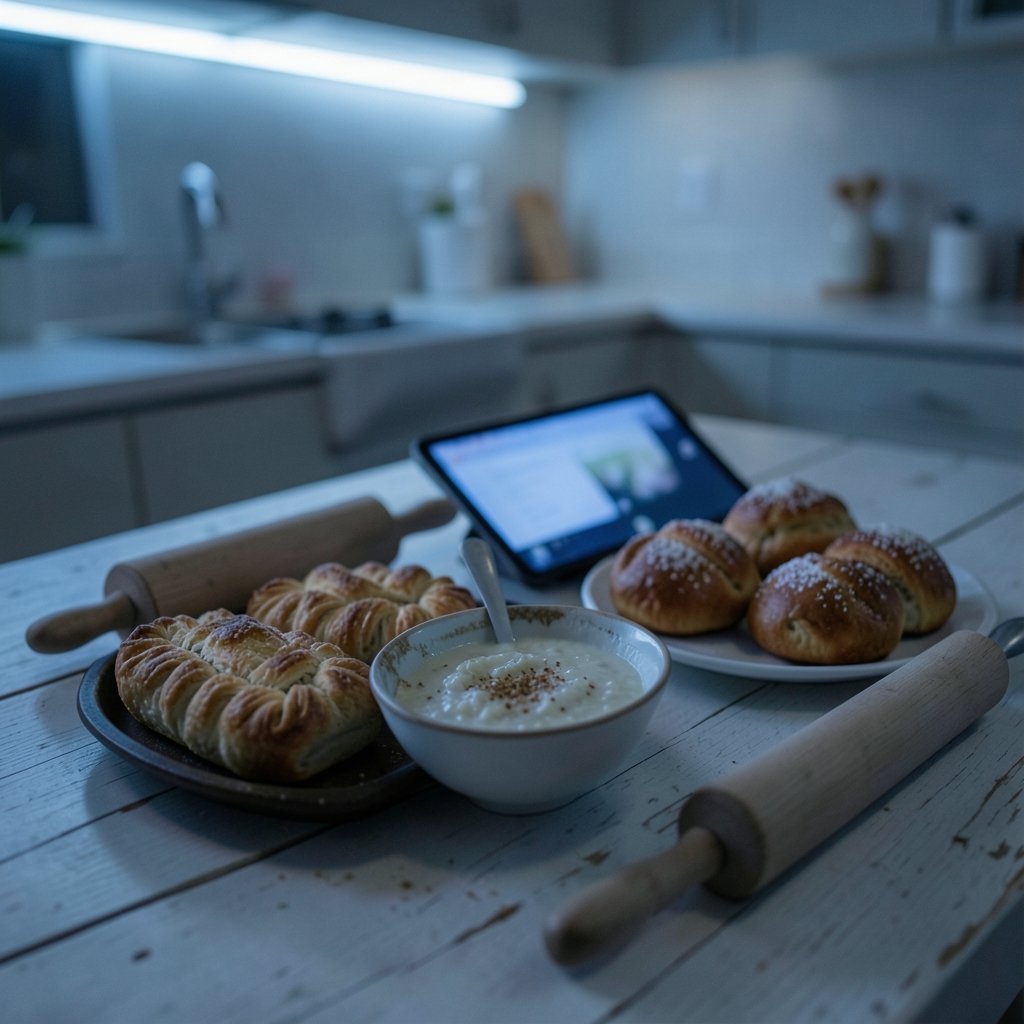
What if the most comforting meal you cook this week takes rye flour, rice, and a little patience, and nothing else exotic? That is the quiet promise of Finnish home cooking. It is not flashy. It does not chase trends. It grew out of long winters, short growing seasons, and a practical belief that good food should stretch far and warm thoroughly. For a home cook anywhere in the world, that makes it one of the most approachable cuisines to borrow from.
This guide walks through seven dishes worth learning, from karjalanpiirakka to korvapuusti, with the practical details that recipes often skip: what to substitute, where beginners stumble, and which steps actually matter. No foraging license required, though a little curiosity about jokamiehenoikeus (Everyman’s rights) helps if readers want to understand how Finns think about berries and mushrooms.
Why Finnish food suits the home kitchen
Finnish cooking leans on ingredients that keep: rye, oats, potatoes, root vegetables, dried peas, salted fish, and dairy. That is a gift for anyone cooking on a budget or planning meals ahead. The techniques are mostly humble too. You boil, you bake, you let dough rise, you stir a soup. Very little demands professional equipment or split-second timing.
The flavor profile is subtle rather than bland. Cardamom in sweet dough, dill in salmon soup, a sour tang from rye starter, a whisper of salt in everything. Finnish cooks tend to under-season by international standards and let the ingredient speak. If you come from a cuisine built on heat and layered spice, expect an adjustment period. The reward is food you can eat often without fatigue.
One practical note before starting: ingredient availability varies. Piimä (Finnish sour milk) is hard to find outside the Nordic countries, but buttermilk is a close stand-in. Dark rye flour behaves differently from wheat, so do not swap them one-for-one. Lingonberry jam can be replaced with a tart cranberry preserve. These substitutions are normal in English-language adaptations and rarely ruin a dish.
Start with karjalanpiirakka, the rye pasty that teaches technique
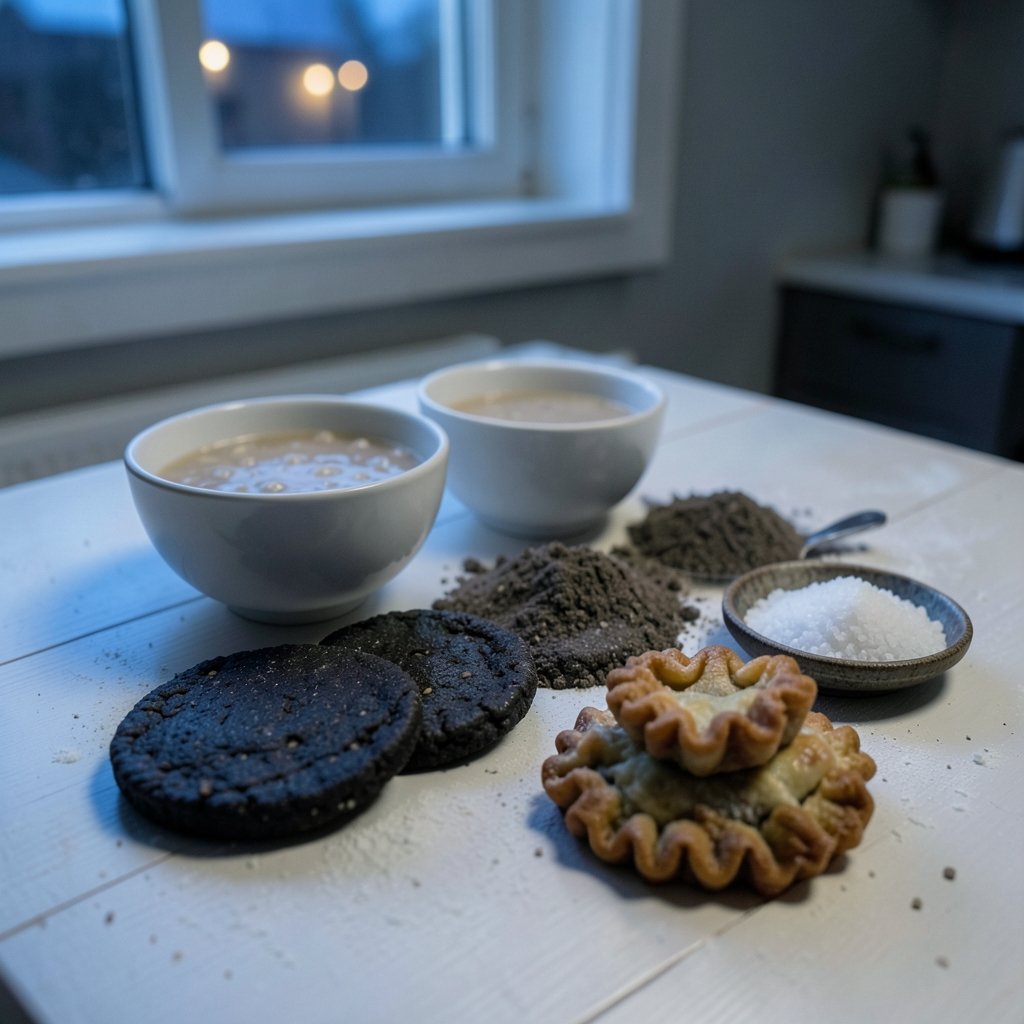
Karjalanpiirakka, or Karelian pasties, are the dish most worth learning first, because they teach a skill that transfers to everything else: shaping a thin rye crust around a soft filling. The traditional filling is rice porridge, slow-cooked until creamy. The crust is rye flour, water, and salt, rolled paper-thin and pinched into an oval boat around the filling.
The pasties are associated with Karelia, a region partly ceded to the Soviet Union after the Winter War, with the peace treaty signed on 12 March 1940. That history is why the pasty became a symbol of Finnish identity as much as a food. Cooks carried the recipe with them when they resettled.
Here is the sequence that works in practice:
- Cook a thick rice porridge with whole milk and a pinch of salt, then let it cool completely. Warm filling tears the dough.
- Mix rye flour, water, and salt into a firm but pliable dough. Rest it covered for 30 minutes.
- Roll each piece into a thin oval, about 3 millimeters thick.
- Spoon filling onto the center and pinch the edges up and over, crimping as you go.
- Bake hot, around 250°C, for 10 to 15 minutes.
- Brush with a warm milk-butter mix right after baking. This softens the crust.
The most common mistake is rolling the dough too thick. A thick crust turns chewy and dry. Aim thinner than feels comfortable. The second mistake is skipping the milk brush, which many cooks treat as optional. It is not. It is what makes the crust tender rather than cracker-hard.
Ruisleipä: baking rye bread without a bakery
Ruisleipä, rye bread, is the backbone of the Finnish table. In a 2016 public vote, rye bread was chosen as Finland’s national food, which tells you how seriously it is taken. Two main styles matter for home bakers: the dark, sour, sliced loaf and the flat, round ruispalat style with a hole in the middle.
Rye is trickier than wheat because it has less gluten and absorbs more water. Beginners usually fail in one of two ways: the dough is too dry, or the loaf is under-proofed. Rye dough should feel tacky and heavy, not smooth like wheat dough. Give it a long, slow rise, ideally overnight in a cool spot, to develop the sour flavor.
A simple starting point uses rye flour, water, salt, and either a sourdough starter or a little yeast plus buttermilk for tang. Mix, rest, shape, and bake in a hot oven. The loaf will be dense. That is correct. Finnish rye is not supposed to be airy. Slice it thin, top it with butter and cheese, and it holds up to strong flavors.
If you want to build a broader pantry of staples and tools for this kind of cooking, thinking about the kitchen setup first pays off. A well-planned space makes long bakes and batch cooking far less stressful, and resources on a luxury home gym or a home expansion show how serious home cooks plan functional rooms around their routines.
Lohikeitto: the creamy salmon soup that forgives
Lohikeitto is a creamy salmon and potato soup, and it is the single easiest Finnish dish to master. It appears on home tables and restaurant menus alike. The method is straightforward: sweat leeks or onions in butter, add potatoes and stock, simmer until tender, add salmon chunks and cream, and finish with dill.
The one rule that matters is timing. Salmon cooks in minutes. Add it at the end, off a hard boil, and pull the pot when the fish is just opaque. Overcooked salmon disintegrates and turns the soup grainy. Many home cooks also add the cream too early, which can split. Stir it in near the end over low heat.
A practical tip: use waxy potatoes that hold their shape. Floury potatoes break down and thicken the broth into something closer to chowder. Both are edible, but the classic version keeps distinct chunks.
Hernekeitto and pannukakku: the Thursday tradition
Hernekeitto, pea soup, is traditionally eaten on Thursdays in Finland, often followed by pannukakku, a baked oven pancake. The custom is well attested in school and workplace canteens, though it is a cultural habit rather than a rule. The soup itself is built on dried peas, a ham bone or smoked pork, onion, and a long simmer.
Dried peas need planning. Soak them overnight, or use a pressure cooker to cut the time. The soup thickens considerably as it cools, so keep extra stock on hand to loosen it. The oven pancake is the easy part: whisk flour, milk, eggs, sugar, and salt into a thin batter, pour into a buttered pan, and bake until set and golden.
Pairing the two makes sense for a home cook. The soup uses the stove for a long stretch, and the pancake uses the oven afterward. One afternoon produces two meals.
Makaronilaatikko: the everyday casserole
Makaronilaatikko, macaroni casserole, is the Finnish equivalent of a weeknight staple everyone grew up on. It typically combines macaroni, minced meat, and a milk or egg-milk mixture, baked until set. Some versions skip the meat entirely.
The technique is simple but has a trap. If you bake dry macaroni with cold milk, the center stays crunchy. Par-cook the pasta first, or use the egg-milk custard method where the pasta absorbs liquid during baking. Brown the meat well for flavor, season the custard, and let the casserole rest after baking so it slices cleanly.
This is a dish that rewards improvisation. Add cheese on top, swap in vegetables, or use a different pasta shape. It is forgiving in a way that fancier dishes are not.
Korvapuusti: cardamom buns worth the wait
Korvapuusti literally means “slapped ear,” a reference to the bun’s shape. These are cardamom-and-cinnamon buns, and cardamom is the characteristic Finnish baking spice. The dough is a soft, enriched yeast dough with butter, sugar, and ground cardamom.
The shaping is what makes them recognizable. Roll the dough into a rectangle, spread butter and cinnamon sugar, roll it up, then cut on the diagonal and stand each piece on its end. The result is a folded, ear-like bun.
Two mistakes are common. First, under-kneading the dough, which leaves the buns dense. Second, over-baking, which dries them out. Pull them when they are golden and still soft. Cardamom loses potency over time, so grind fresh pods if you can.
If you enjoy pairing baking with a comfortable home atmosphere, consider how scent and setting shape the experience. Resources on luxury home scents and affordable home decor offer ideas for making a kitchen feel welcoming without a big spend.
Foraging, Everyman’s rights, and what to know
Finnish food culture includes foraging, and jokamiehenoikeus, Everyman’s rights, allow anyone in Finland to walk, ski, and pick berries and mushrooms on most land, including privately owned land, with restrictions. The right does not permit going near homes or disturbing people, and commercial berry picking may require permission. The exact legal scope should be checked against official Finnish sources before relying on it.
For home cooks outside Finland, the practical takeaway is simpler. Lingonberries, bilberries, and mushrooms feature heavily in Finnish recipes, and tart berries balance rich dishes. If you cannot forage, buy frozen or use cranberries.
A comparison of the seven dishes
| Dish | Main ingredients | Difficulty | Time | Best for |
|---|---|---|---|---|
| Karjalanpiirakka | Rye flour, rice, milk | Medium | 2 hours | Impressing guests |
| Ruisleipä | Rye flour, starter, salt | Medium | Overnight plus bake | Everyday staple |
| Lohikeitto | Salmon, potato, cream, dill | Easy | 40 minutes | Weeknight dinner |
| Hernekeitto | Dried peas, pork, onion | Easy | 2 to 3 hours | Batch cooking |
| Pannukakku | Flour, milk, eggs | Easy | 45 minutes | Dessert or breakfast |
| Makaronilaatikko | Macaroni, mince, milk | Easy | 1 hour | Family meal |
| Korvapuusti | Flour, butter, cardamom | Medium | 2.5 hours | Weekend baking |
Conclusion
Easy Finnish recipes at home come down to a handful of dependable techniques and a pantry of humble ingredients. Start with lohikeitto if you want a win tonight. Move to karjalanpiirakka and ruisleipä when you are ready to learn dough. Add korvapuusti for the weekend, and let hernekeitto and makaronilaatikko fill the gaps in a busy week. The cuisine rewards patience more than precision, and it never demands ingredients you cannot find or substitute. Cook one dish, then another, and the pattern becomes clear: simple food, made well, eaten often.
Frequently asked questions
What is the easiest Finnish dish for a beginner?
Lohikeitto, the creamy salmon soup, is the most forgiving starting point. It uses few ingredients, cooks in under an hour, and the main risk, overcooking the salmon, is easy to avoid by adding the fish at the end.
Do I need special equipment to make karjalanpiirakka?
No specialized equipment is required. A rolling pin, a bowl, and a hot oven are enough. A baking stone helps with even browning but is not essential. The skill is in rolling the crust thin and crimping consistently.
Can I substitute ingredients I cannot find?
Yes, and substitutions are common outside Finland. Buttermilk stands in for piimä, cranberry preserves replace lingonberry jam, and standard rye flour works though it may behave differently from Finnish varieties. Adjust liquid gradually, since rye absorbs more water than wheat.
Why is rye bread considered Finland’s national food?
Rye bread was chosen as Finland’s national food in a 2016 public vote. It reflects how central rye has been to the Finnish diet for centuries, especially in a climate where wheat struggled and rye thrived.
Is pea soup really eaten only on Thursdays?
The Thursday pea soup custom is strong in Finland, especially in school and workplace canteens, but it is a cultural habit rather than a rule. Finns eat pea soup on other days too. The tradition is best understood as a comforting weekly rhythm.
How do I keep cardamom buns from drying out?
Pull them from the oven as soon as they are golden, while still soft to the touch. Over-baking is the main cause of dry buns. Store them covered, and warm briefly before serving. Freshly ground cardamom also makes a noticeable difference in flavor.









