



Quick Answer: Can dogs have avocado?
Yes. A small piece of ripe avocado flesh is generally considered safe for most dogs, and many dogs can eat a bite or two without any problem. The flesh is not the part that worries veterinarians most, so a plain cube offered as an occasional treat is usually fine for a healthy adult dog.
The riskier parts are the skin and the pit, which contain the highest levels of a compound called persin, and processed avocado dishes like guacamole, which often hide onion, garlic, and salt. Avocado is also very high in fat, so portion size matters more than most people expect.
Before offering any, check the dog’s weight and body condition, any history of pancreatitis or sensitive digestion, whether the fruit is plain or mixed into a dish, whether the pit and skin are fully removed, and how much fat the rest of the day’s food already contains.
Why Avocado Has Such a Confusing Reputation
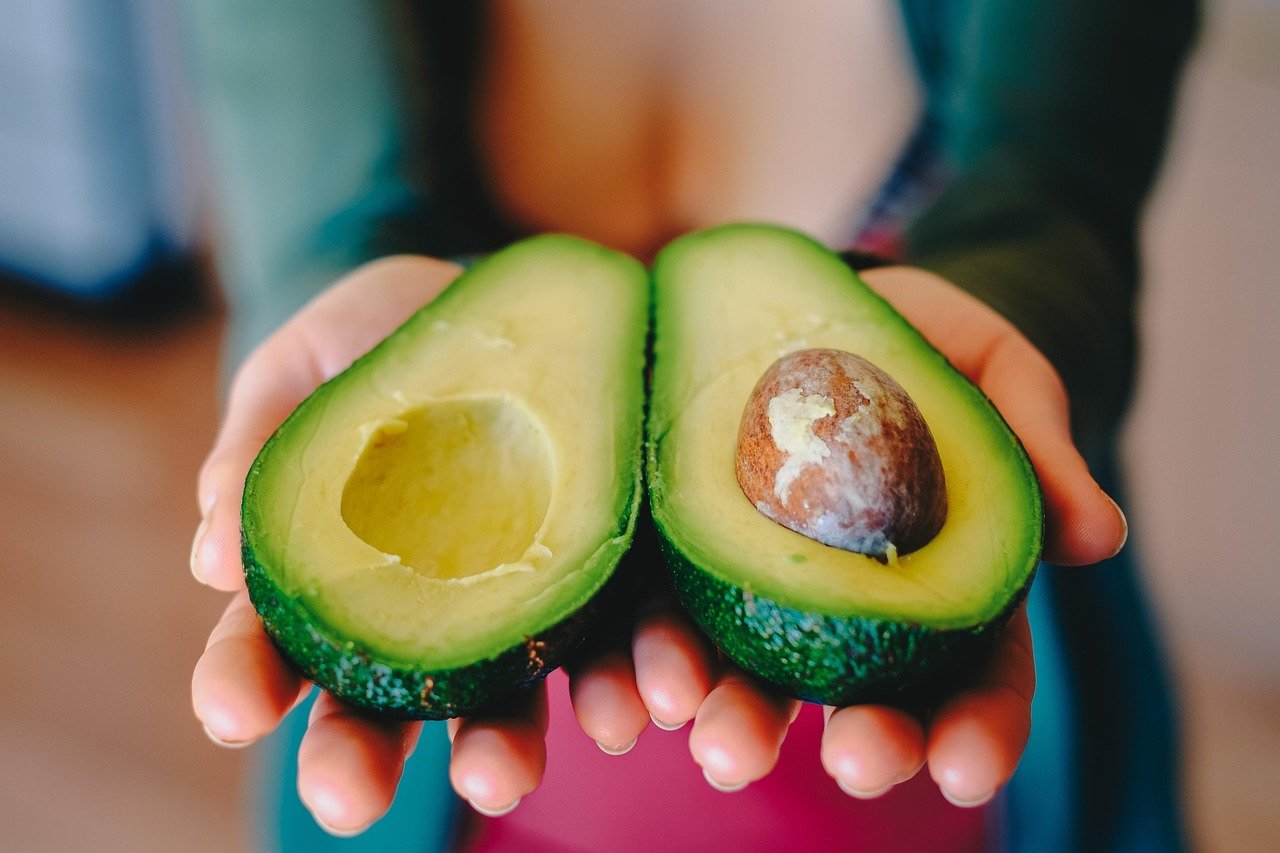
Ask ten dog owners about avocado and you will probably get five firm no’s and five shrugs. The confusion is not random. It comes from a real scientific story that got flattened into a simple warning label.
The compound at the center of it all is persin, a fungicidal fatty acid found in avocado leaves, bark, skin, and pit. Persin is genuinely dangerous to birds and to some livestock, particularly cattle, goats, and horses. Those species can develop serious heart and tissue damage after eating avocado plant material. Much of the “avocado is toxic” reputation traces back to those cases.
Dogs, however, are comparatively resistant to persin. Veterinary clinical sources generally treat a small amount of ripe flesh as low risk for dogs, which is why you will see experienced vets shrug at a single avocado cube and then wince at the thought of a dog chewing through a whole pit.
There is a second layer of confusion. The ASPCA includes avocado on its list of people foods to avoid feeding pets, but its own avocado-specific entry frames the plant as toxic primarily to birds and livestock. That “avoid” listing is best read as conservative, catch-all guidance rather than a claim that a piece of flesh will poison a dog. When a national animal poison service and a clinical veterinary page seem to disagree, the honest answer is usually “it depends on the part and the amount.”
What Is Actually Risky About Avocado for Dogs
The dangers are real, just not where most people assume. Here is how the parts stack up.
| Part of the avocado | Main concern | Practical risk for dogs |
|---|---|---|
| Ripe flesh | High fat and calories | Moderate, mostly for dogs with sensitive guts or pancreatitis history |
| Skin | Concentrated persin, fat, and tough texture | Higher, best kept away entirely |
| Pit | Choking and intestinal blockage | High, especially for medium and large dogs |
| Leaves and bark | Persin | Higher, keep plants out of reach |
| Guacamole and dips | Onion, garlic, salt, added fats | High, avoid completely |
The pit is a physical hazard first
The pit is less a chemical problem than a mechanical one. It is smooth, the right size to be swallowed whole by a determined dog, and completely indigestible. A swallowed pit can lodge in the esophagus or block the intestine, which means anesthesia, surgery, and a very expensive week. Medium and large dogs are the usual culprits because they can get the whole thing down before anyone reacts.
The fat content is the everyday risk
Avocado is calorie-dense and fat-dense. Fatty foods are a well-known trigger for pancreatitis, an inflammation of the pancreas that causes vomiting, abdominal pain, and lethargy and often requires veterinary care. A dog who has had one bout of pancreatitis is at higher risk of another, so those dogs should skip avocado entirely. Weight gain is the slower, quieter concern: a few cubes a day adds up fast for a small dog.
Guacamole is a different animal
Guacamole and avocado dips are riskier than plain flesh because they commonly contain onion and garlic, both of which are toxic to dogs and can cause hemolytic anemia, where red blood cells are destroyed faster than the body replaces them. Add salt, lime, chili, and sometimes sour cream, and you have a bowl that should stay firmly on the human side of the table. The same goes for avocado sushi rolls, avocado toast with seasoning, and anything from a restaurant kitchen where you cannot see every ingredient.
How to Offer Avocado Safely
If a dog has no history of pancreatitis, weight problems, or a sensitive stomach, a small taste is reasonable. The practical rules are simple.
- Use only ripe flesh. Scoop it away from the skin and pit, and discard both.
- Keep the portion tiny. A cube or two for a medium dog, less for a small one. Think garnish, not snack.
- Plain only. No salt, no oil, no seasoning, no guacamole, no avocado-based dips.
- Introduce it slowly. Offer a small piece once and watch for vomiting, diarrhea, or stomach discomfort over the next day.
- Count the calories. Reduce other treats that day so the avocado does not push the dog over its daily calorie needs.
- Keep the pit and skin out of reach. This includes the compost bin, the kitchen counter, and the grocery bag on the floor.
A common mistake is assuming that because the flesh is fine, the whole fruit is fine. Another is letting a dog lick the guacamole bowl “because it’s just avocado.” That bowl is usually the most dangerous avocado product in the house.
There is no established safe dose for dogs in the veterinary literature, which is worth saying plainly. The advice out there is “small pieces occasionally, no pit, no skin, no guacamole” rather than a milligrams-per-kilogram threshold. That is an absence of data, not a finding, so treat portion guidance as judgment rather than precision.
Signs a Dog Ate Too Much Avocado
Most dogs who sneak a piece of flesh show nothing at all. When problems do appear, they tend to look like ordinary stomach upset: vomiting, diarrhea, gas, or a reduced appetite. Those signs usually resolve on their own within a day, but they are worth a call to the vet if they persist or worsen.
More serious signs deserve immediate attention. Repeated vomiting, a painful or swollen belly, lethargy, or a dog who is retching without producing anything can point to pancreatitis or a blockage. Drooling, gagging, or difficulty swallowing after a pit went missing suggests a choking risk. In those cases, call a veterinarian or an animal poison service right away rather than waiting to see what happens. (The row)
If a dog ate guacamole, the concern shifts to onion and garlic. Watch for weakness, pale gums, rapid breathing, or dark urine, and mention the ingredients to the vet when you call. Timing matters, so note roughly when the dog ate and how much.
Which Dogs Should Skip Avocado Entirely
For some dogs, the answer is a clean no regardless of portion size.
Dogs with a history of pancreatitis top the list. So do overweight dogs or those on a weight-management plan, since avocado is one of the least helpful treats you can add to a calorie budget. Dogs with sensitive digestion or a tendency toward loose stools often do better without rich, fatty foods. Small dogs get proportionally more fat and calories from the same cube, so the margin for error is thinner.
Puppies deserve a mention too. Their digestive systems and nutritional needs are still developing, and their diets should be built around complete, balanced food rather than table scraps. If a puppy swallows a pit, treat it as an emergency rather than a wait-and-see situation.
Better Treats to Reach For Instead
If the goal is a special snack, plenty of options deliver the same “something fresh” feeling with far less fat. Plain cooked chicken, small pieces of carrot, green beans, cucumber slices, and a bit of plain cooked pumpkin are all easy wins for most dogs. Commercial dog treats formulated for daily feeding take the guesswork out of portions.
The grooming world offers a useful reminder that dogs are not small humans with different fur. Coat and skin needs vary enormously by type, and owners of 4c hair in the human world already know how much texture changes care routines. Dogs are the same: a diet that suits one breed or body type may not suit another, and treats should follow the dog, not the trend. The same logic applies to coat-focused content and everyday grooming routines, whether someone is reading about 2b hair or working out a shedding-season brush schedule. Nutrition is one input among many, and a single trendy fruit is never the deciding factor.
What the Research Actually Says
The honest summary is that the evidence on avocado and dogs is thin and mostly indirect. Persin toxicity is well documented in birds and livestock. Canine resistance to persin is a clinical impression reflected in veterinary guidance rather than the result of large controlled studies. The fat and pancreatitis link is well established for dogs generally, not specific to avocado. The pit hazard is straightforward mechanics.
That means the safest reading of the research is a cautious middle path. Flesh in tiny amounts: low risk for healthy dogs. Skin, pit, leaves, and processed dips: avoid. No established dose: use judgment and keep portions small.
One more practical note on sourcing. Avocado quality varies, and a rock-hard supermarket fruit is not a treat anyone enjoys, dog or human. Ripe, soft flesh is easier to portion and easier to digest. If a household goes through avocados regularly, the compost bin becomes the real risk area, since that is where skins and pits accumulate and where a determined dog will absolutely go looking. A locking lid solves more avocado problems than any amount of careful feeding at the counter.
Conclusion
Avocado sits in that awkward middle ground of dog nutrition: not a poison, not a health food, and definitely not a free pass to share the guacamole. A small piece of ripe flesh is generally fine for a healthy adult dog. The skin and pit are the parts to keep away, the fat content is the reason to keep portions tiny, and processed avocado dishes are a firm no because of what gets mixed in with them. Dogs with pancreatitis histories, weight concerns, or sensitive stomachs should skip it altogether, and any dog who swallows a pit needs veterinary attention rather than a wait-and-see approach. Keep the treats plain, keep them small, and keep the compost bin closed.
Frequently Asked Questions
Is avocado flesh toxic to dogs?
No, not in the way most people fear. Ripe avocado flesh contains very little persin, the compound that harms birds and livestock, and dogs are comparatively resistant to it. A small piece is generally considered low risk for a healthy dog. The bigger concerns with flesh are its high fat content and the calories it adds, not poisoning.
Can a dog die from eating an avocado pit?
Death is rare, but a swallowed pit is a genuine emergency. The pit is large, smooth, and indigestible, so it can block the esophagus or intestine. Blockages cause vomiting, pain, and appetite loss, and they usually require surgery. Any dog that swallows a pit should be seen by a vet promptly rather than monitored at home.
Is guacamole dangerous for dogs?
Yes, and mostly because of the other ingredients. Guacamole commonly contains onion and garlic, both toxic to dogs and linked to hemolytic anemia, plus salt and added fats that can upset the stomach or trigger pancreatitis. The avocado itself is the least of the problems in that bowl. Keep guacamole away entirely.
How much avocado can a dog eat?
There is no established safe dose in the veterinary literature. The common guidance is a small piece or two of plain ripe flesh, offered occasionally, for a healthy dog with no weight or pancreas issues. Small dogs should get less. Treat it as a rare garnish rather than a regular part of the diet.
What should I do if my dog ate avocado skin?
Watch closely and call a vet for advice. Skin carries a higher concentration of persin and is tough and fatty, so it can cause stomach upset. Most dogs handle a small amount without serious problems, but vomiting, diarrhea, lethargy, or abdominal pain warrants a professional check rather than home monitoring.
Are avocado leaves and plants dangerous to dogs?
They are best kept out of reach. Leaves, bark, and the plant itself contain persin at higher levels than the flesh, and while dogs are more resistant than birds or cattle, chewing on houseplant leaves is not worth the risk. Place avocado plants where a curious dog cannot browse them, and pick up fallen leaves outdoors.









