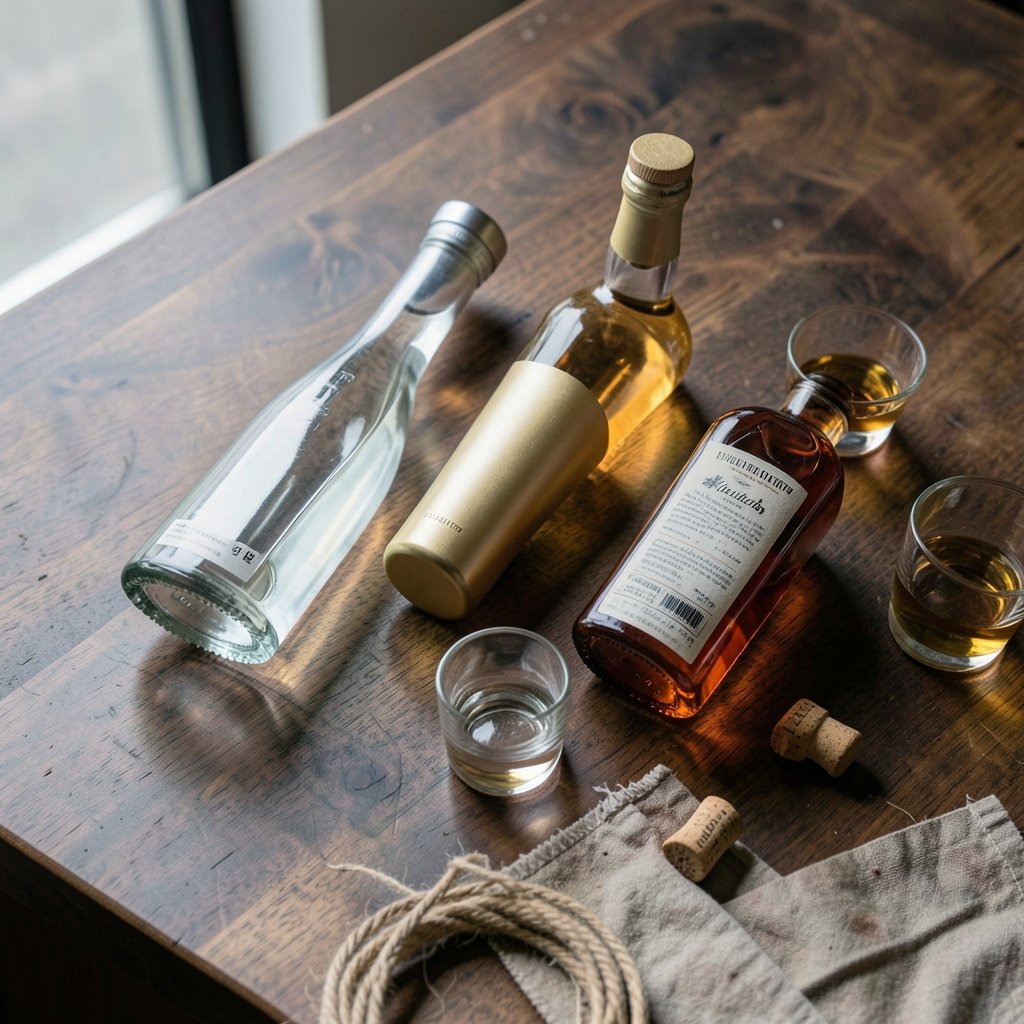
What makes a bottle of Centenario tequila worth reaching for on a crowded shelf? Maybe it’s the name, which nods to a hundred years of something. Maybe it’s the price, which sits comfortably in the middle of the pack. Or maybe it’s the simple fact that the brand shows up on bar carts and back bars from Mexico City to Chicago, and people keep buying it. The real answer is a mix of all three, plus a few details about how tequila is made and regulated that most shoppers never hear.
This guide walks through what Centenario is, how its expressions differ, what the aging labels actually mean under Mexican law, and where the brand fits in a market full of louder competitors. No hype, no tasting notes invented from thin air. Just the practical stuff that helps someone decide whether to buy a bottle, gift one, or skip it.
What is Centenario tequila?
Centenario is a tequila brand produced in Jalisco, Mexico, by Casa Centenario (Tequila Centenario, S.A. de C.V.). It is widely reported to sit within the Grupo Cuervo and Becle family of brands, though the exact corporate structure and the timing of that relationship are worth confirming with primary sources before quoting them as fact.
The name means “centenary,” and it is generally presented as a nod to the 100th anniversary of Mexican independence, which ran from 1821 to 1921. That framing fits the brand’s marketing, which leans on national pride and tradition rather than novelty. Anyone tempted to state a founding year should hold off unless they have a source in hand, because the brand’s own timeline is not something to guess at.
One important caution: “Centenario” is a name used by several unrelated products, including a Nicaraguan rum and various Mexican goods. When researching the tequila, make sure the source is actually about the tequila. Search results mix them together constantly, and it is easy to attribute a rum fact to a tequila brand by accident.
The core lineup, expression by expression
The heart of the range is typically described as Blanco, Reposado, and Añejo, with some markets also carrying an Extra Añejo or a barrel-select style release. Exact products vary by country and change over time, so the bottle in front of you is always the authority.
Here is how the main categories differ under Mexican tequila rules. The aging thresholds below come from the Norma Oficial Mexicana NOM-006-SCFI, the standard that legally defines tequila, and are administered by the Consejo Regulador del Tequila (CRT). Definitions have been revised over the years, so check the current text before publishing exact figures.
| Expression | Minimum aging | Typical character |
|---|---|---|
| Blanco | Unaged, or aged under two months | Bright agave, citrus, pepper |
| Reposado | At least two months | Softer, with light oak and vanilla |
| Añejo | At least one year | Rounded, caramel and wood spice |
| Extra Añejo | At least three years | Deep, rich, dessert-like |
Aging generally happens in oak, though the type of barrel is not fixed by law and varies by producer. That is why two reposados at the same price can taste wildly different. One may spend a few months in used bourbon casks and stay close to the agave; another may sit longer in heavily charred wood and taste more like whiskey than plants.
Is Centenario 100% agave?
This is the question that separates a good bottle from a forgettable one. Tequila can be labeled 100% de agave, meaning all fermentable sugar comes from blue Weber agave, or it can be a mixto, which needs only 51% agave sugar with the rest coming from other sources. Mixtos are legal, common, and often cheaper.
Whether a specific Centenario expression is 100% agave should be checked on the bottle label or through the CRT registry. Do not assume it. A brand can sell both types across different expressions, and the label is the only reliable answer at the shelf.
How tequila is regulated, and why it matters to buyers
Tequila is a protected designation of origin spirit. It must be made from blue Weber agave, known botanically as Agave tequilana, and produced in specified municipalities, mostly in Jalisco with a few others included. The rules are not decorative. They exist to stop anyone from calling a random agave spirit “tequila” and cashing in on the name.
For drinkers, the regulation does three useful things. First, it guarantees the base plant. Second, it sets the aging categories so a label means something consistent. Third, it creates a paper trail through the CRT, which publishes production and export statistics and maintains a registry of authorized brands.
That registry is the single best tool for verifying a bottle. If a brand is not listed, that is a red flag. If it is listed, the entry tells you who actually makes it, which matters in an industry full of contract production and brand licensing.
Where Centenario fits in the market
Centenario is commonly described as a mid-market brand with a strong presence in Mexico and meaningful exports, including to the United States. It is not a luxury sipping tequila priced for collectors, and it is not the cheapest well bottle either. It occupies the wide middle where most bottles are actually sold.
That middle is a crowded place. It competes with dozens of brands chasing the same buyer: someone who wants a decent margarita base, a recognizable label for a party, or a gift that does not require a loan. Specific sales and market-share figures should come from industry reports or CRT statistics rather than memory or marketing copy, because the numbers shift every year.
The broader category has also been through real turbulence. The tequila industry has experienced repeated agave price cycles driven by the long planting lag and swings in demand, with a widely reported shortage and price spike around 2021 to 2023. How that affected any single brand is a separate question that needs a source. What is safe to say is that agave costs ripple through every price tier eventually.
Practical buying advice that actually helps
Most tequila advice online is either too vague or too precious. Here is what tends to work in practice.
Check the label for “100% de agave” first. It tells you more about what is in the bottle than any shelf talker. If it is missing, assume mixto.
Match the expression to the job. Blanco for cocktails where agave should lead. Reposado for sipping neat or on ice when you want softness. Añejo and Extra Añejo for slow sipping, ideally after dinner. Using an Extra Añejo in a margarita is not a crime, but it is an expensive way to hide what you paid for.
Look at the NOM number. Every legal tequila bottle carries one, and it identifies the distillery. Two brands with the same NOM number come from the same facility, which is a fast way to understand why they taste similar.
Buy the small bottle first. If a brand is new to you, a 375ml or a single pour at a bar costs less than a full bottle you might not finish.
Store it upright and away from light. High-proof spirits are hardy, but heat and sun will flatten a delicate blanco faster than most people expect.
Do not over-chill a good añejo. A freezer kills the aromatics that justify the price. A few minutes in the fridge or a single large ice cube is plenty.
Common mistakes are predictable. People buy by bottle shape. People assume older always means better, when an over-oaked añejo can taste like furniture polish. People also confuse “smooth” with “good,” which is how mediocre spirits with added sweetness keep selling. A little agave bite is not a flaw; it is the point.
How to taste it without the theater
A structured tasting does not require a special glass, though a tulip-shaped copita helps concentrate aromas. A wine glass works fine. (The row)
- Pour a small amount, about half an ounce, and let it sit for a minute.
- Hold the glass below your nose and breathe normally. Do not jam your nose in; high-proof spirit will numb you.
- Note the first thing you smell. Agave? Citrus? Vanilla? Black pepper?
- Take a small sip and let it coat your tongue before swallowing.
- Wait ten seconds and notice the finish. Does it linger, or vanish?
That last step is where quality shows. Cheap spirit often starts strong and disappears. Better spirit stays with you, and the flavors shift as it fades.
What about the name and the history?
The centenary framing is smart marketing because it ties the brand to a moment every Mexican reader recognizes. Independence in 1821, the hundred-year mark in 1921, and a name that carries both. It signals heritage without requiring a long, verifiable backstory.
That said, heritage claims in spirits are frequently looser than they appear. A brand can be young and still reference an old event. Readers who care about provenance should look for the distillery’s registration and production records rather than the story on the front label. The Consejo Regulador del Tequila is the place to start, and it is a far better source than a brand’s own website when the two disagree.
For anyone comparing texture and styling across the wider world of drinks, the language of hair typing that shows up in beauty writing is a strange but useful analogy: categories exist to help people talk precisely, and they break down the moment you look closely at an individual. The same is true of tequila categories. A 2b hair label tells you roughly what to expect, not exactly what you will get, and a reposado designation works the same way. (4c hair)
Common myths worth retiring
Myth: Tequila must have a worm. That is mezcal folklore, and even there it is a marketing gimmick rather than a rule. Tequila regulation does not include worms.
Myth: Darker means older. Color can come from barrel time, but also from caramel coloring, which is permitted in some contexts. Age statements on the label are the reliable signal.
Myth: All tequila tastes like the cheap stuff from college. That reputation comes from mixtos drunk too fast and too cold. A 100% agave blanco served at room temperature is a different drink entirely.
Myth: Añejo is always better than reposado. They are different tools. Some drinkers prefer the agave-forward punch of a reposado and find añejo too sweet.
Conclusion
Centenario tequila earns its shelf space by doing the middle of the market well: recognizable, widely available, and priced for people who actually drink the stuff rather than display it. The brand’s real value to a buyer is not the centenary story or the bottle design. It is the fact that a shopper who checks the label for 100% agave, reads the NOM number, and matches the expression to the occasion will get a predictable, useful bottle almost every time.
The category around it is more interesting than any single brand. Tequila is one of the few spirits with a genuinely strict legal definition, a functioning regulator, and a plant at its center that takes years to mature. That combination makes it worth learning about, and it makes informed buyers harder to fool. Whether the bottle in question is Centenario or something else, the same three habits apply: read the label, verify the distillery, and taste before you commit to a full case.
FAQ
Is Centenario tequila 100% agave?
It depends on the expression, and the bottle label is the only reliable answer. Tequila can legally be sold as 100% de agave or as a mixto with at least 51% agave sugar. Check the front or back label, and cross-check the brand through the Consejo Regulador del Tequila registry if you want confirmation.
Who makes Centenario tequila?
It is produced in Jalisco, Mexico, by Casa Centenario (Tequila Centenario, S.A. de C.V.). The brand is widely reported to be connected to the Grupo Cuervo and Becle family of brands, but the exact corporate structure and the timing of that relationship should be confirmed with primary sources before being stated as fact.
What is the difference between Centenario Blanco, Reposado, and Añejo?
The difference is aging time. Blanco is unaged or aged under two months, Reposado spends at least two months in wood, and Añejo ages at least one year. Extra Añejo requires at least three years. Longer aging softens the agave bite and adds caramel, vanilla, and wood spice.
Is Centenario a good tequila for margaritas?
A blanco is the usual choice for margaritas because its bright agave and citrus notes cut through lime and sugar without competing. A reposado works if you want a rounder drink. Saving an añejo or Extra Añejo for sipping is the better use of the money.
Why is the brand called Centenario?
The name means “centenary” and is generally presented as a reference to the 100th anniversary of Mexican independence, marked in 1921. It is a heritage signal rather than a claim about the brand’s own age, so treat the name as marketing context rather than a founding date.
How should I store a bottle of Centenario?
Keep it upright, sealed, and away from direct sunlight and heat. Spirits do not need refrigeration, and freezing an aged expression will mute the aromas you paid for. A cool cupboard is fine, and a bottle will hold its character for years if the seal stays tight.