

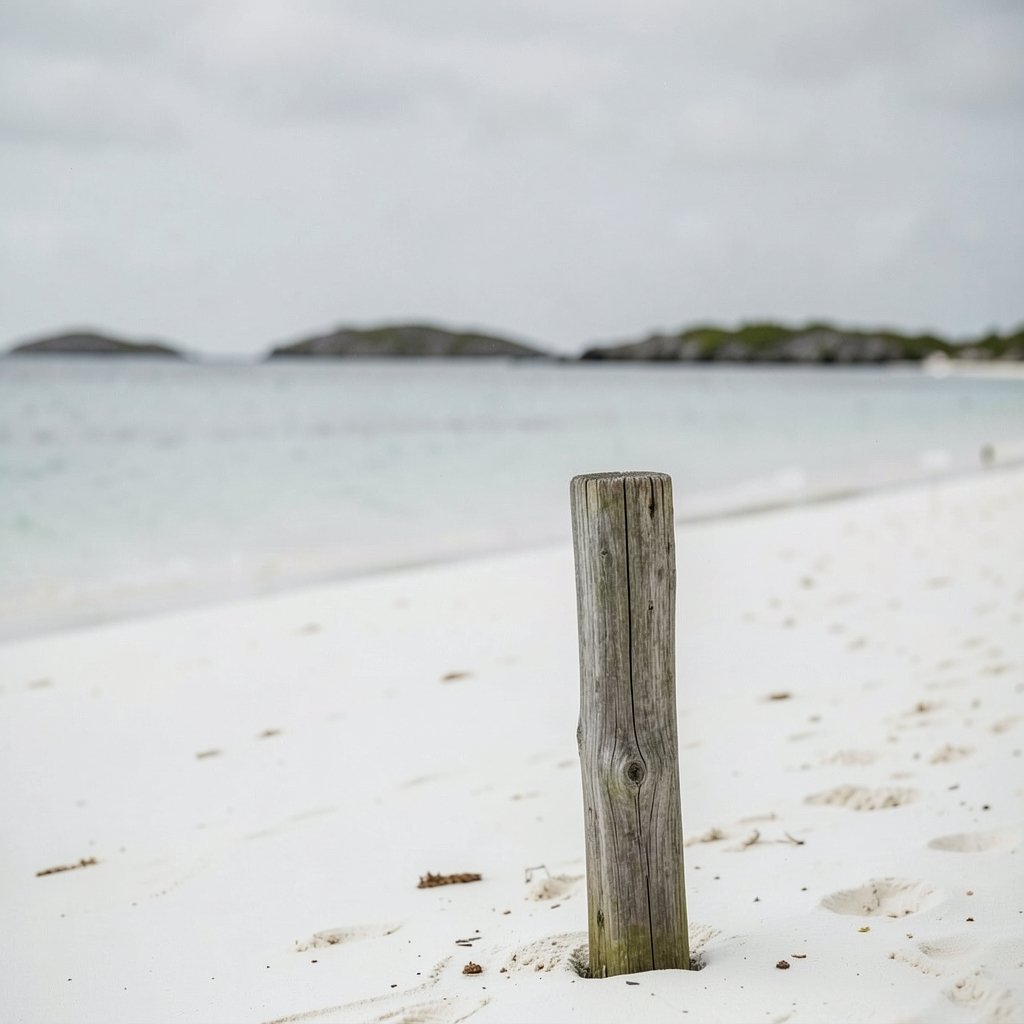
What if the Caribbean destination you keep hearing about is not one island at all, but forty of them, and only eight have anyone living on them? The Turks and Caicos Islands sit in the Atlantic, southeast of the Bahamas and north of Hispaniola, and that geography explains more about a trip there than any brochure. This guide walks through the practical side: how the territory is governed, where people actually stay, what the money and the weather do, and which mistakes first-timers make most often.
Where the Turks and Caicos Islands Actually Are
The territory is a British Overseas Territory made up of roughly 40 islands and cays. It splits into two groups. The Turks Islands include Grand Turk, the capital island, and tiny Salt Cay. The Caicos Islands include Providenciales, North Caicos, Middle Caicos, East Caicos, South Caicos, and West Caicos.
Providenciales, almost always shortened to Provo, is where the population and the tourism industry concentrate. The international airport is there, most resorts are there, and the famous beach strip is there. If someone shows you a photo of Turks and Caicos and it looks like a postcard of shallow turquoise water fading to deep blue, it was probably taken on Provo’s Grace Bay.
Cockburn Town on Grand Turk serves as the capital. That distinction matters to travelers because Grand Turk is quieter, smaller, and historically the administrative heart of the territory, yet it receives far fewer overnight visitors than Provo. Cruise ships call at Grand Turk, which gives the island a rhythm of busy mornings and empty evenings.
A Short History of Governance, Told Honestly

The islands changed hands repeatedly among European powers before settling as a British territory. For much of their modern history they were administered alongside Jamaica, then became a separate British Overseas Territory. The legal system runs on English common law, with a Supreme Court and a Court of Appeal, and final appeals go to the Privy Council in London.
The most consequential modern chapter came after a Commission of Inquiry, chaired by Sir Robin Auld, found corruption in the islands’ government. From August 2009 to November 2012, the UK suspended ministerial government and imposed direct rule under the governor. A new constitution took effect in October 2012, and elected government returned with the November 2012 general election. The current constitution dates from 2011 and provides for a premier, a cabinet, and an elected House of Assembly, with a governor appointed by the Crown.
Why should a visitor care? Because that episode shaped how the territory markets itself and how carefully its financial sector is regulated. It also explains a certain local sensitivity about outsiders describing the islands as a tax haven without nuance. Offshore financial services are a genuine pillar of the economy, alongside tourism, and the territory has no direct taxation. The official currency is the US dollar, which is one less thing to think about.
Population, Money, and the Practical Basics
The 2012 census recorded about 31,500 residents. Later official estimates put the figure higher, and any current number should be treated as an estimate rather than a precise count. The territory observes Eastern Time, with daylight saving, which surprises people who assume all of the Caribbean runs on the same clock.
A few practical points that catch first-timers:
- Currency: US dollars everywhere. Cards are widely accepted on Provo; carry cash on the smaller islands.
- Driving: Traffic keeps left, a British inheritance, even though the cars and the money are American. Rental agencies will remind you. Repeatedly.
- Island hopping: Provo to North Caicos and Middle Caicos involves a ferry or a small plane. Grand Turk and South Caicos are reached by air.
- Groceries: Food is imported and priced accordingly. Self-catering saves real money on a longer stay.
Weather, Hurricanes, and When to Go
The islands lie in the Atlantic hurricane belt, and the record is not abstract. Hurricane Irma in September 2017 caused severe damage, particularly on Grand Turk, South Caicos, and Providenciales. Recovery reshaped parts of the built environment, and some older guidebook descriptions of specific hotels and restaurants are simply out of date.
The practical takeaway: check the status of any property you book rather than trusting a listing that has not been updated. Peak hurricane risk runs from roughly August through October. Winter and spring bring the most reliable dry weather and the highest prices. Late spring and early summer often deliver a decent balance of cost and conditions, with the trade-off of more heat and humidity.
Choosing Your Island: A Comparison
Different islands suit different travelers. Here is how the main ones stack up.
| Island | Best for | Trade-offs |
|---|---|---|
| Providenciales | First-timers, resorts, restaurants, Grace Bay | Busiest, priciest, most developed |
| Grand Turk | History, diving, cruise-day energy | Fewer hotels, quieter nights |
| North Caicos | Quiet stays, nature, lower costs | Needs a car, limited dining |
| Middle Caicos | Caves, cliffs, empty beaches | Very limited services |
| South Caicos | Fishing, diving, solitude | Small selection of places to stay |
Provo is the safe default. The other islands reward travelers who plan transport and accommodation before they arrive, not after.
What People Get Wrong About the Beaches and the Water
The single most common mistake is assuming every beach is swimmable from every angle. The islands sit on a shallow limestone platform, and the water can go from ankle-deep to deep blue within a short distance. That is spectacular for photographs and occasionally tricky for swimming, especially where reef structures or currents interfere.
A second mistake is underestimating the sun. The islands sit at a low latitude, the UV index climbs fast, and the breeze off the water hides how quickly skin burns. Reef-safe sunscreen, a rash guard, and a hat are not optional extras.
A third mistake concerns hair and water. Anyone with tight coils knows salt water and sun can turn a wash day into a project, and the same applies to finer textures that frizz in humidity. Travelers with 4c hair often pack a leave-in conditioner and a satin scarf because the combination of salt, chlorine, and sun is unforgiving. Those with looser waves, including 2b hair, tend to battle frizz more than dryness. Either way, rinse with fresh water after swimming and keep a wide-tooth comb handy.
Snorkeling, Diving, and the Reef Economy
The reefs are the reason many people come. The territory sits near a major underwater wall, and diving operators on Provo, Grand Turk, and South Caicos run trips to sites that suit beginners and experienced divers alike. Snorkeling from shore is possible in places, but boat trips reach the clearer, livelier sections.
Rules matter here. Coral is fragile, marine parks are enforced, and touching or standing on reef structures damages them permanently. Operators will brief you; take the briefing seriously. Lionfish, an invasive species in the region, appear on menus precisely because divers are encouraged to remove them.
Food, Culture, and the Local Rhythm
The local cuisine leans on conch, lobster in season, peas and rice, and fresh fish. Conch fritters and cracked conch are the dishes visitors remember. Lobster season is regulated, so if a restaurant offers lobster out of season, ask where it came from.
Culturally, the islands blend African, British, and Caribbean influences, with a strong tradition of sailing and fishing. Music and festivals fill the calendar, and the pace on the smaller islands is genuinely slow. Travelers who expect resort-style service everywhere are often surprised by how unhurried things can be. That is not poor service; it is a different rhythm. Adjust, and the trip improves.
One more cultural note: the islands have a long history tied to the salt industry, and Grand Turk’s museum collections tell that story well. It is a good rainy-day option and a better context-setter for the rest of the trip.
Common Planning Mistakes and How to Avoid Them
First, booking a “day trip” between islands without checking ferry schedules. Services are limited, weather can cancel crossings, and a tight itinerary falls apart fast. Build in slack.
Second, assuming everything is walkable. Provo is spread out, and a rental car transforms the trip. Taxis exist but add up quickly.
Third, packing for a resort and forgetting the practical layer. Reef shoes, a dry bag, and cash for small vendors matter more than a third swimsuit.
Fourth, ignoring the hurricane season entirely. Travel insurance with weather coverage is cheap relative to the cost of a ruined week.
Fifth, treating the territory as a single destination. Island hopping is one of its best features, but it requires planning. The same instinct applies to any multi-stop trip where logistics, not scenery, decide the outcome, whether you are island hopping in the Caribbean or mapping out a long row of stops across a region.
Conclusion
The Turks and Caicos Islands reward travelers who do a little homework. Know that Provo is the hub and the other islands are quieter and less serviced. Know that the money is American, the driving is British, and the weather has a serious season. Know that the reefs are protected and the local pace is slower than the resort brochure implies. Get those basics right, book transport before you arrive, and check that your accommodation actually exists in its advertised form, and the territory delivers exactly what it promises: shallow water in impossible shades of blue, empty beaches on the quiet islands, and a rhythm that takes a day or two to settle into.
Frequently Asked Questions
Do I need a passport to visit the Turks and Caicos Islands?
Yes. As a British Overseas Territory, the islands require a valid passport for entry, and rules vary by nationality. Check the current entry requirements for your passport before booking, and confirm whether a return ticket and proof of accommodation are required.
What currency is used, and can I use credit cards?
The official currency is the US dollar, so travelers from the United States face no exchange step. Credit and debit cards are widely accepted on Providenciales, including at most restaurants and hotels. On the smaller islands, carry cash, since card acceptance is patchier and ATMs are scarce.
When is hurricane season, and should I avoid it?
Peak risk runs roughly from August through October, and the territory has taken direct hits, including Hurricane Irma in September 2017, which badly damaged Grand Turk, South Caicos, and Providenciales. Travel during those months is possible and cheaper, but buy insurance with weather coverage and stay flexible on dates.
Which island should a first-timer choose?
Providenciales is the easiest introduction, with the international airport, the widest range of accommodation, and the most dining. Travelers seeking quiet should consider North Caicos or South Caicos, but only after arranging transport and lodging in advance, because services are limited and ferries and small flights fill up.
How do I get between the islands?
Providenciales connects to the other islands by small aircraft and, for North Caicos and Middle Caicos, by ferry. Schedules are limited, weather can cause cancellations, and crossings are not designed for tight connections. Build extra time into any multi-island itinerary and confirm times directly with the operator.
Is the tap water safe to drink?
The islands rely heavily on desalination and rainwater catchment, and water quality varies by property and island. Most visitors drink bottled or filtered water, which is widely available. Ask your accommodation directly rather than assuming, and carry a refillable bottle if you want to cut down on plastic.









