



What if you could find out how strong your bench press really is without loading a bar to its absolute limit and hoping for the best? That is exactly what a bench press calculator promises. You plug in a weight and a rep count, and it spits out an estimated one-rep maximum (1RM). It sounds almost too easy, and in some ways it is. But used correctly, it is one of the handiest tools a lifter can keep in their back pocket. (Press on nail care)
This guide walks through how these calculators work, which formulas they use, where the numbers start to drift, and how to turn an estimate into a training plan that actually holds up in the gym. Along the way, it points out the mistakes that trip up most people and the practical habits that make the output trustworthy.
What a Bench Press Calculator Actually Does
A bench press calculator takes two inputs, the weight you lifted and the number of clean reps you completed, and runs them through a mathematical formula to estimate your one-rep maximum. That is the heaviest weight you could theoretically press for a single rep with good form. (Press on nail brands)
The tool is not measuring anything. It is predicting. That distinction matters, because the output is only as good as the formula behind it and the honesty of the inputs you feed it. A calculator does not know whether your last rep was a grind or a gift, whether your butt stayed on the bench, or whether you bounced the bar off your chest. It only knows the numbers.
Most calculators rely on two well-known equations. The Epley formula estimates 1RM as weight multiplied by (1 plus reps divided by 30). The Brzycki formula uses weight multiplied by 36, divided by (37 minus reps). Both are widely cited in strength-training literature, and both tend to land in a similar range for moderate rep counts. Implementations vary, though, and plenty of tools do not disclose which method they use. That is worth knowing before you treat any single number as gospel.
Why Lifters Use One at All
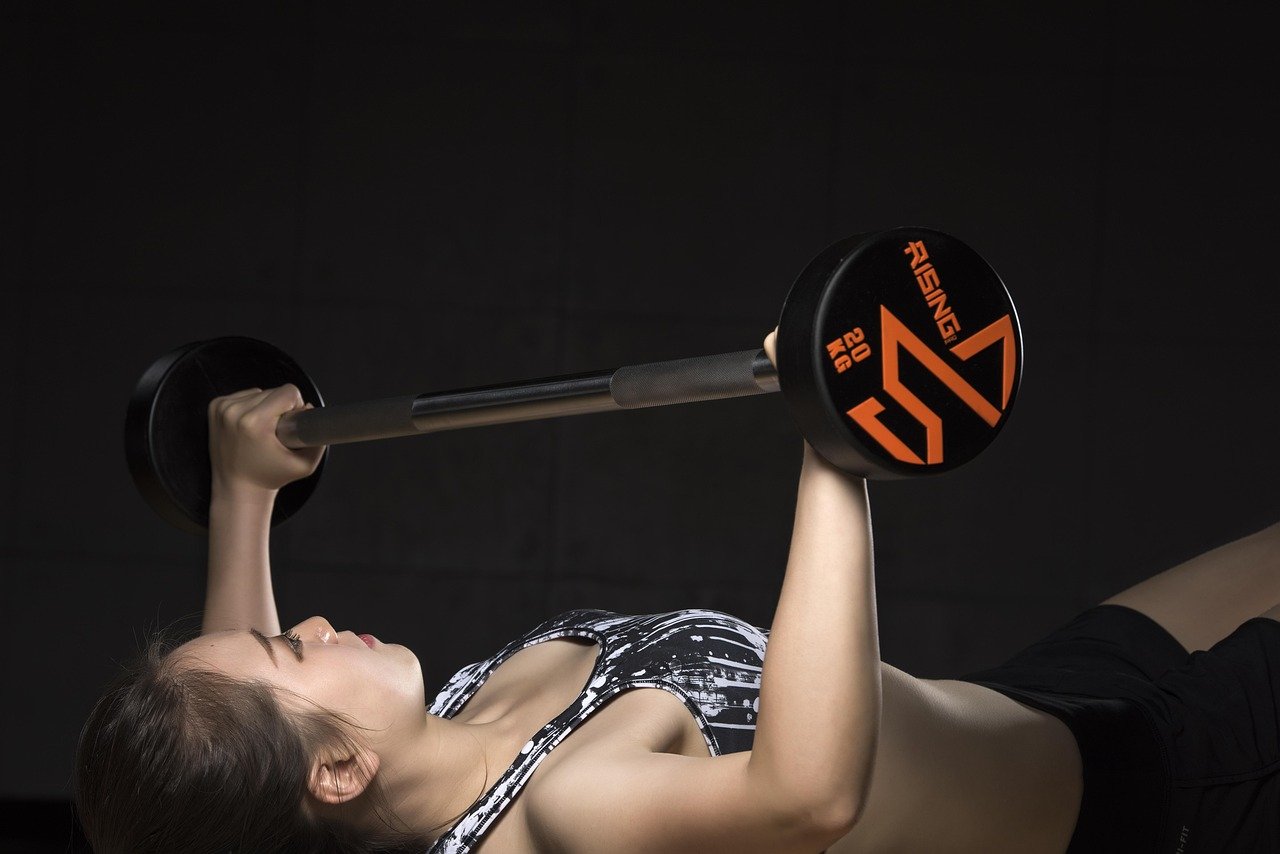
Testing a true 1RM is demanding. It requires a spotter, a proper warm-up, and a willingness to push into territory where form can fall apart. For most people on most days, that is not a smart use of energy. A calculator offers a safer shortcut.
The real value shows up in programming. If you know your estimated max is around 225 pounds, you can set working weights as percentages of that number without ever touching a true single. A typical week might call for sets at 70 to 80 percent of your max, and the calculator gives you a starting point for those figures. It also helps you track progress over time. If your estimated max creeps up month after month, something is working.
There is a psychological benefit too. Hitting a rep PR at a submaximal weight and watching the calculator project a new max can be genuinely motivating. It turns an ordinary set into a data point.
The Formulas Behind the Number
Understanding the math helps you interpret the result. Here is how the two dominant formulas compare across common rep ranges, using a 200-pound lift as the example.
| Reps completed | Epley estimate | Brzycki estimate |
|---|---|---|
| 1 | 207 | 200 |
| 3 | 220 | 212 |
| 5 | 233 | 225 |
| 8 | 253 | 248 |
| 10 | 267 | 270 |
| 12 | 280 | 288 |
A few things jump out. At low reps, the two formulas sit close together. As reps climb, they start to pull apart, and the estimates grow less reliable for reasons that have nothing to do with arithmetic. The formulas assume a steady relationship between reps and fatigue, but real bodies do not cooperate that neatly.
The Epley method is commonly attributed to Boyd Epley and dated to around 1985 in strength-training literature, though the exact original publication is often cited loosely. The Brzycki method is attributed to Matt Brzycki and appeared in his book on practical strength training, with edition years that vary depending on the citation. If you plan to quote either date, treat it as “commonly attributed” rather than settled fact.
Where the Estimate Starts to Slip
Formula-based estimates are least reliable at high rep counts, roughly above ten reps. This is a rule of thumb rather than a hard scientific line, but the reasoning is sound. A set of fifteen reps tests muscular endurance as much as raw strength, and endurance varies enormously between individuals. Two lifters with identical maxes can complete very different numbers of reps at a light weight.
Training status matters too. Beginners often see estimates that overshoot their true max, because their form improves rep to rep and their nervous system is still learning the movement. Advanced lifters may see estimates that undershoot, because they are highly efficient at grinding out reps. Exercise selection, bar speed, rest between sets, and even how much sleep you got the night before all nudge the result.
Direct 1RM testing remains the reference standard. The calculator is a convenience, not a measurement. That is not a knock against it. It just means the output deserves a healthy dose of skepticism, especially at the edges of its useful range.
How to Get a Number You Can Trust
The quality of the estimate depends heavily on the quality of the input. A few habits make a real difference.
- Use a set of three to eight clean reps. This is the sweet spot where formulas tend to agree and error stays modest. Very low reps leave little room for error, and very high reps invite endurance to muddy the picture.
- Stop at technical failure, not absolute failure. The last rep should look like the first one. If your hips lift or the bar path wobbles, you have gone past the useful point.
- Do not count a rep you had to fight for with bad form. A spotter’s helping hand disqualifies the rep entirely.
- Warm up properly first. Cold muscles produce misleading numbers, usually on the low side.
- Repeat the test on a different day. If two estimates land close together, you can trust the figure more. If they diverge wildly, something in your setup is inconsistent.
It also helps to know whether your tool rounds to the nearest plate increment and whether it accepts kilograms or pounds. Two calculators can return slightly different results for identical inputs purely because of these implementation details. That is a design choice, not a scientific disagreement.
Reading the Output Without Overreacting
Once you have a number, resist the urge to treat it as a personal record. A calculator output is an estimate for programming convenience. It is not a measured max, and it should never be treated as a competition or medical figure.
A sensible approach is to build in a buffer. If the calculator says 250, plan your heavy work off something closer to 240. That small cushion accounts for formula error, bad days, and the gap between an estimate and reality. You lose almost nothing in training stimulus and gain a lot in safety margin.
It also pays to revisit the estimate regularly. Recalculate every four to six weeks using a fresh set, and watch the trend rather than any single reading. A rising trend over months is meaningful. A jump of ten pounds after one good session is probably noise.
Safety Comes Before the Number
Maximal bench pressing carries real injury risk, and guidelines generally recommend trained spotters and proper technique for heavy attempts. Public-health and sports-medicine bodies publish general resistance-training guidance rather than bench-specific 1RM protocols, so there is no single authoritative standard for testing a bench max. The common-sense version is straightforward: use safety pins or a spotter, keep your shoulders packed, and never chase a number when you are alone in a garage gym.
The calculator is actually a safety tool in disguise. By giving you a way to estimate your max without testing it, it removes much of the temptation to load a bar you are not ready for. That alone justifies keeping one bookmarked.
Common Mistakes That Skew the Result
Most bad estimates trace back to a handful of repeat offenders. Counting reps with a bounce off the chest inflates the estimate. Using a weight you only half-controlled on the way down does the same. Mixing dumbbell and barbell numbers, or forgetting that a machine press moves differently from a free-weight bench, throws the math off entirely. (Press on nail removal)
Another frequent error is testing after a brutal workout. Fatigue suppresses performance, and the calculator will faithfully report a lower max than you actually own. Test fresh, or accept that the number is a floor rather than a ceiling.
Finally, some lifters plug in a rep count from a set that included rest-pause or a long pause at the top. Those techniques change the fatigue curve, and the standard formulas were not built for them.
Turning the Estimate Into a Training Plan
The real payoff comes when the number feeds into something useful. A simple percentage-based approach works well for most lifters.
| Goal | Percentage of estimated 1RM | Typical reps |
|---|---|---|
| Technique work | 60 to 70 percent | 8 to 10 |
| Hypertrophy | 65 to 80 percent | 6 to 12 |
| Strength | 80 to 90 percent | 3 to 6 |
| Peaking | 90 percent and up | 1 to 3 |
Run a block at these percentages for a few weeks, retest with a moderate set, and recalculate. The estimate becomes a moving target that reflects your actual progress rather than a static number from months ago.
Conclusion
A bench press calculator is a genuinely useful tool, provided you understand what it is and what it is not. It is a formula-driven estimate, strongest in the three-to-eight rep range, weakest at the extremes, and always a step removed from a measured max. Use clean reps, build in a buffer, retest regularly, and let the trend guide you rather than any single reading. Do that, and the calculator becomes a quiet, reliable assistant in the background of your training, pointing you toward weights that challenge you without breaking you.
Frequently Asked Questions
How accurate is a bench press calculator?
For sets of three to eight clean reps, formula-based estimates tend to land within a reasonable margin of a true max, though the exact error varies by individual, exercise, and training status. Accuracy drops noticeably above roughly ten reps, where muscular endurance starts to influence the result. Treat the output as a planning estimate, not a measurement.
Which formula is better, Epley or Brzycki?
Neither is universally superior. The two formulas produce similar results at low rep counts and diverge as reps climb. Epley tends to estimate slightly higher at very low reps, while Brzycki can run higher at double-digit reps. Many calculators use one or the other without saying which, so focus on consistent inputs rather than chasing the perfect equation.
Can I use a calculator to find my max without testing it?
Yes, that is precisely what it is for. A set of three to eight clean reps fed into a calculator gives you a working estimate without the risk of a true single. Build a small buffer into the result, around five percent, and use that figure for programming. It is a safer path for most lifters on most days.
Why do two calculators give me different numbers?
Calculators differ in which formula they use, whether they round to the nearest plate increment, and whether they accept kilograms or pounds. These are implementation details rather than scientific disagreements. Pick one tool, use it consistently, and track the trend over time rather than comparing outputs across different calculators.
Does rep speed or rest time affect the estimate?
Yes. Fast, bouncy reps and short rest periods both inflate fatigue and can skew the estimate. The standard formulas assume controlled reps taken to technical failure with reasonable rest beforehand. If your set included rest-pause, long pauses, or a spotter’s assist, the resulting number will not reflect a clean max.
Is it safe to test a true one-rep max instead?
Direct 1RM testing is the reference standard, but it carries injury risk and generally calls for a trained spotter, proper technique, and a thorough warm-up. For most recreational lifters, a calculator-based estimate offers most of the benefit with far less risk. Save true max attempts for competition prep or occasional checkpoints under supervision.









