

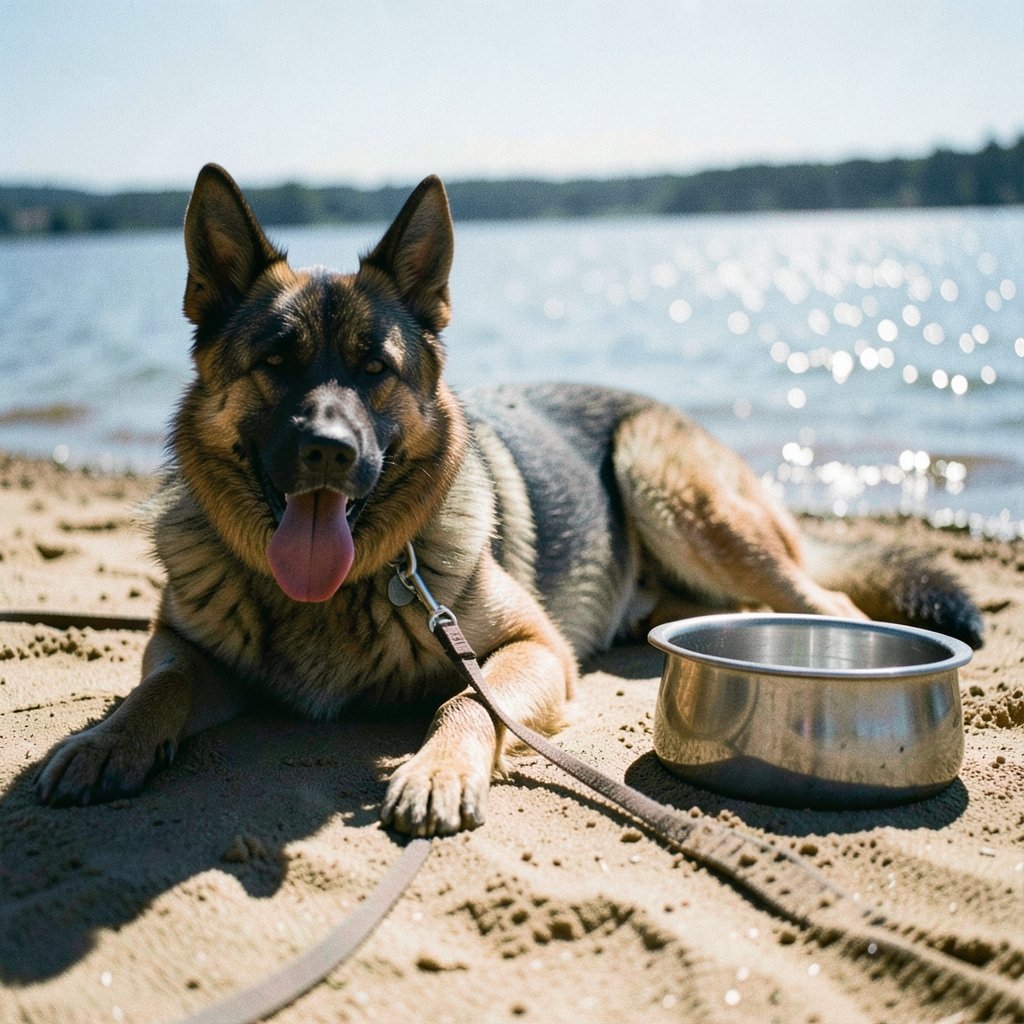
Is your dog sleeping more than usual, turning away from the water bowl, or leaving a sticky film on your hand when you check their gums? Dogs are built to hide weakness, which is exactly why dehydration so often goes unnoticed until it becomes an emergency. A dog can lose a meaningful share of their body water in a single hot afternoon, a bout of vomiting, or a stressful car trip, and the first obvious sign may be a dog that simply won’t get up.
This guide covers what dehydration actually does to a dog’s body, the at-home checks that work (and the ones that mislead), how to rehydrate safely, and the red flags that mean the car keys should already be in your hand. It’s written for real owners, not vet students, so expect plain language and practical steps.
What dehydration actually means for a dog’s body
Water makes up roughly 60 to 70 percent of an adult dog’s body weight, though the exact figure shifts with age and body fat. That water isn’t filler. It carries nutrients, cushions joints, regulates temperature, and keeps blood moving. When intake falls below losses, the body starts rationing. Blood volume drops, the heart works harder, and cells that depend on steady fluid flow begin to struggle.
Veterinary teaching generally describes dehydration as beginning around a 5 percent loss of body water, with losses near 10 percent or more becoming life-threatening. Treat those numbers as rough guideposts rather than hard lines, because different clinical sources set the emergency threshold in slightly different places. What matters for owners is the direction of travel: mild dehydration is manageable, moderate dehydration needs attention, and severe dehydration is a medical event.
Why dogs dehydrate so easily
Several everyday situations push water out faster than a dog can drink it back in.
Vomiting and diarrhea are the most common culprits. Each episode strips fluid and electrolytes, and a dog that feels nauseated often refuses water at exactly the moment they need it most.
Heat and exercise are close behind. Dogs cool themselves mainly by panting, and panting is a water-hungry process. Flat-faced breeds, thick-coated dogs, and older animals lose that race faster than others.
Fever and illness raise fluid needs while suppressing appetite and thirst. Some diseases, including kidney disease and diabetes, cause increased urination that quietly drains reserves.
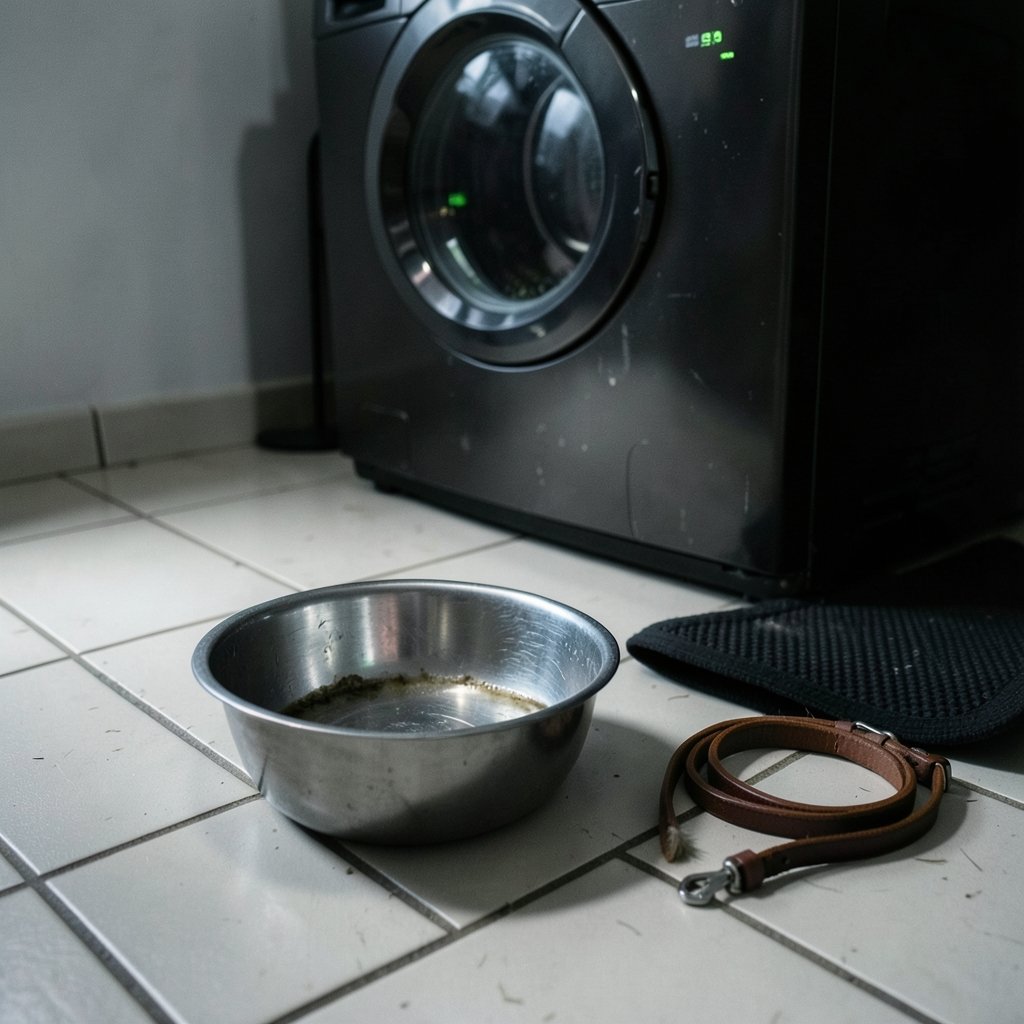
Reduced drinking happens more than people expect. Dogs avoid water during thunderstorms, in unfamiliar places, after a move, or when a water bowl sits next to a noisy appliance. A dog on a long road trip may simply not drink enough, no matter how many rest stops you make.
The at-home checks that actually work
Owners can gather useful information in about thirty seconds. None of these tests replaces a vet, but together they paint a picture.
The skin tent test
Gently pinch a fold of skin on the back of the neck or between the shoulder blades and release it. In a well-hydrated dog, the skin snaps back immediately. In a dehydrated dog, the fold returns slowly or stays standing in a “tent.”
Here’s the catch that trips people up: the skin tent is a screening aid, not a diagnosis. It’s less reliable in older dogs, very thin dogs, and overweight dogs, whose skin behaves differently for reasons unrelated to hydration. A slow return in a senior dog might mean dehydration or might mean age. Never rely on this test alone.
Gums and eyes
Lift the lip and press a finger against the gum above a tooth. The spot should turn pale and then flush pink again within a second or two. Tacky, dry-feeling gums or a slow color return both suggest reduced circulation. Sunken-looking eyes are another warning sign, though eye position varies naturally between breeds.
The less obvious clues
Lethargy, a dry nose (yes, this one is genuinely unreliable, but a persistently dry, cracked nose alongside other signs is worth noting), reduced urine output, and a general “not themselves” attitude all count. A dog that normally greets you at the door and now stays on the bed is telling you something.
When to skip the home care and call the vet
Some situations leave no room for experimentation. Call a veterinarian promptly if a dog shows any of the following:
- Persistent vomiting or diarrhea that lasts more than a few hours
- Collapse, weakness, or inability to stand
- Severe lethargy or confusion
- Signs of heatstroke, including heavy panting, bright red gums, drooling, or wobbliness
- Refusal to drink for more than a day
- Known kidney disease, diabetes, or another chronic condition
Severe dehydration usually needs intravenous fluids, which means a clinic visit. Oral fluids given to a vomiting dog often come straight back up, and forcing water into a dog that can’t keep it down can make matters worse. (The row)
How to rehydrate a mildly dehydrated dog at home
For a dog that is alert, drinking, and not vomiting, small and frequent is the winning strategy. Large gulps of water at once can trigger vomiting, which undoes the whole effort.
- Offer small amounts of fresh water every 15 to 20 minutes rather than refilling a giant bowl and walking away.
- Add water to food. A splash of warm water over kibble, or a wet food meal, delivers fluid without the dog noticing they’re “drinking.”
- Try an oral electrolyte product made for pets if a vet has suggested one. Human sports drinks are not a good substitute, since the sugar and sodium balance is wrong for dogs.
- Keep the dog calm and cool. Move them out of the sun, offer shade, and skip the walk until they’re back to normal.
- Track progress. Watch for a return of normal gum moisture, energy, and urine output over the next few hours.
If a dog refuses all fluids, or if home efforts don’t produce improvement within a few hours, that’s the moment to call the clinic rather than push through the night.
Common mistakes owners make
A few well-meaning habits backfire more often than people realize.
Forcing water with a syringe into a dog that is vomiting or struggling can cause aspiration, where fluid enters the airway. Unless a vet has specifically instructed it, don’t.
Assuming a drinking dog can’t be dehydrated. Some dogs drink but lose more than they take in, especially with vomiting, diarrhea, or heat exposure. Intake and hydration status are different questions.
Waiting for the skin tent to fail. By the time the tent test is clearly abnormal, dehydration is often already moderate. Look at the whole picture, including behavior and gums.
Skipping water breaks on hot walks. Dogs don’t self-regulate well during exciting activities. A dog chasing a ball will run past the point where they should stop. Bring water and enforce breaks, particularly for flat-faced breeds and heavy-coated dogs.
Ignoring breed and coat differences. A thick double coat traps heat, and short-nosed breeds have less efficient cooling. Both groups need more careful water management in warm weather. Grooming matters too, though coat type varies enormously across breeds, from the tight curls often seen in 4c hair on human heads to the loose waves of a 2b hair pattern, and dog coats follow their own rules entirely.
Preventing dehydration before it starts
Prevention is mostly about boring consistency, and boring consistency works.
Fresh water at all times is the foundation. Wash bowls daily, because a slimy bowl puts dogs off drinking. Some dogs prefer running water from a fountain, and that preference is worth respecting if it gets them drinking more.
Multiple water stations help in multi-dog homes and on different floors. A dog shouldn’t have to compete for access.
Extra water during heat and exercise means offering it before, during, and after activity, rather than only at the end. On very hot days, shift walks to early morning or evening.
Prompt vet attention for vomiting or diarrhea prevents the slow slide from mild to serious. A day of stomach upset is common; two days without keeping water down is a problem.
Know your dog’s normal. How much do they typically drink? What do their gums feel like when healthy? Owners who know the baseline spot changes far sooner than those who don’t. A simple habit is to check gums during regular cuddles, so the healthy version is familiar.
If you track anything, track water intake during hot spells and illness. It’s the single most useful number an owner can bring to a vet visit.
A quick comparison: mild vs. emergency signs
| Sign | Mild dehydration | Needs urgent vet care |
|---|---|---|
| Energy | Slightly quiet, still responsive | Collapsed, unable to stand, confused |
| Gums | Tacky but pink | Dry, bright red, or pale |
| Skin tent | Returns slowly | Stays tented |
| Drinking | Interested but drinking less | Refusing all fluids |
| Digestion | Occasional loose stool | Repeated vomiting or diarrhea |
| Eyes | Normal or slightly sunken | Clearly sunken, staring |
Use this as a rough sorting tool, not a diagnosis. When in doubt, the safer call is always the vet.
Conclusion
Dehydration in dogs rarely announces itself with drama. It creeps in through a skipped water break, a stomach bug, or an afternoon in the sun, and the earliest signs are easy to wave off as tiredness. The good news is that owners hold most of the cards: fresh water, sensible heat management, a thirty-second gum and skin check, and a low threshold for calling the clinic when something feels off. Mild cases usually respond well to small, frequent sips and a calm, cool environment. Severe cases need professional fluids, and recognizing that line quickly is what keeps a bad afternoon from becoming a serious medical event. Learn your dog’s normal, watch the water bowl, and trust your instincts when they say something has changed.
How much water should a dog drink each day?
Daily needs vary with size, activity, diet, and weather. A common rough guide is around one ounce of water per pound of body weight per day, with more in heat or after hard exercise. Dogs eating wet food take in some water through meals, so their bowl intake may be lower. The more useful skill is knowing your own dog’s typical amount so you can spot a drop.
Can a dog be dehydrated and still drink normally?
Yes. A dog can drink and still lose ground if vomiting, diarrhea, fever, or heat exposure drains fluid faster than they replace it. That’s why owners should check gums and skin elasticity rather than relying on whether the bowl looks touched.
Is the skin tent test reliable?
It’s a helpful screening tool but not a diagnosis. The test is less reliable in older dogs, very thin dogs, and overweight dogs, whose skin behaves differently for reasons unrelated to hydration. Use it alongside gum checks, energy level, and urine output.
Should I give my dog sports drinks or human electrolytes?
Generally no. Human sports drinks have a sugar and sodium balance designed for people, not dogs. If a vet recommends an oral electrolyte product, use one formulated for pets and follow the dosing guidance given.
What should I do if my dog won’t drink at all?
Try tempting tactics first: add water to food, offer a wet food meal, or switch to a different bowl or running water source. If a dog refuses all fluids for a full day, or shows lethargy, vomiting, or collapse alongside the refusal, contact a veterinarian rather than waiting.
Can dehydration cause long-term problems in dogs?
Mild, quickly corrected dehydration usually leaves no lasting effects. Severe or prolonged dehydration is harder on the body and can affect organ function, particularly the kidneys, which is why prompt treatment matters. Dogs with chronic kidney disease or diabetes need closer monitoring because their fluid balance is already under strain.









