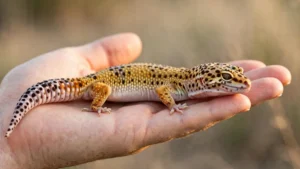
What if one of the world’s most popular pet reptiles had been written off as extinct for nearly a century? That is exactly what happened with the crested gecko. The species vanished from the scientific record for decades, was presumed gone, and then turned up again in 1994 on a small island in the South Pacific. Today it is one of the most widely kept lizards on the planet, yet plenty of new owners still treat it like a generic desert reptile. It is not. Get a few fundamentals right and this animal is genuinely forgiving. Get them wrong, and you end up with a stressed, skinny gecko that quietly declines.
A Gecko That Came Back From the Dead
The crested gecko goes by the scientific name Correlophus ciliatus. For a long time it was classified as Rhacodactylus ciliatus, and in 2012 the genus was revised, moving the species into Correlophus. Many older care sheets and forum posts still use the old name, which is why beginners sometimes think they are reading about two different animals.
The species was first described in 1866. Then it disappeared. No confirmed records came in for generations, and scientists assumed it had died out. In 1994, surveys in southern New Caledonia found living populations, and the reptile world has been a little obsessed ever since.
That backstory matters for keepers, because it explains the legal picture. The crested gecko is native to southern New Caledonia, a French territory, and it is protected there. International commercial trade is regulated under CITES Appendix III, listed by New Caledonia. The conservation status is Vulnerable on the IUCN Red List. Almost every crested gecko in the pet trade today is captive bred, and that is the only responsible way to source one.
Why It Looks the Way It Does

The name comes from the crest: a ridge of hair-like scales that runs from above each eye down to the nape of the neck. That fringe is why the species is nicknamed the eyelash gecko. It gives the face a slightly startled, permanently surprised expression that people find hard to resist.
Two other anatomical details are worth knowing because they affect handling and husbandry:
- No eyelids. Like many geckos, it has a transparent spectacle over each eye instead of a movable lid. It cleans the surface by licking it. This means eye injuries and stuck shed around the eye are worth taking seriously.
- Adhesive toe pads. Fine hair-like structures called setae let the gecko cling to smooth surfaces, including glass. A crested gecko can and will walk up the side of its enclosure, which is why a secure, tall tank matters more than a wide, short one.
That climbing ability is also a practical warning. Lids must latch. A gecko that can scale glass can also find the one gap you did not check.
Setting Up the Enclosure Properly
This is where most beginners go wrong, and it is usually not because they are careless. It is because they copy setups built for leopard geckos or bearded dragons. Crested geckos are arboreal. They live up in vegetation, not on hot sand.
Size and orientation
A vertical enclosure suits them far better than a long, low one. Height gives climbing space; width matters less. A single adult does well in a tall tank with plenty of vertical structure, and bigger is generally better as long as it stays cluttered. A large, empty tank makes a gecko feel exposed.
Temperature, not baking heat
Crested geckos come from a subtropical island climate. They do not want a hot basking spot. Room temperature in the low to mid 70s Fahrenheit suits them well, and they tolerate cooler nights better than sustained heat. A tank that climbs into the high 80s is genuinely dangerous for this species. Many experienced keepers skip heat lamps entirely in climate-controlled homes and simply monitor the room.
Humidity and shedding
Moderate to high humidity supports healthy shedding. A gecko that cannot shed cleanly can lose toes or retain shed around the eyes and tail. Misting the enclosure, plus a moisture-retaining substrate, does most of the work. A simple hygrometer takes the guesswork out of it.
Clutter and cover
Live or artificial plants, cork bark tubes, and horizontal perches give the gecko places to hide and climb. The goal is a tank that looks slightly overgrown. Bare glass and a single hide is a setup that produces a hiding, inactive animal.
Feeding a Crested Gecko Without the Guesswork
In the wild, the crested gecko is omnivorous, eating insects and fruit. In captivity, the standard approach is a complete commercial fruit-based diet as the staple, with insects offered as a supplement. That commercial diet is not a shortcut; it is formulated to cover the animal’s nutritional needs, and it removes a lot of the supplement guesswork that trips up new keepers.
Practical points that actually matter:
- Follow the mixing ratio on the diet you buy. Too thick and it clogs; too watery and it spoils fast.
- Offer fresh food and remove what is left. Fruit-based diets grow bacteria quickly in a warm, humid tank.
- Feed in the evening. Crested geckos are most active after dark.
- Keep a shallow water dish even though many geckos drink droplets from leaves after misting.
- Do not overdo insects. They are a supplement, not the base of the diet, and a gecko stuffed with insects may ignore its balanced food.
A healthy crested gecko has a plump, slightly rounded body and a thick tail. A sunken, bony look is a red flag, not a personality quirk.
Handling, Stress, and the Tail Question
Crested geckos are generally calm and tolerate gentle handling, but they are not toys. Short sessions, a quiet room, and letting the animal walk onto your hand rather than grabbing it all reduce stress. Juveniles are skittish; adults usually settle.
Then there is the tail. This species can drop its tail as a defense mechanism, and unlike many lizards, it does not grow back. A tailless crested gecko is often called a “frog butt” in the hobby, and it lives a perfectly normal life without it. Still, losing the tail is a sign the animal felt threatened, so it is worth reviewing handling and enclosure conditions rather than shrugging it off.
Breeding Basics, Without the Hype
Crested geckos breed readily in captivity, which is part of why the pet population is so large. Females typically lay two hard-shelled eggs per clutch and can produce several clutches in a season. Incubation runs roughly 60 to 120 days depending on temperature. Those ranges come from hobby literature and vary between sources, so treat them as approximate rather than fixed rules.
The more important point for a casual owner is that breeding is not a casual project. It requires space for hatchlings, reliable record-keeping, and a plan for the offspring. The market is already well supplied by established breeders. (The row)
Common Mistakes That Actually Cause Problems
Some errors show up again and again in beginner setups. None of them are exotic, and all of them are fixable.
| Mistake | Why it hurts | What works instead |
|---|---|---|
| Using a desert-style hot tank | Heat stress and dehydration | Room-temperature enclosure, cool end available |
| Bare, sparse enclosure | Hiding, inactivity, stress | Dense plants, cork bark, vertical perches |
| Feeding only insects | Unbalanced nutrition | Complete fruit-based diet as staple |
| Ignoring humidity | Bad sheds, lost toes | Misting plus a hygrometer reading |
| Handling too long or too often | Stress, possible tail drop | Short, calm, infrequent sessions |
| Buying wild-caught animals | Legal and welfare problems | Captive-bred only |
If you have kept other reptiles, the single biggest mental shift is this: crested geckos are not basking lizards. They want moderate temperatures, high humidity, and vertical space. Owners who also keep species with very different coat and care needs, whether that means reading up on 4c hair for a completely unrelated pet project or comparing notes on 2b hair in a different context entirely, sometimes assume all care routines transfer between subjects. They do not. Each animal has its own requirements, and the crested gecko’s are specific.
Is a Crested Gecko the Right Reptile for You?
For a lot of people, yes. The species is hardy when housed correctly, does not need expensive lighting rigs, eats a prepared diet, and is generally handleable. It is also quiet, does not need daily feeding, and fits into a normal home without a dedicated reptile room.
The honest downsides: it needs consistent misting, it is nocturnal so you will not watch it hunt in daylight, and it can drop its tail. It also lives for a long time. Crested geckos are a multi-year commitment, not a short experiment.
Prospective owners should also think about sourcing. Because the species is protected in its native range and regulated in trade, buying from a breeder who can explain the animal’s origin is the sensible route. A cheap gecko of unknown background is rarely a bargain.
One more practical note: many keepers find that a well-planted enclosure with a good vertical layout does more for the animal’s wellbeing than any single piece of equipment. If you enjoy building a small habitat, this species rewards that effort. If you want a pet you can handle daily and forget about between sessions, a crested gecko will still cope, but it will not thrive the way a properly set-up animal does. Think of the setup as the pet, and the gecko as the reward.
For anyone coming from other animal hobbies, the pattern is familiar: the species gets popular, care advice gets repeated, and some of that advice drifts away from what the animal actually needs. The crested gecko’s case is unusual only because the animal was declared extinct before it became a pet. Getting the basics right, moderate temperatures, high humidity, vertical space, a complete diet, and captive-bred sourcing, puts you ahead of most of the misinformation out there.
Conclusion
The crested gecko is a small reptile with an outsized story: described in 1866, presumed extinct, rediscovered in 1994, and now one of the most bred lizards in the world. It is also a genuinely good captive animal, provided it is kept as an arboreal, subtropical species rather than a desert one. Moderate temperatures, real humidity, a tall and cluttered enclosure, a complete fruit-based diet with insects as a supplement, and patient handling cover almost everything. Buy captive bred, respect the species’ protected status in the wild, and expect a long-lived companion rather than a short-term novelty. Do that, and the gecko that came back from the dead will comfortably outlast your expectations.
Frequently Asked Questions
How long do crested geckos live?
Crested geckos are long-lived for their size, and many captive animals reach well into their teens. This is one of the main reasons to think carefully before buying one. A gecko is a multi-year commitment, and owners should plan for a decade or more of consistent care rather than treating it as a short-term pet.
Do crested geckos need a heat lamp?
Usually not. They come from a subtropical climate and do best at moderate room temperatures, roughly the low to mid 70s Fahrenheit. Sustained heat in the high 80s is dangerous for them. Many keepers in climate-controlled homes use no heat source at all and simply monitor the room with a thermometer.
Can crested geckos regrow their tails?
No. Unlike many lizards, a crested gecko that drops its tail does not grow a new one. The animal lives a normal life without it, and tailless geckos are common in the hobby. Still, a dropped tail signals stress or a scare, so it is worth reviewing handling habits and enclosure conditions afterward.
What do crested geckos eat?
In the wild they are omnivorous, eating insects and fruit. In captivity the staple is a complete commercial fruit-based diet, with insects offered as a supplement. Fresh food should be replaced regularly and leftovers removed, since prepared diets spoil quickly in a warm, humid enclosure.
Are crested geckos good for beginners?
Generally yes, with the right setup. They are hardy when housed correctly, do not require elaborate lighting, and are usually calm enough to handle gently. The main adjustments for beginners are providing vertical space, maintaining humidity, and avoiding the desert-style hot enclosures used for other common pet lizards.
Is it legal to own a crested gecko?
In most places, yes, provided the animal is captive bred. The species is protected in its native New Caledonia and international commercial trade is regulated under CITES Appendix III. Buy from a breeder who can explain the animal’s origin, and check your own local rules, since regulations vary by country and region.