

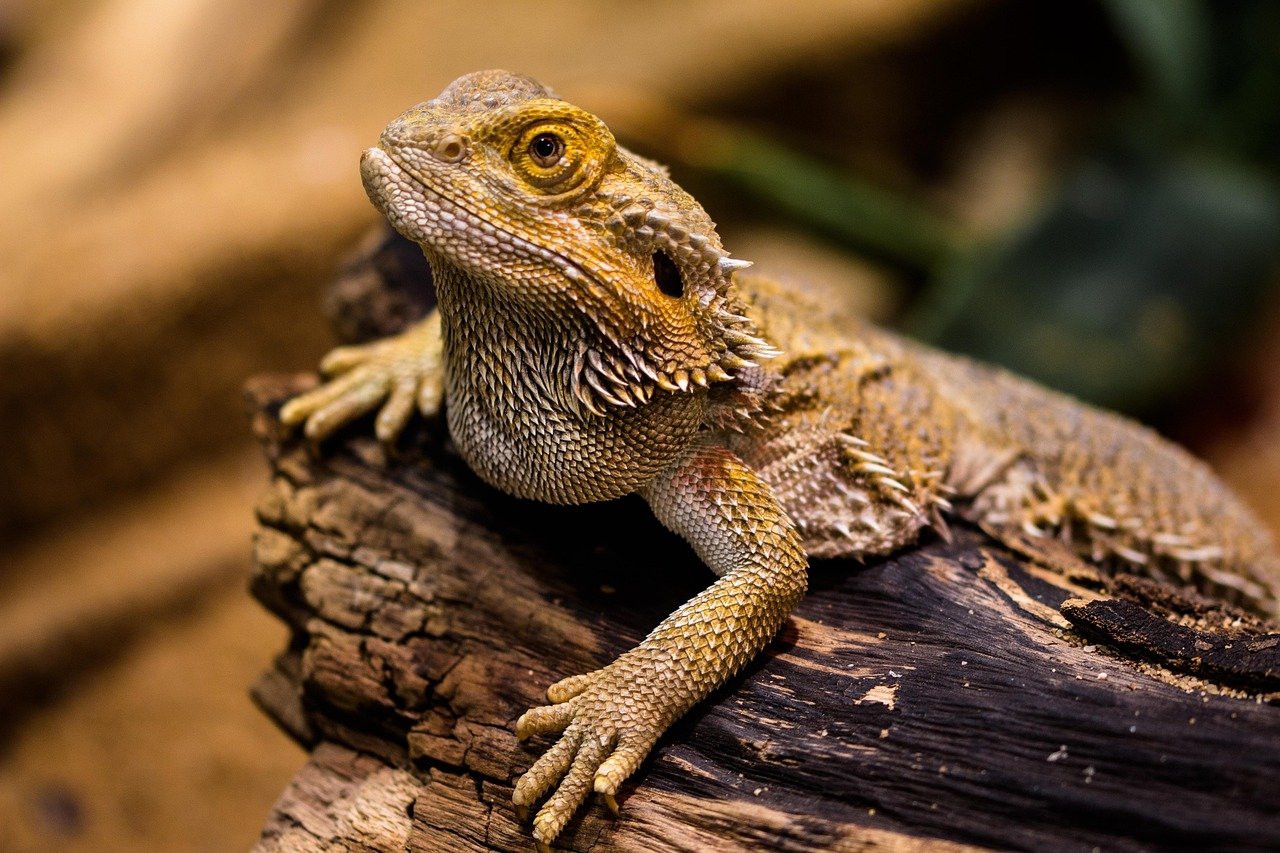

How long does a bearded dragon actually live? Ask five keepers and you will get five different answers, ranging from a gloomy “mine died at four” to a cheerful “my girl is fourteen and still bossing me around.” Both can be true. The bearded dragon lifespan is not a single fixed number. It is a range shaped by genetics, husbandry, diet, lighting, and a fair amount of luck, and the gap between a well-kept dragon and a poorly kept one is measured in years, not months.
This article walks through the realistic numbers, explains what separates a long-lived dragon from a short-lived one, and flags the mistakes that quietly shave years off an animal’s life. It also separates what is genuinely known from what is repeated so often in care sheets that everyone assumes it must be true.
The Short Answer: Eight to Twelve Years
For a captive bearded dragon, most keepers and reptile veterinarians put the typical lifespan at roughly 8 to 12 years, with occasional animals reaching the mid-teens. That figure is a consensus range drawn from clinical practice and keeper experience rather than from a single long-term demographic study. It is worth saying plainly: peer-reviewed longevity data for Pogona vitticeps are thin. Much of what circulates as “the lifespan” travels through veterinary reference books and care guides, not through controlled research.
That does not make the range useless. It makes it a benchmark. If a dragon dies at three, something went wrong. If a dragon reaches thirteen, the keeper did a lot of things right.
Wild lifespan is generally reported as shorter, often in the region of 5 to 8 years, though field data are sparse and hard to verify. Predation, drought, food scarcity, and the sheer cost of living outdoors all take a toll. Captivity removes those pressures but introduces new ones, which is why a captive dragon is not automatically guaranteed a longer life. A bad setup can be worse than the outback.
Why the Numbers Are Fuzzy
Three things blur the picture. First, species confusion: “bearded dragon” covers several Pogona species. The Rankin’s dragon (Pogona barbata) is smaller and often reported to live a shorter life, so lifespan claims get mixed up between species. Second, fuzzy record-keeping: many owners do not know their dragon’s exact hatch date, and pet-store animals often arrive with no history. Third, survivorship bias: people whose dragons died young tend to leave the hobby quietly, while people with a twelve-year-old post about it. The animals you hear about are the survivors.
What Actually Drives Longevity
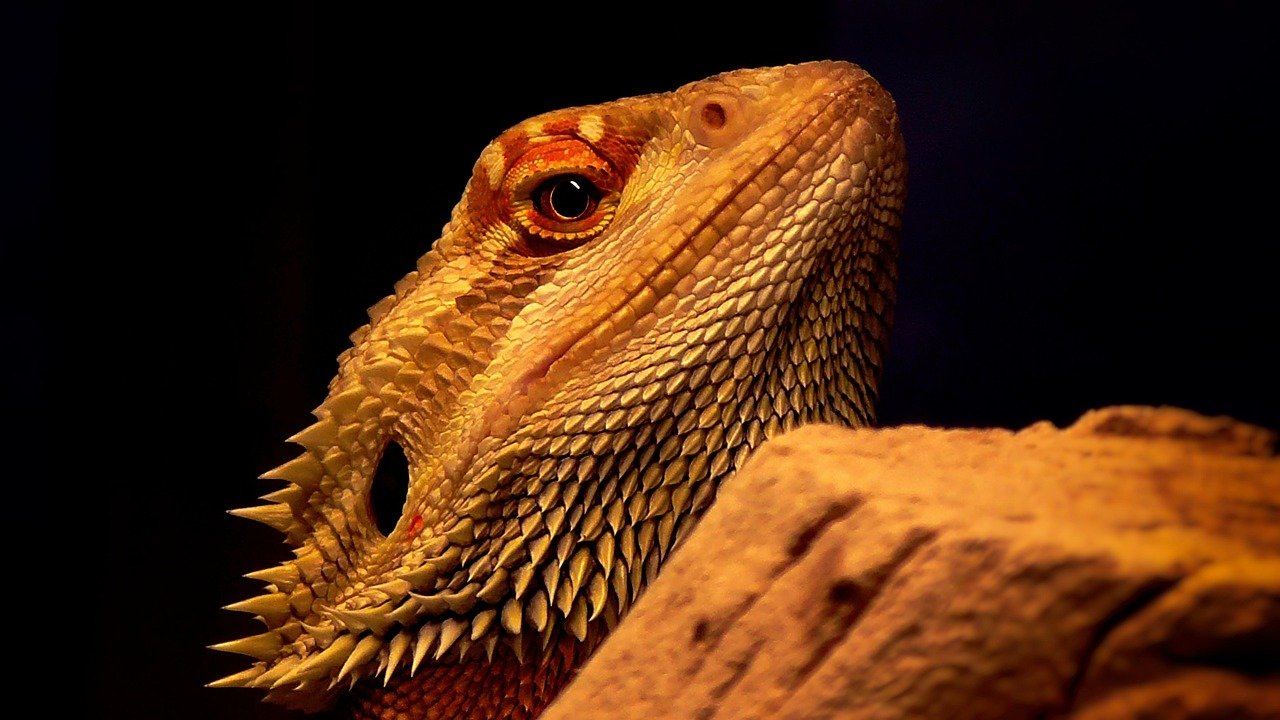
If you want a dragon that hits double digits, the levers are not mysterious. They are just unforgiving. Husbandry factors such as diet, UVB lighting, the temperature gradient, obesity, and metabolic bone disease are the ones most commonly linked to captive longevity, based on clinical experience and case reports rather than controlled trials. That caveat matters, but the direction of the evidence is consistent across every keeper and vet you will meet.
Lighting and UVB
A bearded dragon is a desert basking lizard. It needs a temperature gradient so it can thermoregulate, a hot basking spot at one end and a cooler zone at the other, plus UVB lighting so it can synthesize vitamin D3 and process calcium. Get this wrong and you get metabolic bone disease: soft jaws, tremors, deformed limbs, and sometimes a shortened life. Replacing UVB bulbs on schedule matters too, because output fades long before the bulb visibly dies. Many keepers treat the bulb’s box date as the start of a countdown, not the day it stops glowing. (The row)
Diet and Obesity
Bearded dragons are opportunistic omnivores, and captive ones are overfed far more often than underfed. A diet heavy in fatty insects and light on greens produces a fat, sluggish dragon with fatty liver issues and a shortened horizon. The practical rule most experienced keepers follow: greens as the staple for adults, insects as a supplement, with portion sizes that would disappoint a dragon. Juveniles need more protein for growth; adults need restraint. It is genuinely hard to say no to a dragon that tilts its head at you. Say no anyway.
Hydration and Substrate
Dehydration is an underrated killer. Dragons do not always drink from bowls, so many keepers offer water by misting greens or providing shallow baths. Loose substrate that gets swallowed, especially calcium sand marketed as “digestible,” is a classic beginner mistake and a common cause of impaction. Paper towel or tile is boring. Boring is safe.
Genetics and Breeding
Some of the same genes that produce striking morphs, the silkbacks, the leatherbacks, the dramatic colors, come with health trade-offs. Silkbacks in particular lack the protective scales that normally guard against injury, and they need gentler handling and more careful husbandry. Buying from a breeder who can tell you the parents’ ages and health history gives you better information than a big-box store ever will.
Captive vs Wild Lifespan at a Glance
| Factor | Wild Bearded Dragon | Well-Kept Captive Dragon |
|---|---|---|
| Typical lifespan | Roughly 5 to 8 years (estimates vary) | Roughly 8 to 12 years, sometimes mid-teens |
| Main threats | Predation, drought, food scarcity | Husbandry errors, obesity, metabolic bone disease |
| Diet | Variable, seasonal, self-regulated | Consistent but easy to overdo |
| Veterinary care | None | Available, and decisive when used early |
| Main advantage | Natural selection, natural conditions | No predators, controlled temperatures, treatment |
The table makes the trade-off visible. Captivity removes the wild’s random brutality and replaces it with a set of problems that are entirely within the keeper’s control. That is good news, mostly.
Common Mistakes That Shorten a Dragon’s Life
A few errors show up again and again, and each one costs years rather than days.
- Coil or compact UVB bulbs in the wrong fixture. These often deliver uneven or insufficient UVB. A linear tube bulb rated for the enclosure size is the safer default.
- No thermometer, or a thermometer measuring the wrong thing. Stick-on dial gauges measure glass, not basking surface. An infrared temperature gun tells you what the dragon actually feels.
- Feeding insects that are too large or too fatty. Superworms and waxworms as staples are a shortcut to an obese dragon.
- Skipping calcium and multivitamin dusting. Especially for growing juveniles and egg-laying females.
- Ignoring brumation. A dragon that slows down and stops eating in winter is not necessarily sick, but a keeper who does not know the difference between brumation and illness can miss a real problem.
- Delaying the vet visit. Reptiles hide illness well. By the time a dragon looks sick, it has often been sick for weeks.
If you keep other reptiles too, the same logic applies across species, whether you are managing the tighter curls of 4c hair on a human head or a completely different scaly resident. The point is that consistent, boring, daily care beats dramatic intervention every time. (2b hair)
What an Annual Vet Visit Actually Catches
Reptile veterinarians see a lot of bearded dragons, and the most useful thing they do is not emergency surgery. It is the routine exam: weighing the animal, checking the jaw and limb bones, looking at the eyes and mouth, and asking about the setup. Weight trends are the single most underrated diagnostic tool in reptile medicine. A dragon that has slowly gained forty grams over a year is heading somewhere different from one that has lost twenty.
Fecal checks catch pinworms and coccidia before they become a crisis. Bloodwork, where available, gives a baseline you can compare against later. None of this is glamorous, and none of it is expensive relative to the cost of treating a late-stage problem.
How to Judge a Bearded Dragon’s Age
Hatch dates are rarely known for adult rescues, so keepers estimate. Juveniles are small and proportionally large-headed. Adults fill out, and older animals often show wear: duller scales, thicker toes, a certain settled grumpiness. There is no reliable way to age an adult dragon precisely from appearance alone, which is why breeders’ records matter so much. If someone sells you a “two-year-old” with no paperwork, treat the number as a guess.
This is also where the species question returns. A Rankin’s dragon and a central bearded dragon look similar as babies and diverge quickly, and their expected lifespans differ. Knowing exactly what you have is the first step in knowing how long to expect it to stay.
Conclusion
The bearded dragon lifespan lands, realistically, somewhere between 8 and 12 years in captivity, with outliers on both ends and a shorter span in the wild. Those numbers are a benchmark, not a promise. The difference between a dragon that dies at five and one that reaches thirteen is rarely dramatic. It is a linear UVB tube replaced on time, a basking spot measured with a real thermometer, greens offered before bugs, and a vet who knows the animal’s baseline weight.
None of that is exciting. All of it works. A bearded dragon is a decade-long commitment dressed up as a friendly little lizard, and the keepers who treat it that way are the ones posting photos of a fourteen-year-old dragon who still expects to be hand-fed.
Frequently Asked Questions
How long do bearded dragons live as pets?
Most captive bearded dragons live roughly 8 to 12 years, with some reaching the mid-teens. The range depends heavily on lighting, diet, temperature control, and veterinary care. It is a consensus figure from keeper and veterinary experience rather than a single study, so treat it as a realistic benchmark rather than a guarantee.
Do bearded dragons live longer in captivity or in the wild?
Captivity generally offers the longer life, with wild dragons often reported at around 5 to 8 years, though field data are sparse. Captive animals avoid predators, drought, and food scarcity. That advantage only holds if the enclosure is set up correctly, since poor husbandry can shorten a captive dragon’s life below what it might have achieved outdoors.
What is the oldest bearded dragon on record?
Claims of very old bearded dragons circulate widely, but they are hard to verify because most animals lack documented hatch dates. The mid-teens is the realistic upper end that most experienced keepers and veterinarians report seeing. Anyone quoting an extraordinary age should be able to show records, and most cannot.
Does tank size affect a bearded dragon’s lifespan?
Indirectly, yes. A tank that is too small makes it hard to create a proper temperature gradient, limits exercise, and increases stress. An adult needs a long enclosure with a distinct hot zone and cool zone. Cramped housing does not kill quickly, but it contributes to the obesity and inactivity that shorten lives.
Why did my bearded dragon only live a few years?
The most common culprits are metabolic bone disease from inadequate UVB or calcium, obesity from overfeeding, impaction from swallowed substrate, and delayed veterinary care. Chronic dehydration and incorrect temperatures also play a role. If a dragon dies young, it is worth reviewing the setup honestly rather than assuming bad luck.
Can I tell how old a bearded dragon is?
Only roughly. Juveniles are small with proportionally large heads, adults fill out, and older animals often show worn scales and thicker toes. Without a hatch date from a breeder, any age estimate is a guess. If age matters to you, buy from a breeder who keeps records, and ask about the parents’ ages and health.









