


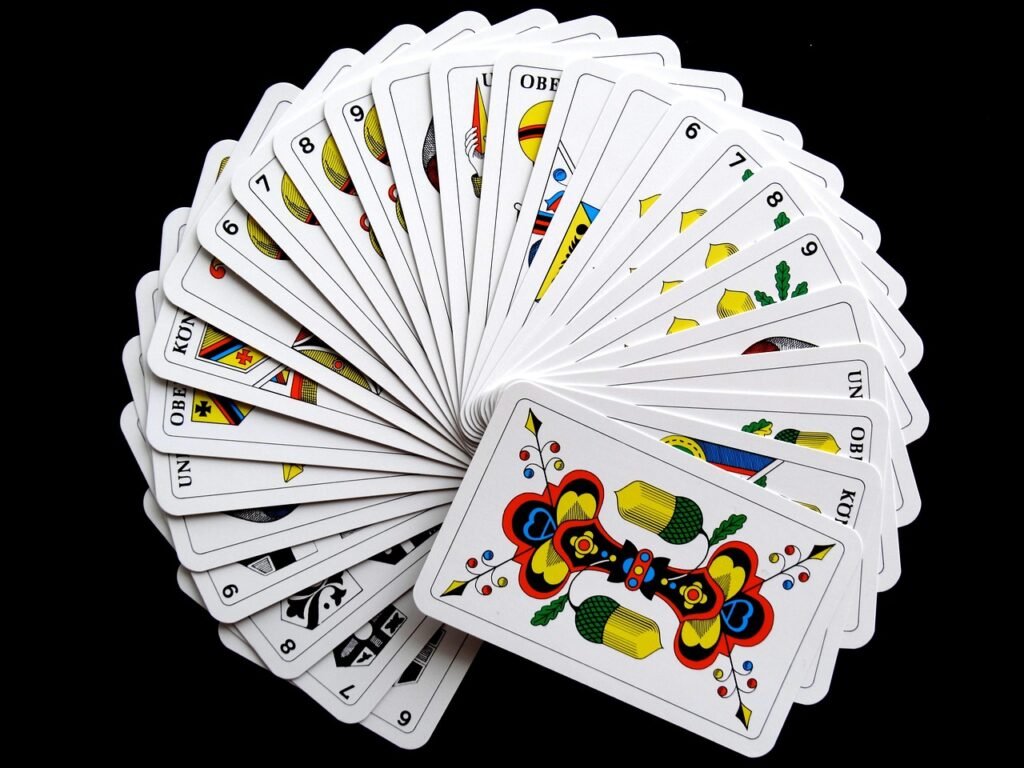
What happens when someone flips the fourth King and the whole circle goes quiet? In Kings Cup, that moment is the heart of the game. The person who draws it has to drain the cup in the middle of the table, and everyone else gets to watch. That single rule explains why the game has lasted for decades at parties, dorm rooms, and backyard gatherings.
The tricky part is that Kings Cup has no official rulebook. Unlike bridge or tournament poker, no governing body sets the rules. Every group plays a slightly different version. This guide walks through the most common rule set, flags the places where groups disagree, and covers the practical details that keep a game fun instead of messy.
What Is the Kings Cup Card Game?
Kings Cup is a drinking game played with a standard 52-card deck and a ring of cups. It also goes by Ring of Fire in the UK and Circle of Death in parts of the United States. Players sit in a circle around one large central cup, and each card rank carries a rule or an action. Players take turns drawing from the deck, and whatever card they pull decides what happens next.
The game needs very little: one deck, one big cup in the middle, a drink for each player, and a flat surface. That low barrier to entry is a big reason it spreads so easily. Someone teaches it at one party, and it shows up at the next one with a few new house rules attached.
Because no official body standardizes the rules, the version below is best treated as a starting point. Groups tend to keep the rules they like and swap out the ones they don’t. That flexibility is a feature, not a bug, but it also means two players who both “know Kings Cup” may sit down with completely different expectations.
The Standard Setup Before Anyone Draws a Card
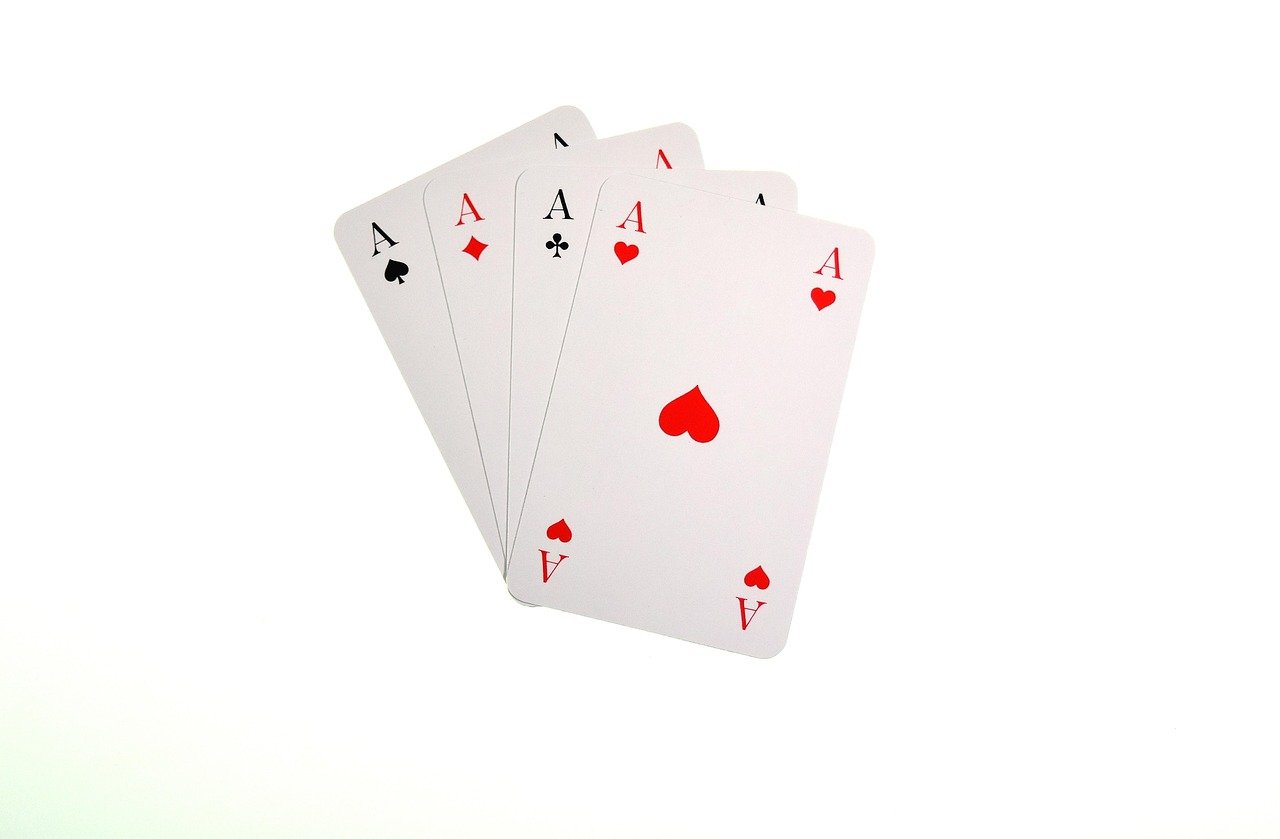
Setup takes about two minutes, but getting it right prevents arguments later.
- Clear a round table or floor space and sit everyone in a circle.
- Place one large cup in the center. This is the King’s Cup, sometimes called the ring of fire cup.
- Shuffle a full 52-card deck, jokers removed, and spread the cards face down in a fan inside or around the central cup.
- Each player pours a small amount of their drink into the central cup. Keep it small. The cup fills fast, and nobody wants to drink a pint of mixed everything at the end.
- Agree on the rule variant before the first card is drawn. Read the rank list out loud so nobody is surprised at card nine.
The single most common mistake is overfilling the central cup. A splash from each player is plenty. Another frequent error is skipping the rule read-through. Groups that skip it spend the whole game debating what a seven means, which kills the pace.
The Card Rules, Rank by Rank
Here is one widely played version of the rank rules. Treat it as a common baseline, not gospel.
| Card | Rule name | What happens |
|---|---|---|
| Ace | Waterfall | Everyone starts drinking at the same time. Nobody can stop until the person who drew the Ace stops. |
| 2 | You | The drawer picks someone to take a drink. |
| 3 | Me | The drawer drinks. |
| 4 | Floor | The last person to touch the floor drinks. |
| 5 | Guys | All male players drink. |
| 6 | Chicks | All female players drink. |
| 7 | Heaven | The last person to raise a hand above their head drinks. |
| 8 | Mate | The drawer picks a partner. Whenever either one drinks for the rest of the game, both drink. |
| 9 | Rhyme | The drawer says a word, and players go around rhyming with it. The first to fail or repeat drinks. |
| 10 | Categories | The drawer names a category, such as car brands or pizza toppings. Players go around naming items. The first to stall drinks. |
| Jack | Make a rule | The drawer invents a rule that stays active for the rest of the game. |
| Queen | Questions | The drawer asks a question. The next player must answer with a question, and it continues around the circle. The first person to break the chain drinks. |
| King | Pour | The drawer pours some of their drink into the central cup. |
A few notes on the table. Many groups swap the 4 and 6 meanings, or turn the Jack into a thumb signal: the drawer secretly places a thumb on the table, and the last player to copy it drinks. Some versions make the 4 “whores” and the 6 “dicks,” the older, blunter naming. The mechanics stay the same either way. Pick one version and stick with it for the whole game.
The rhyming and categories cards are where the game gets genuinely funny, because they reward quick thinking rather than drinking speed. Groups that want a lighter game often lean into those and soften the drinking cards.
The Fourth King Rule and How the Game Ends
The Kings are the engine of the game. Each of the first three Kings drawn goes into the central cup, and the drawer pours in some of their drink. The fourth King is the trigger everyone waits for.
In the most common version, whoever draws the fourth King must drink the entire contents of the central cup. That player is sometimes called the loser of the game, and the round ends there. Some groups instead have that player invent a final rule, and a few versions simply end the game with no forced drink.
Sources genuinely disagree on whether the fourth King ends the game or just forces the drink. The practical answer is to decide before the first card. If the group wants a clean finish, the fourth King ends it. If the group wants to keep going, the fourth King forces the drink and play continues with a fresh deck.
One real-world tip: whoever draws the fourth King should get a moment to prepare. Announcing the rule at the start of the game gives that person time to pace themselves, and it removes the ambush factor that makes the ending feel unfair.
House Rules That Actually Improve the Game
The best house rules fix a problem rather than add chaos. A few that work well in practice:
- Cap the central cup. Agree that no more than a small sip goes in per King, so the final drink stays manageable.
- Make the Jack rule expire. Rules that last forever pile up until nobody can remember them. Letting each new Jack cancel the previous rule keeps things clean.
- Set a questions cooldown. The Queen card can stall the game if players get stuck in a loop. Limiting it to one full trip around the circle keeps things moving.
- Add a water card. Some groups declare one rank, often the 3, as a water card. Drawing it means drinking water instead of alcohol. It slows the pace in a good way.
Common mistakes are worth naming too. Groups often let the mate rule (8) stack with everything else until half the table is drinking on every turn. Others let the rhyme card run too long. The fix is simple: keep every rule short and let the game breathe.
If the group enjoys party games with a competitive edge, the same crowd often likes games where players pick handles and personas. A list of cool game nicknames can add a fun layer to any game night, and it pairs well with the rule-making card, since players can be required to use their new nickname for the rest of the round. (333 Game Nicknames: Cool, Funny, Sweaty, and Unique Names)
Playing Kings Cup Responsibly
Kings Cup is a drinking game, and drinking games are linked to fast intoxication. The format encourages rapid consumption, especially during the waterfall card, when everyone drinks together until one person stops. That structure is exactly what makes the game risky if players don’t pace themselves.
A few practical safeguards go a long way:
- Set a drink limit before the game starts. Decide how many drinks each player will have and stop there, even if the cards keep coming.
- Use the non-alcoholic variant. Water, soda, or juice works fine. Many groups run a mixed table where some players drink alcohol and others don’t, and nobody needs to explain why.
- Eat first. A meal before the game makes a real difference.
- Watch the waterfall. The Ace is the card most likely to push someone past their limit, because it removes individual control over pacing.
Age and legality matter too. In the United States, the legal drinking age is 21, set by the National Minimum Drinking Age Act of 1984. In the UK, the legal age to buy alcohol is 18. Anyone organizing a game should confirm the rules where they live and keep the guest list within them.
The non-alcoholic version deserves more credit than it usually gets. The fun in Kings Cup comes from the rules, the rhyming, the categories, and the social pressure of the questions card, not from the alcohol itself. A table full of water cups plays almost identically, and the fourth King still lands with the same dramatic pause.
Variations Worth Trying
Once a group has the basics down, small tweaks keep the game fresh.
Speed rounds. Draw two cards per turn instead of one. The game moves faster and the rule chaos doubles.
Team Kings Cup. Split into two teams sitting across from each other. The mate rule becomes a team rule, and the fourth King costs the whole team.
Theme night. Every Jack rule must fit a theme, such as movie quotes or accents. It turns the rule-making card into the highlight of the game.
Dare version. Replace drinks with dares for players who don’t want to drink. The structure holds up fine, and the waterfall card becomes a group dare instead.
For groups that like to raise the stakes with prizes, small rewards for the winner work well. Some hosts hand out luxury gift cards as a prize for whoever survives the longest without drawing the fourth King, which adds a competitive edge without changing the rules.
Why the Rules Vary So Much
Card games like bridge and poker have official rule-setters and published tournament standards. Kings Cup has neither. No governing body oversees it, which is why every group’s version drifts a little from the next.
That drift is normal for folk games. Rules pass by word of mouth, and each retelling adds a twist. The name changes too: Ring of Fire in the UK, Circle of Death in parts of the US, Kings Cup almost everywhere. The core loop stays constant, and the details flex around it.
The practical takeaway is to treat any rule list as a menu. Take the cards the group enjoys, drop the ones that cause arguments, and write the final version down if the group plays often. A shared note on a phone settles more disputes than any debate at the table.
Conclusion
Kings Cup stays interesting because it is simple, social, and unpredictable enough. The core rules are easy to learn: draw a card, follow the rank, pour for the Kings, and let the fourth King end the night. The rest is up to the table: what the four means, and whether the Jack sets a rule or signals a thumb.
The groups that have the most fun are the ones that agree on the rules early, keep the central cup small, and treat the drinking as optional. Set the version, pace the drinks, and let the rhyming card do the work. That is how a card game with no official rulebook keeps showing up at parties year after year.
Frequently Asked Questions
What are the basic rules to Kings Cup?
Players sit in a circle with a large cup in the center and a deck of cards spread face down around it. Each player draws a card in turn, and the rank of the card decides the action. Aces trigger a group waterfall, number cards assign drinks or activities, face cards create rules or questions, and Kings go into the central cup. The fourth King forces the drawer to drink the cup.
What does the fourth King mean in Kings Cup?
In the most common version, the player who draws the fourth King must drink the entire contents of the central cup. Some groups end the game at that point, while others let play continue. A few variants have that player invent a final rule instead. Groups should agree on the ending before the first card is drawn.
Is there an official rulebook for Kings Cup?
No. Kings Cup has no official governing body or standardized rule set, unlike bridge or tournament poker. Rules pass between players by word of mouth, so versions vary by region and group. The rank meanings are broadly similar, but details like the four, the six, and the Jack change from table to table.
Can you play Kings Cup without alcohol?
Yes. Many groups play with water, soda, or juice, and the game works almost identically. The fun comes from the rules, the rhyming, and the categories rather than the alcohol. A mixed table where some players drink and others don’t is common and easy to run.
How many people do you need for Kings Cup?
The game works best with four to eight players. Fewer than four makes the group cards feel flat, and more than eight gets chaotic because turns take too long. Large groups can split into two circles or switch to a team version.
What is the difference between Kings Cup and Ring of Fire?
They are the same game under different names. Ring of Fire is the common name in the UK, while Circle of Death appears in parts of the US. The rules are essentially the same, though the rank meanings shift slightly depending on where the game is played.









