


What if a show about a tiny white creature who cries at everything could also make you worry about whether your favorite character will survive the week? That is the strange, funny, and slightly heartbreaking appeal of Chiikawa, a Japanese manga that turned a simple sketch series into one of the country’s biggest pop culture exports. The characters look like plush toys. Their lives, however, are surprisingly stressful. That contrast is exactly why millions of readers and viewers have fallen for them, and why the cast has grown from a three-character buddy act into a sprawling universe of mascots, monsters, and moody armored creatures.
This guide walks through who the main Chiikawa characters are, what each one represents, how the cast expanded over time, and why these small creatures resonate so widely. It also covers practical things fans often get confused about, like how the characters differ from each other and where the series fits in the wider world of cute-character media.
What Is Chiikawa, and Why Are Its Characters Everywhere?
Chiikawa (ちいかわ) is a Japanese manga by the illustrator Nagano. It has been serialized on X, formerly Twitter, since around January 2020. The title is a contraction of the Japanese phrase for “something small and cute,” which tells you almost everything about the visual style and almost nothing about the tone.
The series follows a small white creature named Chiikawa and two close friends as they go about daily life. That daily life happens to include earning money, taking dangerous exams, fighting monsters, and occasionally confronting real fear and loss. The characters are drawn in a soft, rounded, almost childlike style. The stories underneath are about survival, friendship, and the small comforts that make hardship bearable.
A TV anime adaptation began airing in Japan in April 2023, which pushed the franchise from a social media phenomenon into mainstream territory. Merchandise followed at a scale that is hard to overstate: collaborations, plush toys, stationery, and goods across many retailers made the characters a familiar sight in Japanese shops. The franchise became a major merchandising engine, and the characters now appear in contexts far beyond the original comic strip.
The Main Trio: Chiikawa, Hachiware, and Usagi
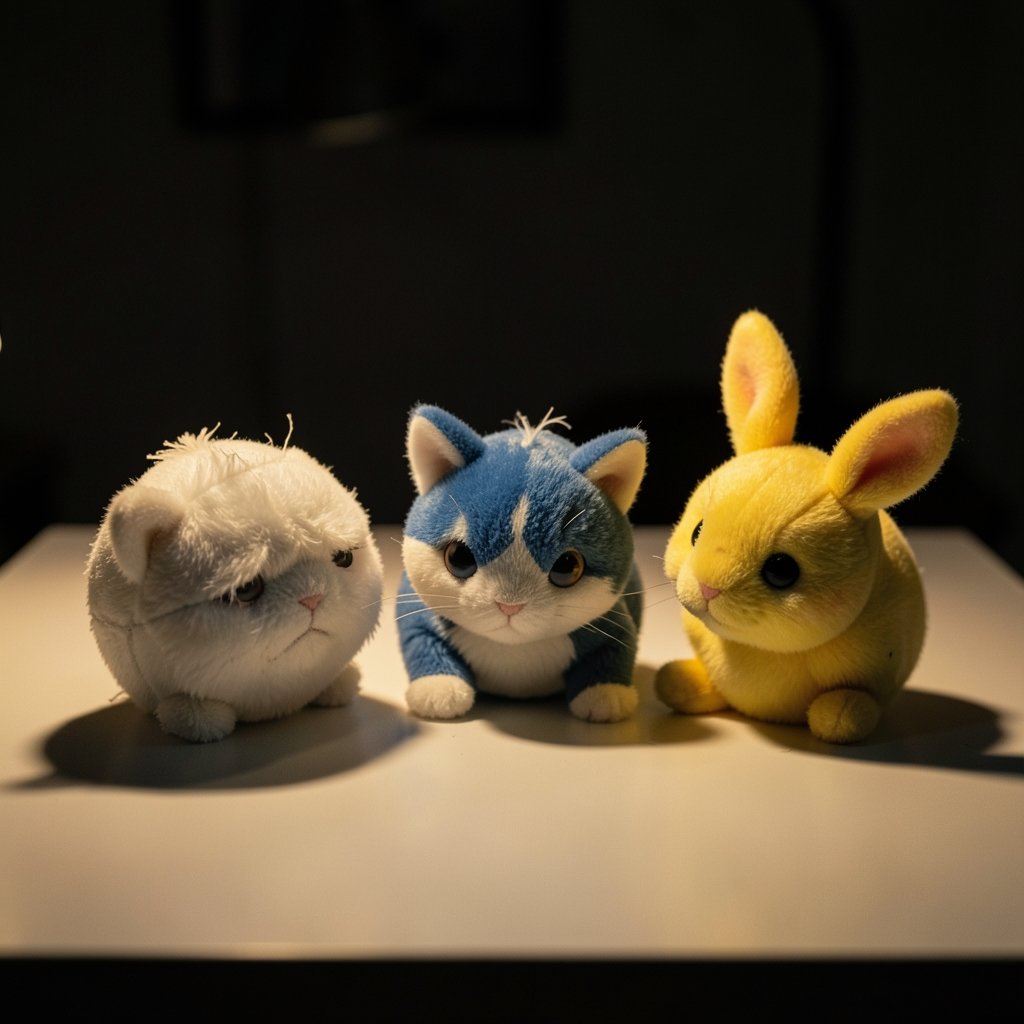
Most of the series centers on three characters. Understanding them is the fastest way to understand why the series works.
| Character | Appearance | Personality | Role in the story |
|---|---|---|---|
| Chiikawa | Small white creature | Sensitive, tearful, kind | The protagonist; reacts to the world with open emotion |
| Hachiware | Blue-and-white cat-like creature | Cheerful, outgoing, encouraging | The social glue who pulls the group forward |
| Usagi | Yellow rabbit-like creature | Energetic, expressive, unpredictable | Comic relief and unexpected bravery |
Chiikawa is the emotional center. The character cries easily, worries openly, and often feels outmatched by the world. That vulnerability is the point. Readers root for Chiikawa precisely because the character does not pretend to be brave.
Hachiware balances that energy. Cheerful and outgoing, Hachiware is the friend who suggests plans, keeps spirits up, and nudges the group through difficult moments. If Chiikawa is the heart, Hachiware is the momentum.
Usagi is the wildcard. A yellow rabbit-like character who communicates largely in exclamations such as “ura,” Usagi brings chaotic energy and surprising moments of courage. Because Usagi does not speak in full sentences, the character’s feelings come through action and expression, which makes the comic timing land harder.
The trio works because each member covers a different emotional register. One cries, one cheers, one chaos-mongers. Put them in a dangerous situation and you get comedy and tension at the same time.
Why the Cute Designs Hide a Surprisingly Dark Story
The defining feature of Chiikawa is tonal contrast. The character designs look like something you would find on a baby’s blanket. The plotlines involve monsters, hazardous work, difficult exams, and genuine hardship.
This is not a gimmick layered on top of a simple comic. It is the engine of the whole thing. When a character who looks like a marshmallow faces something frightening, the stakes feel oddly real. Readers who came for the cuteness stay for the emotional whiplash. The series earns its moments of warmth because it does not pretend the world is always gentle.
For anyone who has spent time in the 4c hair side of the internet looking for texture-specific care advice, the pattern will feel familiar: the surface appeal draws you in, and the substance underneath is what keeps you engaged. Chiikawa works the same way. The mascot look is the hook. The survival stories are the reason people get attached.
Practically speaking, this contrast is also why the franchise travels so well. A purely cute character is easy to ignore. A cute character who might be in danger is impossible to look away from.
The Expanding Cast: Momonga, Kurimanju, and Beyond
The main trio is only the beginning. Over time, the cast has grown to include a wide roster of supporting characters, and the series regularly introduces new faces.
Momonga is a flying-squirrel-like character who has become a fan favorite. Kurimanju is a chestnut-bun character, and the name itself is a giveaway about the design philosophy: take a food or an animal, give it a face, and let the personality do the rest. There are also various armored characters, whose bulky, knight-like appearances contrast sharply with the softness of the main trio.
The roster has expanded steadily since the series began, and new characters continue to appear. That growth is part of the appeal for longtime readers. Following Chiikawa means occasionally meeting a new creature and immediately wanting to know more about them.
One practical note for newer fans: character names and roles can be easy to mix up, especially because many designs are deliberately similar in shape and color palette. If you are trying to keep track, pay attention to speech patterns and accessories rather than body shape. Usagi’s exclamations, Hachiware’s blue markings, and Chiikawa’s plain white form are the fastest identifiers. (The row)
How to Tell the Characters Apart at a Glance
New viewers often ask how to keep the cast straight. The good news is that the main trio is easy to distinguish once you know what to look for.
- Check the color first. Chiikawa is white, Hachiware is blue and white, and Usagi is yellow. Most confusion disappears at this step.
- Look at the ears and shape. Hachiware has cat-like features, while Usagi has long rabbit-like ears. Chiikawa is the roundest and simplest of the three.
- Listen to how they talk. Hachiware speaks in full, friendly sentences. Usagi communicates in exclamations. Chiikawa’s dialogue tends to be reactive and emotional.
- Watch the role in the scene. If someone is crying, it is probably Chiikawa. If someone is organizing the group, it is probably Hachiware. If something inexplicable is happening, Usagi is likely involved.
For supporting characters, the same logic applies. Momonga’s flying-squirrel design and Kurimanju’s food-based look are distinct enough that most fans learn them within an episode or two.
Why These Characters Resonate So Widely
There are a few reasons the Chiikawa cast has connected with audiences far beyond Japan.
Relatability through weakness. Chiikawa is not a hero in the traditional sense. The character is scared, tired, and often overwhelmed. That makes the small victories feel earned. Readers who feel the same way about their own lives find something honest in that.
Friendship as survival strategy. The trio works because they look after each other. Hachiware pushes, Usagi distracts, Chiikawa feels. None of them would last long alone, and the series knows it.
Aesthetic versatility. The characters are simple enough to work as plush toys, keychains, and collaboration mascots, which is a big part of why the franchise spread so quickly through merchandise. Simplicity in design is a commercial advantage as much as an artistic one.
Tonal range. The series can be funny, sad, and tense within a few panels. That range gives fans more to talk about than a single-note cute mascot ever could.
If you have ever followed a niche style community, like the 2b hair crowd trading care routines and product recommendations, you know how a shared aesthetic can build a real community around it. Chiikawa has done something similar: the characters give fans a shared language, inside jokes, and a reason to keep coming back.
Common Mistakes New Fans Make
A few misunderstandings come up again and again among people discovering the series.
Assuming it is purely for children. The cute designs suggest a kids’ show, but the storylines deal with fear, danger, and loss. Many adult fans are drawn to exactly that contrast.
Expecting a plot-heavy narrative. Chiikawa is episodic by nature. Individual strips and episodes often stand alone, and the pleasure comes from small moments rather than a long-running arc.
Skipping the supporting cast. New viewers sometimes focus only on the main trio and miss characters like Momonga or the armored figures entirely. The wider cast adds a lot of texture.
Judging by the merchandise alone. Seeing the characters on keychains and stationery can make the series look like pure commercial fluff. The source material is stranger and more emotionally varied than the products suggest.
The most reliable way to avoid these mistakes is to read or watch a handful of entries in order and let the tone reveal itself. The contrast between the soft look and the sharp stakes is the whole experience, and it lands better when you encounter it directly rather than through secondhand descriptions.
Conclusion
The Chiikawa characters succeed because they are not what they appear to be. On the surface, they are simple, round, and endlessly merchandisable. Underneath, they are anxious, loyal, and occasionally in real danger. Chiikawa cries, Hachiware cheers, Usagi causes chaos, and the supporting cast keeps expanding in ways that reward longtime fans.
That combination of soft design and sharp storytelling is why the series moved from a social media comic to a mainstream anime and a merchandise phenomenon. Whether you come for the plush-toy aesthetic or the surprisingly tense survival plots, the characters offer more than their faces suggest. Start with the main trio, pay attention to how each one reacts under pressure, and the appeal of these small creatures becomes obvious fast.
Frequently Asked Questions
Who created Chiikawa?
Chiikawa is created by the Japanese illustrator Nagano. The manga has been serialized on X, formerly Twitter, since around January 2020, and a TV anime adaptation began airing in Japan in April 2023.
What are the names of the three main Chiikawa characters?
The main trio consists of Chiikawa, a small white creature who serves as the protagonist; Hachiware, a cheerful blue-and-white cat-like character; and Usagi, a yellow rabbit-like character who communicates in exclamations such as “ura.”
Why is Chiikawa considered dark despite looking cute?
The series pairs soft, childlike character designs with storylines that involve monsters, dangerous exams, hardship, and survival. That contrast between the cute look and the serious stakes is the defining feature of the franchise.
Who is Momonga in Chiikawa?
Momonga is a flying-squirrel-like supporting character who has become a fan favorite. Momonga is part of the wider cast that has expanded well beyond the original main trio since the series began.
Is Chiikawa suitable for children?
The series looks like it is aimed at young children because of its art style, but its themes include fear, danger, and loss. Many adult fans are drawn to that contrast, and parents may want to preview episodes before sharing them with very young viewers.
How can I tell Chiikawa, Hachiware, and Usagi apart?
Color is the fastest way: Chiikawa is white, Hachiware is blue and white, and Usagi is yellow. Speech patterns help too, since Hachiware speaks in friendly full sentences while Usagi communicates mostly in exclamations.









