

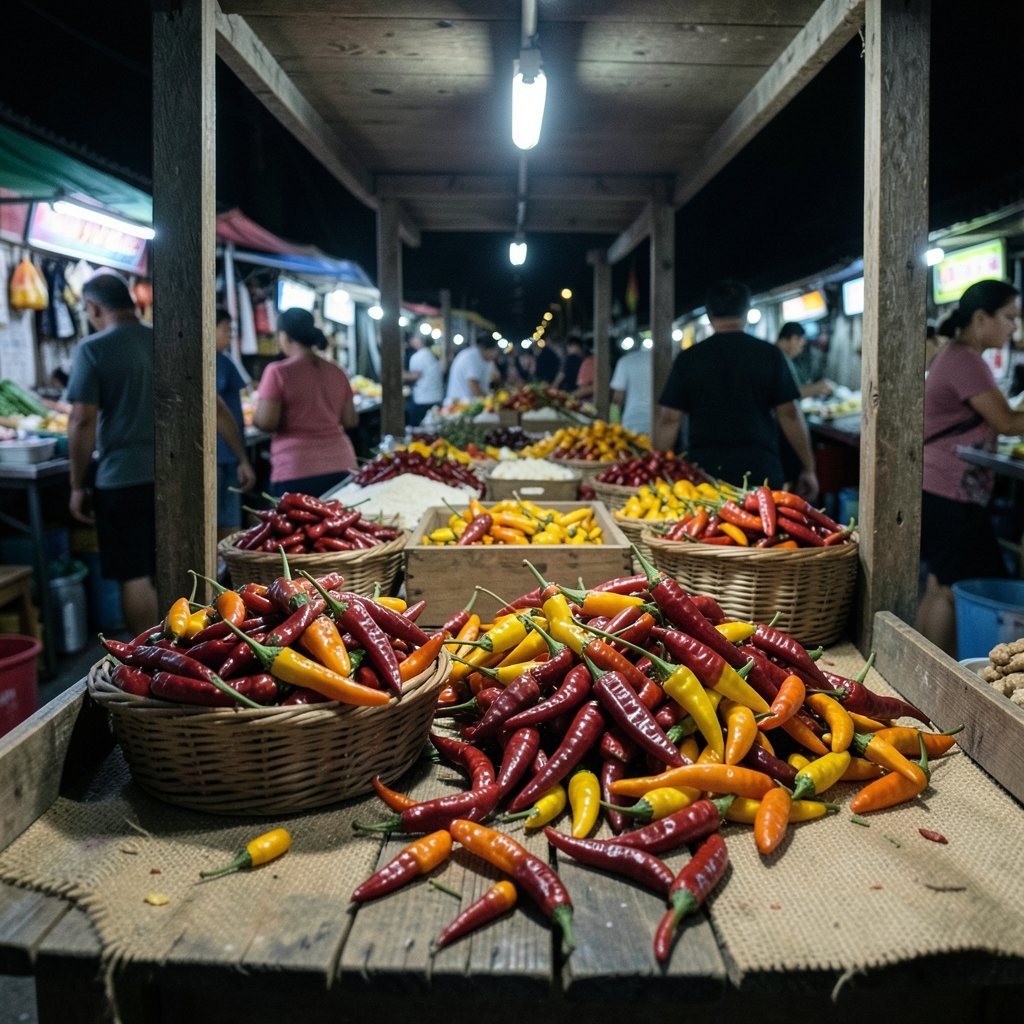
What makes a wrinkled, bonnet-shaped pepper the backbone of Caribbean cooking? Walk through any Jamaican market and you will see them piled high in reds, yellows, and oranges, their skin looking almost crumpled. Ask a cook why they matter and you will get a passionate answer. The scotch bonnet pepper is far more than a heat delivery system. It carries a fruity, almost floral sweetness that shapes jerk seasoning, curry goat, pepper sauces, and countless home recipes across the islands and beyond.
This guide covers what the pepper actually is, how hot it gets, how to handle it safely, and how to cook with it without wrecking a dish. It also clears up the confusion that follows this pepper everywhere: the habanero mix-up.
What Is a Scotch Bonnet Pepper, Exactly?
The scotch bonnet is a cultivar group of Capsicum chinense, the same species that gives the world the habanero and several other fiery peppers. Despite the “chinense” name, which means “from China,” the species actually originated in the Americas. The name stuck from early botanical confusion, and it has been with us ever since.
The pepper gets its common name from its shape. It looks like a squashed, slightly lobed version of a Scottish tam o’ shanter cap, hence “bonnet.” The pods are typically small, wide, and wrinkled, with a thin skin and a thick, juicy wall. Colors range from green (unripe) through yellow, orange, and bright red when fully mature.
It is closely tied to the Caribbean, especially Jamaica, where it is treated as a national culinary treasure. It shows up in everything from street food to Sunday dinners. The exact date it arrived in the region is not firmly documented, but its role in West Indian cooking is long established and deeply embedded.
How Hot Is a Scotch Bonnet?
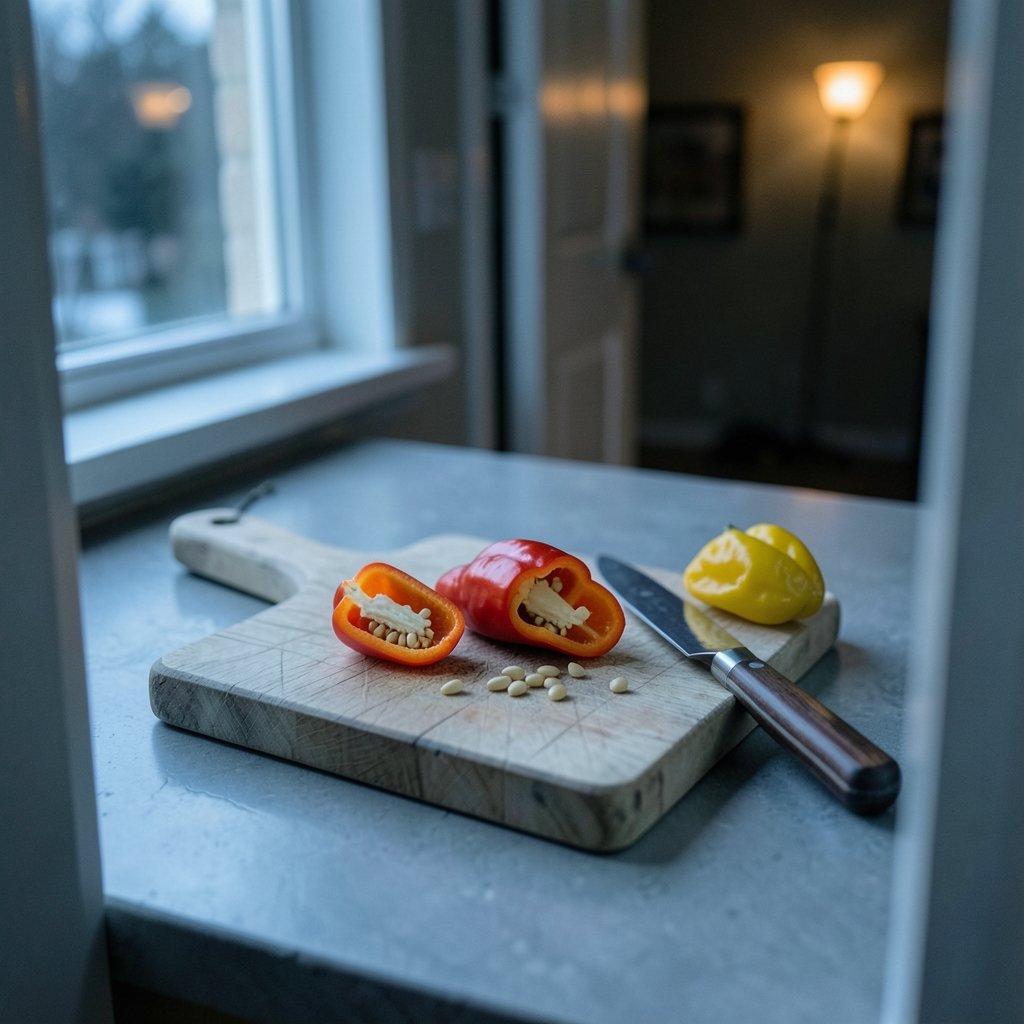
Heat is where conversations get lively. The scotch bonnet is commonly cited at roughly 100,000 to 350,000 Scoville heat units (SHU). That range overlaps the habanero almost completely, which is one reason the two are so often confused.
A few practical points matter more than the exact number:
- Scoville ratings vary by source. Different reference tables and extension services give different ranges, and no single standard fixes the value.
- Individual fruits vary. Two peppers from the same plant can differ noticeably in heat depending on ripeness, growing conditions, and how much stress the plant endured.
- The heat is not uniform. Most of the capsaicinoids, chiefly capsaicin, sit in the placental tissue and seeds inside the pod. Removing those parts tames the burn considerably.
For context, a jalapeño sits somewhere around 2,500 to 8,000 SHU. A scotch bonnet can be dozens of times hotter. It is not a pepper to taste carelessly.
Scotch Bonnet vs. Habanero: What’s the Difference?
This is the question that trips up nearly every shopper. The two peppers are the same species, look similar, and are frequently sold interchangeably. “Scotch bonnet” is not a formally regulated variety name in most jurisdictions, so labeling rules differ by country and by seller.
| Feature | Scotch Bonnet | Habanero |
|---|---|---|
| Species | Capsicum chinense | Capsicum chinense |
| Shape | Squashed, bonnet-like, lobed | Lantern-shaped, more elongated |
| Typical heat | 100,000–350,000 SHU | 100,000–350,000 SHU |
| Flavor profile | Fruity, floral, slightly sweet | Fruity, clean, sometimes more acidic |
| Common origin | Caribbean, especially Jamaica | Yucatán Peninsula and wider Mexico |
| Culinary home | Jerk, curry, pepper sauce | Salsas, marinades, hot sauces |
In practice, the difference comes down to shape and subtle flavor nuance. A cook making jerk seasoning will reach for the bonnet because that is the traditional choice, and the fruity notes blend beautifully with allspice, thyme, and scallion. A cook making a Yucatecan salsa may prefer the habanero. Both will bring serious heat.
If you cannot find scotch bonnets, habaneros make a reasonable substitute. Just taste as you go, because the heat can surprise you.
Where Scotch Bonnets Fit in the Kitchen
The pepper’s real genius is how it behaves in cooked food. It brings heat, yes, but it also layers in a fruitiness that rounds out rich, fatty dishes. That is why it works so well with coconut milk, goat, oxtail, and grilled meats.
Common uses include:
- Jerk seasoning and marinades. The pepper is a core ingredient, blended with allspice, thyme, garlic, ginger, scallion, and vinegar or lime juice.
- Pepper sauces. Blended with carrots, mango, or vinegar, the bonnet becomes a table condiment that wakes up rice, fish, and fried food.
- Curries and stews. A whole pepper is often simmered in the pot and removed before serving, lending flavor without overwhelming heat.
- Rice and peas. Many cooks drop a whole bonnet into the pot for gentle background warmth.
- Fresh salsas and chutneys. Diced finely and mixed with fruit, it makes a bright, punchy topping.
A practical tip that experienced cooks swear by: leave the pepper whole and pierce it once or twice before adding it to a simmering pot. You get the aroma and a gentle heat, and you can fish it out before serving so nobody bites into a firebomb.
Handling Hot Peppers Safely
Capsaicin irritates skin and eyes, and scotch bonnets carry plenty of it. A few habits prevent a ruined evening:
- Wear gloves. Disposable gloves are cheap and save your hands from a lingering burn.
- Never touch your face. Especially your eyes. The oil transfers easily and does not wash off with a quick rinse.
- Work in a ventilated space. Searing a bonnet in a hot pan releases fumes that can make you cough.
- Wash hands, boards, and knives thoroughly with soap and warm water after prep.
- Keep peppers away from children and pets.
If your skin starts burning, washing with soap and cool water helps, and full-fat milk or yogurt can soothe the sting. If you get capsaicin in your eyes, rinse with clean water and seek medical advice if irritation persists. (The row)
Buying and Storing Scotch Bonnets
Fresh bonnets are best when they feel firm and heavy for their size, with tight, glossy skin. Wrinkled skin is normal for the variety, but avoid peppers that are soft, moldy, or leaking.
Storage options:
- Refrigerator: Keep them dry in a paper bag or a loosely closed container for up to a week or so.
- Freezing: Whole peppers freeze well and can be used straight from frozen in cooked dishes.
- Drying: Air-dried or oven-dried peppers keep for months and can be ground into powder.
- Sauces and pastes: Blended with vinegar, salt, and aromatics, they last for weeks in the fridge.
Dried bonnets lose some of their fruity brightness but keep their heat, which makes them handy for spice rubs.
Nutrition and the Chemistry of Heat
Like other Capsicum chinense peppers, scotch bonnets are a source of vitamin C and provitamin A carotenoids. Specific numbers vary by source and preparation, so treat any precise figure with caution. What is clear is that the pepper contributes color, flavor, and micronutrients to dishes, even in small amounts.
The burn itself comes from capsaicinoids, chiefly capsaicin. These compounds bind to heat receptors on the tongue and trick the brain into sensing heat. The body responds with sweat, a racing pulse, and sometimes tears. It is not real damage, but it feels like it. Dairy helps because fat and casein wash capsaicin away; water does not, since capsaicin is oil-soluble.
Growing Scotch Bonnets at Home
Scotch bonnets are slow to start but rewarding to grow. They need warmth, sun, and a long season.
Key growing notes:
- Start seeds indoors well before the last frost. Germination can take two to four weeks.
- Provide full sun and warm soil. These are tropical plants and dislike cold.
- Water consistently but avoid soggy roots.
- Feed moderately. Too much nitrogen gives lush leaves and few peppers.
- Harvest when fully colored. Green pods will ripen off the plant, but flavor peaks at full color.
Gardeners who grow 4c hair-thin seedlings indoors often find the plants take off once summer heat arrives. Patience pays off, and a single healthy plant can produce more peppers than one household can eat.
Common Mistakes to Avoid
Even confident cooks stumble with this pepper. Watch for these:
- Tasting raw pepper without protection. A tiny sliver is plenty. A whole bite is a mistake you only make once.
- Adding too much too early. Heat builds in a stew. Start small and adjust at the end.
- Skipping gloves. The burn on your hands can last for hours and transfer to anything you touch.
- Assuming all bonnets are equal. Taste a small piece of each batch before committing a whole pot to it.
- Discarding the aroma. The fruity character is the point. Use the pepper so its fruity character comes through, rather than treating it only as a heat source.
Conclusion
The scotch bonnet earns its place as one of the world’s great cooking peppers. It brings serious heat, but its real value is the fruity, floral depth it adds to jerk seasoning, curries, sauces, and simple rice dishes. Understanding its heat range, its relationship to the habanero, and the basics of safe handling turns a intimidating ingredient into a dependable kitchen ally. Buy firm pods, wear gloves, taste as you cook, and let the pepper do what it does best: wake up everything it touches.
Frequently Asked Questions
How hot is a scotch bonnet pepper compared to a jalapeño?
A scotch bonnet is commonly cited at roughly 100,000 to 350,000 Scoville heat units, while a jalapeño sits around 2,500 to 8,000. That makes the bonnet dozens of times hotter, so it should be used in small amounts and handled with care. (2b hair)
Is a scotch bonnet the same as a habanero?
They are the same species, Capsicum chinense, and their heat ranges overlap almost completely. The bonnet has a squashed, bonnet-like shape and a fruity, floral flavor, while the habanero is more lantern-shaped and associated with Mexican cooking. They are often sold interchangeably, so taste before assuming.
Can I substitute habaneros for scotch bonnets in a recipe?
Yes. Habaneros make a reasonable substitute because the heat level is similar. The flavor will shift slightly, since bonnets tend to be a bit more floral and sweet, but in cooked dishes like jerk marinades or curries the difference is minor.
How do I reduce the heat without losing the flavor?
Remove the seeds and the white placental tissue inside the pod, where most of the capsaicin sits. For stews, add the pepper whole, pierced once or twice, and remove it before serving. You keep the aroma and a gentle warmth without an overwhelming burn.
Are scotch bonnet peppers good for you?
Like other peppers in the species, they provide vitamin C and provitamin A carotenoids. Exact values vary by source and preparation. They are a flavorful addition to a balanced diet, but the heat means they should be eaten in sensible amounts.
How should I store fresh scotch bonnets?
Keep them dry and refrigerated in a paper bag or loosely closed container for about a week. For longer storage, freeze them whole or dry them and grind into powder. Blended into a vinegar-based sauce, they keep for weeks in the fridge.
With those basics in hand, the pepper becomes less intimidating and more like any other pantry staple: something you reach for with confidence rather than fear. Whether you are blending a fiery jerk marinade, simmering a pot of rice and peas, or simply looking for a way to brighten a weeknight curry, the scotch bonnet rewards curiosity. Start with a single pepper, taste often, and adjust as you go. Over time you will develop a feel for its intensity and its fruit-forward character, and you may find yourself keeping a bag in the freezer and a jar of homemade sauce on the shelf. That is the quiet pleasure of this pepper: it asks for respect, but it gives back far more flavor than heat alone.









