


What makes a small, oblong candy from Japan so addictive that people build flavor rankings, trade limited editions, and debate whether it beats the famous fruit chews from the West? Hi-Chew has quietly become one of the most recognizable Japanese candies in the world, and its story is more interesting than most people expect. It involves a century-old company, a texture experiment that went wrong before it went right, and a flavor strategy that treats fruit like a serious subject.
What Is Hi-Chew?
Hi-Chew is a soft, chewy fruit candy made by Morinaga & Co., a Japanese confectionery company founded in 1899. The candy launched in Japan in 1975 and is sold as individually wrapped, oblong pieces, usually in multi-flavor bags and sticks.
The name is generally explained as a blend of “high” and “chew,” pointing to the candy’s defining feature: a texture that feels closer to gum than to a hard sweet. That blend is the whole point. Hi-Chew is designed to be chewed slowly, not dissolved quickly, and the candy holds its shape and flavor for several minutes.
Each piece has a slightly firm outer layer wrapped around a softer, stickier center. That two-part structure is why the candy doesn’t fall apart immediately in your mouth. It also explains the texture people either love or find strange the first time they try it.
The Texture Is the Product
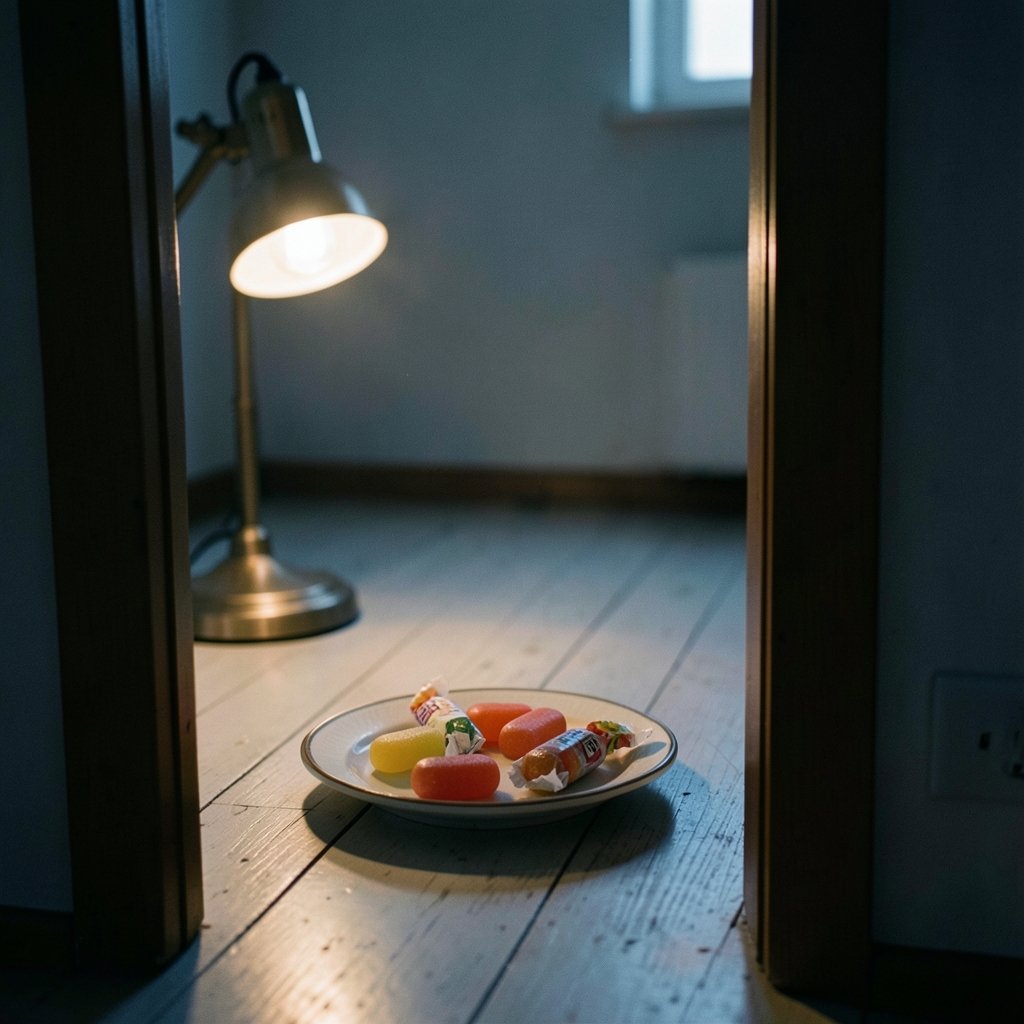
Most fruit candies compete on flavor. Hi-Chew competes on mouthfeel, and that changes how people eat it.
A few practical observations from the way the candy behaves:
- It rewards patience. Chewing slowly releases flavor gradually. Biting straight through a fresh piece can feel tough at first.
- Temperature matters a lot. Cold Hi-Chew turns firm and almost waxy. Warm Hi-Chew becomes soft and can stick to the wrapper. Room temperature is the sweet spot.
- Freshness changes everything. Older pieces dry out and lose that elastic give. A stale Hi-Chew is a genuinely disappointing experience.
This is also where beginners make their first mistake: they chew a refrigerated piece straight from the store and decide the candy is hard and flavorless. Let it sit at room temperature for a few minutes and the texture changes completely.
Why the Texture Took Years to Get Right
The story goes that early versions of the candy were too soft and lost their shape, which pushed the makers toward a firmer structure with a chewy core. The result was a candy that sits in an unusual middle ground between gum and taffy. That middle ground is exactly why Hi-Chew gets compared to Western fruit chews, though the comparison only goes so far. Western fruit chews tend to be firmer and more uniform. Hi-Chew is softer, more layered, and more elastic.
A Flavor Lineup Built Like a Fruit Stand
Hi-Chew’s core flavors are the ones most shoppers recognize: strawberry, green apple, grape, and melon. These are the staples that appear in almost every mixed bag and stick.
Beyond the staples, the company releases a steady stream of limited and regional flavors, especially in Japan. Seasonal releases, regional fruit varieties, and short-run editions are a normal part of the product calendar. This is a big reason the candy has such a devoted following: there is always something new to track down.
| Flavor type | Typical examples | Where you’ll find them |
|---|---|---|
| Core flavors | Strawberry, green apple, grape, melon | Widely sold in bags and sticks |
| Limited editions | Seasonal and short-run releases | Often Japan-focused, sometimes exported |
| Sour and plus variants | Sour versions and Hi-Chew Plus | Varies by market and year |
| Regional flavors | Local fruit specialties | Regional releases in Japan |
The flavor range is also where the candy connects to broader candy culture. Fruit-forward chews are having a moment across the board, and shoppers who care about texture in other categories tend to care about it here too. The same curiosity that sends people looking for a specific 2b hair texture or a defined 4c hair pattern shows up in candy aisles: people want to know exactly what they’re getting and why it behaves the way it does.
How the Flavors Actually Taste
A few honest notes that most product descriptions skip:
- Strawberry is the most balanced and the safest first pick. It tastes like strawberry rather than like strawberry syrup.
- Green apple is sharper and more tart, and it tends to be the flavor that divides people most.
- Grape leans toward the classic Japanese grape candy profile, which is sweeter and more floral than Western grape flavors.
- Melon is the one that surprises newcomers. Japanese melon flavor is its own thing, closer to cantaloupe than to watermelon.
If someone is trying Hi-Chew for the first time, a mixed bag is the right move. It answers the texture question and the flavor question in one purchase.
From Japan to the World
Hi-Chew became widely available in the United States in the 2000s and is now sold in major retailers. That expansion turned a Japanese convenience-store staple into an international brand, and the company has invested in US production and marketing to support it.
The international growth follows a pattern familiar to anyone who tracks Japanese consumer products. A product builds a reputation at home, travels through specialty and import shops, gains a cult following online, and then gets picked up by mainstream retail. Hi-Chew followed that path almost exactly.
Morinaga & Co. itself is a publicly traded Japanese company listed on the Tokyo Stock Exchange, which means the candy sits inside a much larger corporate structure that includes other confectionery and food products. That scale matters: it’s why the brand can afford to run constant limited-edition experiments while keeping core flavors on shelves year-round. (The row)
Why the Candy Travels Well
Not every candy survives export. Hi-Chew does for a few practical reasons:
- It’s individually wrapped, so it ships and stores well without clumping.
- It has a long shelf life, which suits long supply chains.
- The flavor profile is broadly appealing, with fruit flavors that translate across markets.
- The format is portable, which makes it an easy impulse buy at checkout.
That combination is unglamorous but effective. Plenty of excellent regional candies never leave their home country because they don’t survive the logistics. Hi-Chew does.
Hi-Chew vs. the Competition
The most common comparison is with Western fruit chews, and it’s worth being precise about the differences rather than just declaring a winner.
| Feature | Hi-Chew | Typical Western fruit chews |
|---|---|---|
| Texture | Softer, layered, more elastic | Firmer, more uniform |
| Chew time | Longer, flavor releases slowly | Shorter, flavor fades faster |
| Flavor style | Fruit-forward, often Japanese fruit profiles | Sweeter, more candy-like |
| Format | Individually wrapped oblong pieces | Wrapped squares or cubes |
| Limited editions | Frequent, especially in Japan | Less common |
Neither style is objectively better. Someone who wants a quick burst of sweetness will find Hi-Chew slow. Someone who wants a long chew will find most Western chews over too fast. The candy is a texture product first and a flavor product second, and that’s the lens to judge it through.
Practical Tips for Buying and Storing Hi-Chew
A few things that actually make a difference in practice:
- Buy from stores with steady turnover. Candy that’s been sitting in a warm display for a year will be dry and tough. Busy shops move stock faster.
- Store it at room temperature, away from heat. A hot car is the fastest way to ruin a bag. The pieces soften, stick to wrappers, and never quite recover.
- Skip the fridge. Refrigeration makes the candy firm and waxy, and it doesn’t extend the useful life in any meaningful way.
- Check the wrapper seal. Torn or loose wrappers dry out individual pieces faster than the rest of the bag.
- Try a mixed bag before committing to a full bag of one flavor. Flavor preferences here are genuinely unpredictable, and the melon especially tends to surprise people.
One common mistake is buying a large bag of a single limited-edition flavor without trying it first. Limited flavors are exactly where the brand experiments, and experiments don’t always land. A small bag first is the smarter move.
Reading the Label
Hi-Chew is candy, not a health food, and the label reflects that. It’s built on sugar and a chewy base, with fruit flavoring doing the heavy lifting. Anyone watching sugar intake should treat it like any other confection: fine in moderation, not something to snack on by the handful every day. The pieces are small, which makes portion control easy if you actually count them out rather than eating from the bag.
Who Hi-Chew Is Really For
The candy has a few distinct audiences, and they want different things from it.
Curious eaters want the texture experience and the flavor range. They’re the ones buying mixed bags and tracking limited editions.
Fans of Japanese food culture treat Hi-Chew as an accessible entry point into Japanese candy, alongside other chewy and soft candies. It’s inexpensive, widely available, and easy to share.
Casual snackers just want a fruit candy that doesn’t disappear in ten seconds. Hi-Chew delivers that reliably.
What ties these groups together is the same thing that made the candy successful in the first place: it does one thing unusually well. It doesn’t try to be sour, fizzy, hard, or crunchy. It’s a chewy fruit candy, and it commits fully to that identity. In a category full of gimmicks, that focus is a real advantage.
Conclusion
Hi-Chew earns its reputation through texture rather than novelty. A candy launched in Japan in 1975 by a company founded in 1899 has stayed relevant by getting one thing right: a soft, elastic chew that releases fruit flavor slowly and holds up in a wrapper. The core flavors are dependable, the limited editions keep things interesting, and the format travels well enough to have made the jump from Japanese convenience stores to major international retailers.
If you’ve never tried it, start with a mixed bag at room temperature and give each piece a few slow chews before deciding. If you already love it, the practical advice is simple: buy from shops that move stock, keep it out of the heat, and try the small bag before committing to the big one.
FAQ
What does Hi-Chew taste like?
Hi-Chew tastes like fruit with a soft, chewy texture rather than a hard or syrupy one. The strawberry and green apple flavors are the most straightforward, while grape and melon lean toward the sweeter, more floral Japanese fruit profile. The chew lasts several minutes, so the flavor releases gradually instead of hitting all at once.
Is Hi-Chew the same as gum?
No. Hi-Chew is a candy, not a chewing gum. It’s designed to be chewed and swallowed, and it breaks down in the mouth over time rather than staying intact. The texture is closer to a soft taffy with an elastic center, which is why people compare it to gum even though it isn’t one.
Why does Hi-Chew get hard sometimes?
Cold and age are the two main culprits. Refrigerated or cold-stored pieces turn firm and waxy, and older pieces dry out and lose their elasticity. Letting a piece sit at room temperature for a few minutes usually restores most of the softness in fresh candy, but a dried-out piece won’t fully recover.
How many flavors of Hi-Chew are there?
There’s no fixed number. The core lineup includes strawberry, green apple, grape, and melon, and the company adds limited, seasonal, and regional flavors on an ongoing basis, especially in Japan. Sour versions and Hi-Chew Plus variants also appear in the lineup, though availability varies by market and year.
Who makes Hi-Chew?
Hi-Chew is made by Morinaga & Co., a Japanese confectionery company founded in 1899. The candy launched in Japan in 1975. Morinaga is a publicly traded company listed on the Tokyo Stock Exchange and produces a range of other confectionery and food products beyond the Hi-Chew brand.
Is Hi-Chew available outside Japan?
Yes. Hi-Chew became widely available in the United States in the 2000s and is now sold in major retailers, with the company investing in US production and marketing. Availability varies by country, and limited-edition Japanese flavors are often easier to find through specialty and import shops than through mainstream retail.









