

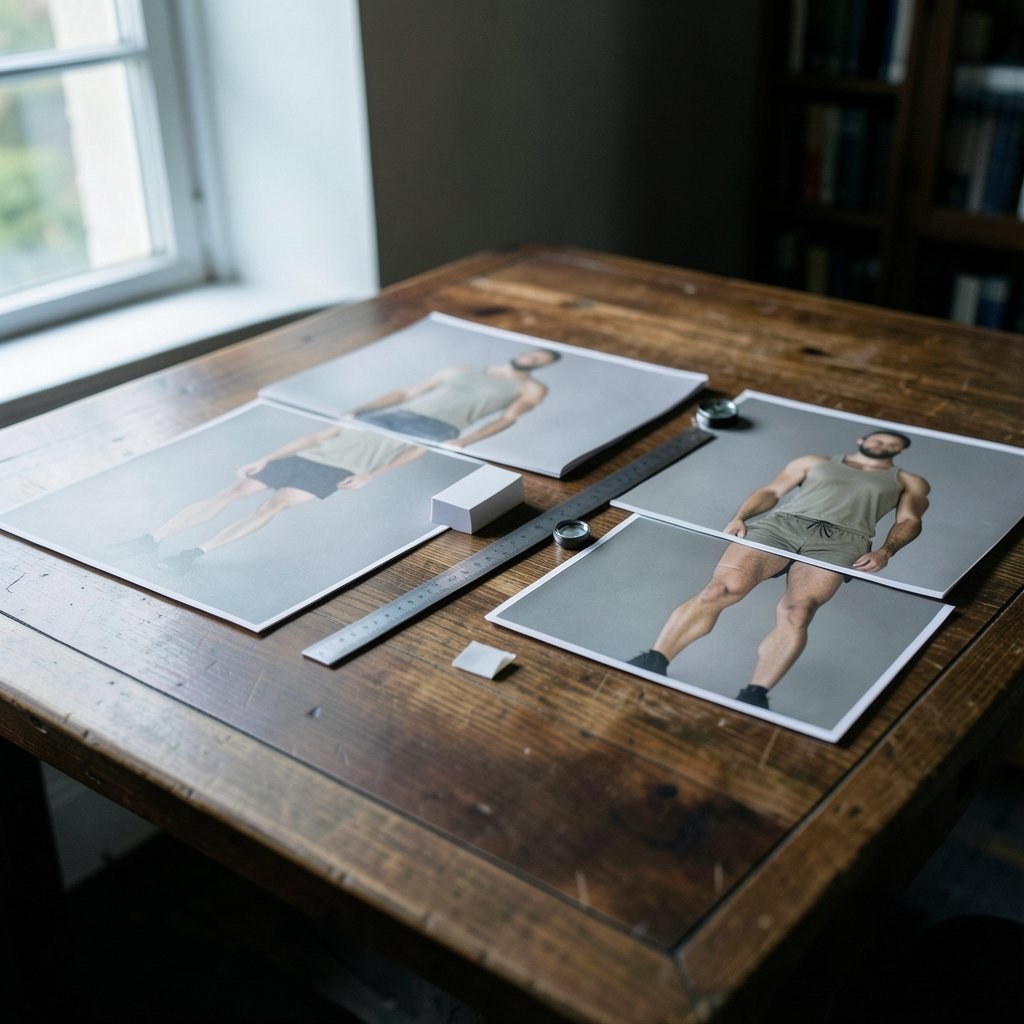
What actually changes between the “before” photo and the “after” photo of a Brazilian butt lift, and how much of that change is surgery versus lighting, angles, and swelling? That question underlies nearly every search for BBL before and after images. It is also the question most clinic galleries quietly avoid answering.
The short version: a BBL changes shape, projection, and proportion, but the results people see online are filtered through photography tricks, healing timelines, and selective editing. Understanding those filters is the difference between realistic expectations and disappointment.
What a BBL Actually Changes
A Brazilian butt lift (BBL) is a fat transfer procedure. Surgeons liposuction fat from one area, usually the abdomen, flanks, or back, purify it, and inject it into the buttocks. No implants are involved in a standard BBL.
The physical change involves three things:
- Volume: fat adds fullness where it is placed.
- Shape: fat can round the upper buttocks, fill hip dips, or widen the lower curve, depending on technique.
- Proportion: liposuction of the waist and flanks narrows the midsection, which makes the buttocks look larger relative to the body even when volume gain is modest.
That third point matters more than most people realize. Many striking before and after pairs owe much of their drama to a slimmer waist, not a bigger backside. A surgeon who removes fat aggressively from the waist can create a dramatic silhouette with a relatively small graft.
Skin tone, existing fat stores, and body frame all limit what is achievable. Someone with very little donor fat may not be a candidate at all, which is why consultations focus heavily on where fat can be harvested.
Reading Before and After Photos Like a Skeptic
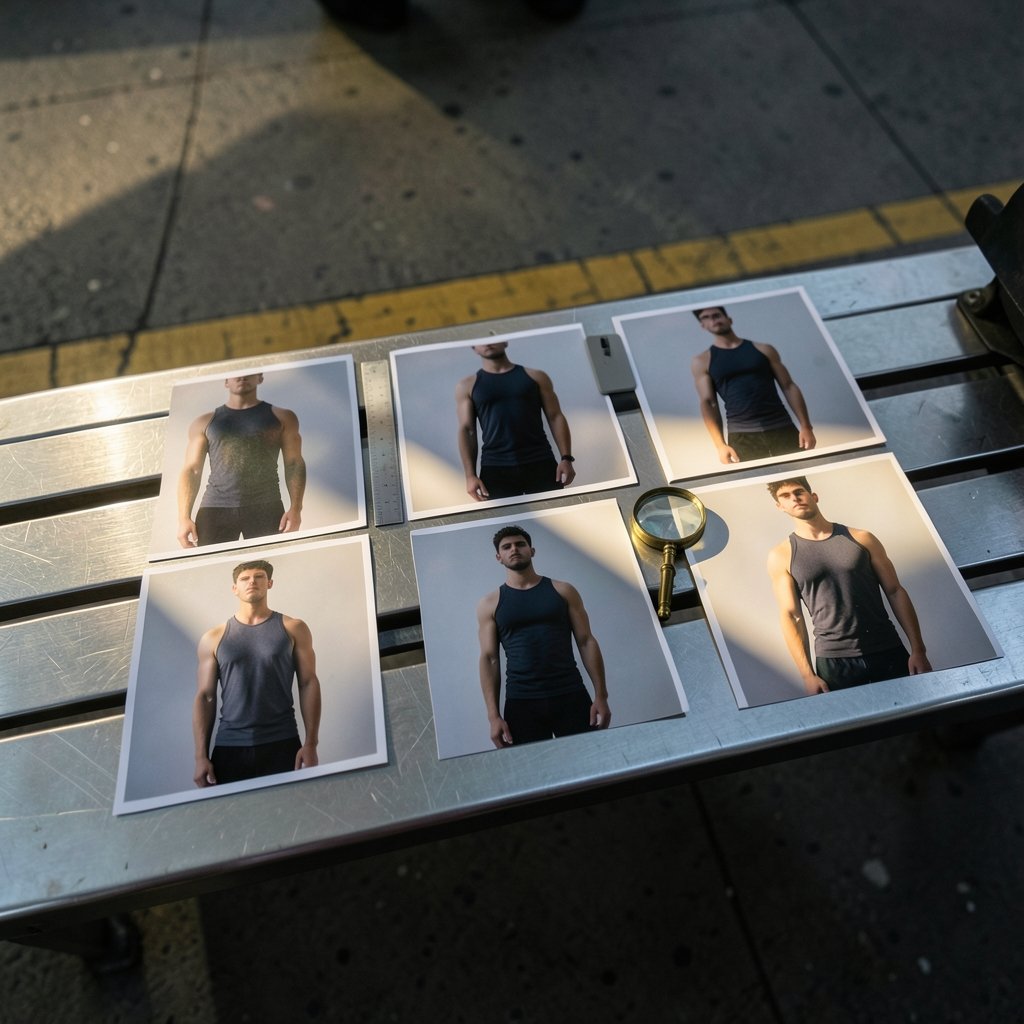
Before and after galleries are marketing material first and clinical documentation second. That does not make them dishonest, but it does mean readers should apply some scrutiny.
Check the lighting and background
Professional results photography uses consistent lighting, plain backgrounds, and identical poses. If the “before” image is dim and the “after” image is bright, the comparison is compromised. Shadows can flatten or exaggerate curves dramatically.
Look at the waist as well as the buttocks
Compare the width of the waistband line in both photos. If the waist looks dramatically narrower, part of the visual improvement comes from liposuction contouring. That is a legitimate result, but it is a different claim than “the buttocks grew this much.”
Watch for posture changes
A slight arch in the lower back pushes the buttocks outward. Some before and after pairs show a flat-footed “before” stance and a posed, arched “after” stance. The change is real in the photo and partly postural in the body.
Ask about the timeline
Swelling, compression garments, and fat reabsorption all affect how results look at one month versus one year. A photo taken at six weeks shows a very different body than one taken at twelve months. Reputable galleries label the time since surgery.
Notice what is missing
Galleries rarely show complications, asymmetries, or patients who needed revision. A gallery of ten perfect results may represent hundreds of procedures. This is normal marketing behavior, but it means the sample is curated.
The Healing Timeline and How It Distorts Results
Fat grafting is a living process. Not all transferred fat survives, and the body reabsorbs a portion of it in the first few months. This single fact explains why early photos can be misleading in both directions.
| Timeframe | What Patients Typically Notice |
|---|---|
| First 2 weeks | Significant swelling, bruising, compression garment required; shape looks larger than final |
| 4 to 6 weeks | Swelling subsides; some volume loss becomes visible; shape begins to settle |
| 3 months | Most fat reabsorption has occurred; results look closer to final |
| 6 to 12 months | Final result; residual swelling gone, remaining fat stable |
Surgeons commonly advise patients not to judge results before the three-month mark. Anyone comparing a two-week photo to a one-year photo is comparing swelling to settled tissue.
Sitting restrictions matter here too. Many surgeons limit direct sitting pressure on the grafted area for the first two to three weeks to protect blood supply to the transferred fat. Patients who ignore this guidance risk losing volume, which shows up later as an underwhelming “after” result.
What Actually Works in Practice
Practical experience from the patient side of BBL recovery points to a handful of habits that separate smooth outcomes from frustrating ones.
Photograph yourself consistently. Take your own before photos at home with the same lighting, distance, and stance you will use for follow-ups. Clinic photos are useful, but your own record is the honest one. Use a tripod or a fixed phone position and shoot in the same spot each time.
Do not buy new clothes early. Body shape shifts for months. Patients who shop at week six often find garments fit differently by month six.
Track your donor sites alongside your results. Liposuction areas can develop firmness, numbness, or contour irregularities that take months to soften. Massage and follow-up care matter as much as the grafted area.
Be skeptical of dramatic one-month reveals. A dramatic early photo may reflect swelling, posing, or both. Ask any clinic you consult with how many of their published results are photographed at twelve months or later.
Understand the revision question. Some patients need a second round of fat transfer to reach their goal, especially if they had limited donor fat. Ask about revision rates and costs before surgery, not after.
Compression garments are not optional. They support the liposuctioned areas and help skin contract. Skipping them is one of the most common self-inflicted setbacks.
Risks That Before and After Photos Never Show
The most important context for anyone browsing results galleries is safety. BBL is among the more heavily scrutinized cosmetic procedures because of its complication profile. Fat injected too deeply or in too large a volume can enter the bloodstream and cause a fat embolism, a rare but potentially fatal event. (The row)
Regulators and medical boards in multiple countries have issued guidance on BBL safety, and some jurisdictions have restricted the procedure or required specific surgical qualifications. Rules vary widely by country and region, so patients should check local requirements rather than relying on international galleries.
Other risks that photos never capture:
- Infection at liposuction or injection sites
- Fat necrosis, where transferred fat dies and forms firm lumps
- Asymmetry that may require revision
- Contour irregularities in donor areas
- Seroma, a fluid collection under the skin
- Persistent numbness or altered sensation
Results photography also tends to feature patients with favorable anatomy. Body shape outcomes differ substantially across body types, and what looks achievable on one frame may not translate to another.
Why “BBL” Searches Return Confusing Results
Search for BBL before and after and you will encounter content about skin treatments too. BBL also stands for broadband light, a light-based skin rejuvenation therapy used for pigmentation and redness. That procedure has its own before and after imagery, showing clearer, more even skin rather than changed body shape.
If a gallery shows faces and décolletage, it is almost certainly broadband light, not a Brazilian butt lift. Checking whether the images show skin texture or body silhouette resolves the confusion instantly.
Hair-focused searches create a third layer of noise. Readers researching textured hair types often land on beauty sites covering 4c hair and looser patterns like 2b hair, where “before and after” refers to styling or treatment transformations. These pages share search vocabulary with cosmetic surgery content but have nothing to do with it.
What a Realistic Transformation Looks Like
Setting expectations is the most useful thing a before and after gallery can do, and it is usually the thing galleries do worst.
A realistic BBL result, viewed at twelve months, typically shows:
- A modest to moderate increase in buttock projection
- A smoother transition between the lower back and the buttocks
- Improved waist definition from liposuction
- Natural-looking proportions relative to the patient’s frame
A realistic result rarely shows a complete silhouette overhaul on a very thin frame, because there is not enough donor fat. It also rarely shows perfectly symmetrical, sculpted curves, because human bodies and fat survival are not perfectly predictable.
Patients who describe the best outcomes tend to emphasize proportion over size. The result that reads as natural in clothing is usually the one where the waist-to-hip transition was addressed, not the one with maximum volume.
Questions to Ask Before Booking
Consultation is where expectations get calibrated. Useful questions include:
- How many BBLs have you performed, and what is your revision rate?
- Are your published photos taken at twelve months or later?
- What happens if I need a second round of fat transfer?
- Who administers anesthesia, and in what facility?
- What are my local regulatory requirements for this procedure?
- Can I see results on patients with my body type?
A surgeon who answers these directly, including the uncomfortable ones, is a better sign than a gallery full of perfect photos.
Conclusion
BBL before and after images are useful, but only when read with context. The procedure genuinely changes shape and proportion through fat transfer and liposuction contouring, and those changes are visible and often satisfying. What the photos rarely show is the swelling, the reabsorption, the posing, the lighting, and the curated sample.
The practical takeaway is straightforward. Judge results at twelve months, not twelve weeks. Compare waists as carefully as buttocks. Ask about revision rates and safety requirements. And treat any gallery without timelines and consistent photography as advertising rather than evidence. Proportion beats volume, patience beats early judgment, and a well-informed consultation beats a dramatic photo every time.
FAQ
How long does it take to see final BBL results?
Most surgeons consider results final between six and twelve months after surgery. Swelling resolves over the first few months, and transferred fat that does not establish a blood supply is reabsorbed within roughly three months. Photos taken earlier than three months can overstate or understate the final outcome.
Why do some BBL before and after photos look so dramatic?
Several factors inflate the difference. Liposuction of the waist and flanks narrows the midsection, which makes the buttocks appear larger by comparison. Lighting, posture, and camera angle also change how curves read. Some galleries also photograph the “before” in flat lighting and the “after” in flattering light.
Is a BBL the same as broadband light treatment?
No. The acronym is shared. A Brazilian butt lift is a surgical fat transfer procedure. Broadband light is a non-surgical skin treatment for pigmentation and redness. Before and after images of faces or skin texture belong to the skin treatment, while body silhouette images belong to the surgery.
How much of the transferred fat survives after a BBL?
Survival varies by patient and technique, and no single figure applies to everyone. A portion of grafted fat is always reabsorbed in the first few months. This is why some patients need a second round of transfer to reach their goal, particularly those with limited donor fat.
What are the main safety concerns with a BBL?
The most serious concern is fat embolism, which occurs when injected fat enters the bloodstream. Medical boards and regulators in several countries have issued safety guidance and, in some places, restrictions on the procedure. Other risks include infection, fat necrosis, asymmetry, contour irregularities, and seroma.
Can I judge a surgeon by their before and after gallery?
Only partly. Galleries are curated marketing material and rarely include complications or unfavorable results. A gallery is more useful when it labels the time since surgery, uses consistent lighting and poses, and shows a range of body types. Pair it with direct questions about revision rates and facility standards.









