

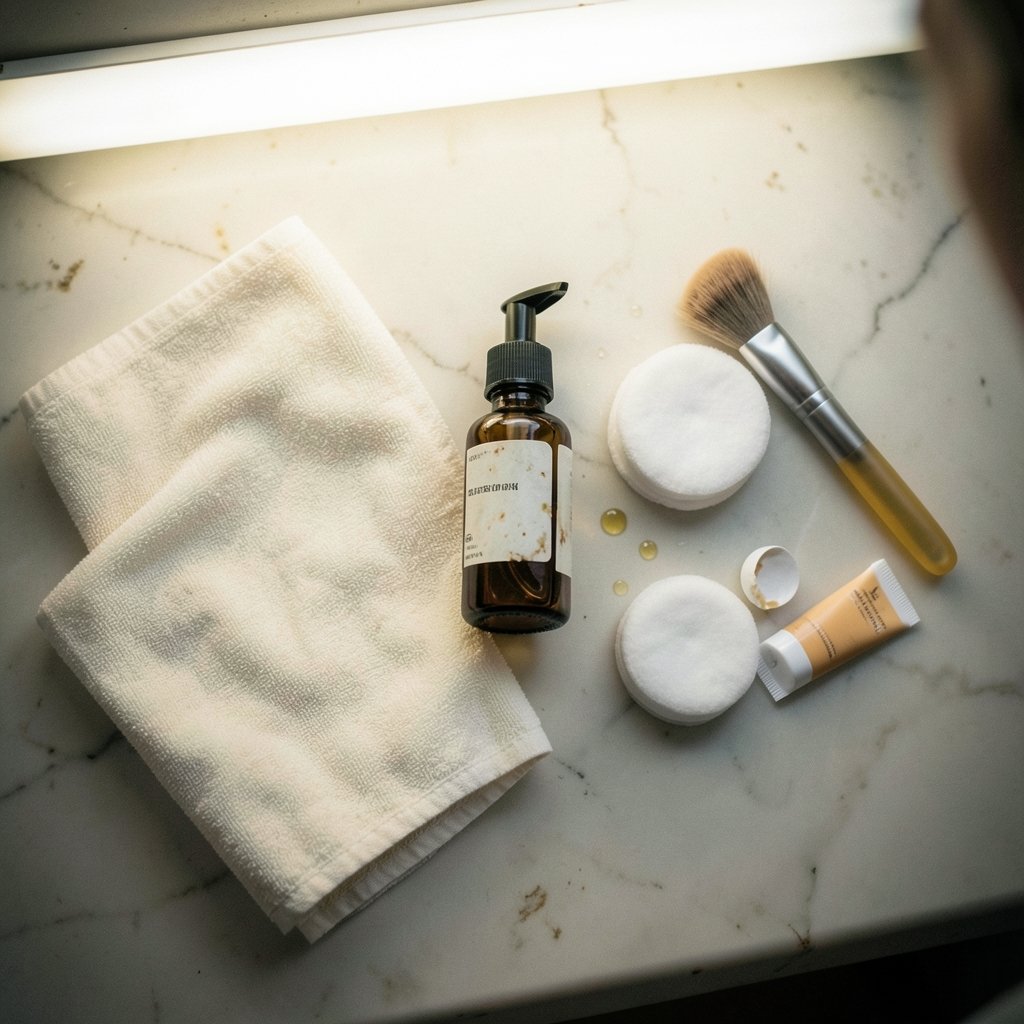
What if the most important step in your skincare routine is the one you rinse straight down the drain? Cleansing gets less attention than serums and moisturizers, yet it sets the stage for everything that follows. Aesop’s Parsley Seed Facial Cleansing Oil sits right in that unglamorous but crucial category, and it has built a quiet following among people who wear makeup, sunscreen, or live in cities where grime seems to find your face by lunchtime. This article breaks down what the product actually is, how to use it without wasting it, where the marketing outruns the science, and whether a premium-priced cleansing oil deserves a spot on your shelf.
What This Cleansing Oil Actually Is
Aesop is an Australian skincare brand founded in Melbourne in 1987 by Dennis Paphitis. Since 2023 it has been owned by L’Oréal, a detail worth knowing because it tells you the brand now operates with the resources of one of the largest beauty companies in the world while keeping its boutique positioning. The Parsley Seed range is one of Aesop’s long-standing lines, sold for well over a decade, and the facial cleansing oil within it is a rinse-off product designed to dissolve makeup and daily buildup before you follow with a water-based cleanser.
The format matters more than the name. A cleansing oil works on the principle that like dissolves like: oils in the formula loosen sebum, sunscreen, and long-wear makeup that a foaming cleanser alone can struggle with. This one is applied to dry skin, massaged in, then emulsified with a splash of water so it turns milky and rinses clean. That emulsification step is the difference between a modern cleansing oil and a jar of olive oil from your kitchen. (Essential oil diffusers)
The Parsley Seed Angle
The range’s signature ingredient is parsley seed extract, alongside supporting players that commonly appear in Aesop’s parsley seed formulas, such as carrot seed oil and lavender oil. Here is where a dose of honesty helps: “parsley seed” is a botanical descriptor, not a regulated or clinically proven claim. There is very little peer-reviewed research on topical parsley seed extract for skin, and most of what you read about it comes from the brand’s own copy rather than independent trials. That does not make the product bad. It means you should judge it on how well it cleanses and how your skin tolerates it, not on the story attached to the star ingredient.
Formulations also change over time and vary by region. The authoritative source is always the INCI ingredient list on the packaging or the brand’s current product page, not a review from three years ago. Cosmetic products sold in the EU must carry a full ingredient list under Regulation (EC) No 1223/2009, which is precisely why the label beats the marketing.
How to Use It So It Actually Works
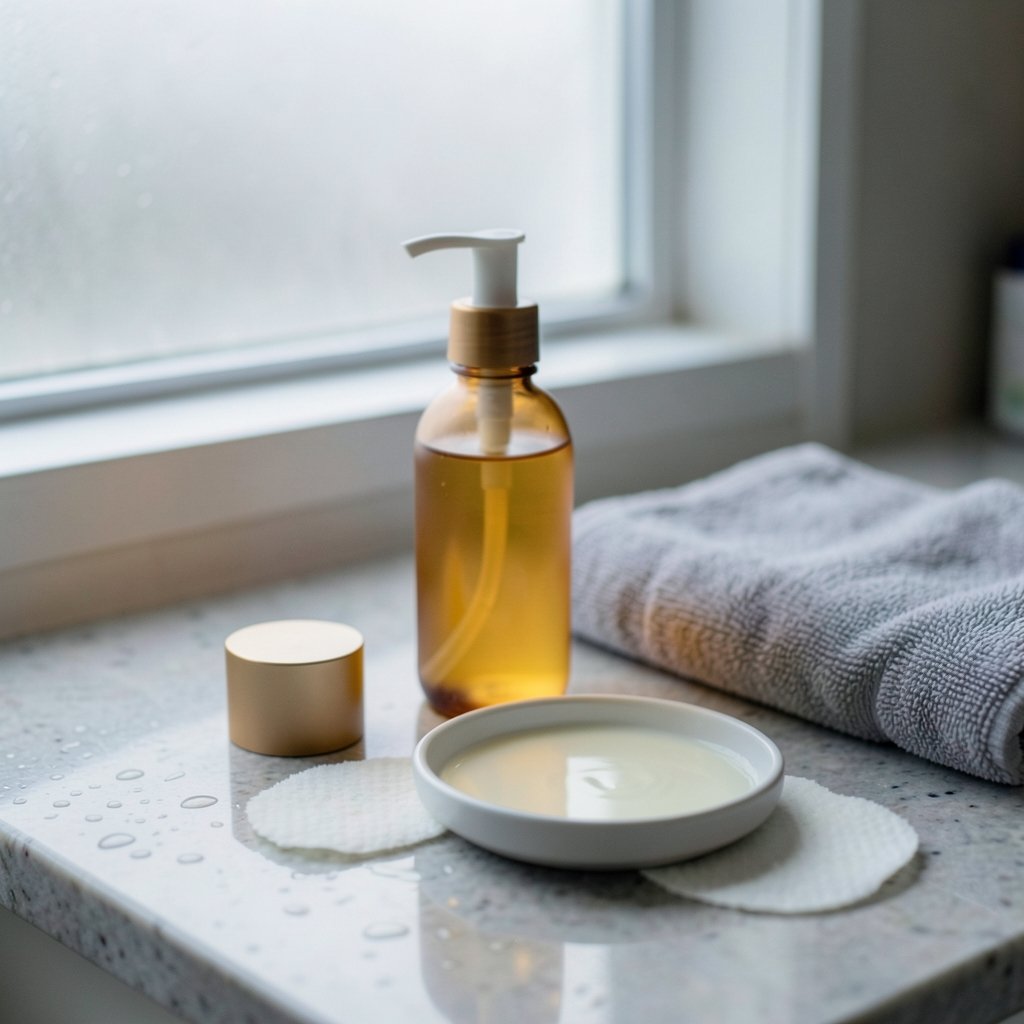
Most complaints about cleansing oils trace back to technique, not the product. A few practical habits separate a smooth experience from a greasy one.
- Start with dry hands and a dry face. Water dilutes the oil before it has a chance to dissolve makeup. If your face is damp, the product emulsifies too early and does half its job.
- Use two to three pumps and massage for 30 to 60 seconds. Focus on the areas where makeup collects: around the eyes, along the jaw, and the sides of the nose. No aggressive scrubbing needed.
- Add a little lukewarm water and keep massaging. The oil should turn milky white. That visual change tells you the emulsifier is working and the residue will rinse away.
- Rinse thoroughly, then follow with a second cleanser if your skin is oily or acne-prone. This is the classic double cleanse, and it is not a marketing invention; it genuinely helps remove any film the oil leaves behind.
- Pat dry and move on to your routine. If you use a cuticle oil as part of your hand care, that is a separate step entirely, but the principle is similar: oils do their best work on skin that is clean and slightly damp.
Common mistakes worth flagging: using the oil on a wet face, skipping the emulsification massage, and expecting it to remove waterproof mascara without gentle persistence around the lashes. Also, do not store it in a hot bathroom windowsill. Heat and light degrade plant oils over time, and a cleansing oil that smells off is past its prime.
Who It Suits and Who Should Skip It
Cleansing oils are not one-size-fits-all, and the honest answer depends on your skin and your habits.
| Skin type or situation | Likely fit | Why |
|---|---|---|
| Wears makeup or SPF daily | Strong fit | Dissolves pigment and sunscreen efficiently |
| Dry or dehydrated skin | Strong fit | Leaves skin comfortable rather than tight |
| Normal to combination skin | Good fit, often with a second cleanse | Effective without stripping |
| Very oily or acne-prone | Mixed | Works for some, but a second cleanse is essential; some find oils too heavy |
| Sensitive or reactive skin | Test first | Fragrance allergens in plant oils can irritate some people |
| Prefers a one-step routine | Weak fit | The rinse-off format rewards a two-step habit |
One more consideration: fragrance allergens. Lavender oil and similar botanicals contain compounds such as linalool and limonene, which EU rules require to be declared on the label above certain thresholds. If your skin reacts to scented products, patch test on the jawline for a few days before committing to full-face use. This is standard advice for any fragranced skincare, and it applies here.
The Honest Limits of the “Parsley Seed” Story
It is easy to get swept up in botanical narratives. A plant name on a bottle suggests a direct line from garden to glow. In reality, the cleansing job here is done by the oil blend and the emulsifier system, and the plant extracts play a supporting role at best. If you want to understand what a specific ingredient is and what it is officially recognized to do, cosmetic ingredient databases maintained by regulators are far more useful than brand storytelling.
There is also a practical lesson from the wider world of oils: context decides everything. The same substance can be a skincare hero or an industrial tool depending on how it is used, which is why a device like a corrugated plate interceptor that cleans oily water in wastewater systems has nothing to do with the oil on your bathroom shelf. Similarly, claims about plant ingredients often get inflated in translation from lab conditions to real life, a pattern you see with everything from watermelon seeds, whose nutrition and uses are more modest than the science actually says, to trendy superfoods. Skincare deserves the same skepticism.
What does this mean for the cleansing oil? Judge it on three things you can actually observe: does it remove your makeup completely, does your skin feel comfortable afterward, and does it stay stable without irritation over weeks of use. If yes on all three, the parsley seed story is a nice bonus rather than the reason to buy.
Price, Value, and the Practical Trade-Offs
Aesop sits in the premium tier, and prices vary by market and change over time, so check the current listing rather than trusting a figure from an old review. The fair question is not “is it expensive” but “is the experience worth the premium to you.” A cleansing oil is used daily, often twice if you double cleanse, so cost per use matters more than sticker price. A bottle that lasts three months at a premium price can still feel reasonable if the texture and results genuinely please you.
Where the product earns its keep: the sensory experience is polished, the emulsification is clean, and it pairs well with a low-effort evening routine. Where cheaper alternatives close the gap: the core mechanism, oil dissolving oil, is not proprietary. Plenty of drugstore cleansing oils emulsify well and cost a fraction. If you love ritual and texture, the premium makes sense. If you mainly want makeup off before bed, a budget option will do the same job. That kind of clear-eyed comparison is the same logic behind choosing buzz cut trimmers: pick one that cuts clean, not hot, where performance beats branding every time.
A few more practical notes from experience with this format:
- Travel: decant a small amount into a leak-proof bottle; full-size bottles are heavy and prone to messy spills.
- Shelf life: plant-oil formulas are best used within the period after opening marked on the packaging. Do not hoard backups for years.
- Storage: a cool, dark cabinet beats a steamy shower ledge.
- Pairing: if you use actives like retinol or acids at night, cleanse first, then apply them to dry skin; residual oil can reduce absorption.
None of this is exotic advice, but it is the difference between a product that feels luxurious and one that feels like a waste.
Frequently Asked Questions
Does Aesop Parsley Seed Facial Cleansing Oil remove waterproof makeup?
It handles most everyday makeup and sunscreen well, but waterproof mascara often needs a little extra patience. Massage gently along the lashes for longer, emulsify fully with water, and consider a dedicated eye remover if stubborn pigment remains. Avoid tugging at the delicate eye area; repeated rubbing causes more visible damage than any cleanser can fix.
Can I use it if I have oily or acne-prone skin?
Yes, with adjustments. Cleansing oils can suit oily skin because they dissolve excess sebum without stripping, but the key is the second cleanse. Follow with a gentle water-based cleanser to remove any oily film, and watch how your skin responds over two to three weeks. If you notice new congestion, scale back to using it only on makeup days.
Do I need a second cleanser after using it?
Not always, but often. If your skin feels clean and comfortable after rinsing, you can stop there. If you wear heavy makeup, use thick sunscreen, or have oily skin, a second cleanse is the safer habit. Think of the oil as the step that lifts product off and the second cleanser as the step that leaves skin ready for serums.
Is parsley seed extract proven to benefit skin?
There is very little independent, peer-reviewed evidence on topical parsley seed extract, and most claims come from the brand rather than clinical trials. That does not mean the ingredient is useless, but the cleansing performance comes mainly from the oil blend and emulsifiers. Judge the product on how well it cleanses and how your skin tolerates it.
Why does the oil turn milky when I add water?
That is emulsification. The formula contains emulsifiers that let oil mix with water so it can rinse away instead of sitting on your skin. If it does not turn milky, you likely applied it to a wet face or did not add enough water during the massage. This step is what separates a rinse-off cleansing oil from a plain plant oil. (Cuticle oil)
Is it worth the premium price?
It depends on what you value. The texture, scent, and clean rinse are polished, and daily use means cost per use is lower than the sticker price suggests. But the core mechanism is not unique, and many cheaper cleansing oils emulsify just as effectively. If ritual and sensory pleasure matter to you, it earns its place; if you simply want makeup off, a budget option works fine.
Conclusion
Aesop’s Parsley Seed Facial Cleansing Oil is a well-made, pleasant-to-use rinse-off cleanser that does the job it was designed for: dissolving makeup, sunscreen, and daily grime so your skin is ready for whatever comes next. The parsley seed story is more poetry than proven science, and the premium price buys experience as much as efficacy. Used correctly, with dry skin, a proper emulsification massage, and a second cleanse when needed, it fits neatly into most routines. Used carelessly, it will feel greasy and overpriced. The difference is technique, not the label. If you want a cleansing step that feels like a small ritual and leaves skin comfortable, it is worth trying. If you want the same clean result for less, the category has plenty of capable alternatives, and no botanical name on a bottle will change that.









