

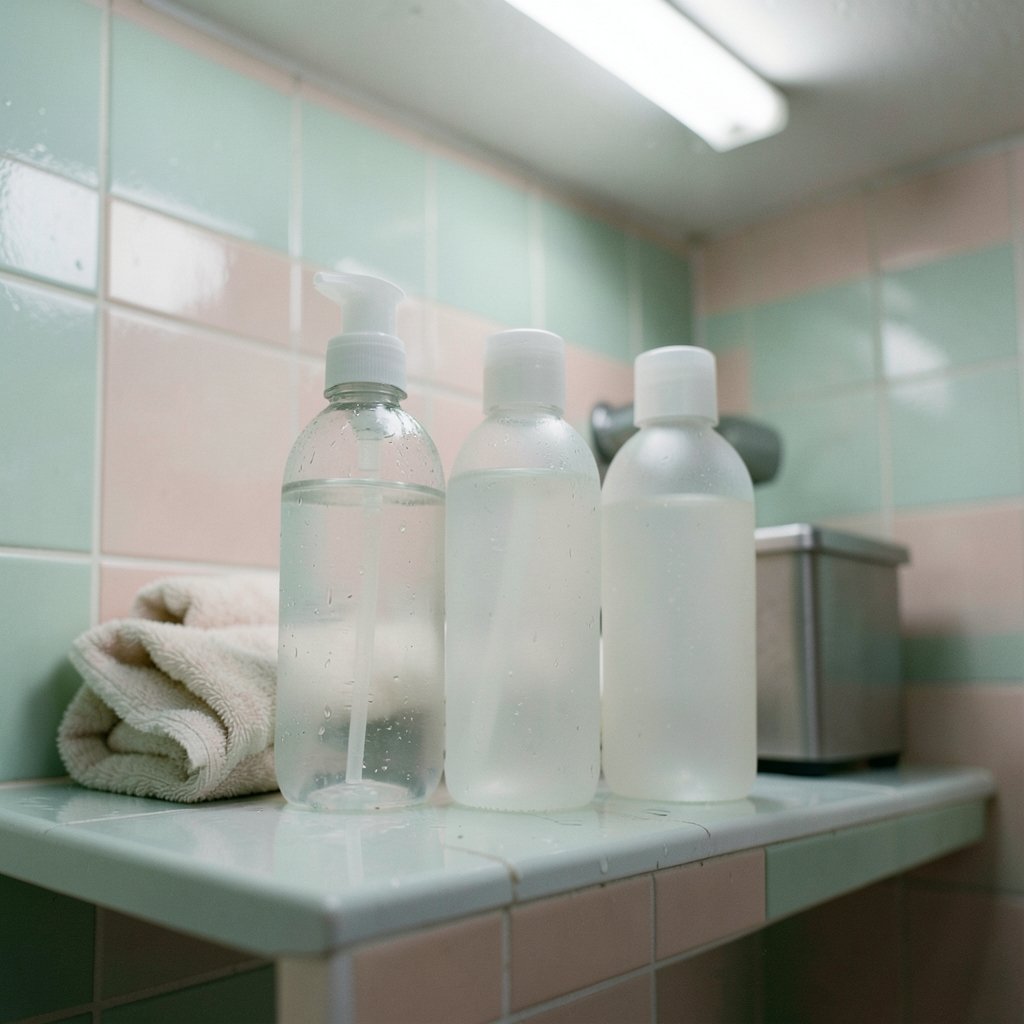
A bottle in your shower can say “Paris” on the front and still be filled in a factory three countries away. That gap frames the French shampoo story, and the answer is messier than many shoppers expect. France hosts some of the world’s largest beauty companies, a pharmacy aisle stocked with dermo-cosmetic hair care, and several heritage brands that have lasted more than a century. Yet “French” can mean at least three things: founded in France, headquartered in France, or manufactured in France. This article separates those claims, covers the major brands by category, and explains what the labels actually tell you. (Press on nail brands)
What “French” Actually Means on a Shampoo Bottle
Before naming names, it helps to understand the rules. Shampoos sold in France must comply with EU Regulation (EC) No 1223/2009 on cosmetic products, which has applied since 11 July 2013. That regulation requires a safety assessment, a Product Information File, and labelling that includes an INCI ingredient list and a “responsible person” established in the EU. It does not, however, require a product to be made in France to be sold there.
There is also no single protected “Made in France” label for cosmetics. Origin claims fall under EU rules on unfair commercial practices, and for some goods under French customs rules on origin. In practice, this means a brand can be French-owned and French-founded while its shampoo is produced elsewhere in Europe. That is normal in the industry, not a scandal, but it does mean shoppers should read “French brand” and “made in France” as two separate statements. (Micro french tips)
A practical tip from the aisle: flip the bottle over. The manufacturer or responsible-person address tells you where the company sits legally. The “made in” line, when present, tells you where the product was produced. Those two lines frequently name different countries, and neither is a lie.
The L’Oréal Family: France’s Shampoo Giant

No discussion of French shampoo can avoid L’Oréal, founded in Paris in 1909 by the chemist Eugène Schueller, who developed a hair dye he called “Auréole.” Hair and hair care remain its largest division, which is remarkable for a company that started with a single dye formula.
L’Oréal’s consumer-products portfolio includes shampoo brands sold worldwide, and two matter most here:
- Garnier, founded in France in 1904 as a hair-care company and later absorbed into L’Oréal. It is one of the most widely distributed French-origin hair brands on the planet.
- Elsève/Elvive, the group’s mass-market hair-care line, sold under different names depending on the market.
On the pharmacy side sits Dercos, a medicated and dermo-cosmetic hair-care line under Vichy, L’Oréal’s active-cosmetics division. Dercos is where the group puts its anti-dandruff and scalp-treatment shampoos, and it is sold through pharmacies rather than supermarkets. If you have ever stood in a French pharmacie staring at a wall of white bottles, that is the shelf Dercos lives on.
The takeaway: when people say French shampoo brands dominate the global market, L’Oréal’s portfolio is usually what they mean. The company’s French roots are genuine, even though its manufacturing is spread across the world.
Pierre Fabre and the Pharmacy Shelf
The second major French player is Pierre Fabre, a pharmaceutical group founded in 1962. Its dermo-cosmetic division owns two names that show up constantly in French bathrooms:
Ducray focuses on hair care with a clinical bent, including anti-dandruff shampoos and treatments for reactive scalps. Klorane, founded in 1965, built its reputation on botanical hair care, and its dry shampoo is arguably its most famous product outside France.
These brands sit in a category the French call dermo-cosmétique: products sold in pharmacies, positioned between cosmetics and medicine, and often recommended by pharmacists rather than advertised on television. The practical consequence for shoppers is that the pharmacy channel is where you find the most “French-feeling” shampoo experience, complete with a pharmacist asking about your scalp before handing over a bottle.
A common mistake here is assuming pharmacy brands are automatically gentler. They are formulated for specific concerns, and some anti-dandruff actives are strong. Match the product to the problem rather than to the packaging.
Yves Rocher and the Botanical Tradition
Yves Rocher was founded in 1959 in La Gacilly, Brittany, by the businessman of that name, and it built its identity on “Botanical Beauty” and large-scale plant cultivation in the region. Shampoos are part of its range, and the brand’s pitch has always been accessibility plus plants rather than clinical claims.
The Brittany connection is more than marketing. The company grew out of a region with a strong agricultural identity, and its plant sourcing became part of how the brand tells its story. For shoppers, Yves Rocher represents the middle ground: French-founded, widely available, botanically framed, and priced well below pharmacy lines.
If you enjoy the botanical positioning, the same instinct shows up in other French beauty categories, from skincare to fragrance, where plant-based storytelling is a national specialty.
Mass-Market and Heritage Names
Beyond the giants, several French mass-market brands deserve mention. Dop is a French mass brand with a long supermarket presence. Petit Marseillais grew out of Marseille’s traditional soap industry and extended into hair care. Cadum is a historic French brand whose ownership has changed hands over the years, which makes it a perfect illustration of the ownership problem. (Pink French Tip Nails: 8 Designs and DIY Tips)
That last point matters. Brand ownership shifts frequently, and a name that feels quintessentially French may now belong to a multinational group. None of this makes the shampoo worse, but it does mean “French” is often a statement about origin and heritage rather than about who signs the paychecks today.
A useful habit when browsing: check whether the brand’s own materials say “founded in” or “made in.” The first is a history claim. The second is a manufacturing claim. They are not interchangeable, and brands are usually careful about which one they use.
How French Shampoo Brands Compare
The table below groups the main names by channel and positioning. Treat it as a map of the aisle rather than a ranking.
| Brand | Parent or owner | Main channel | Typical positioning |
|---|---|---|---|
| Garnier | L’Oréal | Mass market | Everyday hair care, broad range |
| Elsève/Elvive | L’Oréal | Mass market | Accessible treatment lines |
| Dercos | L’Oréal (Vichy) | Pharmacy | Medicated scalp and dandruff care |
| Ducray | Pierre Fabre | Pharmacy | Clinical hair and scalp treatments |
| Klorane | Pierre Fabre | Pharmacy and selective | Botanical care, dry shampoo |
| Yves Rocher | Yves Rocher group | Own stores and online | Botanical, affordable |
| Dop | Mass-market owner | Supermarket | Budget everyday shampoo |
| Petit Marseillais | Multinational owner | Supermarket | Marseille soap heritage |
| Cadum | Multinational owner | Supermarket | Historic French brand |
The pattern is clear: France exports two very different shampoo identities. One is the accessible supermarket bottle with French heritage on the label. The other is the pharmacy product with a clinical claim and a pharmacist’s recommendation behind it. Both are authentically French in origin, and both are sold far beyond France.
What the Labels Tell You and What They Don’t
Reading a French shampoo label is a skill, and a few habits make it easier.
- Find the responsible person. EU rules require an address in the EU for the company responsible for the product. This is the legal home of the brand, not necessarily the factory.
- Read the INCI list. Ingredients are listed in descending order of concentration until the 1% mark. If the botanical extract you came for sits near the bottom, it is there in small amounts.
- Look for the “made in” line. When present, it tells you where production happened. When absent, do not assume France.
- Check the channel. Pharmacy brands are formulated for specific concerns; supermarket brands are formulated for broad appeal. Neither is better in the abstract.
- Ignore the flag graphics. Tricolor packaging is decoration, not certification.
A frequent frustration among shoppers is expecting a French pharmacy shampoo to behave like a luxury product. Many are effective but plain: thin textures, medicinal smells, no fragrance flourish. That is the point. The formulation is doing the work, not the bottle.
If you are building a routine around French brands, it helps to think in terms of scalp type first and brand second. Oily scalps do well with clarifying or anti-dandruff lines from the pharmacy side. Dry or sensitive scalps often prefer the gentler botanical ranges. Damaged hair benefits from the treatment-focused mass-market lines. The brand name is the least useful variable in that decision.
The Export Story and Why It Matters
France’s cosmetics sector is a major exporter, and the country is frequently described as a leading global exporter of cosmetics. The industry body FEBEA (Fédération des Entreprises de la Beauté) publishes sector data, and its reports are the place to look for current figures rather than repeating year-old numbers.
This export strength explains something shoppers notice: French shampoo brands are everywhere, but the versions sold abroad are not always identical to the French versions. Formulas, fragrance levels, and even product names can vary by market. Elvive and Elsève are the same family under different names, and regional variants are common across the industry.
For readers who enjoy comparing how brands travel across categories, the same pattern shows up in fashion and design, where French and Italian names carry cachet far from where the goods are made. The lesson is consistent: heritage sells, but the label deserves a second look.
Practical Buying Advice That Actually Works
After all the brand history, the useful question is simple: which bottle should you buy? A few field-tested rules help.
Buy pharmacy brands when you have a specific problem, such as flakes, itching, or a reactive scalp. The formulations are targeted, and the pharmacist can point you to the right one. Buy mass-market French brands when you want a reliable everyday shampoo at a fair price and enjoy the heritage story. Buy botanical lines when your scalp is calm and you want a pleasant routine rather than a treatment.
One common mistake is over-treating. People with mild flaking often reach for the strongest medicated shampoo on the shelf when a gentle anti-dandruff formula used twice a week would do. Another is switching brands every few weeks, which makes it impossible to judge whether anything worked. Give a new shampoo four to six weeks before deciding.
A final practical note: French pharmacy shampoos are often sold in smaller bottles than supermarket ones. That is not a trick. It reflects the treatment framing, where a course of use matters more than a family-sized supply.
Conclusion
French shampoo brands are less a single category than a family tree with three branches: the global giant built by L’Oréal, the pharmacy-focused dermo-cosmetic world of Pierre Fabre, and the heritage and botanical names like Yves Rocher, Dop, and Petit Marseillais. The French origin of these brands is real, but it rarely means the bottle was filled in France. Understanding the difference between founded in France, headquartered in France, and made in France turns a confusing label into a straightforward buying decision. Read the responsible-person line, check the ingredient order, choose by scalp concern rather than by flag graphics, and the French shampoo aisle stops being a puzzle and starts being useful.
Frequently Asked Questions
What are the most well-known French shampoo brands?
The best-known names are Garnier and Elsève/Elvive, both under L’Oréal, which was founded in Paris in 1909. On the pharmacy side, Ducray and Klorane under Pierre Fabre are widely recognized, alongside Dercos under Vichy. Yves Rocher, Dop, Petit Marseillais, and Cadum round out the mass-market and heritage end of the list.
Are French shampoo brands actually made in France?
Not always. There is no single protected “Made in France” label for cosmetics, and origin claims fall under EU rules on unfair commercial practices. A brand can be French-founded and French-headquartered while its shampoo is produced elsewhere in Europe. Check the “made in” line on the bottle rather than assuming.
What is the difference between French pharmacy shampoo and supermarket shampoo?
Pharmacy brands such as Ducray and Dercos are formulated for specific scalp concerns and sold with pharmacist guidance. Supermarket brands such as Garnier and Dop are formulated for broad everyday use and wide appeal. Neither is inherently better; the right choice depends on whether you have a specific scalp issue to address.
Do French shampoos follow special regulations?
Yes, but the rules are EU-wide rather than uniquely French. Shampoos sold in France must comply with EU Regulation (EC) No 1223/2009 on cosmetic products, which has applied since 11 July 2013 and requires a safety assessment, a Product Information File, and labelling with an INCI ingredient list and an EU responsible person.
Is Klorane or Ducray better for dandruff?
Both sit under Pierre Fabre and both address scalp concerns, but they are positioned differently. Ducray leans clinical, with anti-dandruff treatments among its core products. Klorane is known for botanical formulas and its dry shampoo. For active flaking, a pharmacist can match the specific active to your scalp rather than leaving it to brand preference.
Why do French shampoo brands have different names in different countries?
Formula and naming variations by market are standard in the global beauty industry. Elsève and Elvive are the same L’Oréal hair-care family sold under different names depending on the region. Fragrance levels and even ingredient lists can shift to suit local preferences and regulations, so a French brand abroad is not always identical to the French version.









