


Quick Answer: Are shackets still in style 2026?
Yes. The shacket has settled into the role of a modern wardrobe staple rather than a fading novelty, and you can wear one confidently in casual, smart-casual, and layered transitional outfits. The main distinction is between trend-driven versions (oversized, brightly colored, heavily textured) and classic versions (wool blends, neutral tones, clean lines), which age far better. Comparable options that do a similar job include the quilted liner jacket, the heavy flannel overshirt, and the unstructured chore coat, each with a slightly different weight and formality. Before buying, check the fabric weight, the shoulder fit, the color’s versatility against your existing wardrobe, the price per wear, and whether the silhouette suits your body and climate.
Does the shacket deserve a spot in your closet this year, or is it time to retire the one hanging by the door? That question comes up constantly, and the honest answer is more interesting than a simple yes or no. The shacket, that hybrid of shirt and jacket, has been floating around fashion for years now. It has survived the hype cycle, the fast-fashion flood, and the inevitable backlash. What remains is a garment that has quietly earned its place.
This article looks at where the shacket stands in 2026, how to wear it without looking dated, which versions hold up, and the mistakes that make people look like they are stuck in 2021. It also connects the shacket to the wider style conversation, because no piece exists in a vacuum.
From trend to staple: how the shacket aged
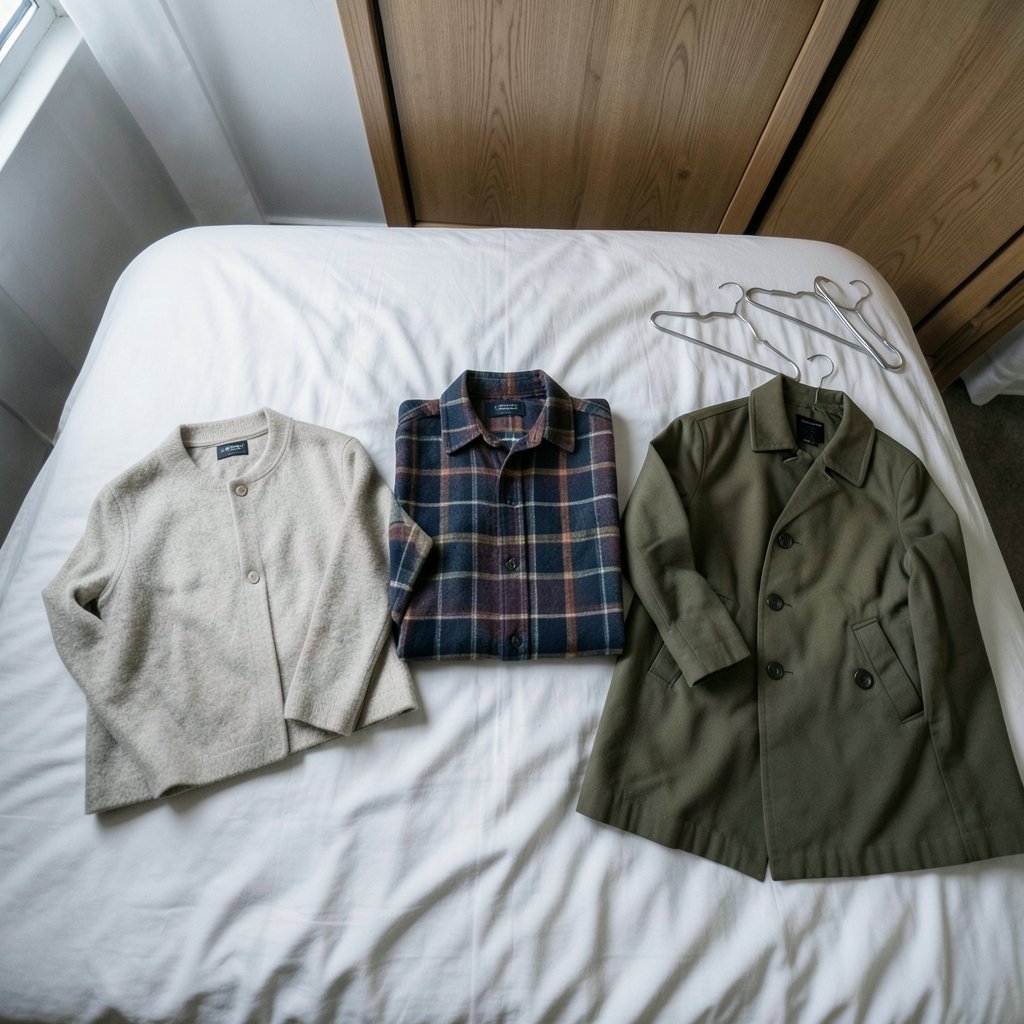
The word itself is a portmanteau of “shirt” and “jacket,” and dictionary entries describe it as a garment blending the two. That definition has not changed, which tells you something important: the shacket is a category, not a single fad. Categories tend to survive.
Fashion works in waves. Utilitarian garments often start in workwear, move into high fashion, then trickle down to mainstream retail. The overshirt followed exactly that path. It peaked as a “trend” with loud plaids and exaggerated cuts, then settled into something quieter. In 2026, the shacket reads less like a statement and more like a reliable layer, similar to how the trench coat or denim jacket stopped being news and became furniture in a good wardrobe.
That shift matters for anyone deciding whether to buy. A trend asks you to be noticed. A staple asks you to be comfortable and put-together. The shacket now does the second job well.
It also helps to see the shacket against the broader direction of the year. The overall mood in 2026 fashion trends leans toward relaxed tailoring, layering, and pieces that work across seasons, which is exactly the shacket’s home turf. If you want a more detailed breakdown by category, the guide to 2026 fashion trends for women covers how layering pieces fit into everyday outfits.
Why the shacket still earns its place in 2026
Three practical reasons keep the shacket relevant.
First, it solves a real problem. Temperatures between seasons are awkward. A coat is too much, a shirt is too little. The shacket fills that gap, which is why people keep reaching for it rather than buying it out of hype.
Second, it layers without bulk. A good shacket sits close to the body but still allows a tee, a thin knit, or a hoodie underneath. That flexibility makes it useful for commuting, travel, and unpredictable weather.
Third, it works across dress codes. A wool-blend shacket over a collared shirt reads smart-casual. A canvas or denim version over a graphic tee reads weekend. Few pieces cross that line so easily.
There is also a quieter argument: the shacket fits the minimalist turn in fashion. People are buying fewer, better pieces and wearing them more. A neutral shacket in a solid color slots into that mindset perfectly. If that approach appeals to you, the roundup of the best minimalist fashion brands shows how brands build wardrobes around exactly this kind of versatile layer.
Which shackets look current and which look dated
Not all shackets are equal. The difference between “still in style” and “looks tired” usually comes down to cut, fabric, and color. Here is a practical comparison.
| Feature | Reads current in 2026 | Reads dated |
|---|---|---|
| Fit | Relaxed but structured shoulders | Extremely oversized or skin-tight |
| Fabric | Wool blends, brushed cotton, canvas, suede | Thin polyester, shiny synthetics |
| Color | Charcoal, olive, camel, cream, navy | Neon, heavy multi-color plaid |
| Details | Clean seams, simple pockets | Excessive zips, patches, logos |
| Length | Hip-length or slightly longer | Cropped awkwardly at the waist |
The pattern point deserves extra attention. Bold buffalo plaid was the shacket’s signature look during its peak, and it now signals “I bought this in 2021.” If you love plaid, go for a muted, tonal check rather than a loud one. Patterns can still work; they just need restraint. The same principle applies to other patterned pieces, as shown in these ideas for how to style a polka dot set, where balance keeps a bold print from overwhelming the outfit.
How to wear a shacket without looking stuck in the past
Styling is where most people go wrong. The shacket is forgiving, but it is not automatic. These steps keep it sharp.
- Start with a fitted base. A slim tee, a fine-gauge knit, or a tucked shirt underneath prevents the whole look from feeling shapeless.
- Balance the volume. If the shacket is relaxed, keep the bottom half cleaner, such as straight-leg trousers or slim denim. Avoid pairing an oversized shacket with baggy everything.
- Choose one focal point. Let the shacket be the texture or color moment. Keep the rest neutral so the outfit breathes.
- Mind the hem. A shacket that ends mid-hip works with high-waisted bottoms. A longer one looks better left open over a column of similar tones.
- Layer with intention. Roll the sleeves for a casual feel, or keep them down for a cleaner line in smarter settings.
- Finish with the right shoes. Chunky boots push it casual; loafers or clean sneakers keep it smart-casual.
A common mistake is treating the shacket like a coat and wearing it over thick sweaters. That creates bulk at the shoulders and arms. The shacket works best as a mid-layer, not an outer shell in deep winter. In colder months, wear it under a proper coat instead.
Another mistake is ignoring proportion. A boxy shacket on a shorter frame can swallow the body if the trousers are also wide. Tucking the top or choosing a slightly shorter cut fixes this instantly.
Fabric, fit, and the details that decide longevity
If you are buying one shacket this year, buy for durability. Fabric weight is the single biggest factor. A mid-weight wool blend or brushed cotton drapes well, holds its shape, and works across more of the year. Thin, flimsy fabric wrinkles, pills, and looks cheap fast.
Fit comes second. The shoulder seam should sit near your natural shoulder, not droop far past it. You should be able to raise your arms without the whole garment lifting. If the sleeves are too long, a tailor can shorten them cheaply, which is often worth it.
Color is third. A neutral shacket matches more outfits and stays current longer. Charcoal, olive, camel, navy, and cream cover almost every wardrobe. If you already own neutrals, a muted rust or deep green adds interest without dating quickly.
Finally, check the closures. Buttons feel more classic; snaps and zips lean casual. Neither is wrong, but match the hardware to how you plan to wear it. Shiny hardware on a smart shacket can look out of place.
Where the shacket fits in a 2026 wardrobe
The shacket is not the whole outfit; it is a supporting player. It works best when it complements the rest of your style rather than dominating it.
For a smart-casual office, try a wool-blend shacket over a fine knit with tailored trousers. For weekends, a canvas version over a tee with straight jeans and boots. For travel, a lightweight shacket doubles as a pillow on the plane and a layer on arrival. For events with a relaxed dress code, a suede or darker shacket can replace a blazer without looking underdressed. Even 2026 wedding style has room for relaxed layering at casual celebrations, though formal weddings still call for proper tailoring.
The finishing touches matter too. Hair and accessories change how a shacket reads. A messy bun or a sleek ponytail shifts the whole mood, and the current hairstyles for 2026 offer plenty of low-effort options that pair well with a layered look.
What the trend signals actually tell you
There is no single number that proves a garment is “in style.” Style status is a blend of signals: what appears on runways, what retailers stock, what people search for, and what holds value on resale. A credible read triangulates all four.
The useful takeaway is that these signals often disagree. High fashion may move on while mainstream retail keeps selling a piece, because real people buy what works for their lives. The shacket sits firmly in that mainstream zone. It is not the loudest thing in the room, and that is precisely why it lasts. Trend cycles for utilitarian overshirts have historically run in multi-year waves, and a garment can remain a staple long after it stops being a headline. That is the stage the shacket occupies now.
For shoppers, this means you can stop asking whether the shacket is “over” and start asking whether a specific shacket works for you. The category is safe. The individual piece is what needs scrutiny.
Common mistakes to avoid
A few habits make even a good shacket look off.
Wearing it as a winter coat is the biggest one. It is a layer, not insulation. Pair it with a real coat when temperatures drop.
Buying purely on trend is another. A loud, oversized shacket bought at peak hype often ends up unworn. A neutral, well-fitting one gets worn for years.
Ignoring the rest of the outfit is a third. The shacket is casual by nature, so pairing it with gym clothes or overly formal pieces creates friction. Match its energy to the rest of the look.
Finally, skipping care instructions shortens its life. Wool blends need gentle cleaning; canvas can take more abuse. Treat the fabric well and the shacket will outlast the trend cycle that produced it.
Conclusion
So, are shackets still in style in 2026? Yes, but the answer comes with nuance. The shacket has graduated from trend to staple, which means it no longer needs to shout to be relevant. The versions that look current are the ones with clean lines, neutral colors, and fabrics that hold up. The ones that look dated are loud, flimsy, and overstyled.
The smart move is to treat the shacket like any other wardrobe workhorse. Buy for fit and fabric, style it with balance, and wear it across seasons. Do that, and it will earn its place for years rather than one season. Fashion keeps moving, but the pieces that solve real problems tend to stay.
FAQ
Is the shacket trend dead?
No. The shacket has moved from a peak trend into a staple category, which is a stronger position. It is less hyped than it was at its height, but it remains a widely worn and widely stocked layer. The loud, trend-driven versions have faded; the classic ones have not.
What is the difference between a shacket and an overshirt?
The terms overlap heavily. An overshirt usually refers to a shirt-weight garment worn as a light layer, often buttoned. A shacket tends to be slightly heavier with more jacket-like details such as thicker fabric, larger pockets, or a lining. In practice, many brands use the words interchangeably.
Can you wear a shacket to the office?
Yes, in smart-casual workplaces. Choose a wool-blend or solid-color shacket in a neutral tone, wear it over a collared shirt or fine knit, and pair it with tailored trousers. Avoid heavily distressed, oversized, or brightly patterned versions for professional settings.
How should a shacket fit?
It should feel relaxed but structured. The shoulder seam should sit close to your natural shoulder, you should be able to layer a thin top underneath, and you should be able to raise your arms comfortably. If it droops far past the shoulder or feels tight across the back, size up or choose a different cut.
What colors are best for a shacket in 2026?
Neutrals last longest: charcoal, olive, camel, navy, and cream. These match most wardrobes and stay current across seasons. If you already own neutrals, a muted rust, deep green, or tonal check adds variety without dating quickly.
Is a shacket warm enough for winter?
Generally no. A shacket is a mid-layer, not a winter coat. It works well in spring and fall, or layered under a proper coat in cold weather. For deep winter, choose an insulated jacket and use the shacket as an indoor or transitional layer instead.









