

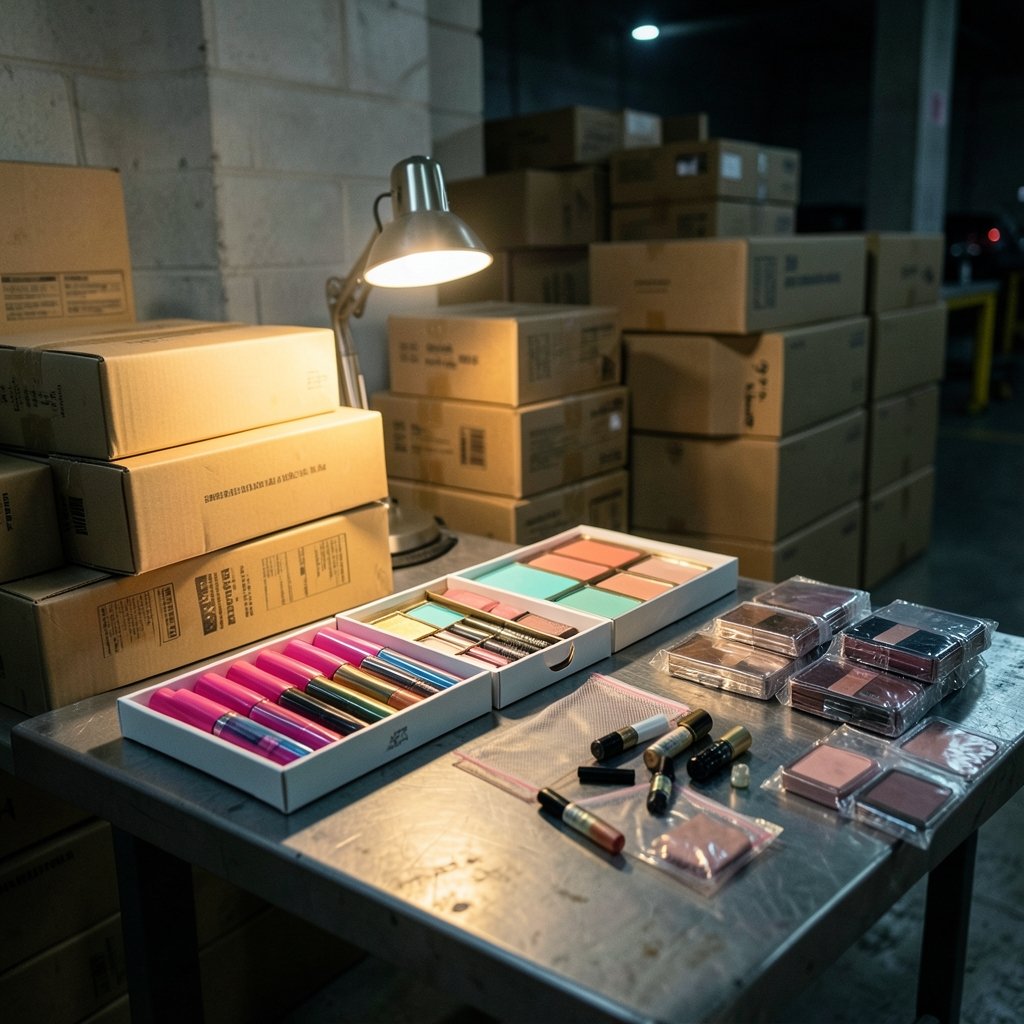
Is Labor Day really a good time to buy makeup, or is it just another excuse for retailers to slap a red sticker on old stock? The honest answer sits somewhere in the middle, and knowing which side of that middle you’re on can save you real money.
Labor Day makeup sales exist, but they’re not the beauty event that Black Friday or a retailer’s spring savings promotion has become. The holiday, observed on the first Monday of September since 1894, was built around mattresses, appliances, and end-of-summer clearance. Beauty rides along as a secondary category. That doesn’t make the sales worthless. It just means you need a sharper strategy than “click everything marked down.”
Why Labor Day Is a Quiet Beauty Moment
Walk into a department store over Labor Day weekend and you’ll see the pattern immediately. Furniture displays dominate the entrance. Appliance deals get the biggest signage. Cosmetics counters are busy, but they’re rarely the headline.
The seasonal logic explains it. Early September sits in a dead zone between summer launches and the holiday beauty calendar. Brands want to clear summer shades and make shelf space for fall lines. That creates genuine markdowns, but they tend to be selective rather than storewide.
Compare that with the beauty calendar’s real tentpoles. Retailers run dedicated savings events in spring and fall. Black Friday and Cyber Monday deliver deeper cuts. Labor Day, by contrast, is a supporting player. If you’re hunting for a specific prestige palette at 40% off, this probably isn’t your weekend.
What Discounts Typically Look Like

Discount depth varies by retailer and year, and no public dataset isolates makeup purchases on Labor Day specifically. That gap matters. Most figures you’ll see are retailer-reported or trade-press estimates, not audited numbers.
Still, broad patterns hold. Labor Day beauty discounts commonly land in the modest range, often around 15% to 30% off select items. That’s shallower than holiday-season promotions. The structure of the deals matters as much as the percentage:
| Deal Type | What It Usually Means | Worth It? |
|---|---|---|
| Percentage off select items | 15–30% off a curated list | Yes, if the item is on your list |
| Sitewide percentage off | Rare in prestige beauty | Check exclusions carefully |
| Gift with purchase | Threshold spend triggers a bag of samples | Good value if you’ll use the samples |
| Bundle deals | Multiple products priced together | Compare per-unit cost first |
| Clearance racks | Summer shades, discontinued packaging | Best for staples, risky for shades |
The gift-with-purchase structure deserves attention. A threshold spend that earns a sample bag can beat a straight discount if the samples are things you’d buy anyway. If they aren’t, you’ve just paid full price for a reason to own more tiny bottles.
Where the Sales Actually Happen
Channel mix is the most practical thing to understand. Mass and drugstore retailers are the most common Labor Day beauty participants. Department stores join in with counter-level promotions. Prestige-only retailers tend to sit this one out or keep their offers thin.
That means your drugstore aisle is often the smarter stop. Mascara, brow products, lip liner, setting spray, and cleanser are the categories where a 20% cut actually moves the needle, because you’re restocking rather than chasing a shade. If you’ve been eyeing something from a brand known for seasonal clearances, the same logic applies to planning a bigger seasonal haul later. Readers tracking retail discount rhythms across categories often find the same pattern: holiday weekends reward preparation, not impulse. The same discipline that makes a boxing day sale worth waiting for applies here.
One more channel note: warehouse clubs and big-box stores sometimes bundle makeup into broader beauty events. Those bundles are rarely advertised as “Labor Day makeup sales,” so they’re easy to miss if you only search the holiday name.
The Timing Trap Most Shoppers Fall Into
Here’s a mistake that costs people money every year. They wait until Monday to shop.
Most Labor Day promotion happens over the preceding weekend, not on the holiday itself. Inventory thins as the weekend progresses. Popular shades sell out first. By Monday afternoon, you’re picking through leftovers and calling it a sale.
The practical fix is simple. Start browsing Friday or Saturday, put items in a cart, and check whether the price drops further. Screenshot the price you see. Retailers change promotions mid-weekend, and having a record helps you spot a fake markdown.
A second trap: treating the holiday as a deadline. If a product isn’t discounted, buying it anyway because “it’s a sale weekend” is how budgets die. The discount is only real if it applies to something already on your list.
How to Spot a Fake Markdown
Discount claims are regulated, but enforcement depends on complaints, and “was/now” pricing is a well-known area of consumer confusion. A few habits cut through the noise.
Check the reference price. If a product has been listed at the “original” price for only a brief window before the sale, the discount may be cosmetic. Look at the price history if the retailer shows one, or compare against another retailer’s regular price.
Read the exclusions. Sitewide banners often exclude prestige brands, new launches, and value sets. The banner says 30% off. The fine print says 30% off select items from participating brands.
Do the math on bundles. A set priced at a discount can still cost more per ounce than buying the full-size product alone. Divide by volume before you decide.
Watch for shade dumping. Clearance makeup is often clearance because the shade range is limited or the formula is being discontinued. That’s fine for a mascara you already love. It’s a gamble for a foundation you’ve never swatched.
Building a Smart Labor Day Beauty List
The shoppers who do well on this weekend aren’t the ones who find the biggest percentage. They’re the ones who arrive with a plan.
Start with replacements. Anything you’ve hit pan on or pumped dry belongs on the list. Mascara, concealer, setting powder, and cleanser are the classic restock categories, and they’re also the ones most likely to appear in mass-retailer promotions.
Then add one experiment, maximum. A discounted lip color or a brow gel is a low-risk way to try something new. A discounted $60 serum you’ve never tested is not.
Finally, set a ceiling before you browse. Holiday sale marketing is designed to make a moderate discount feel urgent. A number written down in advance is the cheapest defense against that.
If you enjoy the seasonal ritual of planning a beauty purchase around an occasion, you’re in good company. The same energy shows up in how people prep for Valentine’s Day, where subtle-to-statement nail ideas get mapped out weeks ahead. Makeup shopping works the same way: the plan beats the impulse.
What the Research Gap Means for You
It’s worth being blunt about the evidence. There’s no authoritative public dataset that isolates makeup spending on Labor Day. General holiday-weekend shopping behavior is well documented in retail surveys, but the makeup slice of that picture is mostly inferred from retailer announcements and trade reporting.
That has two consequences. First, any specific percentage you see quoted for “Labor Day makeup discounts” should be treated as a snapshot, not a rule. Second, the participating-retailer list changes every year. A store that ran a strong beauty promotion last September may skip this one entirely.
The practical takeaway: verify before you drive to the store. Check the retailer’s own promotion page during the weekend, confirm the end date, and confirm which brands are included. Five minutes of checking beats a wasted trip.
Common Mistakes and What Works Instead
A short field guide, drawn from how these weekends typically play out:
- Shopping Monday only. Shop the weekend. Inventory is better and promotions are live.
- Assuming the biggest banner is the best deal. Gift-with-purchase thresholds often beat percentage discounts for loyal buyers.
- Ignoring drugstore aisles. Mass retailers are the most consistent Labor Day beauty participants.
- Buying outside your shade range because it’s cheap. A discounted wrong shade is still the wrong shade.
- Skipping the fine print. Exclusions decide whether the sale applies to what you actually want.
- Forgetting the return window. Sale items sometimes carry shorter return policies. Confirm before checkout.
What works instead is unglamorous: a list, a price check, and a willingness to walk away. The shoppers who save the most on this weekend are usually the ones who buy the least that isn’t on the list.
Should You Wait for a Better Sale?
This is the question that decides most purchases. The answer depends on what you’re buying.
If you need a restock now, buy it on sale this weekend. Waiting two months to save an extra 10% on mascara isn’t a win.
If you’re eyeing a prestige item at full price with a thin Labor Day discount, wait. The holiday season and the retailer’s own savings events historically deliver deeper beauty discounts. There’s no prize for being first.
If you’re buying a gift, timing matters more than depth. A birthday or a thank-you moment doesn’t wait for Black Friday. In that case, a modest discount plus a thoughtful pick beats a deep discount that arrives late. That’s the same reasoning behind planning birthday puns in advance: the gesture lands better when it’s on time.
Conclusion
Labor Day makeup sales are real, but they’re modest, selective, and easy to overrate. The weekend rewards shoppers who treat it as a restock run rather than a treasure hunt. Mass and drugstore retailers carry most of the action, discounts typically land in the 15% to 30% range on select items, and the best promotions often hide behind gift-with-purchase thresholds rather than flashy percentage banners.
The smart play is straightforward. Build a short list of replacements, add one low-risk experiment, check prices against a reference point, and shop Friday or Saturday instead of waiting for Monday. Skip anything that isn’t already on the list, no matter how good the sticker looks. And if a prestige product you want isn’t meaningfully discounted, wait. The beauty calendar has deeper moments ahead, and patience is the one discount that never expires.
FAQ
When are Labor Day makeup sales?
Most promotions run from the Friday before Labor Day through the holiday Monday. The holiday itself falls on the first Monday of September. Inventory and selection are usually best early in the weekend, so shopping Friday or Saturday tends to beat waiting until Monday afternoon.
Are Labor Day makeup deals as good as Black Friday?
Generally no. Labor Day beauty discounts commonly land around 15% to 30% off select items, while holiday-season promotions tend to run deeper. Labor Day is also a secondary beauty moment, with retail attention focused on mattresses, appliances, and end-of-summer clearance rather than cosmetics.
Which stores have the best Labor Day makeup sales?
Mass and drugstore retailers are the most consistent participants, followed by department stores running counter-level promotions. Prestige-only retailers tend to keep their Labor Day offers thin or skip the weekend entirely. Because participation changes each year, check individual retailer promotion pages during the weekend rather than relying on last year’s list.
Is it worth waiting for a better sale instead?
It depends on the item. Restock products you need now are worth buying at a modest discount. Prestige items with shallow Labor Day markdowns are usually better bought during a retailer’s dedicated savings event or the holiday season, when beauty discounts historically run deeper.
How can I tell if a Labor Day discount is real?
Compare the sale price against the product’s regular price at another retailer, and check whether the “original” price was actually in effect for a meaningful period. Read the exclusions, since many banners apply only to select items and brands, and calculate per-unit cost on bundles before assuming they’re a better value.
Do makeup products go on clearance during Labor Day?
Sometimes. Early September sits between summer and holiday launches, so brands use the weekend to clear summer shades and discontinued packaging. Clearance works for staples you already know you like, but it’s risky for foundation or concealer shades you haven’t matched in person.









