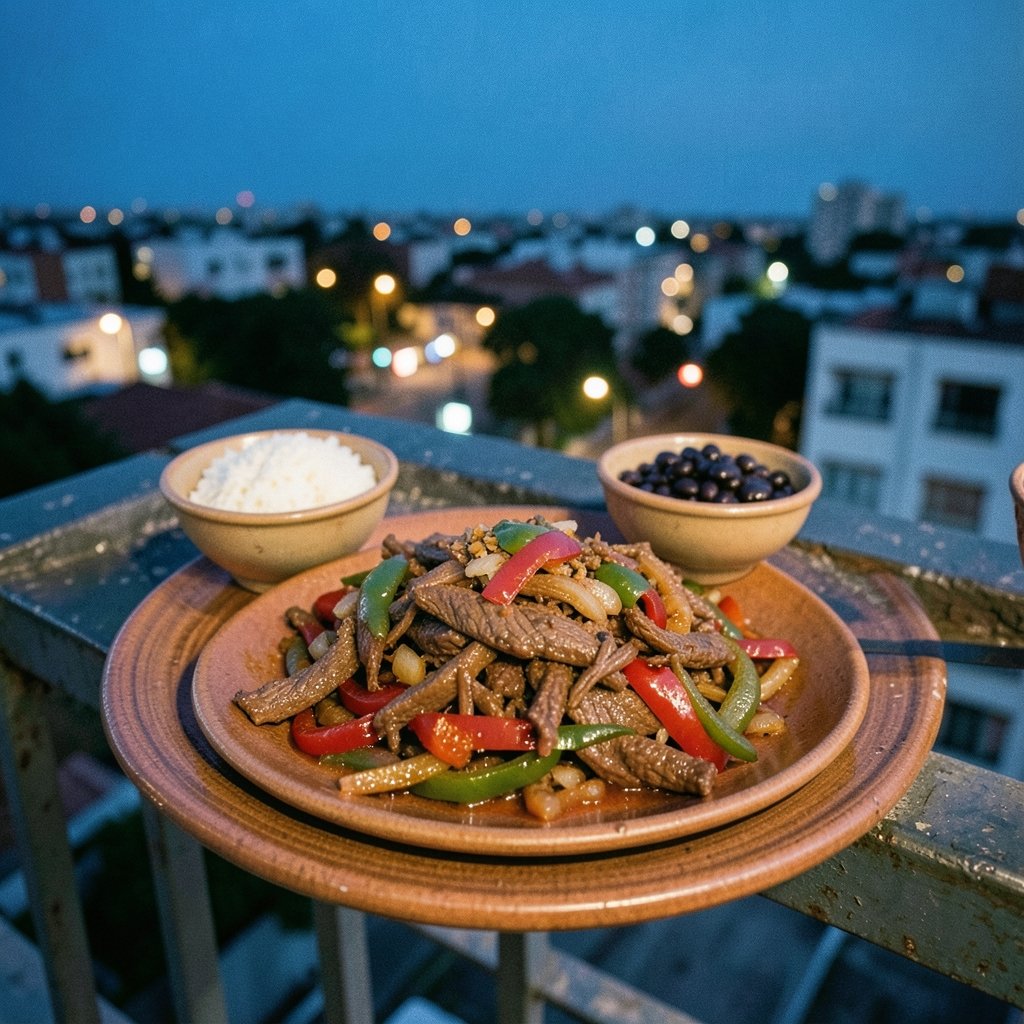
What makes a plate of ropa vieja worth crossing town for? The dish looks simple enough on paper: shredded beef, peppers, onions, garlic, tomato, cumin, oregano, rice, beans. Yet the gap between a great version and a forgettable one is enormous. One plate arrives glossy, tangy, and deeply savory, with meat that pulls apart in long silky strands. Another shows up dry, bland, and suspiciously uniform, as if it came from a bag. If you have ever typed “best ropa vieja cubana near me” into a search bar and ended up at a mediocre tourist spot, this guide is for you. It covers what the dish actually is, how to judge a restaurant before you sit down, and how to run that “near me” search so it works in your favor.
What Ropa Vieja Actually Is
Ropa vieja means “old clothes” in Spanish, a playful name for a dish of shredded braised beef that supposedly resembles a pile of rags. The core is simple: a tough, flavorful cut of beef, usually flank steak or skirt steak, braised slowly until it shreds, then simmered in a sofrito of sautéed onion, garlic, bell pepper, and tomato, seasoned with cumin and oregano. It typically lands on the table with white rice, black beans, and often sweet plantains (maduros).
The origin story is genuinely contested. A shredded-meat stew with a similar name is often traced to Spain, with folk tales linking it to Seville. Cuba is widely credited with the beef-and-sofrito version most diners know today. Any restaurant or menu that claims a single definitive origin is overselling. What matters more for your dinner: the dish is beef-based, so it is not vegetarian by default. Some kitchens offer plant-based takes, but that is the exception, not the rule. Menus may list it as ropa vieja, ropa vieja cubana, or ropa vieja a la cubana. These generally mean the same thing.
Why “Near Me” Searches Go Sideways
Local-intent searches like “near me” depend on the searcher’s device location and on map and listing data. That means results shift by user and by time of day, and no static list of “best” restaurants can be accurate for everyone reading it. A roundup written for Miami is close to useless if you are standing in Tampa or Union City. This is the first practical lesson: treat any “best of” list as a starting point, not a verdict.
The second lesson concerns reviews. Rankings on review platforms are user-generated, and they can be skewed by small sample sizes or gamed outright. A place with twelve glowing reviews is not automatically better than a place with eight hundred mixed ones. Read the reviews for specifics, not stars.
How to Judge a Ropa Vieja Spot Before You Sit Down
You can learn a lot before ordering a single thing. Here is a practical checklist that separates a serious Cuban kitchen from a spot coasting on location.
| Signal | What it suggests | Why it matters |
|---|---|---|
| Ropa vieja appears under a “clásicos” or “platos cubanos” heading | The kitchen treats it as a core dish | Specials-board versions are more likely to be an afterthought |
| Menu names flank steak or skirt steak | Traditional cut, proper braise | Vague “beef” often means pre-shredded product |
| Sides are listed as rice, black beans, maduros | Standard Cuban plate | A side of fries is a warning sign |
| Dining room has a steady local crowd at off-peak hours | Repeat business | Locals return for consistency, not novelty |
| The dish is available at lunch as well as dinner | Braising fits a daily rhythm | A batch cooked once and reheated for days tastes flat |
A few field-tested tips help beyond the menu. Look at photos of the dish on review sites and zoom in. Good ropa vieja has visible strands of different lengths and a sauce that clings rather than pools. If every shred looks identical, it probably started in a vacuum-sealed bag. If the plate is drowning in thin red liquid, the kitchen rushed the reduction.
The Plate Test: What Great Ropa Vieja Tastes Like
Once the food arrives, you can grade it in about thirty seconds. Use these markers.
- The pull. The beef should separate with gentle pressure from a fork. If you need a knife, it was underbraised. If it turns to paste, it was overcooked or overprocessed.
- The sauce. Expect a glossy, tomato-based sauce with body. It should taste tangy and savory, with cumin and oregano in the background, not shouting over everything.
- The peppers and onions. They should be soft and sweet, cooked into the sauce rather than tossed in raw at the end.
- The seasoning arc. Good versions build flavor in layers. A single flat note of salt means someone skipped the sofrito step.
- The sides. Rice should be separate and light, not gluey. Black beans should taste like more than the can they came from. Maduros should be caramelized at the edges.
One common mistake diners make: ordering ropa vieja at a place that does not specialize in Cuban food and then concluding they dislike the dish. It is like judging pizza by a gas-station slice. Another mistake is treating the dish as a quick lunch order at a busy hour. Braised dishes reward kitchens that are not slammed.
How to Run a Smarter “Near Me” Search
Search engines and map apps are tools, and tools work better when you use them with intent. A few adjustments make a real difference.
Search by dish plus neighborhood instead of only “near me.” “Ropa vieja Little Havana” or “Cuban food near me open now” narrows the field faster than a generic query. If you are planning ahead, add the day: “Cuban restaurant near me Sunday lunch.”
Use the map layer, then verify. Map results show proximity, but not quality. Cross-check a candidate against its own menu page and a couple of recent reviews. If the menu does not list ropa vieja at all, move on.
Check hours against your schedule. Cuban kitchens often serve the dish at lunch and dinner, but some smaller spots run out of braised dishes late in the day. Calling ahead takes thirty seconds and saves a disappointment.
Widen the radius once. The best version is sometimes a fifteen-minute drive away in a residential neighborhood rather than in the tourist core. If you are comparing clinics or services in other categories, the same logic applies: proximity is convenient, but fit matters more. That principle shows up in guides like laser hair removal near me, where the advice is to weigh credentials over distance. The same reasoning holds for restaurants.
Cooking It at Home vs. Eating Out
Some people search for a restaurant, taste the dish, and immediately want to recreate it. That is a reasonable impulse, and ropa vieja is forgiving at home. The technique is straightforward: sear a flank or skirt steak, build a sofrito, add tomato and spices, then braise low and slow until the meat shreds. The main mistakes home cooks make are rushing the braise, skipping the sear, and under-seasoning the sofrito before the liquid goes in.
If you enjoy building a dish from scratch, the same practical mindset that makes a good home kitchen work applies to other cuisines too. A guide like easy Cuban recipes at home for busy cooks is a useful companion for planning weeknight versions of classic dishes. And if your weekend plans involve cooking outdoors, the safe-operation advice in this practical guide to propane barbecue grills is worth a read before you fire anything up.
Eating out still has one advantage: a restaurant that makes ropa vieja daily has calibrated its seasoning over years. That consistency is hard to match on a first attempt.
Regional Differences Worth Knowing
Cuban food in the United States is not one thing. Ropa vieja is commonly listed among the signature dishes of Cuban cuisine, especially in Miami and Tampa, where Cuban-American communities are concentrated. Within those cities, you will find differences in sauce sweetness, spice level, and how aggressively the dish is shredded. Some kitchens lean toward a brighter, more tomato-forward sauce. Others push the cumin and oregano harder. Neither is wrong. Household recipes vary the same way, and restaurants often trace their version to a family recipe.
Outside those hubs, quality varies more. A Cuban sandwich shop may carry ropa vieja as a single menu item without the same care as a full Cuban restaurant. That does not mean skip it, but it does mean manage expectations and read the menu closely.
A Short Field Guide to Ordering Well
Here is a compact routine that works in almost any city.
- Search for Cuban restaurants instead of only “ropa vieja near me.” You want a kitchen with a broader Cuban menu.
- Scan the menu for the cut of beef named. Flank or skirt is a good sign.
- Check recent photos of the dish. Look for varied shreds and a clinging sauce.
- Go at off-peak hours for the first visit. You will get a better plate and better service.
- Order the standard plate once before customizing. The rice, beans, and maduros are part of the evaluation.
- If the dish disappoints, try one more place before writing it off. One bad plate is data, not a conclusion.
And if you are comparing several options in one evening, keep notes. It sounds fussy, but memory blurs after the second restaurant, and the details are what make a return visit worthwhile.
Conclusion
Finding the best ropa vieja cubana near you is less about luck and more about method. Know what the dish should be: slow-braised flank or skirt steak, shredded into a tangy sofrito sauce, served with rice, beans, and plantains. Treat “near me” results as a map, not a ranking. Read reviews for specifics rather than stars, check the menu for the cut of beef, and look at photos before you commit. Then judge the plate itself on the pull of the meat, the body of the sauce, and the care in the sides. Do that, and the search stops being a gamble. It becomes a short list of places worth your time, and one of them will earn a second visit.
Frequently Asked Questions
What is ropa vieja made of?
It is shredded, slow-braised beef, traditionally flank steak or skirt steak, simmered in a sofrito of onion, garlic, bell pepper, and tomato with cumin and oregano. It is usually served with white rice, black beans, and sweet plantains.
Is ropa vieja Cuban or Spanish?
The origin is genuinely disputed. A shredded-meat stew with a similar name is often traced to Spain, while Cuba is widely credited with the beef-and-sofrito version most diners know today. Treat any single-origin claim with some skepticism.
Is ropa vieja vegetarian?
No. The traditional dish is beef-based. Some restaurants offer plant-based versions, but that is not standard, so check the menu or call ahead if you avoid meat.
How do I find a good Cuban restaurant near me?
Search for Cuban restaurants rather than the dish alone, check that ropa vieja is a regular menu item, look for flank or skirt steak named on the menu, and review recent photos for varied shreds and a sauce that clings. Visit at off-peak hours for your first meal.
Why do “near me” search results differ from person to person?
Local searches rely on your device location and on map and listing data, so results change by user and by time. No static list of best restaurants can be accurate for every reader, which is why verifying a candidate yourself matters.
Can I make ropa vieja at home?
Yes. Sear the beef, build a sofrito, add tomato and spices, then braise low and slow until the meat shreds. The common mistakes are rushing the braise, skipping the sear, and under-seasoning the sofrito before adding liquid.