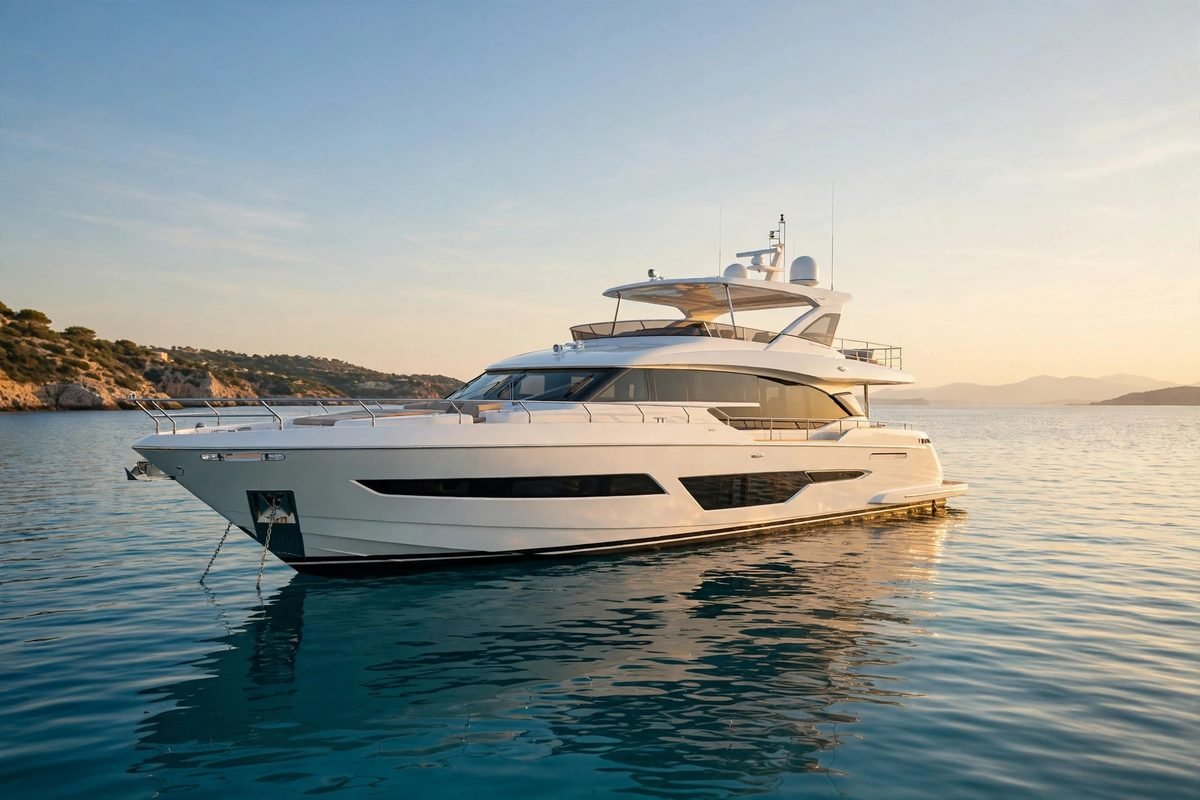
A yacht is a private boat built for pleasure, and the word covers everything from a compact day boat to a large vessel with cabins, a crew and room for a week at sea. The idea is simple: your own floating base, free to move from bay to bay, with the water always just outside the door. It sounds like a world reserved for the very wealthy, yet most people who spend time on a yacht do so for a day or a week, not as owners.
So how do you actually enjoy a yacht? For most people, the answer is to charter one: hire a yacht, usually with a skipper, for a set period, and let the crew handle the sailing while you enjoy the trip. This guide explains the main types of yacht, what a day on board looks like, the basics of chartering and buying, and the planning points that will make your first trip a good one.
Key takeaways:
- A yacht is a pleasure boat, and chartering one for a day or a week is how most people experience it.
- Motor yachts are fast and spacious, sailing yachts are quieter and more hands-on, and catamarans are the steadiest underfoot.
- A typical day on board mixes slow mornings, swimming stops, lunch on deck and a sunset anchorage.
- Chartering suits occasional use; buying only makes sense if you will use the boat often.
- Book the right size, check what is included, and plan around the weather rather than fighting it.
What is a yacht, exactly?
The line between a boat and a yacht is not a strict one. In everyday use, a yacht is a recreational vessel that is larger and better equipped than a simple runabout, with space to relax, eat and often sleep on board. It may have a cabin below deck, a galley for cooking, a shaded cockpit and a deck where you can stretch out in the sun. Size helps, but comfort and purpose are what really define it.
Yachts fall into two broad families: motor yachts, driven by engines, and sailing yachts, driven mainly by wind, with an engine for harbours and calm days. Both can be chartered, both can be bought, and both give you the same essential pleasure: reaching places that are hard or impossible to reach by road. A quiet cove, a small island, a stretch of coast with no crowds — these are the places a yacht opens up.
The main types of yacht
Motor yachts
A motor yacht runs on engines, so it is fast, steady and simple to operate. You can cover a long stretch of coast in a morning, reach a distant anchorage for lunch, and be back before sunset without worrying about the wind. The interior is usually generous, with a saloon, cabins and a proper galley.
The trade-off is fuel and noise: engines use a good deal of fuel, and even a quiet motor yacht is louder than a sailing yacht under sail.
Sailing yachts
A sailing yacht is powered by the wind, with sails doing the work and an engine on standby. The feeling is different from a motor yacht: quieter, closer to the water, and more involved. Sailing asks for a little patience, because progress depends on the wind.
Many sailing yachts are chartered with a skipper, so you do not need sailing experience to enjoy one.
Catamarans
A catamaran has two hulls instead of one, which gives it a wide, flat deck and a very stable ride. It heels far less than a single-hull yacht, so the deck stays level and moving around on board feels easy. The shallow draught lets a catamaran anchor close to beaches that deeper boats cannot reach.
Catamarans suit families, larger groups and anyone who worries about seasickness, since the steadier motion is kinder to the stomach.
Day boats and weekender yachts
Not every yacht is built for long voyages. Day boats are compact, open and made for swimming, sunbathing and short hops between beaches. Weekender yachts are a step up, with a small cabin and a berth for an overnight stay.
Large and luxury yachts
At the top end are the large yachts with professional crews, multiple decks, generous cabins and space for dining, lounging and water sports. These are usually chartered rather than bought, and they come with a captain, a chef and a crew who look after everything. Our guide to wedding ideas covers the kind of celebration that a yacht suits well, and our engagement photos guide has ideas for marking a special moment on board.
Life on board: what a day on a yacht looks like
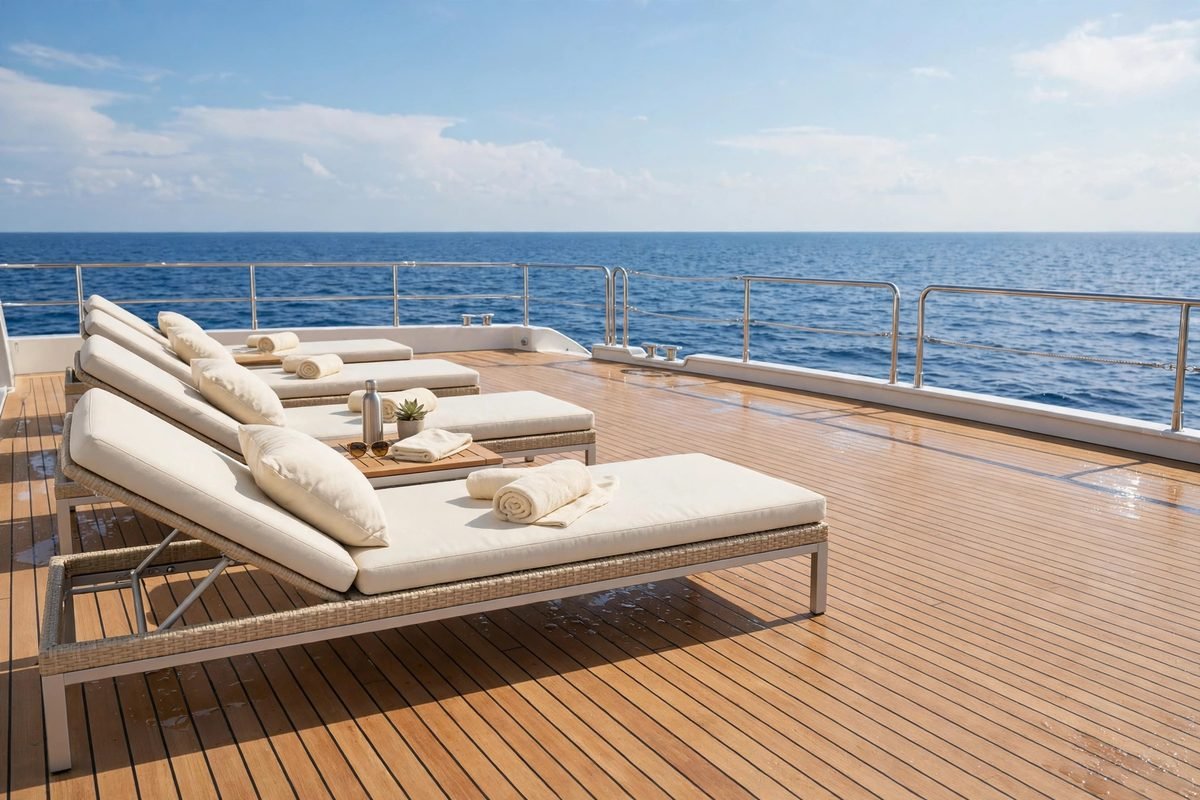
A day on a yacht starts slowly. Breakfast is usually served on deck, in the open air, with coffee and the sound of water against the hull. The first decision of the day is simply where to go, and the skipper will check the weather and suggest a route.
By late morning, the yacht is usually under way. Some guests stretch out on deck with a book, others watch the coastline slide past, and some help with the sails. The boat moves at a walking pace by road standards, and that is the point: the journey is part of the day, not a chore to be got through.
Around midday, the anchor drops in a sheltered bay. Swimming straight off the back of the boat, or snorkelling over clear water, is the highlight of the day for many people. Lunch follows on deck, usually something simple and fresh, eaten slowly in the shade.
The afternoon drifts by in the same unhurried way. There may be another swim, or simply a quiet hour on deck. As the sun lowers, the yacht finds its anchorage for the evening, and dinner arrives as the sky changes colour.
Chartering vs buying: the basics
Chartering is hiring a yacht for a set period, usually a day or a week, and it is how most people enjoy yachting. You can add a skipper, a host or a full crew depending on the size of the yacht and your experience. Fuel, food and marina fees are often charged separately, so ask exactly what is included before you book.
A bareboat charter means you hire the boat without a crew and sail it yourself. This is only for people with the right qualifications and experience, and the charter company will check both before handing over the keys. A crewed charter means a skipper — and sometimes a host or chef — comes with the boat. For a first trip, a crewed charter is the sensible choice.
Buying a yacht is a different decision altogether. The purchase is only the beginning: a yacht needs mooring, insurance, maintenance, cleaning and winter storage, whether it is used or not. Buying only makes sense if you will use the boat often, you live near the water, and you enjoy looking after it. For everyone else, chartering gives you the experience without the year-round responsibility.
How the main yacht types compare
| Type | Best for | Feel on board | Things to know |
|---|---|---|---|
| Motor yacht | Covering distance fast | Spacious and steady | Uses more fuel than a sailing yacht |
| Sailing yacht | Quiet, wind-powered cruising | Calm and close to the water | Progress depends on the wind |
| Catamaran | Families and larger groups | Level deck, very stable | Wide beam needs a larger berth |
| Day boat | Short trips and swimming | Open and easy | Little or no overnight space |
| Large crewed yacht | Celebrations and special trips | Hotel-like comfort | Comes with a professional crew |
Planning your first yacht trip
Start with the group, not the boat. Count the people, think about how much space they need, and be honest about how comfortable they are on the water. A family with small children needs shade, a safe cockpit and a stable boat, while a group of friends may care more about deck space and swimming access.
Next, choose the season and the area. Warm months are the obvious pick, but the shoulder seasons often bring steadier winds, quieter anchorages and a calmer pace. Ask the charter company about local weather patterns and which bays are sheltered if the wind picks up.
Pack light and pack soft. Space on board is limited, and soft bags stow far more easily than hard suitcases. Bring sun protection, a light waterproof layer, non-slip deck shoes and a warm layer for the evening, even in summer — the temperature drops once the sun goes down.
Finally, plan for the weather rather than fighting it. Wind and sea conditions decide where you go each day, and a good skipper will change the plan if the forecast turns. That flexibility is part of the experience, not a problem with it. A relaxed attitude is the most useful thing you can bring on board. Our guides to Cocoa Beach and the best dive watches cover the shore and the sea.
Your yacht planning checklist
Work through this list before you book, and the trip will run far more smoothly.
- Count the group honestly: include everyone, and check the number of berths, not just the day capacity.
- Decide on a skipper: first-timers should always take a crewed charter.
- Ask what is included: check fuel, food, marina fees and cleaning before you pay.
- Check the weather window: ask the operator about the best weeks for your chosen area.
- Pack soft bags: soft luggage stows easily, hard cases do not.
- Bring sun and wind protection: sunscreen, a hat, a light waterproof and a warm evening layer.
- Plan for seasickness: pack remedies if anyone is prone to it, and tell the skipper.
- Keep the itinerary loose: let the weather shape the route, and enjoy the detours.
Frequently asked questions
Do I need sailing experience to go on a yacht?
No. A crewed charter comes with a skipper who handles the sailing, the navigation and the mooring, so you can simply enjoy the trip. You need experience only if you want a bareboat charter, where you sail the yacht yourself.
What is the difference between a yacht and a boat?
A yacht is a pleasure vessel that is generally larger and better equipped than an ordinary boat, with space to relax and often to sleep on board. The line is not exact, but comfort, size and purpose are the usual guides.
Is a catamaran better than a sailing yacht for a first trip?
For most first-timers, yes. A catamaran stays level, has more deck space and moves less in a swell, which suits families and anyone who worries about seasickness.
What should I pack for a day on a yacht?
Pack light: sunscreen, a hat, sunglasses, a light waterproof layer, a warm layer for the evening, non-slip shoes and a soft bag. Bring any medication you need, including seasickness remedies.
Can children go on a yacht?
Yes, and many families charter with children. Choose a stable boat such as a catamaran, check that life jackets are provided in children’s sizes, and tell the charter company the children’s ages when you book so the crew can prepare.
Sources
The guidance in this article reflects widely published advice from charter companies, sailing schools and boating organisations on yacht types, chartering and safe practice on the water.
The bottom line
A yacht is not a distant luxury; it is a way of spending time on the water, and chartering puts it within reach for a day, a weekend or a week. The choice comes down to the boat, the people on board and the pace you want.
Your next step is simple: decide who is coming, pick a season, and talk to a reputable charter company about a crewed trip. The water will do the rest.