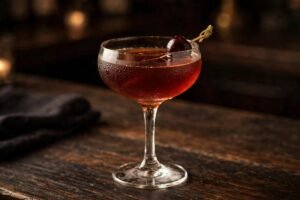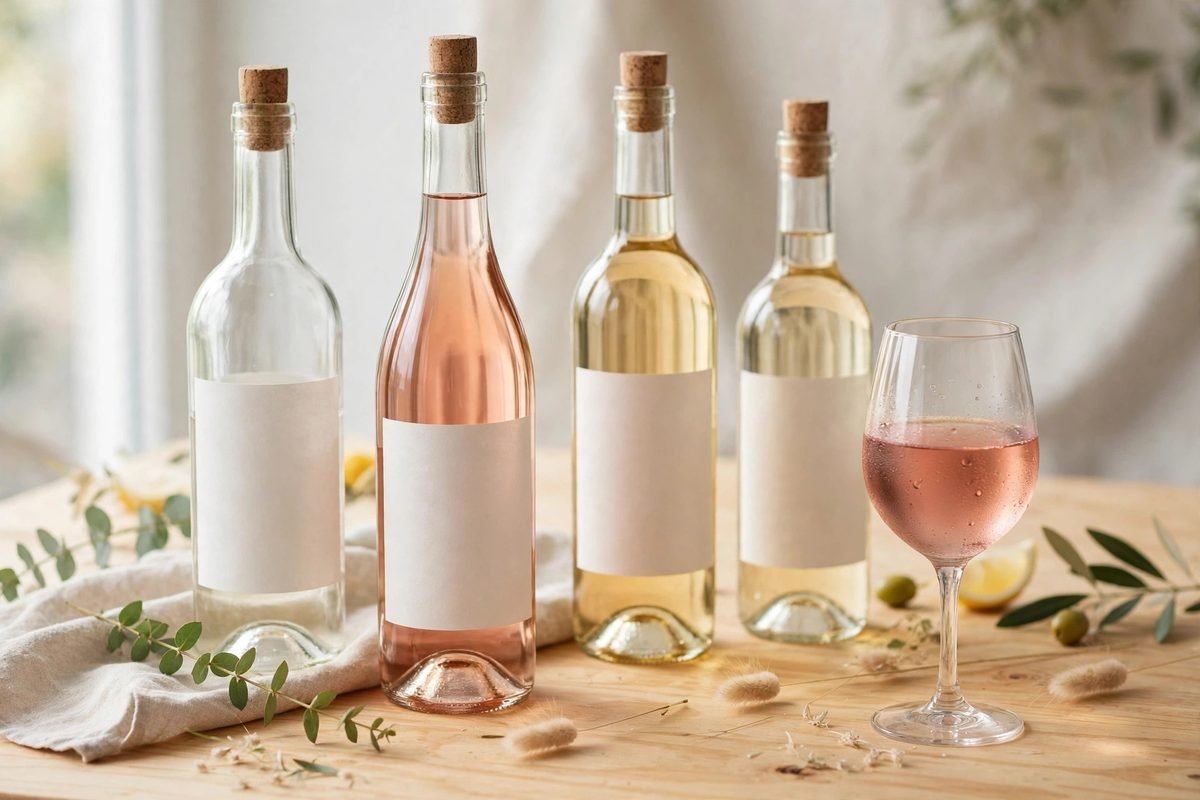

The best non alcoholic wine in 2027 is the one that suits the moment you are pouring it for, not the one with the grandest label. A dry still red for a roast dinner, a cold sparkling white for a toast, a sweet white for pudding: each style does a different job.
So which type should you buy first? If you only buy one bottle, make it a dry sparkling white. It is the most versatile style here: it works as an aperitif, it suits a toast, and it pairs with a wide range of food.
Key takeaways:
- The best non alcoholic wine depends on the occasion: sparkling white is the most versatile single bottle to start with.
- Dealcoholised wine was made as wine and then had the alcohol removed; wine-style drinks are built from grape juice instead.
- Dry styles suit food, while sweet styles suit puddings, cheese and afternoon drinking.
- Serve whites, rosés and sparkling styles well chilled, and reds lightly chilled.
What is non-alcoholic wine?
Non-alcoholic wine is a drink made to look, smell and taste like wine, without the alcohol that defines ordinary wine. It covers two quite different products, and knowing which one you are buying explains a lot about how it tastes.
The first route is dealcoholised wine: the grapes are fermented into wine, and the alcohol is then removed. The second is a wine-style drink, built from grape juice and never fermented at all. Dealcoholised wines tend to taste more like wine, while grape-juice styles taste fruitier and sweeter, so read the small print: if it says dealcoholised, the drink started life as wine.
How to choose non-alcoholic wine
Start with the occasion, not the shelf. A toast needs something sparkling. A roast needs something with weight, which usually means a red. A picnic needs something cold and light, which usually means a white or a rosé. A pudding needs something sweet.
Then think about sweetness. Dry wines taste crisp and savoury, which makes them good with food. Sweet wines taste softer and rounder, which makes them good on their own or with pudding. Many people who say they do not like non-alcoholic wine were simply given a sweet bottle when they wanted a dry one, or the other way round. Finally, think about body: a light white can disappear beside rich food, while a fuller red can feel heavy on a hot afternoon.
The 10 best non-alcoholic wines by type
These ten picks cover the styles that matter, not individual bottles: there are no brand names here, because the best bottle in each style changes with the season and the shop.
1. Dry still red — best for roast dinners
Best for: roast beef, roast lamb, mushroom dishes and hearty winter meals.
Without alcohol, red wine can taste thin, so the best dry still reds lean on tannin and dark fruit for structure. Look for a bottle described as dry and full-bodied, with notes of dark berries, plum or cherry, and serve it lightly chilled.
2. Dry still white — best for light meals
Best for: salads, grilled fish, chicken dishes and light lunches.
A dry still white is the quiet workhorse of the list: crisp, refreshing and easy to drink, with clean acidity that makes food taste brighter. Look for citrus, green apple or stone fruit on the label, and serve it well chilled.
3. Still rosé — best for summer afternoons
Best for: picnics, barbecues, salads and long summer afternoons.
Still rosé sits between red and white, and it is at its best when cold, pale and dry. The flavour is usually red berries and stone fruit, lighter than a red and rounder than a white. As a rough guide, paler bottles tend to be drier, while deeper pink bottles tend to be fruitier.
4. Sparkling white — best for toasts and celebrations
Best for: toasts, celebrations, aperitifs and the first glass of the evening.
A sparkling white is the most useful bottle in this guide, and the one to buy first. The bubbles give it a sense of occasion that still wine cannot match, and the acidity keeps it refreshing. Look for a dry sparkling white with fine, lasting bubbles, and serve it in a flute, well chilled. For a sparkling alternative, our guide to the best champagne for mimosas covers sparkling styles made for mixing and celebrating.
5. Sparkling rosé — best for parties
Best for: parties, garden gatherings, canapés and festive evenings.
Sparkling rosé takes the celebration of a sparkling white and adds the berry fruit of a rosé. It tastes a little softer and fruitier, which makes it easy to drink over a long evening. Serve it as cold as you can, in a flute or a tulip glass, with canapés and light starters.
6. Sweet white — best for puddings
Best for: puddings, fruit tarts, soft cheese and afternoon drinking.
A sweet white is the bottle for the end of the meal, not the start of it. It tastes of ripe fruit, honey and flowers, and it works best beside a pudding no sweeter than the wine itself: a fruit tart, a pavlova or a plate of soft cheese. Serve it chilled, in a small glass.
7. Sweet red — best for cheese and chocolate
Best for: cheese boards, chocolate desserts and cold evenings.
A sweet red is a rich, dark, warming style, and the most forgiving of the reds. The sweetness fills in the gaps that alcohol leaves behind, so sweet reds often taste fuller than dry reds in the same range. Serve it lightly chilled, with a cheese board or a chocolate dessert.
8. Dealcoholised red — best for a wine-like red
Best for: drinkers who want the closest thing to an ordinary red.
A dealcoholised red was made as wine and then had its alcohol removed, so it keeps more of the flavour of a real red than a drink built from juice alone. Look for a label that says dealcoholised and describes dark fruit, spice and tannin. Serve it lightly chilled, give it a few minutes in the glass, and pair it with food.
9. Dealcoholised white — best for a wine-like white
Best for: drinkers who want the closest thing to an ordinary white.
A dealcoholised white started as wine, so it keeps the acidity and the citrus and stone-fruit character of a white wine. The best examples taste clean and crisp, with a proper wine finish rather than the short, sweet finish of a grape-juice drink. Serve it well chilled, with fish, chicken or salad, or on its own as an aperitif.
10. Dealcoholised sparkling — best for a wine-like toast
Best for: toasts and celebrations where you want a true sparkling wine character.
A dealcoholised sparkling is a sparkling wine with the alcohol removed, keeping the bubbles and the yeasty, toasty character that makes sparkling wine taste like sparkling wine rather than fizzy juice. The bubbles should be fine and persistent, and the flavour dry and crisp. Serve it in a flute, as cold as you can, and pour it for the toast itself.
| Style | Taste | Best for | Serve |
|---|---|---|---|
| Dry still red | Dark fruit, tannin, dry | Roast dinners | Lightly chilled |
| Dry still white | Citrus, green apple, crisp | Light meals | Well chilled |
| Still rosé | Red berries, stone fruit | Summer afternoons | Well chilled |
| Sparkling white | Crisp, dry, fine bubbles | Toasts and aperitifs | Well chilled, flute |
| Sparkling rosé | Berry fruit, soft, festive | Parties | Well chilled, flute |
| Sweet white | Ripe fruit, honey, soft | Puddings and cheese | Chilled, small glass |
| Sweet red | Dark cherry, plum, spice | Cheese and chocolate | Lightly chilled |
| Dealcoholised red | Full, wine-like, dry | Closest to ordinary red | Lightly chilled |
| Dealcoholised white | Clean, crisp, wine-like | Closest to ordinary white | Well chilled |
| Dealcoholised sparkling | Dry, crisp, fine bubbles | Wine-like toasts | Well chilled, flute |
How to serve non-alcoholic wine

Serving matters more with non-alcoholic wine than with ordinary wine, because the alcohol that usually carries flavour and warmth is not there to help. White, rosé and sparkling styles should be well chilled, straight from the fridge, while reds should be lightly chilled, after about twenty minutes in the fridge. A warm white tastes flat, and a warm red tastes heavy.
Use a proper wine glass, not a tumbler, and a flute for sparkling styles. Pour a little less than usual, keep the bottle cold, and once opened, finish it within a day or two.
Food pairings that work
Pairing rules are the same as for ordinary wine, except that the wine is lighter, so the food should not overwhelm it. Dry whites go with fish, chicken and salads; dry reds with roasts and rich pasta; rosé with grilled vegetables and barbecue food; sparkling with anything salty or fried. Sweet wines need sweet food: a sweet white beside a fruit tart, a sweet red beside chocolate dessert. Our guide to cider covers another drink with its own pairing traditions, and our guide to beer explains how a different drink pairs with the same foods.
Your non-alcoholic wine checklist
- Match the style to the moment: sparkling for a toast, red for a roast, white or rosé for a light meal, sweet for pudding.
- Check dry or sweet: dry for food, sweet for puddings, cheese and drinking on its own.
- Read the back of the label: dealcoholised means it started as wine.
- Chill it properly: whites, rosés and sparkling well chilled, reds lightly chilled.
- Use a proper glass: a wine glass for still styles, a flute for sparkling.
- Finish it promptly: once opened, keep it in the fridge and drink it within a day or two.
Frequently asked questions
Is non-alcoholic wine really alcohol-free?
Not always in the strictest sense. Some bottles have the alcohol removed entirely, while others keep a very small trace. Read the label carefully if this matters to you.
Does non-alcoholic wine taste like ordinary wine?
It tastes close, but not identical. Dealcoholised wines taste the most like ordinary wine, because they started as wine, while grape-juice styles taste fruitier and sweeter.
How long does non-alcoholic wine keep once opened?
Less time than ordinary wine. Keep an opened bottle in the fridge, with the seal replaced, and aim to finish it within a day or two. Sparkling styles lose their bubbles fastest, so drink them the same day if you can.
Can I cook with non-alcoholic wine?
Yes, and it works well in sauces, risottos and poached fruit, where the alcohol would cook off anyway. Use a dry style for savoury cooking and a sweet style for puddings.
What is the best non-alcoholic wine for a toast?
A dry sparkling white is the best choice for most toasts, because it looks the part, tastes refreshing and suits almost everyone. A dealcoholised sparkling is the closest to a true sparkling wine, and a sparkling rosé suits a softer, more festive toast.
Sources
The styles here reflect how non-alcoholic wine is made: dealcoholised wine, and wine-style drinks built from grape juice.
The bottom line
The best non alcoholic wine is not a single bottle, but a small set of styles that covers the table: a dry sparkling white for toasts, a dry still white for light meals, a dry still red for roasts, a rosé for summer, and a sweet style for pudding.
Your next step is simple: buy one bottle of dry sparkling white and one bottle of dry still red, chill them both, and try them with your next two evening meals.
Please drink responsibly. Non-alcoholic wine is a good choice for many occasions, but if you are avoiding alcohol for health, pregnancy or other reasons, check the label carefully and ask your doctor if you are unsure.