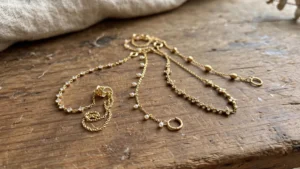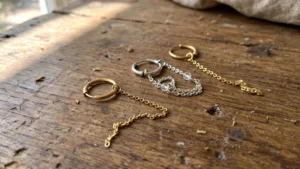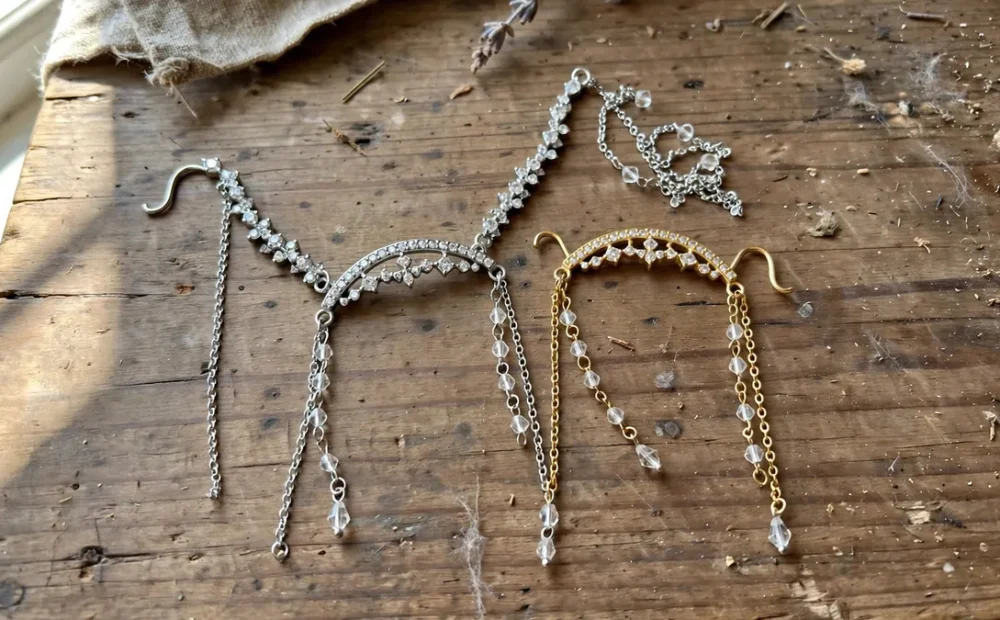
How to Wear a Nose Cuff 2027
A nose cuff is the simplest way to wear nose jewellery without a piercing, but wearing one well takes a little more than clipping it on and hoping for the best. The difference between a cuff that looks effortless and one that looks awkward is usually small: the right size, the right metal, the right outfit, and a few minutes spent getting the fit right before you leave the house.
Many women try a nose cuff once, find it slips or pinches, and never wear it again. That is a shame, because most cuff problems are fixable. A cuff that slides is usually too large or too heavy. A cuff that pinches is usually too tight or the wrong style for your nose. A cuff that looks wrong is usually the wrong size for your face, or it is competing with too much other jewellery.
Below are nine tips for wearing a nose cuff in 2027, from choosing the right size to pairing it with makeup, hair and outfits, so you can wear one confidently all day.
Key takeaways
- Fit comes first: the cuff should grip gently without pinching or sliding, and you should test it at home for an hour before wearing it out.
- Match the metal to your skin and your other jewellery, and choose gold-filled, titanium or sterling silver if your skin is sensitive.
- Keep the rest of your look simple when the cuff is the accent, and let one piece of jewellery lead.
- Remove the cuff before swimming, exercise and sleep, and clean it after every wear.
- No cuff suits every nose, and a cuff that hurts, slips constantly, or turns your skin green is the wrong cuff, not a problem with your nose.
What wearing a nose cuff actually involves
Wearing a nose cuff means placing a small piece of jewellery on the edge of your nostril, where it is held by a gentle clip, a hinge, or two small magnets. There is no piercing, no healing, and no aftercare routine. You put it on in the morning, wear it for as long as you like, and take it off when you are done. That simplicity is the main reason cuffs have become so popular.
What it involves in practice is a short learning curve. The first time you put a cuff on, it may feel strange, and you may need a few tries to find the spot where it sits comfortably and looks right. Most women find that spot within a day or two, and after that, putting a cuff on takes seconds. The key is to be patient at the start, and not to judge the whole idea on a first attempt that felt awkward.
It also involves a little care. A nose cuff sits against delicate skin, so it needs to be clean, well-fitted, and made from a metal your skin tolerates. A cuff that is dirty, too tight, or made from a cheap alloy can irritate the skin quickly. A clean, well-chosen cuff, worn for reasonable hours, should feel like nothing at all.
How we chose these tips and what to look for
Look first at your nose. The width of your nostril, the thickness of the skin, and the shape of the tip all affect which cuff will fit and look right. A narrow nostril suits a smaller, lighter cuff, usually 6 to 8 millimetres. A wider nostril suits 8 to 10 millimetres. If the skin on your nose is thick, a magnetic cuff may grip less firmly, and a clip-on style may suit you better. If your skin is thin or sensitive, a magnetic cuff is often the gentlest choice.
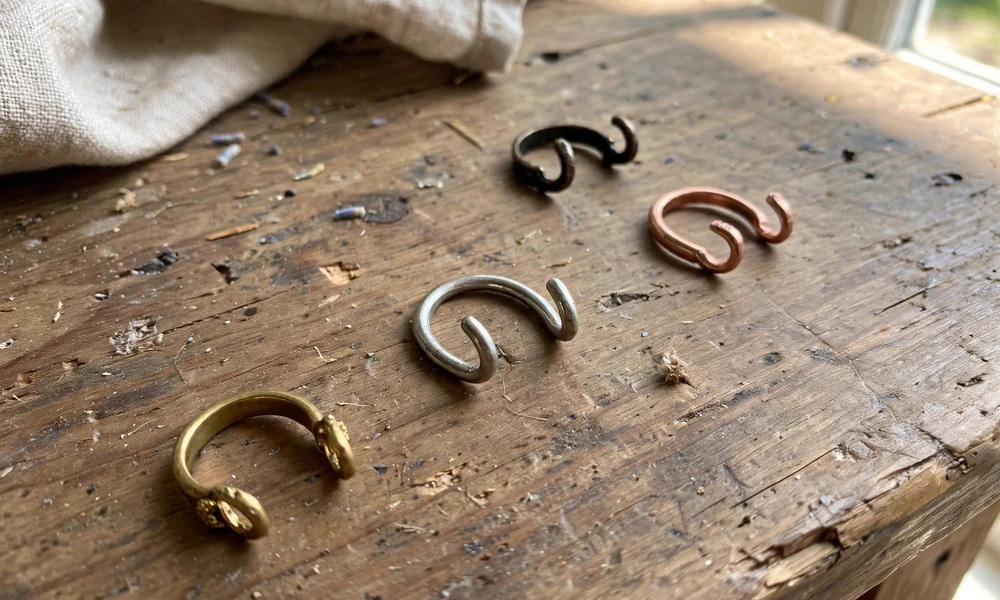
Look next at your skin and your jewellery habits. If most earrings irritate you, choose titanium, sterling silver, solid gold or gold-filled, and avoid unknown alloys. If you wear a lot of gold jewellery, a gold cuff will blend in naturally. If you wear mostly silver, a silver cuff will do the same. Matching the metal is a small detail that makes the whole look feel intentional rather than random.
Finally, look at your lifestyle. If you are active, swim, or work with your hands near your face, a cuff may not suit a full day, and you may prefer to wear it for evenings and events only. If you wear glasses, check that the cuff does not catch on the frames. Our guide to necklaces for women is a useful companion here, because the same principle applies: one piece of jewellery should lead, and the rest should support it, not compete with it.
The 9 ways to wear a nose cuff in 2027
Start with the right size for your nose
What we like: A cuff in the right size sits flat, grips gently, and looks like it belongs on your nose, with no sliding or pinching. What to consider: Sizes are not standardised, so check the listed diameter and compare it with your nostril width before you buy. Best for: Every first-time cuff wearer. Cost: Nothing extra, just a quick measure with a soft tape or a piece of string. Time needed: Two minutes.
Pick a metal that suits your skin
What we like: Gold-filled, titanium and sterling silver are kind to skin, hold their colour, and rarely cause irritation. What to consider: Cheap plated alloys can tarnish in days and irritate the delicate skin around the nostril. Best for: Sensitive skin and all-day wear. Cost: Around £15 to £50 for a good metal. Time needed: Five minutes to check the listing before you buy.
If your skin reacts to most jewellery, choose titanium first. If you want a warm, classic look, gold-filled is the best value. Either way, the metal that touches your skin all day is worth paying a little more for.
Match it to your other jewellery
What we like: A cuff in the same metal as your earrings and necklace makes the whole look feel deliberate and polished. What to consider: Mixing metals can work, but it needs confidence and a clear reason, or it can look accidental. Best for: Formal outfits and photographs. Cost: Nothing extra if you already own matching pieces. Time needed: A minute in front of the mirror.
Wear it with the right makeup
What we like: A cuff draws the eye to the centre of the face, so a bold lip or a defined brow balances it beautifully. What to consider: Heavy foundation or powder around the nose can build up under the cuff and make it slip. Best for: Evening looks and special occasions. Cost: Nothing extra. Time needed: A minute to blend makeup around the cuff, not under it.
Apply your makeup first, then put the cuff on, and avoid piling powder or foundation where the cuff grips. A clean, well-blended base helps the cuff stay put and look natural.
Keep it simple for daytime, dress it up for evenings
What we like: A thin, plain hoop is perfect for daytime, while a crystal or pearl cuff turns the same outfit into an evening look. What to consider: A large or very decorative cuff can feel out of place at work or in a formal daytime setting. Best for: Anyone who wants one cuff to do two jobs. Cost: One plain cuff and one decorative cuff, around £40 to £80 together. Time needed: Seconds to swap.
Pair it with the right hairstyle
What we like: Hair pulled back or to one side shows off a cuff, while loose hair can hide it or catch on it. What to consider: Long, loose hair near the face can snag a cuff and pull it out of place. Best for: Updos, side parts and tucked-back styles. Cost: Nothing extra. Time needed: A minute to tuck hair behind the ear on the cuff side.
If you want the cuff to be seen, keep hair away from that side of your face. If you prefer a subtle look, loose hair over the cuff softens it and makes it a detail only you notice up close.
Care for it after swimming and workouts
What we like: Removing the cuff before sport and water keeps it secure, clean, and free from chlorine, salt and sweat damage. What to consider: A cuff worn during exercise can slip with sweat, and one worn while swimming can be lost in the water. Best for: Active days and holidays. Cost: Nothing extra. Time needed: Seconds to remove, a minute to wipe clean.
Take the cuff off before you swim or work out, wipe it with a soft cloth, and store it dry. It is a small habit that keeps the metal bright and the clip working properly for much longer.
Change it safely at home
What we like: Changing a cuff at home, with clean hands and a mirror, avoids fumbling with it in public and dropping it. What to consider: Forcing a clip or bending a cuff too far can weaken the spring and ruin the fit. Best for: Trying new styles and sizes. Cost: Nothing extra. Time needed: A minute or two.
Always handle a cuff gently. Open the clip fully before you slide it on, close it softly, and never bend an adjustable cuff back and forth repeatedly. If it does not fit, try a different size rather than forcing it.
Let it settle before switching styles
What we like: Wearing one cuff for a few days teaches you what suits your face, what feels comfortable, and what you actually reach for. What to consider: Switching styles every hour makes it hard to learn what works, and it can irritate the skin. Best for: First-time wearers finding their style. Cost: Nothing extra. Time needed: A few days of wearing one cuff.
Which nose cuff is right for you
Start with comfort. If you have never worn a nose cuff, choose an adjustable or magnetic style first, because you can change the fit until it feels right. If your skin is sensitive, choose titanium, sterling silver or gold-filled. If you want a secure fit for a full day out, a hinged clip-on cuff is usually the most reliable choice.
Then think about your face. A small, thin cuff suits a small nose and a delicate face. A slightly larger or more detailed cuff suits a stronger face and a bolder style. The cuff should be visible enough to read as jewellery, but not so large that it dominates your face. A good test is a photograph: if the cuff is the first thing you notice, it may be too big or too bright for that outfit.
Finally, think about your wardrobe. A gold cuff suits warm colours, earthy tones and classic tailoring. A silver cuff suits cool colours, monochrome and modern minimal looks. A coloured bead suits summer, holidays and bohemian styling. For ideas on building a jewellery collection that works together, our roundup of statement necklaces shows how one strong piece can anchor a whole outfit, and the same thinking applies to a nose cuff.
The caveats that matter
A nose cuff should never hurt. A gentle grip for the first few minutes is normal, but pinching, throbbing, or a red mark after an hour means the fit is wrong. Take the cuff off, try a looser size or a different style, and do not force it. The skin around the nostril is thin and sensitive, and repeated pressure can cause soreness that takes days to settle.
| Detail | What is known |
|---|---|
| How it should feel | Secure but gentle, with no pinching, throbbing or red mark after an hour |
| Best metals for sensitive skin | Gold-filled, solid gold, titanium, implant-grade steel and sterling silver |
| How long to wear it | A few hours at first, then a full day once you know the fit; remove it to sleep |
| When to take it off | Before swimming, exercise and sleep, and if the skin becomes sore or red |
| Cleaning | Wipe with a soft cloth after wear and store dry; keep pearls and opals away from perfume |
| Makeup | Apply makeup first, then the cuff; avoid powder and foundation where the cuff grips |
| Hair | Keep hair away from the cuff side if you want it seen; loose hair can snag it |
| What it does not do | It does not replace a piercing, and it is not suitable for heavy exercise or water |
If you have a skin condition around the nose, a recent injury, or a healing piercing nearby, wait until the skin is fully settled before wearing a cuff. A cuff can trap moisture and irritate broken skin, and it can catch on a healing piercing. When in doubt, ask a piercer or a dermatologist, and choose the gentlest style for your first try.
Checklist: wearing a nose cuff well
Use these checks before you leave the house, and again after your first hour of wear.
- Check the fit: it should grip gently without pinching, and it should not slide when you move your head.
- Check the metal: gold-filled, titanium, sterling silver or solid gold, not an unknown alloy.
- Match the metal to your earrings and necklace, so one piece of jewellery leads and the rest support it.
- Apply makeup first, then the cuff, and keep powder and foundation away from where it grips.
- Tuck hair behind the ear on the cuff side if you want it seen, or let it fall softly if you prefer a subtle look.
- Carry a small pouch: if the cuff slips or feels uncomfortable, you can take it off and store it safely.
Frequently asked questions
How long can I wear a nose cuff?
A few hours at first, then a full day once you know the fit. Remove it to sleep, swim or exercise. If the skin becomes sore or red, take it off and give the skin a rest before wearing it again.
Can I wear a nose cuff with glasses?
Yes, in most cases. A small, thin cuff sits well below the bridge of most glasses, but a larger or very decorative cuff can catch on the frames. Try the combination at home before wearing it out, and choose a slim cuff if you wear glasses every day.
Will a nose cuff leave a mark?
A well-fitted cuff should not leave a mark after an hour. A faint, temporary impression that fades within minutes is normal. A red mark that lasts, or any soreness, means the cuff is too tight or the wrong size.
Can I wear a nose cuff to work?
Yes, if your workplace allows jewellery. A thin, plain hoop in gold or silver reads as subtle and professional, and it is unlikely to draw attention. Save larger or very decorative cuffs for evenings and weekends if your workplace is conservative.
How do I clean a nose cuff?
Wipe it with a soft, dry cloth after every wear, and store it in a dry pouch. For gold and silver, a gentle jewellery cloth is enough. Keep pearls and opals away from perfume, hairspray and harsh cleaners, and never soak a cuff in water.
What if my nose cuff keeps falling off?
The fit is wrong. Try a smaller size, a tighter clip, or a different style, such as a hinged cuff or a magnetic pair with stronger magnets. Heavy cuffs fall off more easily, so a lighter cuff often solves the problem. A classic everyday piece, such as one of our luxury watches, shows the same principle: the best jewellery is the piece you forget you are wearing, because it fits so well.
The bottom line
Wearing a nose cuff well comes down to three things: the right size, the right metal, and a little patience at the start. Measure your nostril, choose a kind metal, test the cuff at home for an hour, and match it to your other jewellery. Once those basics are right, a nose cuff is one of the easiest pieces of jewellery you will ever wear.
Start with a thin gold or silver hoop, wear it for a few days, and see how it feels and how it photographs. If it suits you, try a crystal or pearl style for evenings. The right cuff should feel like nothing after a few minutes, and look like it has always belonged there.