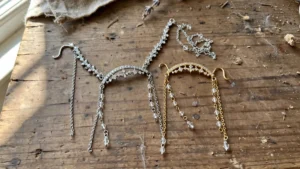
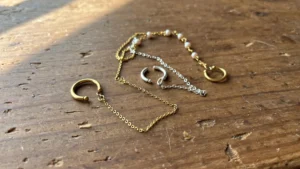
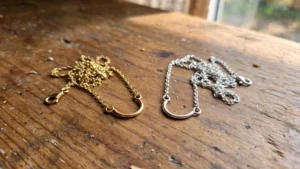
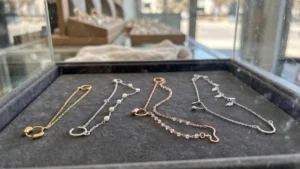
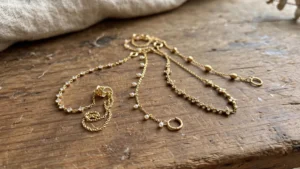
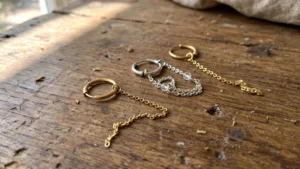
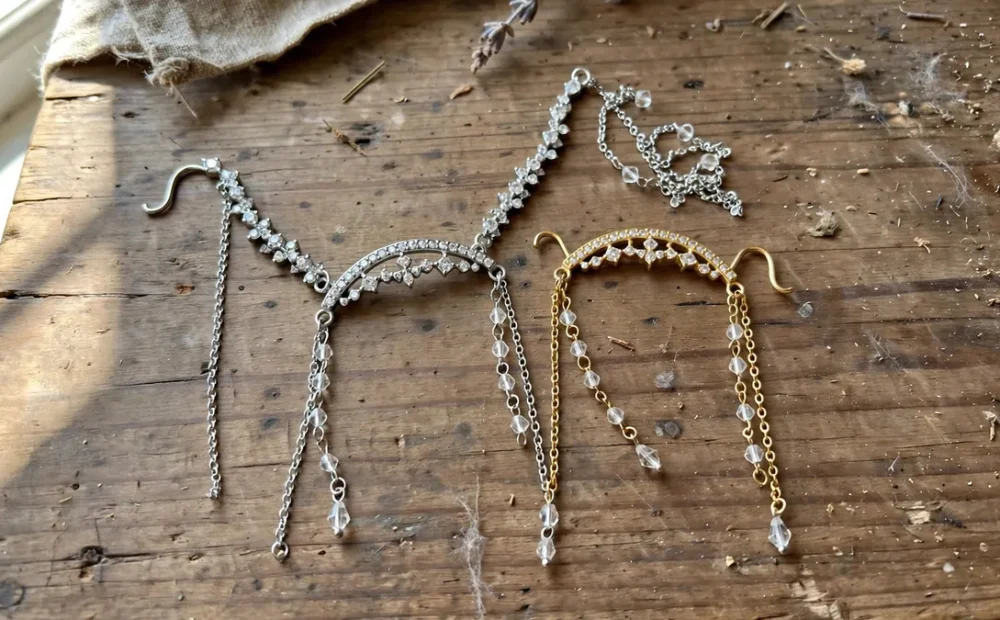
A nose cuff is the simplest way to try nose jewellery without a piercing. It clips, slides or rests on the side of the nose, and it comes off whenever you want it to. The hardest choice is not whether to wear one, but whether to choose gold or silver, because the two metals behave differently on the nose, age differently, and suit different skin tones, outfits and budgets.
Gold and silver both look good on a nose cuff, but not in the same way. Gold is warm, rich and instantly noticeable, even in a small cuff. Silver is cool, bright and quieter, which makes it easier to wear every day and to pair with other jewellery. Neither is better in every situation. The right metal depends on your skin tone, how often you plan to wear the cuff, and whether you want it to stand out or blend in.
Below are nine comparisons that matter in 2027, from first impressions and comfort to cost and keeping value. Each one looks at gold and silver honestly, with what each metal does well and where it falls short, so you can pick the cuff you will actually reach for.
Key takeaways
- Gold nose cuffs are warm and eye-catching, while silver nose cuffs are cool, bright and easier to wear every day.
- Warm skin tones usually suit gold best, cool skin tones usually suit silver best, and neutral tones can wear either.
- Silver tarnishes and needs regular cleaning, while solid gold holds its colour but costs far more.
- A cuff that fits well should feel secure without pinching, and you should test it at home before wearing it out.
- Plated cuffs wear down with daily use, so buy a nose cuff for wearing, not for investment.
What gold and silver nose cuffs actually are
A nose cuff needs no piercing. Most designs are a small open ring, a curved clip or a thin band that grips the nostril gently, with a decorative front — a bead, a gemstone, a small hoop or a flat disc. Gold cuffs are solid gold, gold-filled or gold-plated base metal. Silver cuffs are usually sterling silver, 92.5 percent pure silver, or silver-plated base metal.
The difference between solid and plated matters more than the colour. A solid gold or sterling silver cuff keeps its finish for years and can be polished back to new, while a plated cuff has a thin layer over another metal that wears thin with daily wear, sweat and cleaning. When you compare prices, check what the cuff is made of, not just its colour.
Both metals come in styles from a plain thin hoop to a cuff set with a small diamond or crystal. The choice is about which metal suits you, how much care you will give it, and how much you want to spend.
How we chose these comparisons and what to look for
Look first at the metal and the finish. Solid gold and sterling silver are the safest choices for skin, because they are less likely to irritate than plated base metal. If you have sensitive skin, check the metal before the design, and avoid cuffs made from nickel-heavy alloys. A hallmark or a clear metal description helps. Our guide to gold jewellery for everyday wear explains how to read those descriptions, because the same rules apply to a nose cuff as to a ring or a necklace.

Look next at the fit. A nose cuff should grip firmly enough to stay put when you talk, laugh or move, but not so tightly that it leaves a mark or hurts after an hour. Adjustable cuffs are the most forgiving, because you can open or close them slightly until the fit feels right. Fixed cuffs need to match your nose, so try before you buy where you can.
Finally, look at the clasp and the decoration. A small stone should sit securely, with no wobble and no sharp prongs, and a plain cuff should have smooth, rounded ends. These details separate a cuff you wear every week from one that sits in a drawer.
The 9 comparisons that matter in 2027
First impressions and how they look on the nose
What we like: Gold makes an immediate impression, even in a tiny cuff, because its warm colour catches the eye against skin. Silver looks clean and modern, and it reads as jewellery rather than a statement, which suits a quieter style. What to consider: Gold can look too bold for a very small cuff or a first try, while silver can disappear in photographs and in low light. Best for: Gold for evenings and occasions, silver for daytime and work. Material: Solid gold or gold-filled for gold; sterling silver for silver. Price range: About £15 to £60 for a simple cuff in either metal. Standout feature: Gold wins on warmth and presence, silver wins on subtlety.
Warmth against skin tone
What we like: Gold flatters warm skin tones, with yellow or olive undertones, because it echoes the warmth already in the skin. Silver flatters cool skin tones, with pink or blue undertones, because its cool shine balances them. What to consider: The wrong metal can make skin look tired or washed out, especially in a close-up photograph. Best for: Gold for warm and olive tones, silver for cool and fair tones. Material: Yellow gold or rose gold for warm tones; sterling silver or white gold for cool tones. Price range: About £20 to £80 for a quality cuff. Standout feature: Matching the metal to your undertone makes the cuff look like it belongs.
Everyday wear and durability
What we like: Solid gold is very durable and does not tarnish, so a gold cuff can be worn daily for years. Sterling silver is strong too, and it is lighter than gold, which makes it comfortable for long days. What to consider: Gold-plated cuffs wear down with daily use, and silver tarnishes when it sits in air and moisture. Best for: Gold for daily wear if it is solid or gold-filled, silver for daily wear if you clean it regularly. Material: 14-carat solid gold or gold-filled; 925 sterling silver. Price range: About £30 to £120 for a durable everyday cuff. Standout feature: Solid gold needs the least care, sterling silver needs the most regular cleaning.
Tarnish, care and upkeep
What we like: Gold does not tarnish, so a gold cuff only needs a wipe with a soft cloth to look new. Silver can be polished back to bright with a silver cloth, which is quick and cheap. What to consider: Silver tarnishes fastest in humidity, near perfume and in a closed box, and a neglected silver cuff can look dull and grey. Best for: Gold for low-maintenance wearers, silver for people happy to polish once a week. Material: Solid gold for no tarnish; sterling silver with a silver polishing cloth. Price range: About £5 for a polishing cloth, £15 to £40 for a silver dip. Standout feature: Gold is the easiest metal to keep looking good, silver is the easiest to restore.
Comfort and weight on the nose
What we like: Silver is lighter than gold, so a silver cuff feels almost weightless on the nose, even after hours. Gold is denser, which gives it a solid, quality feel, and a small gold cuff is still light enough to forget. What to consider: A heavy or thick cuff in either metal can press on the nostril and leave a mark, and a cuff that is too tight will hurt within an hour. Best for: Silver for all-day comfort, gold for shorter wear or a smaller cuff. Material: Thin sterling silver or thin 14-carat gold for the lightest fit. Price range: About £15 to £50 for a lightweight cuff. Standout feature: Silver wins on lightness, gold wins on a solid, premium feel.
Cost for one cuff and for a set
What we like: Silver cuffs are affordable, so you can buy a small set in different styles for the price of one gold cuff. Gold cuffs feel like a proper purchase, and a single good one can last for years. What to consider: Solid gold is expensive, and a cheap gold cuff is almost always plated, which will not last. Best for: Silver for building a small collection, gold for one special piece. Material: Sterling silver for value, solid gold for longevity. Price range: Silver cuffs about £10 to £40 each, gold cuffs about £40 to £200 each. Standout feature: Silver gives you variety for less money, gold gives you one piece that lasts.
Matching outfits and other jewellery
What we like: Gold pairs beautifully with warm colours, autumn outfits, and gold earrings, rings and necklaces. Silver pairs beautifully with cool colours, black and white outfits, and silver or white gold jewellery. What to consider: Mixing gold and silver can work, but it needs to look deliberate, not accidental, and a nose cuff is close to the face, so it is very visible. Best for: Gold with warm, rich outfits, silver with cool, minimal outfits. Material: Yellow or rose gold for warm looks; sterling silver for cool looks. Price range: About £20 to £60 for a versatile cuff. Standout feature: Silver is the easier metal to mix with other jewellery, gold is the easier metal to make the centre of a look.
Occasion and dress code
What we like: Gold suits weddings, evenings and formal dinners, because it reads as dressy and warm. Silver suits work, daytime events and casual outfits, because it reads as neat and understated. What to consider: Some workplaces prefer discreet jewellery, and a large gold cuff can draw more attention than you want in a formal meeting. Best for: Gold for celebrations and evenings, silver for work and daytime. Material: Small solid gold cuff for formal occasions; thin sterling silver cuff for work. Price range: About £20 to £80 for an occasion cuff. Standout feature: Gold is the more festive metal, silver is the more versatile one.
Keeping it afterwards: resale and keepsake value
What we like: Solid gold holds some value because the metal itself is valuable, and a gold cuff can be kept for years or passed on. Sterling silver holds less value, but a well-made silver cuff is still a keepsake if it marks an occasion. What to consider: Plated cuffs have almost no resale value, and a nose cuff is a small piece, so its metal value is modest either way. Best for: Gold for a keepsake, silver for a memory rather than an investment. Material: Solid gold for the best keeping value; sterling silver for a durable keepsake. Price range: Solid gold cuffs from about £80, sterling silver cuffs from about £15. Standout feature: Gold keeps value, silver keeps memories, and neither should be bought as an investment.
Which nose cuff is right for you
Start with your skin tone. Warm, yellow or olive undertones suit gold first; cool, pink or blue undertones suit silver first. If you are not sure, try both against your cheek in daylight and pick the one that makes your skin look brighter.
Next, think about how often you will wear it. For daily wear, solid gold is the lowest-maintenance choice, and sterling silver is the most affordable one, as long as you are willing to polish it. For occasional wear, either metal works, and a plated cuff can be a sensible way to try the style before you spend more. A guide to nose rings for women is useful here too, because the same questions about fit, metal and comfort apply to a pierced ring as to a cuff.
Finally, match the cuff to the jewellery you already own. If most of your rings, earrings and necklaces are gold, a gold cuff will sit naturally with them, and the same goes for silver. A cuff that matches what you already wear is the one you will reach for again and again.
The caveats that matter
A nose cuff is low-risk jewellery, but it is not risk-free. A cuff that is too tight can pinch, leave a mark, or irritate the skin, and a cuff made from cheap base metal can cause a reaction in sensitive skin. A plated cuff will lose its finish with daily wear, no matter how carefully you treat it.
| Detail | What is known |
|---|---|
| Best metal for warm skin | Gold, especially yellow or rose gold |
| Best metal for cool skin | Silver, especially sterling silver |
| Which tarnishes | Silver tarnishes and needs polishing; solid gold does not |
| Which is lighter | Silver is lighter and often more comfortable all day |
| Which costs more | Solid gold costs far more than sterling silver |
| Which holds value | Solid gold holds metal value; plated cuffs hold almost none |
| Who should avoid cheap plated cuffs | Anyone with sensitive skin or a nickel allergy |
| What neither metal does | Neither metal makes a badly fitting cuff comfortable |
If your skin is sensitive, choose solid gold or sterling silver, and avoid cuffs that do not name their metal. If a cuff hurts, leaves a red mark, or feels tight after an hour, take it off and choose a different size.
Checklist: choosing between gold and silver
Use these checks before you buy, and again after a day of wearing the cuff.
- Check your undertone: hold gold and silver against your cheek in daylight and pick the brighter one.
- Check the metal: solid gold or sterling silver for daily wear, plated only for occasional wear.
- Check the fit: it should feel secure without pinching, and it should stay put when you talk and laugh.
- Check the ends: they should be smooth and rounded, with no sharp edges or loose stones.
- Check your other jewellery: match the cuff to the metal you already wear most.
- Check the care: if you will not polish silver, buy gold, and if you will not pay for gold, buy silver and keep a polishing cloth handy.
Frequently asked questions
Is gold or silver better for a nose cuff?
Neither is better for everyone. Gold suits warm skin tones and formal occasions, and it does not tarnish. Silver suits cool skin tones and everyday wear, and it costs less. Choose by your skin tone, your budget and how much care you are willing to give it.
Does a silver nose cuff tarnish on the nose?
It can tarnish slowly, especially in humidity and near perfume, but wearing it often can slow tarnishing, because the gentle friction keeps the surface bright. Polish it with a silver cloth once a week and store it in a dry pouch.
Can I wear a gold nose cuff every day?
Yes, if it is solid gold or gold-filled. A solid gold cuff does not tarnish and stands up well to daily wear. A gold-plated cuff will lose its finish with daily use, so keep plated cuffs for occasional wear.
Will a nose cuff irritate sensitive skin?
It can, if it is made from cheap base metal or nickel-heavy alloy. Solid gold and sterling silver are the safest choices for sensitive skin. If a cuff causes redness or itching, take it off and try a different metal.
Can I mix a gold nose cuff with silver jewellery?
Yes, if it looks deliberate. A small gold cuff with a silver necklace can work, especially if you repeat one metal somewhere else, such as a gold ring. If you are unsure, keep to one metal for a neat, finished look. A guide to pearl necklaces for women shows how a single warm or cool piece can set the tone for the rest of your jewellery.
Is a solid gold nose cuff worth the price?
It is worth it if you plan to wear it often and for years, because it will not tarnish and it holds some metal value. If you only want to try the style for a season, a sterling silver cuff gives you almost the same look for far less money.
The bottom line
The best nose cuff in 2027 is the metal that suits your skin, matches the jewellery you already wear, and fits your budget and your willingness to care for it. Gold is warmer, more formal and easier to keep, but costs more. Silver is cooler, lighter and more affordable, but needs regular polishing.
Try both metals against your cheek in daylight, check that the cuff is solid metal rather than plated if you plan to wear it daily, and test the fit at home for an hour before you wear it out. Choose the one that looks like it belongs on you.