A nose ring is one of the smallest pieces of jewellery you can wear, and one of the most noticeable. A single stud catches the light every time you turn your head, while a fine hoop frames the face in a way that no earring quite manages. The problem is not finding a nose ring. It is finding one that sits comfortably, suits your face, and does not irritate the skin around it, especially if you are choosing your first one.
That is why this guide is organised by style and wearability, not just by popularity. A gold stud can be the most versatile choice for everyday wear and the wrong one if the post is too long for your nostril. A hoop can look effortless on one person and constantly catch on scarves and jumpers on another. Metal matters more than most people expect, because the skin around a piercing is sensitive, and a cheap alloy can cause redness and itching that a good piece never would.
Below are nine nose rings worth considering in 2027, from a classic gold stud to a delicate pearl accent and a clip-on option for anyone who is not ready for a piercing. Each one is described by what it is good at, what to watch for, and who it suits best, so you can choose with your face and your comfort in mind, not just a bestseller list.
Key takeaways
- A nose ring should sit snug against the nostril without pinching, and the post or hoop should be the right gauge and diameter for your piercing.
- Solid gold, implant-grade titanium, and sterling silver are the safest everyday metals, while plated or nickel-heavy alloys are the most likely to irritate skin.
- Studs suit most faces and most occasions, hoops make more of a statement, and clip-on cuffs let you try the look without a piercing.
- Clean a new piercing only as your piercer advises, and do not change the jewellery until the piercing has fully healed.
- No nose ring suits every face, and a piece that looks perfect in a photograph may sit awkwardly on a different nose shape, so fit and proportion matter more than trends.
What a nose ring actually is
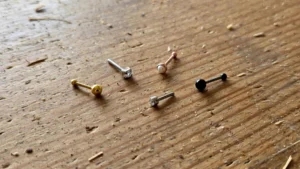
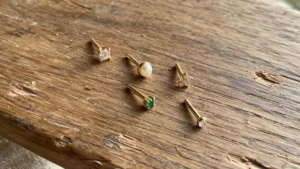
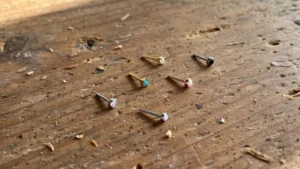
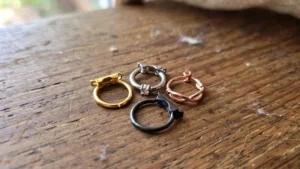
A nose ring is a piece of jewellery worn through or on the nose, most often through the nostril, and sometimes through the septum. The nostril stud is the most common style: a small decorative head, such as a gemstone, a ball, or a flat disc, attached to a short post that sits inside the nostril. The hoop is the second classic, a thin ring that passes through the piercing and circles the edge of the nostril. Both styles have been worn for centuries, in India, the Middle East, and across Africa, long before they became a fashion statement in the West.
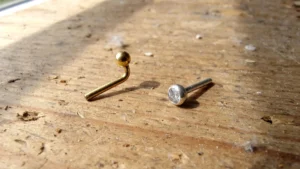
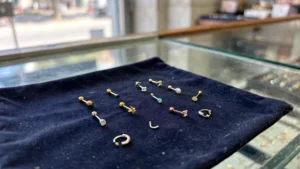
Modern nose rings come in two broad groups. Pierced styles need a healed nostril piercing and are held in place by the post, a screw, an L-shaped bend, or a labret-style flat back. Non-pierced styles, usually called nose cuffs or clip-ons, grip the edge of the nostril with gentle pressure and can be worn for an evening and removed at night. They are a good way to try the look before committing to a piercing, and they are also useful for anyone whose workplace does not allow a visible piercing every day.
The details that matter most are size and metal. A stud head of 2 to 3 millimetres suits most faces and stays comfortable under a scarf or a face mask. A hoop of 8 to 10 millimetres in diameter sits neatly against the nostril for most people.
How we chose these nose rings and what to look for
Look first at the metal and the fit. Solid 14k or 18k gold, implant-grade titanium, and sterling silver are the reliable choices for a piercing that is still healing or for sensitive skin. Check the gauge, which is the thickness of the post, and the length or diameter, because a post that is too long will move around and a hoop that is too large will catch on everything. A reputable seller will list both measurements plainly.
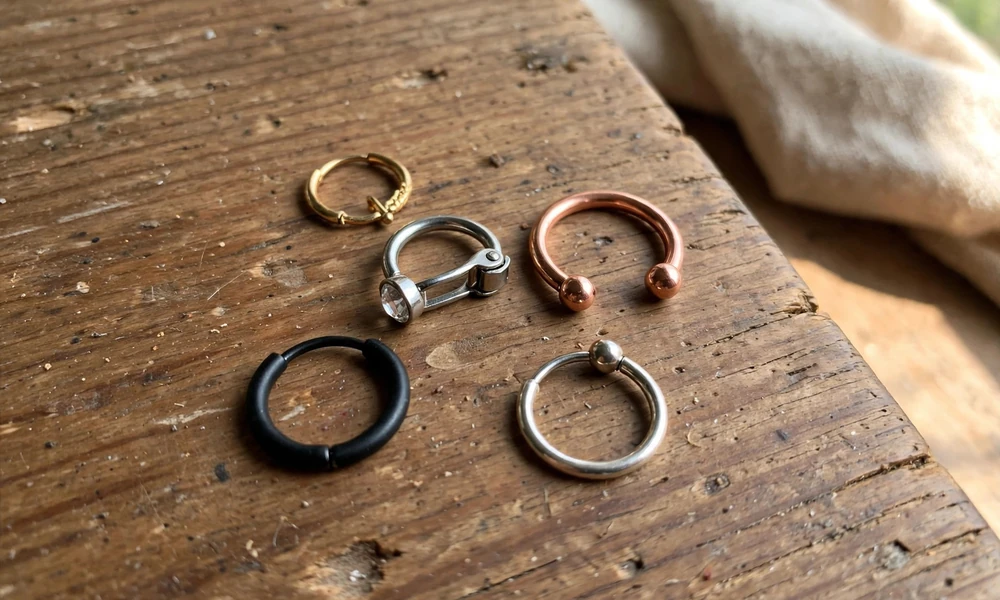
Look next at the setting and the finish. A gemstone should sit securely in its setting, with no sharp prongs that can scratch the inside of the nostril. A polished finish is kinder to healing skin than a rough or textured one. If you wear glasses, check that the ring does not press against the frames, and if you wear a face mask often, a low-profile stud is more comfortable than a hoop that sticks out.
Finally, look at how the piece will age. A solid gold stud keeps its colour and can be worn for years. A plated piece can look identical on day one and lose its finish within months, especially if it is worn in the shower or at the gym. Our guide to gold jewellery for everyday wear explains why solid gold holds up better than plated pieces, because the same rule that applies to a chain or a bracelet applies to a nose ring that is worn every day.
The 9 best nose rings for women in 2027
The Classic Gold Stud Nose Ring
What we like: A solid 14k gold stud with a smooth ball head, comfortable for daily wear, kind to sensitive skin, and versatile enough for work and evenings alike.
What to consider: The ball head is small, so it makes less of a statement than a gemstone, and gold costs more than silver or steel. Best for: Everyday wear and first-time buyers. Material: Solid 14k gold. Price range: £40 to £120. Standout feature: A smooth, low-profile head that never snags.
The Diamond-Accented Nose Stud
What we like: A small brilliant-cut diamond in a secure bezel setting, with real sparkle in daylight, set on a slim gold post that sits comfortably in the nostril.
What to consider: A genuine diamond raises the price sharply, and a prong setting needs checking now and then. Best for: Evenings, weddings, and special occasions. Material: 14k gold with a diamond. Price range: £120 to £450. Standout feature: A bezel setting that holds the stone flush and safe.
The Silver Hoop Nose Ring
What we like: A fine sterling silver hoop with a smooth, seamless finish, light on the nose, easy to put in, and with a clean, modern line that suits most faces.
What to consider: Silver can tarnish and needs occasional polishing, and a hoop catches more easily than a stud. Best for: Casual days and a relaxed, bohemian look. Material: Sterling silver. Price range: £25 to £80. Standout feature: A seamless closure with no hinge to pinch.
The Pearl Nose Stud
What we like: A small freshwater pearl on a gold post, soft and luminous rather than glittering, with a gentle look that suits daytime and formal settings alike.
What to consider: Pearls are soft and can be damaged by perfume, hairspray, and harsh cleaning, so they need gentle care. Best for: Brides, formal events, and soft, romantic styling. Material: Freshwater pearl on 14k gold. Price range: £60 to £180. Standout feature: A pearl head that glows instead of sparkles.
The Rose Gold Twist Nose Ring
What we like: A warm rose gold twist with a delicate spiral detail, flattering on warm skin tones, with a secure screw fit that stays put through the day.
What to consider: Rose gold contains copper, which can irritate very sensitive skin, and the twist is trickier to insert than a straight post. Best for: Warm skin tones and anyone who wears rose gold jewellery already. Material: 14k rose gold. Price range: £50 to £150. Standout feature: A hand-twisted spiral that catches the light as you move.
The Beaded Turquoise Nose Ring
What we like: A small turquoise bead on a slim silver post, with a pop of colour that suits summer outfits, beach days, and festival styling.
What to consider: Turquoise is a soft stone and can fade or scratch if it is knocked or cleaned roughly, so it needs care. Best for: Summer, holidays, and bohemian outfits. Material: Turquoise on sterling silver. Price range: £30 to £90. Standout feature: A genuine stone bead in a bright, natural blue-green.
The Sterling Silver Nose Cuff
What we like: A clip-on cuff that needs no piercing, with a gentle spring fit, a small crystal detail, and a shape that sits naturally on the edge of the nostril.
What to consider: It can slip if it is not adjusted to your nose, and it should not be worn for very long stretches at first. Best for: Trying the look, and for anyone without a piercing. Material: Sterling silver with a crystal. Price range: £20 to £60. Standout feature: A no-piercing fit that looks like the real thing.
The Tiny Opal Nose Stud
What we like: A tiny opal cabochon that shifts between blue, green, and pink as the light changes, set low on a fine gold post.
What to consider: Opals are delicate and should not be soaked or scrubbed, and the colour play is subtle in dim light. Best for: Anyone who wants something unusual without being loud. Material: Opal on 14k gold. Price range: £70 to £200. Standout feature: A stone that changes colour with the light.
The Layered Double-Hoop Set
What we like: Two fine hoops in different diameters, worn together through one piercing or side by side, with a layered look that feels current without being costume-like.
What to consider: Two hoops need a fully healed piercing, and they take a little more care to insert and clean. Best for: Evenings out and fashion-forward styling. Material: 14k gold. Price range: £80 to £220. Standout feature: Two hoops that move independently for a layered effect.
Which nose ring is right for you
Start with your piercing, or lack of one. If your piercing is new or still healing, a stud in implant-grade titanium or solid gold is the safest choice, and you should not change it until your piercer says the piercing has fully healed, which can take two to four months for a nostril. If you have no piercing, a clip-on cuff is the only option, and a well-made one will look convincing for an evening.
Next, match the metal to your skin and to the rest of your jewellery. Warm skin tones usually suit gold and rose gold, while cool skin tones often suit silver and white gold, but the rule is a guide rather than a law. What matters more is consistency: a gold nose ring sits more naturally with gold earrings and a gold necklace, and a silver one with silver. Our guide to statement necklaces shows how one strong piece can carry an outfit, and the same idea applies here, because a nose ring is close to the face and competes with earrings and necklaces for attention.
Finally, think about your daily life. If you wear glasses, a low-profile stud is more comfortable than a hoop that presses against the frames. If you play sport or wear a face mask for work, a stud with a flat back is the practical choice. If you want one piece for everything, the classic gold stud in this guide is the hardest to fault.
The caveats that matter
A nose piercing is a wound while it heals, and it should be treated like one. Do not change the jewellery early, do not twist or turn the stud, and do not use harsh antiseptics or alcohol on it unless your piercer tells you to. Saline solution and clean hands are usually enough, and if you notice spreading redness, swelling, or discharge that smells, see your piercer or a clinician promptly rather than waiting to see if it settles.
| Detail | What is known |
|---|---|
| Best metal for healing skin | Implant-grade titanium or solid 14k gold, with a smooth, polished finish |
| How long a nostril takes to heal | Usually 2 to 4 months, sometimes longer, before jewellery should be changed |
| Best size for most faces | A stud head of 2 to 3 millimetres, or a hoop of 8 to 10 millimetres in diameter |
| Who should avoid cheap alloys | Anyone with sensitive skin or a nickel allergy, as plated alloys irritate most often |
| What to avoid while healing | Changing the jewellery early, twisting the stud, and using alcohol or harsh antiseptics |
| Cleaning a healed piercing | Warm water and mild soap, or saline, with clean hands and a soft cloth |
| When to see a professional | Spreading redness, swelling, pain, or discharge that does not improve in a day or two |
| What a nose ring does not do | It does not suit every face, and a piece that looks good in a photo may sit badly on a different nose |
If you are pregnant, have a skin condition, or take medication that affects healing, speak to your piercer or clinician before getting a new piercing. A short conversation beforehand can save weeks of slow healing and irritation.
Checklist: choosing a nose ring honestly
Use these checks before you buy, and again after a week of wear.
- Check the metal: solid gold, implant-grade titanium, or sterling silver, not plated alloy, especially if your skin is sensitive.
- Check the size: a stud head of 2 to 3 millimetres, or a hoop of 8 to 10 millimetres, suits most faces.
- Check the setting: stones should sit securely with no sharp prongs that can scratch inside the nostril.
- Check the fit: it should sit snug without pinching, and it should not press against glasses or a mask.
- Check the healing: do not change a new piercing until your piercer confirms it has fully healed.
- Check the care: clean with saline or mild soap, keep perfume and hairspray away from the piercing, and remove it before swimming in a new piercing.
Frequently asked questions
Does a nose piercing hurt?
Most people describe a sharp pinch that fades within seconds, followed by tenderness for a few days. The nostril is a quick piercing, and the discomfort is usually less than people expect, though everyone feels it differently.
How long should I wait before changing my nose ring?
Wait until the piercing has fully healed, usually two to four months, and ask your piercer to confirm. Changing it early can reopen the wound, cause irritation bumps, and slow healing by weeks.
Can I wear a nose ring if I have sensitive skin?
Yes, if you choose the right metal. Implant-grade titanium and solid gold are the safest options, while plated alloys and nickel-heavy pieces are the most likely to cause redness and itching. Patch-test a new piece on your ear or wrist first if you are unsure.
Will a nose ring suit my face shape?
Most faces suit a small stud, because it is subtle and sits close to the nose. Hoops suit longer noses and stronger features, while a tiny stud suits smaller, finer features. A clip-on cuff is the best way to test the look before committing, and a pearl stud can soften the effect, as our guide to pearl necklaces for women shows for the same soft, luminous finish.
Can I wear a nose ring to work?
It depends on your workplace. Many offices accept a small, discreet stud, while hoops and larger pieces may not suit a strict dress code. A clear or skin-toned retainer can keep a piercing open discreetly where visible jewellery is not allowed.
How do I clean a nose ring?
For a healed piercing, warm water and mild soap are enough, with clean hands. For a new piercing, use saline solution as your piercer advises. Remove the ring before swimming, and keep perfume, makeup, and hairspray away from the piercing while it heals.
The bottom line
The best nose ring in 2027 is not the most expensive or the most dramatic. It is the one in a metal your skin tolerates, in a size that suits your face, and in a style you will actually wear every day. For most people, that is a solid gold stud, and for anyone who wants more sparkle, a diamond or pearl stud is the natural next step. A hoop suits a bolder look, and a clip-on cuff is the honest way to try the style before a piercing.
Choose one piece, wear it for a few weeks, and judge it on comfort and fit rather than on how it looked in a photograph. A nose ring sits on your face all day, so the one that feels like nothing is usually the one that looks like everything.