Clip-On vs Pierced Nose Rings 2027: 9 Comparisons That Matter
A nose ring can change a whole outfit with one small piece of metal, but the first decision is not gold or silver, stud or hoop. It is how the ring stays on your nose. A clip-on nose ring pinches gently onto the nostril and comes off whenever you want, while a pierced nose ring sits in a hole made for it and stays put day and night.
Both styles look the same from across a room, and that is exactly why the choice is confusing. The difference shows up in comfort, care, cost, and how your skin reacts over weeks rather than minutes.
Below are nine comparisons that matter in 2027, from first impressions to long-term care, so you can choose the style that fits your life, your skin, and your plans, rather than the one that simply looks best in a photograph.
Key takeaways
- A clip-on nose ring needs no piercing, no healing time, and no commitment, while a pierced nose ring is more secure and sits more naturally on the nose.
- Pierced nose rings suit daily wear and active days, while clip-ons suit trying the look, special occasions, and anyone unsure about a piercing.
- Comfort depends on fit more than style: a clip that is too tight pinches, and a piercing that is too fresh aches.
- Pierced nose rings need aftercare for weeks, while clip-ons need only a clean surface and a safe place to store them.
- No nose ring suits everyone, and a piercing is a small wound that needs proper aftercare, so try a clip-on first or speak to a professional piercer if you are unsure.
What clip-on and pierced nose rings actually are
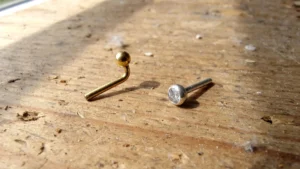
A clip-on nose ring is a small ring or stud held in place by gentle pressure, usually a spring, a magnet, or a flexible band that grips the nostril. It does not break the skin. You press it on, wear it for as long as you like, and slide it off when you are done.
A pierced nose ring sits in a piercing, a small hole made through the nostril or septum by a professional piercer, and held open by the jewellery itself. The most common styles are a nostril stud or hoop and a septum ring, and the hole needs weeks of healing before the jewellery can be changed freely.
From the outside, the two look almost identical at a normal distance. The differences are practical: one is temporary and removable in seconds, the other is semi-permanent and needs care. That is why the comparison below looks at how each one feels, wears, and lasts, not just how it looks in a photograph.
How we chose these comparisons and what to look for
We looked at what actually decides whether someone keeps wearing a nose ring: comfort over a full day, how secure it feels, how much care it needs, and what it costs over a year.

Look first at the fit. A clip-on should sit snugly without pressing hard enough to leave a mark after an hour. A pierced ring should match the gauge and diameter your piercer recommends, because a ring that is too tight or too heavy irritates the piercing. Our guide to gold jewellery for everyday wear explains why a comfortable metal matters just as much as the design, and the same rule applies here.
Look next at the metal. Implant-grade titanium, solid gold, and surgical steel are the safest choices for pierced nose rings, and they are also good choices for clip-ons if your skin is sensitive. Nickel and cheap plated alloys are the most common cause of itching and redness, so check the material before you buy, not after your skin reacts.
The 9 comparisons that matter in 2027
First impressions and how they photograph
What we like: Both styles photograph beautifully, and a small stud or thin hoop catches the light in the same way whether it is clipped on or pierced. A pierced ring sits slightly closer to the skin, which can look more natural in a close-up. What to consider: A bulky clip mechanism can show from the side, so choose a slim design if you wear your hair back.
Best for: Anyone who wants the look in photographs. Material: Solid gold or titanium, in a small stud or thin hoop. Price range: Clip-ons from about £5 to £30, pierced rings from about £10 to £80. Standout feature: A tiny gem stud, which reads as a sparkle rather than a piece of hardware.
Comfort and how they feel all day
What we like: A well-fitted clip-on feels like gentle pressure for the first few minutes, then fades into the background, and a healed piercing feels like nothing at all. What to consider: A clip that is too tight pinches and can leave a dent after an hour, while a fresh piercing aches, especially when you blow your nose or change a face mask.
Best for: All-day wear once the fit is right. Material: Lightweight titanium or thin gold, which puts the least weight on the nostril. Price range: About £8 to £40 for a comfortable everyday ring. Standout feature: A flexible open hoop, which moves with the nose instead of pressing against it.
Pain, healing, and what can go wrong
What we like: A clip-on involves no pain at all, which makes it the obvious choice for anyone nervous about piercings. A professional piercing is quick, a few seconds of sharp discomfort, and then it is done. What to consider: A piercing is a small wound, and it can become irritated or infected if it is touched with dirty hands, cleaned with harsh products, or changed too early.
Best for: Clip-ons for the cautious, piercings for the committed. Material: Implant-grade titanium for a fresh piercing, which is the least likely to irritate healing skin. Price range: A professional nostril piercing usually costs about £25 to £60, jewellery included. Standout feature: A flat-back labret stud, which is the most comfortable style while a piercing heals.
How long each one lasts on the nose
What we like: A pierced ring stays exactly where you put it, through sleep, sport, and a windy day, and a good clip-on stays put for a full evening if the fit is right. What to consider: Clip-ons can slip when you laugh hard, wipe your nose, or wear a tight face mask, and losing a small ring in a crowd is a real risk.
Best for: Pierced rings for active days, clip-ons for quiet evenings. Material: A closed hoop or a secure stud, which is harder to lose than an open design. Price range: About £10 to £50 for a secure everyday ring in either style. Standout feature: A hinged hoop, which clicks shut and stays shut.
Matching outfits and seasons
What we like: Both styles work with almost everything, from jeans and a white shirt to a wedding guest dress, because a nose ring is small enough to suit any outfit. A clip-on has one extra advantage: you can take it off for a formal meeting and put it back on for dinner. What to consider: A large or colourful ring can clash with a formal outfit, so keep one small, plain ring for days when you want the jewellery to whisper rather than shout.
Best for: Anyone who wants one piece of jewellery that works across seasons. Material: Gold for warm outfits, silver for cool ones, and titanium for a neutral everyday choice. Price range: About £10 to £60 for a versatile ring in a plain metal. Standout feature: A tiny plain stud, which goes with everything and never dates.
Care, cleaning, and upkeep
What we like: A clip-on needs almost no care: wipe it with a soft cloth after wear and store it somewhere it will not get scratched. A healed piercing needs little more than a rinse in the shower. What to consider: A fresh piercing needs saline rinses twice a day for weeks, clean hands every time you touch it, and no makeup, perfume, or hair products near the hole until it has healed.
Best for: Clip-ons for low-maintenance wear, piercings for people happy to follow an aftercare routine. Material: Non-porous metals such as titanium and solid gold, which are easy to clean and slow to tarnish. Price range: Saline solution and a soft cloth cost only a few pounds. Standout feature: A simple saline spray, which makes aftercare quick and easy.
Cost for one ring and for a set
What we like: Clip-ons are cheap to try, so you can buy three or four styles for the price of one piercing, and a pierced ring is cheap to keep, because one good ring can last for years. What to consider: The piercing itself is the real cost of the pierced route, and cheap plated jewellery often needs replacing within months, which wipes out the saving.
Best for: Clip-ons for experimenting, piercings for a long-term style. Material: Solid gold or titanium, which lasts longer than plated alloy and works out cheaper over a year. Price range: Clip-on sets from about £10 to £25, a single good pierced ring from about £15 to £80. Standout feature: A small set of plain studs in different metals, which covers every outfit for very little money.
Skin sensitivity and allergies
What we like: Both styles are safe for most skin when the metal is right, and implant-grade titanium is tolerated by almost everyone, including people who react to cheap earrings. What to consider: Nickel is the most common cause of itching, redness, and swelling, and it hides in cheap plated jewellery, in clasps, and in rings sold without a material label.
Best for: Sensitive skin, which should start with titanium or solid gold. Material: Implant-grade titanium first, then solid 14k or 18k gold, then surgical steel. Price range: About £12 to £60 for a hypoallergenic ring. Standout feature: A titanium labret stud, which is the standard choice for sensitive piercings.
Keeping it afterwards as a keepsake
What we like: A nose ring is easy to keep: a small box, a pouch, or a jewellery roll is all it needs, and a good gold or titanium ring holds its value and its shine for years. What to consider: A piercing closes quickly if you take the jewellery out for too long, sometimes within days for a fresh piercing, so a keepsake ring is only useful if you keep wearing it.
Best for: Anyone who wants a piece of jewellery with a story attached. Material: Solid gold, which keeps its value and does not tarnish in storage. Price range: About £20 to £100 for a ring worth keeping. Standout feature: A small engraved stud, which turns a simple ring into something personal.
Which nose ring is right for you
Choose a clip-on if you want to try the look, if you are unsure about a piercing, or if you need to take the ring off for work, sport, or a formal occasion. It costs little, needs no healing, and lets you experiment with size, metal, and style before you commit to anything.
Choose a piercing if you want to wear a nose ring every day without thinking about it, if you swim or play sport, or if you already know the look suits you. Go to a professional piercer, ask for implant-grade titanium jewellery, and follow the aftercare routine properly. As our guide to the best anklets for women shows, the pieces you wear every day should be comfortable first and decorative second.
If you are still torn, wear a clip-on for a month. If you reach for it every morning, a piercing is probably worth it.
The caveats that matter
A nose ring is a small piece of jewellery, but a piercing is a small wound, and the two should not be confused. A clip-on can be taken off the moment it hurts, while a piercing needs patience, clean hands, and a willingness to leave it alone while it heals.
| Detail | What is known |
|---|---|
| Clip-on fit | Snug without pinching; remove it if it leaves a mark after an hour |
| Pierced healing time | Nostril piercings usually take 2 to 4 months to heal fully |
| Safest metals | Implant-grade titanium, solid gold, surgical steel |
| Metals to avoid | Nickel and cheap plated alloys, especially on sensitive skin |
| Daily wear | Pierced rings are more secure; clip-ons can slip during sport or sleep |
| Cleaning | Pierced: saline rinse twice daily while healing; clip-on: wipe with a soft cloth |
| When to seek advice | Swelling, heat, or discharge that does not settle in a few days |
| What neither style does | Neither suits everyone; a piercing is a small wound that needs care |
If you are pregnant, have a skin condition, take medication that affects healing, or have ever had a piercing become infected, speak to a clinician or a professional piercer before getting pierced. That is not a formality.
Checklist: choosing between clip-on and pierced
Use these checks before you buy, and again before you book a piercing.
- Try a clip-on first if you have never worn a nose ring.
- Check the metal: titanium, solid gold, or surgical steel, never unlabelled alloy.
- Measure the fit: snug, not tight, and no mark left after an hour of wear.
- Choose a professional piercer, not a DIY kit, for any piercing.
- Plan aftercare: saline, clean hands, and no touching or turning the jewellery.
- Keep the receipt and the care instructions, in case the ring or the piercing needs attention.
Frequently asked questions
Do clip-on nose rings hurt?
No, a well-fitted clip-on should feel like gentle pressure for a few minutes, then fade. If it pinches, aches, or leaves a dent after an hour, the fit is too tight, and you should try a looser design or a different size.
How long does a nose piercing take to heal?
A nostril piercing usually takes 2 to 4 months to heal fully, and a septum piercing often takes 6 to 8 weeks. Healing is not finished when the soreness stops, so keep following the aftercare routine until your piercer says the piercing is settled.
Can I wear a clip-on nose ring every day?
Yes, if it fits well and the metal suits your skin. Take it off at night and give your nostril a break for a few hours each day, especially if you notice any redness or a dent where the clip sits.
What metal is safest for a nose piercing?
Implant-grade titanium is the safest choice for most people, followed by solid 14k or 18k gold and surgical steel. Avoid nickel and cheap plated alloys, which are the most common cause of itching and swelling.
Can I switch from a clip-on to a pierced nose ring?
Yes, and it is a sensible way to decide. Wear a clip-on for a few weeks, and if you love the look and reach for it every day, book a professional piercing. Many people who love the look also enjoy layering it with other jewellery, and our guide to statement necklaces shows how a single bold piece can finish an outfit on days when you skip the ring altogether.
Will a nose ring leave a mark?
A clip-on can leave a temporary dent that fades within an hour or two, and a piercing leaves a small hole that usually closes if you stop wearing jewellery in it. A healed piercing rarely leaves a visible scar, but the hole itself is permanent unless it closes naturally.
The bottom line
The best nose ring in 2027 is not the most expensive or the most dramatic. It is the one that fits your nose, suits your skin, and matches the way you actually live. A clip-on is the right choice if you want the look without the commitment, and a piercing is the right choice if you want to wear a nose ring every day without thinking about it.
Try a clip-on first, buy one good ring in a safe metal, and let a month of wearing it tell you what to do next. If you reach for it every morning, book a professional piercing.