A nose stud is the smallest piece of jewellery with the biggest effect on a face. A single spark of gold, silver or crystal at the side of the nose can sharpen an everyday outfit, soften a formal look, and add a note of personality that no necklace or earring quite matches. For teens, that small scale is exactly the point. A stud is subtle enough for school and family occasions, and easy to change when the mood or the outfit changes.
The problem is not finding a nose stud. It is finding one that is comfortable enough to wear all day, made from a metal that will not irritate young skin, and sized so it looks deliberate rather than lost. A stud that is too large overwhelms a smaller nose. A cheap plated stud can turn dull or cause redness within weeks. A back that does not sit flat can snag on clothes, scarves and pillowcases.
Below are nine nose studs worth considering for teens in 2027, from a classic sterling silver stud to a clip-on option for anyone who is not ready for a piercing. Each one is described by what it is good at, what to watch for, and who it suits best, so the choice is made with comfort and skin in mind, not just a pretty picture.
Key takeaways
- A nose stud should sit flat, feel light, and suit the size of the nose, with the metal chosen for sensitive skin first and style second.
- Implant-grade titanium, 14k gold and sterling silver are the safest everyday choices, while cheap plated studs are the most likely to irritate.
- A smaller stone or ball suits most teen faces, and a flat back is the most comfortable option for sleeping and sport.
- Clean a new stud gently, leave it alone while it settles, and change it only with clean hands and a suitable replacement.
- No stud suits everyone, and any stud that causes lasting redness, swelling or pain should be removed and the skin allowed to rest.
What a nose stud actually does for a teen outfit
A nose stud works differently from other jewellery because it sits at the centre of the face. It draws the eye gently, frames the features, and adds a single point of shine without competing with earrings, necklaces or hair. That is why it suits teens so well. It adds character to a simple outfit, a school uniform or a party dress, without looking like an attempt to dress older.
It is also one of the most forgiving pieces of jewellery to wear. A stud does not dangle, swing or catch on things the way a hoop can. It stays in place through a school day, a sports practice and a night out. For a first piece of facial jewellery, that steadiness matters. It means less fiddling, less worry about losing it, and a look that stays neat from morning to evening.
The stud also carries a quiet history. Nose jewellery has been worn for centuries across South Asia, the Middle East and beyond, and in recent decades it has become a mainstream fashion choice in the West too. For teens today, it is less a statement of rebellion and more a normal part of personal style, chosen the same way as a favourite ring or a pair of earrings.
How we chose these nose studs and what to look for
Look first at the metal. The metal touches the skin all day, so it matters more than the stone. Implant-grade titanium and 14k gold are the most reliable choices for sensitive skin, and sterling silver is a good everyday option if it is genuine and well finished. Nickel-heavy alloys and thin plating are the usual cause of redness and itching, so if a stud is very cheap and the metal is not named, treat that as a warning.

Look next at the size and the back. A stone of 1.5 to 2.5 millimetres suits most teen faces, and a small ball end is the most discreet choice of all. A flat back sits smoothly against the inside of the nose and is the most comfortable for sleeping, while an L-shaped bend or a screw back holds the stud more firmly during the day. Our guide to gold jewellery for everyday wear explains why a simple, well-made piece is usually the one that gets worn most, and the same logic applies to a first nose stud.
Finally, look at the finish and the price. A smooth, polished stud with no rough edges will be comfortable and easy to clean. A price of roughly £8 to £40 covers most good everyday studs, while diamond and solid gold pieces cost more. Pay for the metal and the making, not for a brand name, and remember that a stud you can wear every day is better value than a fancier one that sits in a drawer.
The 9 best nose studs for teens in 2027
The Classic Sterling Silver Stud
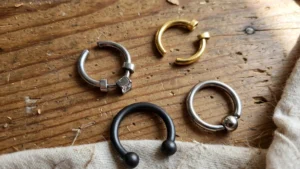
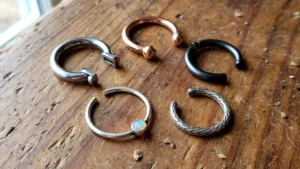
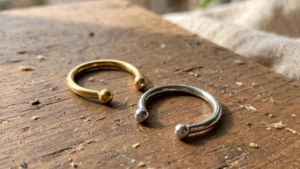
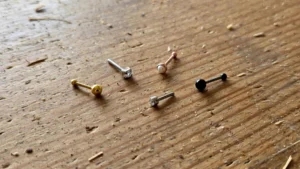
What we like: A small, polished silver ball end on a slim post, light enough to forget and bright enough to notice. What to consider: Silver can tarnish if it is stored damp, and it is best kept in a dry pouch. Best for: A first stud and everyday wear. Material: 925 sterling silver. Price range: £8 to £18. Standout feature: A clean, simple ball end that suits every outfit.
The Gold-Filled Ball-End Stud
What we like: A warm gold ball end with a thick layer of gold over a solid core, so it keeps its colour far longer than a thin plated stud. What to consider: It costs more than a plain silver stud, and the ball is small, so it will not make a bold statement. Best for: Warm skin tones and daily wear. Material: Gold-filled over brass core. Price range: £15 to £30. Standout feature: A durable gold layer that resists flaking.
The Tiny Diamond-Accented Stud
What we like: A 1.5 millimetre genuine or lab-grown diamond in a simple claw setting, with a sparkle that catches the light without looking showy. What to consider: Small stones are easy to lose if the setting loosens, so check the claws now and then. Best for: Special occasions and gifts. Material: 14k gold with diamond. Price range: £40 to £120. Standout feature: A real diamond that sparkles in daylight.
The Pearl Nose Stud
What we like: A small freshwater pearl, about 2.5 millimetres, with a soft glow that flatters the skin and looks gentle rather than glittery. What to consider: Pearls are soft and can be damaged by perfume, hairspray and rough handling. Best for: Weddings, proms and soft, romantic outfits. Material: Freshwater pearl on a titanium post. Price range: £12 to £28. Standout feature: A soft, milky glow instead of a sparkle.
The Opal Nose Stud
What we like: A small opal cabochon that shifts between blue, green and pink as it catches the light, set simply so the stone does the talking. What to consider: Opal is a soft stone and should not be scrubbed or knocked against hard surfaces. Best for: Creative outfits and summer evenings. Material: Opal on a 14k gold post. Price range: £20 to £55. Standout feature: Colour that changes with the light.
The Turquoise Bead Stud
What we like: A smooth turquoise bead, about 2 millimetres, with a bright, cheerful blue that stands out against the skin. What to consider: Turquoise is porous, so keep it dry and away from creams and sprays. Best for: Holidays, festivals and casual summer outfits. Material: Turquoise bead on a titanium post. Price range: £10 to £25. Standout feature: A bold pop of blue in a tiny package.
The Flat-Back Comfort Stud
What we like: A flat disc back that sits smoothly against the inside of the nose, so the stud stays comfortable through sleep, sport and long school days. What to consider: Flat backs can be fiddly to insert at first, and it helps to have someone show you how. Best for: Sleeping, sport and all-day wear. Material: Implant-grade titanium. Price range: £12 to £30. Standout feature: A flat back that never snags or digs in.
The Crystal-Set L-Shaped Stud
What we like: A clear crystal in a simple setting on an L-shaped post, which holds the stud securely while staying easy to put in and take out. What to consider: The crystal is glass, not a gemstone, so it will not hold value, though it sparkles well. Best for: Everyday sparkle on a small budget. Material: Crystal on a surgical steel post. Price range: £8 to £20. Standout feature: An L-shaped post that stays put without a separate back.
The L-shaped post is a clever design for beginners. There is no tiny back to lose, the stud stays in place through the day, and the crystal gives a clean sparkle that reads as polished rather than flashy.
The Clip-On Magnetic Stud
What we like: A small magnetic stud that clips onto the nose without any piercing, so the look can be tried for a day, an evening, or a single photograph. What to consider: It can slip if it is knocked, and it is not meant for swimming or sport. Best for: Trying the look before a piercing. Material: Gold-tone alloy with magnet. Price range: £6 to £15. Standout feature: No piercing needed at all.
This is the sensible first step for anyone who is curious but not yet sure. Wear it to a party, see how it feels and how it photographs, and then decide whether a real piercing is something you actually want.
Which nose stud is right for you
Start with your skin. If your skin is sensitive or you have reacted to cheap earrings before, choose implant-grade titanium or 14k gold and avoid unnamed alloys. A stud touches the skin all day, so the metal matters more than the stone, and a stud that irritates you will end up in a drawer no matter how pretty it is.
Then think about your face and your life. A smaller stone, around 1.5 to 2 millimetres, suits most teen faces and looks neat with school clothes. A flat back suits sleep and sport. A pearl or opal suits formal occasions, while a turquoise bead or a crystal suits holidays and weekends. Our roundup of the best nose rings for women covers hoops and rings for when you want a different shape, and the same sizing logic applies there too.
Finally, think about your budget as a starting point, not a limit. A good everyday stud costs roughly £10 to £30, and one well-chosen stud worn every day is better value than three cheap ones that irritate or tarnish. Save the diamond or solid gold piece for a birthday or a milestone, when it will mean more and be worn more.
The caveats that matter
A nose stud is a small piece of jewellery, but it still sits in or against the skin, so it deserves the same care as any piercing. A new piercing needs weeks to settle, and changing the stud too early, touching it with dirty hands, or wearing a cheap metal can all cause redness and swelling. If the skin stays sore, hot or swollen for more than a few days, take the stud out, let the skin rest, and ask a pharmacist or clinician for advice.
| Detail | What is known |
|---|---|
| Safest metals | Implant-grade titanium, 14k gold and genuine sterling silver |
| Metals to be careful with | Cheap plated alloys and unnamed metals, which often contain nickel |
| Best stone size | 1.5 to 2.5 millimetres for most teen faces |
| Most comfortable back | A flat back, which sits smoothly and does not snag |
| Typical price range | £8 to £30 for a good everyday stud; more for diamond or solid gold |
| Healing time for a new piercing | Several weeks; leave the first stud in place while it settles |
| When to remove it | If redness, swelling or pain lasts more than a few days |
| What it does not do | It does not suit every face shape, and no stud is comfortable if the metal is wrong |
Age and consent matter too. Piercing rules vary by place, and many studios ask for a parent or guardian to be present for anyone under 18. A clip-on stud is a good way to try the look first, and there is no rush. The right stud will still be there when you are ready.
Checklist: buying a nose stud for a teen
Use these checks before you buy, and again after a week of wear.
- Check the metal: implant-grade titanium, 14k gold or genuine sterling silver, with the metal named on the listing or packaging.
- Check the size: a stone of 1.5 to 2.5 millimetres, and a post length that fits the thickness of the nose without pressing.
- Check the back: a flat back for sleeping and sport, or an L-shaped post if you do not want a separate back to lose.
- Check the finish: smooth edges, a secure setting, and no rough spots that could catch or irritate.
- Check the fit: it should sit flat, feel light, and stay in place through a normal day without needing to be adjusted.
- Check the skin: if there is redness, swelling or pain after a few days, remove the stud and let the skin rest.
Frequently asked questions
What size nose stud is best for a teen?
A stone of 1.5 to 2.5 millimetres suits most teen faces. Smaller stones look neat and discreet, while larger stones can overwhelm a smaller nose. If you are unsure, start small, because a small stud is easy to wear every day.
Which metal is safest for a nose stud?
Implant-grade titanium is the safest everyday choice for sensitive skin, followed by 14k gold and genuine sterling silver. Avoid cheap plated studs and unnamed alloys, which often contain nickel and are the most common cause of irritation.
How long does a nose piercing take to heal?
Several weeks, and sometimes longer. Leave the first stud in place, clean it gently as advised by the piercer, and do not change it early. Touching it with dirty hands or swapping it too soon is the most common reason healing takes longer.
Can a teen wear a nose stud to school?
It depends on the school. Some schools allow a small, discreet stud, while others ask for it to be removed or covered. Check the school rules first, and choose a small, clear or skin-toned stud if you need something subtle.
Are clip-on nose studs safe?
Yes, for short wear. A clip-on or magnetic stud does not pierce the skin, so there is no healing involved. It can slip if it is knocked, so it is best for parties and photographs rather than sport or swimming, and it should not be worn so tightly that it pinches.
How do I clean a nose stud?
Remove it with clean hands, wash it gently with warm water and a mild soap, rinse it well, and let it dry before putting it back. For a new piercing, follow the piercer’s aftercare advice exactly, and do not use harsh antiseptics or alcohol unless they are recommended. A pearl necklace guide may seem unrelated, but it makes the same point about gentle care: soft, natural materials last longest when they are cleaned kindly and kept away from perfume and sprays.
The bottom line
The best nose stud for a teen in 2027 is not the flashiest or the most expensive. It is the one made from a safe metal, sized to the face, and comfortable enough to wear from morning to night. A classic silver ball end, a small gold stud, or a flat-back titanium piece will do that job quietly and well, and any of the nine studs above is a good place to start.
Choose one stud, wear it for a few weeks, and see how it feels and how it looks in photographs before buying a second. If your skin stays calm and the stud stays comfortable, you have found the right one, and the rest of the collection can wait until you know exactly what you want next.