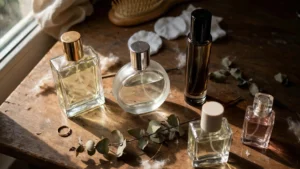
A septum ring sits in the centre of the face, so the metal you choose is never a small detail. It catches the light every time you turn your head and frames the nose. Gold and silver are the two metals almost everyone starts with, and they give a very different impression, even when the ring itself is the same size and shape.
Gold is warm, soft in tone, and reads as classic jewellery. It suits warm skin and pairs easily with other gold pieces. Silver is cooler, brighter, and a little more modern in feel. It suits cool skin, costs less, and works well with the silver jewellery many people already own. Neither metal is right for everyone, and that is why the choice is worth thinking through.
Below are nine comparisons that matter in 2027, from how each metal photographs to how it wears, how it is cared for, and what it costs over time. Each comparison ends with what to look for, so you can choose the metal that suits your skin, your budget, and the way you actually wear jewellery.
Key takeaways
- Gold septum rings look warm and classic, while silver septum rings look cool and bright, and the difference shows most in daylight and in photographs.
- Gold suits warm and olive skin tones best, and silver suits cool and fair skin tones best, though both can work with the right shade.
- Silver needs more regular cleaning to stop tarnish, while solid gold holds its colour with very little care.
- Silver is the cheaper way in, and gold costs more up front but holds its value better over time.
- Neither metal suits every skin type, and a new piercing should always be fitted by a professional piercer with jewellery made for fresh piercings.
What gold and silver septum rings actually are
A septum ring is a ring worn through the thin wall of tissue between the nostrils, called the septum. The most common styles are clickers, which close with a hinged segment, seamless rings, and horseshoes, also called circular barbells. The metal matters as much as the style, because it touches the skin all day, it is seen from every angle, and it is what gives the ring its colour and shine.
A gold septum ring is usually made from solid gold, most often 14k or 18k, or from gold-filled metal, where a thick layer of gold is bonded to a base metal. Solid gold keeps its colour, resists tarnish, and is a good choice for sensitive skin. Gold-filled pieces look the same at first and cost less, but the gold layer can wear thin over years of daily use. Gold-plated rings, where the gold layer is very thin, are the cheapest option and the least durable, and they are not a good choice for a ring you plan to wear every day.
A silver septum ring is usually made from sterling silver, which is 92.5 percent silver mixed with other metals for strength, or from surgical steel with a silver finish. Sterling silver has a bright, cool shine and a lower price than gold, but it tarnishes when it meets air, moisture, and skin oils, so it needs regular cleaning. Surgical steel is tougher and cheaper still, though its look is more industrial than the soft shine of real silver.
How we chose these comparisons and what to look for
Look first at the metal itself, not just the colour. Solid 14k or 18k gold and sterling silver are the two benchmarks worth comparing, because both are widely available and sold by reputable jewellers. Gold-plated and silver-plated pieces are cheaper, but their coating wears away, so they are not a fair comparison for everyday wear.

Look next at the finish and the gauge. A polished ring reflects more light and looks brighter in photographs, while a brushed or matte finish is quieter and shows less wear. Septum rings are most often sold in 16 gauge, with 14 gauge for a bolder look and 18 gauge for a finer one. The gauge should match the piercing you already have, so check what you are wearing now before you buy.
Finally, look at how the ring closes. A clicker snaps shut and is easy to change, a seamless ring has no visible join and looks cleaner, and a horseshoe uses small balls at each end. The closure affects comfort, security, and how easy the ring is to clean. Our guide to the best gold jewellery for everyday wear covers the same question for other pieces, because a ring you wear every day should be easy to live with, not just pretty in the box.
The 9 comparisons that matter in 2027
First impressions and how they photograph
What we like: Gold reads as warm and expensive in photographs, especially in golden-hour light. What to consider: Silver can look washed out in very bright sunlight. Best for: Gold for warm, golden photos; silver for cool, editorial looks. Material: Solid 14k gold vs sterling silver. Price range: Gold from about £60, silver from about £15. Standout feature: Gold photographs with a soft glow, silver with a sharp shine.
In a photograph, gold adds warmth to the whole face and silver adds contrast, so think about where you are usually photographed.
Warmth against skin tone
What we like: Gold flatters warm, olive, and deep skin tones, and silver flatters cool and fair skin tones. What to consider: The wrong metal can make skin look tired rather than bright. Best for: Gold for warm undertones, silver for cool undertones. Material: Yellow or rose gold vs sterling silver. Price range: Gold from about £60, silver from about £15. Standout feature: Rose gold sits between the two and suits more skin tones than either.
Hold both metals against your face in daylight and see which one makes your skin look healthier.
Everyday wear and durability
What we like: Solid gold is hard to scratch and keeps its shape for years. What to consider: Sterling silver is softer and can bend or scratch with rough handling. Best for: Gold for daily wear, silver for occasional wear. Material: 14k gold vs sterling silver. Price range: Gold from about £80, silver from about £20. Standout feature: Gold survives daily wear with almost no visible change.
A septum ring is knocked and cleaned more often than most jewellery, so for daily wear, durability is the whole point.
Tarnish, care, and upkeep
What we like: Gold does not tarnish and needs only a quick wipe. What to consider: Silver tarnishes and needs regular polishing. Best for: Gold for low-maintenance wear, silver for people happy to clean it. Material: Solid gold vs sterling silver. Price range: Gold from about £60, silver from about £15 plus cleaning cloths. Standout feature: A silver polishing cloth keeps a ring bright in under a minute.
Tarnish is a surface change, not damage, and it comes off with a cloth. But if you will not clean a ring every week or two, silver will slowly lose its shine.
Comfort and weight on the nose
What we like: Both metals feel light at 16 gauge, and gold is slightly denser. What to consider: A heavy, thick ring can feel noticeable after a long day. Best for: Either metal at 16 gauge for all-day comfort. Material: 14k gold vs sterling silver, both at 16 gauge. Price range: Gold from about £60, silver from about £15. Standout feature: A smooth, well-finished ring feels like nothing at all.
Comfort comes mostly from the finish and the fit, not the metal. A ring with a rough join will irritate no matter what it is made from.
Cost for one ring and for a set
What we like: Silver lets you buy several rings for the price of one gold ring. What to consider: Gold costs more up front, which matters if you like to change styles often. Best for: Silver for building a collection, gold for one ring you keep. Material: Solid gold vs sterling silver. Price range: Gold £60 to £400, silver £15 to £80. Standout feature: A small silver collection gives more variety for the same money.
Work out the cost per wear: a gold ring worn daily for three years costs less per day than a silver ring replaced twice.
Matching outfits and other jewellery
What we like: Gold pairs with gold chains, warm clothes, and autumn colours. What to consider: Silver pairs with silver chains, cool clothes, and black and white outfits. Best for: Match the ring to the jewellery you already wear most. Material: Yellow gold vs sterling silver. Price range: Gold from about £60, silver from about £15. Standout feature: Mixing metals works when one metal is clearly dominant.
If most of your earrings and necklaces are gold, a gold septum ring will look deliberate. If most are silver, silver will.
Occasion and dress code
What we like: Gold reads as formal and polished, silver reads as modern and understated. What to consider: Some workplaces prefer a small, plain ring, whatever the metal. Best for: Gold for weddings and formal events, silver for everyday and creative workplaces. Material: Small solid gold clicker vs small sterling silver clicker. Price range: Gold from about £70, silver from about £20. Standout feature: A small, plain ring in either metal suits almost any occasion.
For a formal event, size matters more than metal: a small ring in either metal looks polished, a large one looks like a statement.
Keeping it afterwards: resale and heirloom value
What we like: Solid gold keeps its value and can be resold or passed on. What to consider: Sterling silver has little resale value. Best for: Gold as a keepsake, silver as a fashion piece. Material: Solid 14k or 18k gold vs sterling silver. Price range: Gold £80 to £400, silver £15 to £80. Standout feature: Gold is the only one of the two that is also an asset.
If you want a ring to keep for years, gold is the clear choice. If you want to try a style and move on, silver is the cheaper experiment.
Which septum ring is right for you
Start with your skin tone and your jewellery box. Warm skin and a box full of gold pieces point to gold. Cool skin and a box full of silver pieces point to silver. If you are unsure about your undertone, hold a gold and a silver ring against your face in daylight and see which one makes your skin look brighter and healthier. That test settles the question faster than any guide.
Then think about how you will wear it. A ring worn every day should be solid gold or good sterling silver, in 16 gauge, with a smooth finish and a secure closure. A ring worn for evenings can be silver, even a bolder design, because it will not be knocked around as much. If you like to change your look often, buy silver first, then invest in gold in the style you wear most.
Budget matters too, but it should not be the only factor. A gold ring costs more, yet it lasts longer, needs less care, and holds its value. A silver ring costs less, yet it needs cleaning and may need replacing. Our roundup of the best nose rings for women makes the same point for other nose jewellery, because the metal decision is the same, and the right answer depends on how you live with the piece, not just what it costs on the day.
The caveats that matter
Septum rings are body jewellery, and they deserve more care than a pair of earrings. A fresh piercing should only ever be fitted with jewellery made for healing, usually implant-grade titanium or solid gold, and only by a professional piercer. Sterling silver is not recommended for a fresh piercing, because it can tarnish against healing skin. Once the piercing is fully healed, usually after several months, you can switch to gold or silver freely.
| Detail | What is known |
|---|---|
| Best metal for sensitive skin | Solid 14k or 18k gold; sterling silver can irritate some people |
| Tarnish | Gold does not tarnish; sterling silver tarnishes and needs polishing |
| Typical price for one ring | Gold £60 to £400; silver £15 to £80 |
| Most common gauge | 16 gauge, with 14 gauge for bolder looks and 18 gauge for finer ones |
| Fresh piercings | Use implant-grade titanium or solid gold only; not sterling silver |
| Healing time | Several months for a septum piercing to fully heal |
| Cleaning | Warm water and mild soap; polish silver with a silver cloth |
| Resale value | Gold holds value; silver has little resale value |
Cleaning is simple but not optional. Rinse the ring in warm water, wash it gently with mild soap, and dry it before you put it back in. For silver, a quick polish with a silver cloth every week or two keeps it bright. For gold, a soft cloth is enough. If a ring causes redness, swelling, or pain that does not settle, take it out and speak to your piercer or a clinician, and do not try to force a ring through a piercing that has closed.
Checklist: choosing between gold and silver
Use these checks before you buy, and again when you are choosing your next ring.
- Check your skin tone in daylight: gold for warm undertones, silver for cool undertones.
- Check the metal: solid 14k or 18k gold, or sterling silver, not thin plating.
- Check the gauge: 16 gauge suits most people, and it should match your piercing.
- Check the closure: a clicker is easiest to change, a seamless ring looks cleanest.
- Check the finish: smooth edges and a polished join mean comfort all day.
- Check your routine: if you will not polish a ring weekly, choose gold.
Frequently asked questions
Is gold or silver better for a septum ring?
Gold is better for sensitive skin, for daily wear, and for keeping its value. Silver is better for a lower price, for trying new styles, and for cool skin tones. The best choice depends on your skin, your budget, and how often you will wear it.
Can I wear a silver septum ring in a fresh piercing?
No. A fresh septum piercing should only be fitted with implant-grade titanium or solid gold by a professional piercer. Sterling silver can tarnish against healing skin and is not suitable until the piercing is fully healed.
Why does my silver septum ring turn dark?
Sterling silver tarnishes when it meets air, moisture, and skin oils. It is a surface change, not damage, and a silver polishing cloth removes it in under a minute. Storing the ring in a dry, airtight pouch slows tarnish between wears.
Does a gold septum ring suit everyone?
Gold suits warm, olive, and deep skin tones best, and rose gold suits more skin tones than yellow gold. Cool and fair skin often looks brighter with silver. Try both against your face in daylight before you decide.
How do I clean a septum ring?
Rinse it in warm water, wash it gently with mild soap, and dry it fully. Polish silver with a silver cloth, and wipe gold with a soft cloth. Do not use harsh chemicals or abrasive cleaners, and do not clean a ring while it is in a fresh piercing unless your piercer has told you to.
Can I mix gold and silver septum jewellery?
Yes, if one metal is clearly dominant. A gold septum ring with silver earrings can work, but a half-and-half mix often looks accidental. A pearl necklace in a warm or cool tone can also help tie the metals together, because pearls sit comfortably with both gold and silver.
The bottom line
Gold and silver septum rings are both good choices, and the right one suits your skin, your jewellery, and the way you wear it. Gold costs more, lasts longer, needs almost no care, and holds its value. Silver costs less, looks cool and modern, and lets you try more styles, but it needs regular cleaning and will not hold its value.
If you want one ring to wear every day for years, choose solid gold in 16 gauge, in the shade that flatters your skin. If you want to experiment, or you love the look of silver, choose sterling silver and keep a polishing cloth nearby. Either way, buy from a reputable jeweller, check the gauge and the closure, and let the ring you reach for most tell you which metal is yours.