
Why Nose Rings Are Worth It 2027
A nose ring is one of the smallest pieces of jewellery you can own, and one of the hardest-working. A single stud or hoop draws the eye, finishes an outfit, and adds personality without a new dress, a new bag, or a loud colour. It is a detail, not a statement, and that is exactly why it works so well.
It is also one of the cheapest ways to change how you look. A good nose ring costs less than most lipsticks, takes seconds to put on, and works with almost everything you already own, from jeans and a white shirt to a wedding guest dress. You do not need a new wardrobe to look different. You need one small piece of metal in the right place.
Below are nine reasons nose rings are worth it in 2027, from the way they photograph to the way they travel, so you can decide whether one deserves a place in your jewellery box, and which style is worth your money.
Key takeaways
- A nose ring finishes an outfit in seconds and costs less than most other jewellery.
- It works with almost every style, from everyday denim to formal evening wear.
- The right size and metal matter more than the price: small, well-made rings look expensive at any budget.
- Clip-on styles let anyone try the look with no piercing and no commitment.
- A nose ring does not suit everyone, and a piercing needs proper aftercare, so try the look first if you are unsure.
What a nose ring actually does for an outfit
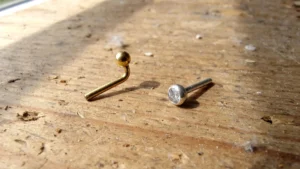
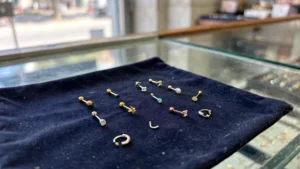
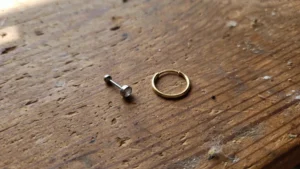
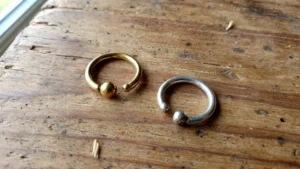
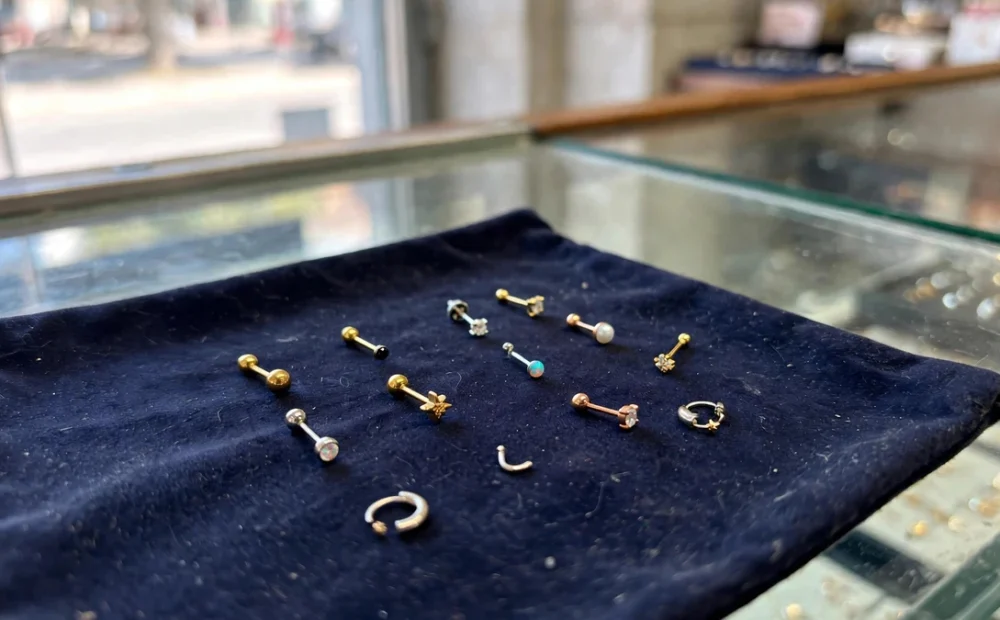
A nose ring works because it sits at the centre of the face, where the eye naturally goes. A tiny stud adds a point of light that balances earrings and lifts the whole face, while a thin hoop adds a soft curve that echoes the shape of a smile. Neither one competes with the rest of your outfit. Both make it look finished. It is the smallest change you can make to your face, and often the most noticeable.
It also works because it is personal in a way a necklace is not. A nose ring is a choice you make for yourself, not for a dress code or a trend, and that confidence shows. People notice the ring, but what they remember is the way the person wearing it seems comfortable in their own skin.
The practical side matters too. A nose ring does not catch on scarves, does not need to be removed to wash your hands, and does not weigh anything. It is the rare piece of jewellery that adds more than it asks for, and that is why so many people who try one keep wearing it happily for years.
How we judged what makes a nose ring worth it
We judged a nose ring the way we would judge any piece of everyday jewellery: does it earn its place, does it last, and does it work with what you already own. A ring that looks good once and then sits in a drawer is not worth it, however cheap it was. A ring you reach for every morning is worth almost any price.
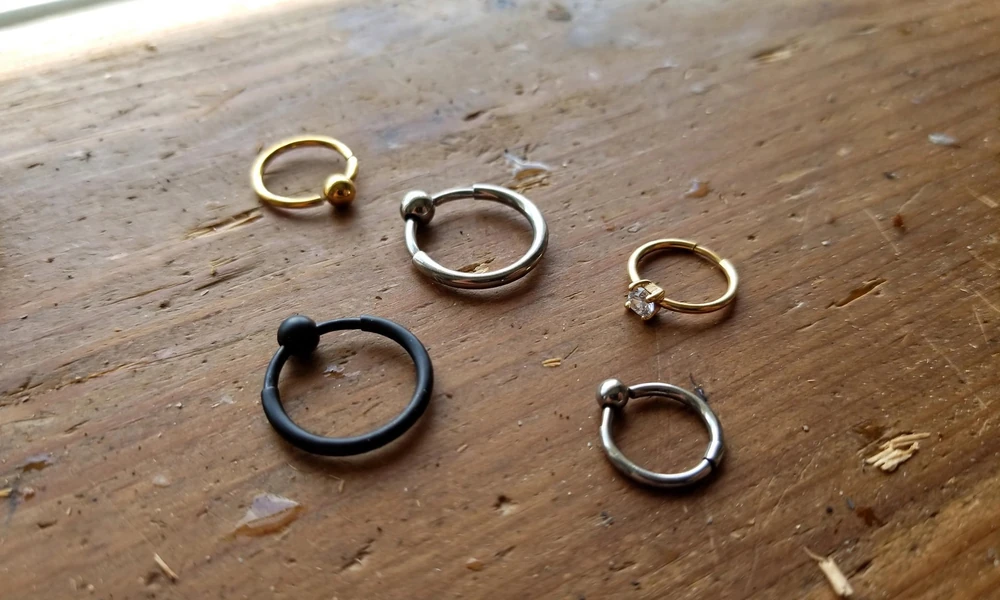
We looked first at versatility. Small jewellery earns its place the same way an everyday anklet does, by being easy to wear, easy to match, and easy to forget you are wearing. A nose ring that only works with one outfit is a costume, not an accessory, so the rings in this guide are the ones that work across seasons and occasions.
We looked next at cost over time. A cheap plated ring that tarnishes in a month is more expensive than a solid gold ring that lasts for years, because you buy it again and again. The real price of a nose ring is the price per wear, and on that measure a good ring is one of the cheapest pieces of jewellery you can own.
The 9 reasons nose rings are worth it in 2027
They finish an outfit in seconds
What we like: A nose ring is the fastest way to make an outfit look deliberate. Put on a plain white shirt and jeans, add a small gold stud, and the whole look reads as styled rather than thrown together. What to consider: The effect depends on size. A stud that is too large can dominate the face, so start small and go bigger only if you love the look.
Best for: Anyone who wants to look polished without effort. Cost: About £8 to £30 for a good everyday stud. Time needed: Seconds to put on, no styling time at all.
They are the cheapest way to look polished
What we like: A good nose ring costs less than a lipstick, a manicure, or a single blow-dry, and it lasts for years rather than a day. On a cost-per-wear basis, it is one of the best value pieces of jewellery you can buy. What to consider: Cheap plated rings tarnish quickly and need replacing, so buy one ring in a solid metal rather than five in a plated alloy.
Best for: Anyone building a jewellery collection on a budget. Cost: About £10 to £40 for a solid gold or titanium ring. Time needed: None, once you own it.
They let you add shine without a loud dress
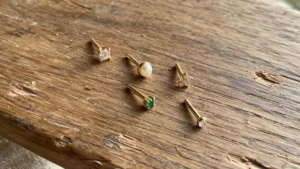
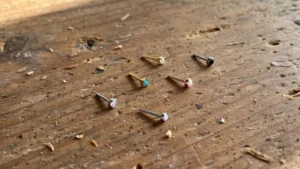
What we like: A nose ring adds sparkle exactly where it is noticed, on the face, without asking you to wear sequins, bright colours, or a statement dress. A tiny gem stud does the work of a whole evening outfit. What to consider: A very sparkly ring can look out of place in a plain daytime outfit, so keep a plain metal stud for everyday wear and save the gem for evenings.
Best for: Anyone who prefers quiet outfits with one bright detail. Cost: About £12 to £50 for a small gem stud. Time needed: Seconds to swap between a plain stud and a gem one.
They work for weddings, proms, and formal dinners
What we like: A nose ring is one of the few pieces of jewellery that works at a wedding, a prom, and a formal dinner without looking underdressed or overdressed. A small gold or diamond stud suits a formal dress as well as it suits denim. What to consider: Very formal occasions may call for a smaller, plainer ring, and some dress codes restrict visible piercings, so check before the day and keep a clip-on as a backup.
Best for: Wedding guests, prom, and formal dinners. Cost: About £15 to £80 for a formal-worthy stud. Time needed: None on the day, if you already own the ring.
They suit every face shape with the right size
What we like: A nose ring is adjustable in a way most jewellery is not. A small stud suits a narrow nose, a slightly larger hoop suits a broader one, and the right size makes the ring look like it belongs. What to consider: Size is everything. A ring that is too big overwhelms a small face, and a ring that is too small disappears on a larger one, so try a few sizes before you settle.
Best for: Anyone who has struggled to find jewellery that suits their face. Cost: About £8 to £30 to try two or three sizes. Time needed: A few minutes in front of a mirror to compare sizes.
They are the easiest formal accessory to carry
What we like: A nose ring weighs almost nothing, takes up no space, and needs no bag, no box, and no special care on the way to an event. You wear it there, and it is already on when you arrive. What to consider: A clip-on can slip in transit, so check it in a mirror when you arrive, and carry a spare in a small pouch if the evening matters.
Best for: Anyone who travels light to formal events. Cost: Nothing extra, beyond the ring itself. Time needed: None.
They travel better than any other accessory
What we like: A nose ring cannot tangle, cannot break in a suitcase, and cannot be left behind in a hotel room, because it is on your face. It is the only piece of jewellery that travels with zero packing. What to consider: Airport security rarely notices a small nose ring, but a large metal hoop can set off a detector, so wear a small stud on travel days.
Best for: Frequent travellers and holiday packing. Cost: Nothing extra, beyond the ring itself. Time needed: None.
They suit every age and every budget
What we like: A nose ring has no age limit. A teenager can wear a small silver stud, a woman in her sixties can wear a gold hoop, and both look right, because the ring is small enough to suit any face at any age. What to consider: Teenagers should choose a clip-on or wait until they are old enough for a piercing, and anyone on a tight budget should buy one good ring rather than several cheap ones.
Best for: Anyone, at any age, at any budget. Cost: About £5 to £80, depending on metal and size. Time needed: A few minutes to choose the right size and metal.
A good one lasts for years, not one season
What we like: A solid gold or titanium nose ring does not tarnish, does not go out of fashion, and does not wear out. Buy one good ring and you may still be wearing it in five years, which makes it one of the best value purchases in any jewellery box. What to consider: Plated rings fade, cheap alloys irritate skin, and a ring that is too trendy will date quickly, so choose a classic size and a solid metal.
Best for: Anyone who wants jewellery that lasts. Cost: About £20 to £80 for a ring that will last for years. Time needed: None, once you own it.
Which nose rings are right for you
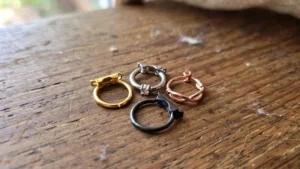
Start with a clip-on if you have never worn a nose ring. It costs little, needs no commitment, and lets you find the size and metal that suit your face before you spend more. A small stud in titanium or gold is the safest first choice, because it suits almost every face and almost every outfit.
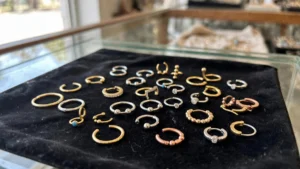
If you already know the look suits you, a pierced ring in solid gold or implant-grade titanium is the better long-term buy. It stays put, needs little care once healed, and lasts for years. Our guide to gold jewellery for everyday wear makes the same point: the pieces you wear every day should be comfortable first and decorative second, and a nose ring is no different.
Whatever you choose, buy one good ring rather than five cheap ones. A single well-made ring in a safe metal will look better, feel better, and last longer than a drawer full of plated copies, and it will cost less in the end. A ring that feels light, sits comfortably, and suits your skin is the one you will keep reaching for.
The caveats that matter
A nose ring is worth it when it suits your face, your skin, and your life, but it is not for everyone, and a piercing is not a decision to rush. A clip-on lets you try the look with no risk, while a piercing asks for weeks of aftercare and a willingness to leave the jewellery alone while it heals. Most problems come from impatience, from cheap metal, or from changing a fresh piercing too soon.
| Detail | What is known |
|---|---|
| Best metal for sensitive skin | Implant-grade titanium or solid gold |
| Clip-on fit | Snug, not tight; remove it if it pinches or leaves a mark |
| Piercing healing | Nostril piercings take 2 to 4 months to heal |
| What to avoid | Nickel, cheap plating, and changing a fresh piercing too soon |
| Daily care | Rinse a healing piercing with saline; wipe a clip-on clean after wear |
| When to seek advice | Swelling, heat, or discharge that does not settle in a few days |
| Work and dress codes | Some workplaces restrict visible piercings; a clip-on comes off in seconds |
| What it does not do | A nose ring does not suit every face or every occasion |
If you are pregnant, have a skin condition, take medication that affects healing, or have ever had a piercing become infected, speak to a clinician or a professional piercer before getting pierced. A short conversation can save weeks of discomfort, and a good piercer will tell you honestly if your skin or your plans make a piercing a poor idea right now.
Checklist: buying a nose ring well
Use these checks before you buy, and again before you book a piercing.
- Try a clip-on first if you have never worn a nose ring.
- Check the metal: titanium, solid gold, or surgical steel, never unlabelled alloy.
- Try two or three sizes in front of a mirror before you settle on one.
- Buy one good ring in a solid metal rather than five cheap plated ones.
- Choose a professional piercer, not a DIY kit, for any piercing.
- Keep the receipt and the care instructions, in case the ring or the piercing needs attention.
Frequently asked questions
How do I choose the right size nose ring?
Start small. A 1.5 to 2 millimetre stud suits most faces, and a thin hoop of about 8 millimetres suits most nostrils. Try a clip-on in two or three sizes in front of a mirror at home, and choose the one that looks like it belongs, rather than the one that draws the eye first.
Can I wear a nose ring to work?
Often yes, especially a small stud, which most workplaces accept. Some roles restrict visible piercings, so check your dress code first, and keep a clip-on as a backup, because it comes off in seconds and goes back on just as fast.
What metal should I choose for sensitive skin?
Implant-grade titanium is the safest choice, followed by solid 14k or 18k gold. Avoid nickel and cheap plated alloys, which are the most common cause of itching, redness, and swelling around a nose ring.
Do nose rings suit every face shape?
Almost, with the right size. A small stud suits a narrow nose, a slightly larger hoop suits a broader one, and the right size matters more than the style. If a ring looks wrong, it is usually the size, not the ring itself, so try a different size before you give up on the look.
Can I wear a nose ring with other jewellery?
Yes, and it works best when the metals match. A gold nose ring pairs well with gold earrings and a gold necklace, while a silver ring pairs well with silver. Our guide to pearl necklaces for women shows how one classic piece can anchor a whole outfit, and a small nose ring works the same way, as a quiet detail that ties everything together.
How long does a nose ring last?
A solid gold or titanium ring lasts for years with almost no care, while a plated ring may fade within months. A piercing itself needs regular wear to stay open, so keep a ring in it, even a plain one, if you want to keep the piercing.
The bottom line
A nose ring is worth it because it does more with less than almost any other piece of jewellery. It costs little, takes seconds to wear, works with everything you own, travels without packing, and lasts for years if you buy well. It finishes an outfit, adds personality, and asks almost nothing in return.
Try a clip-on first, buy one good ring in a safe metal, and let a month of wearing it tell you whether the look is yours. If you reach for it every morning, you have found a piece of jewellery that earns its place. If you do not, you have spent very little to learn it, and you can move on without regret.