
A nose ring is a small piece of jewellery with an outsized effect on a face. Worn well, it looks effortless, as if it has always belonged there. Worn badly, it can look fussy, uncomfortable, or at odds with the rest of an outfit. The difference is rarely the ring itself. It is the fit, the metal, the makeup around it, and knowing when to keep everything else simple.
That is why this guide is organised around practical choices rather than trends. A hoop that looks striking on a night out can be a nuisance under a scarf on a winter morning. A stud that suits bare skin can disappear under heavy foundation. The metal that suits your skin tone matters, and so does the way the ring sits with your glasses, your earrings, and your necklace, because the face is a small canvas and every piece competes for attention.
Below are nine ways to wear a nose ring well in 2027, from choosing the right size and metal to styling it for daytime, evenings, and formal occasions. Each tip is described by what works, what to watch for, and how much time and money it takes, so you can wear a nose ring with confidence rather than second-guessing it in the mirror.
Key takeaways
- A nose ring should sit snug against the nostril without pinching, and the right size matters more than the right style.
- Match the metal to your skin tone and to the rest of your jewellery, so the ring looks deliberate rather than accidental.
- Keep makeup and other jewellery simple when the ring is the focal point, and let it share attention only with pieces in the same metal.
- Clean a new piercing only as your piercer advises, and do not change the jewellery until the piercing has fully healed.
- No single way of wearing a nose ring suits everyone, and a style that looks perfect on one face can sit awkwardly on another, so fit comes before fashion.
What wearing a nose ring actually involves
Wearing a nose ring means living with a small piece of metal on the most prominent part of your face, all day, every day. It catches the light when you turn your head, it sits close to your glasses and your scarf, and it is the first thing people notice after your eyes. That is its charm and its challenge. A good fit makes it disappear into your face. A bad fit makes it the only thing anyone sees, and not in a good way.
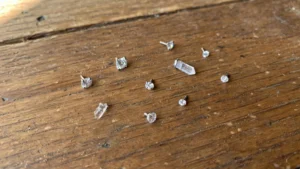
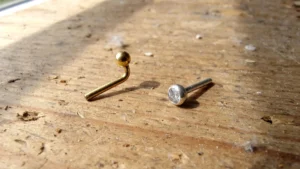
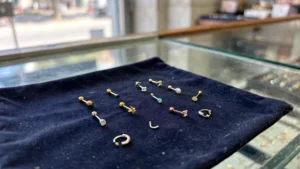
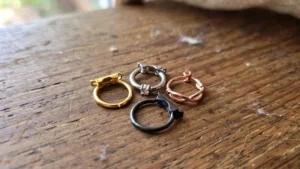
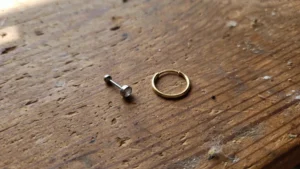
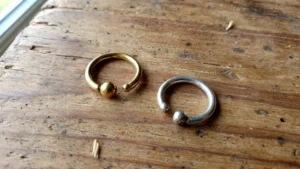
There are two ways to wear one. A pierced nose ring passes through a healed nostril piercing and is held by a post, a screw, an L-shaped bend, or a flat back. A clip-on cuff grips the edge of the nostril with gentle pressure and can be worn for an evening and taken off at night. Both look similar from a normal distance, and the cuff is the honest way to try the look before committing to a piercing, or to wear a ring on days when a piercing would be impractical.
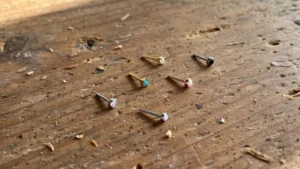
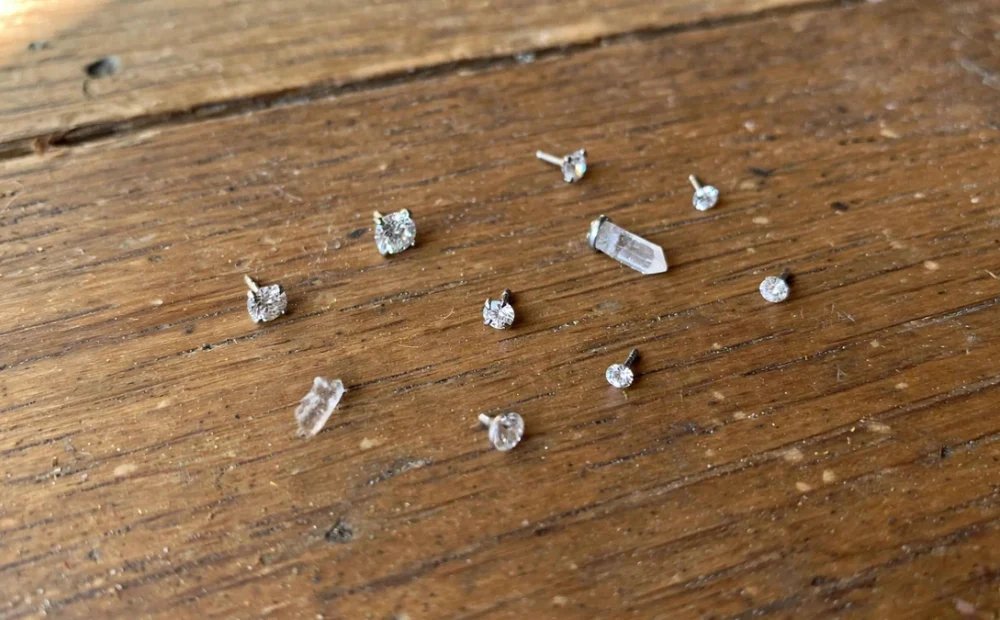
The practical details matter more than the style. A stud head of 2 to 3 millimetres suits most faces and stays comfortable under a mask or a scarf. A hoop of 8 to 10 millimetres sits neatly against the nostril for most people. The metal should be solid gold, implant-grade titanium, or sterling silver, because plated alloys are the pieces most likely to irritate the skin around a piercing.
How we chose these tips and what to look for
Look first at the fit. A nose ring should sit close to the nostril without pressing into the skin, and it should not move around when you talk or smile. If a stud wobbles, the post is too long. If a hoop swings, the diameter is too large. A reputable piercer can measure your nostril and recommend the right gauge and size, and that measurement is worth more than any amount of online browsing.
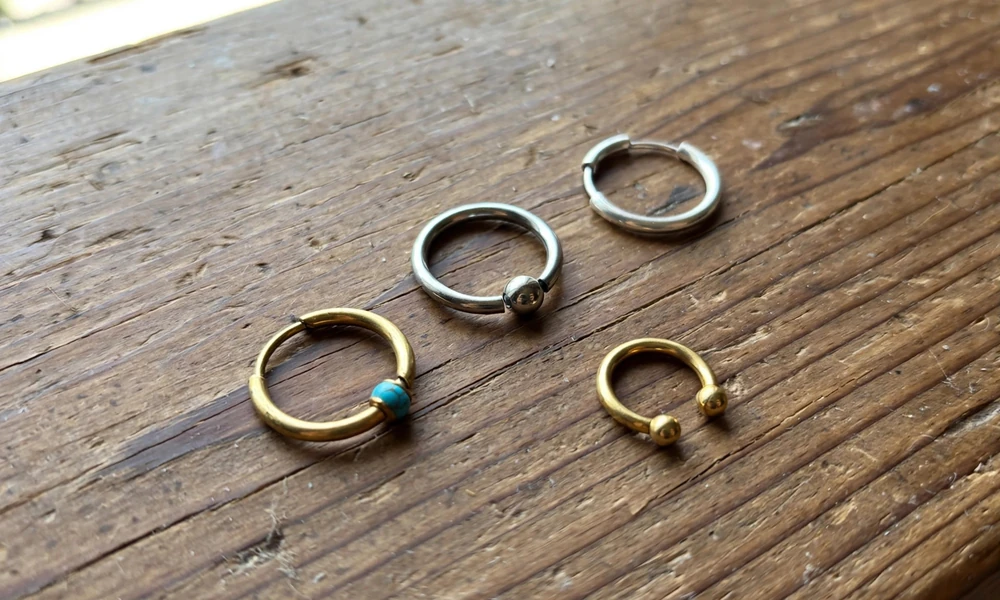
Look next at the metal and the finish. Gold suits warm skin tones, silver suits cool ones, and rose gold sits in between, but the real rule is consistency. A gold nose ring looks most natural with gold earrings and a gold necklace, and the same applies to silver. Our guide to necklaces for women shows how one metal carried through an outfit makes the whole look feel deliberate, and a nose ring follows the same rule, because it sits so close to the face.
Finally, look at your daily routine. If you wear glasses, a low-profile stud is more comfortable than a hoop. If you swim or work out often, a flat-back stud stays put better than a screw or an L-bend. If you wear a face mask for work, a stud is kinder to the skin than a hoop that catches on the fabric every time you adjust it.
The 9 ways to wear a nose ring in 2027
Start with the right piercing or a clip-on
What we like: A professional piercing, placed in the natural crease of the nostril, heals cleanly and gives you the most choice of jewellery later.
What to consider: A piercing takes two to four months to heal, and you cannot change the jewellery until it has. Best for: Anyone committed to wearing a nose ring daily. Cost: £30 to £80 for the piercing. Time needed: A 30-minute appointment, plus months of healing.
Choose a size that suits your nose
What we like: A stud head of 2 to 3 millimetres, or a hoop of 8 to 10 millimetres, sits neatly on most noses without overwhelming the face.
What to consider: A head that is too large looks heavy on a small nose, and a hoop that is too small pinches. Best for: Every face, once the size is right. Cost: Free to check, and most piercers will measure you. Time needed: A few minutes at a piercing studio.
Size is the single most common mistake. People choose a style they like and ignore the measurements, then wonder why it looks wrong. Get measured, then choose the style in the right size.
Pick a metal that suits your skin
What we like: Solid gold for warm skin tones, silver for cool ones, and implant-grade titanium for anyone with sensitive skin or a new piercing.
What to consider: Plated alloys look identical at first and irritate the skin once the plating wears. Best for: Sensitive skin and daily wear. Cost: £25 to £150 depending on the metal. Time needed: A few minutes to compare metals in daylight.
Match it to your other jewellery
What we like: One metal carried through the nose ring, earrings, and necklace makes an outfit look considered, even when the pieces are simple.
What to consider: Mixing metals can work, but it needs intention, and a random mix looks accidental. Best for: Anyone who wears jewellery every day. Cost: No extra cost if your pieces already match. Time needed: A minute in front of the mirror.
A gold nose ring pairs naturally with gold earrings and a fine gold chain, and a silver one with silver. A gold nose ring can also sit happily with a gold anklet in summer, when the jewellery is visible and the metals should agree, as our guide to gold anklets shows for the same warm, simple metal worn close to the skin.
Wear it with the right makeup
What we like: Natural, skin-like makeup lets a nose ring shine, while a soft lip colour and defined brows frame the face without competing with the ring.
What to consider: Heavy foundation can cake around a piercing, and glitter near the nose draws the eye to the wrong place. Best for: Daytime and work. Cost: No extra cost. Time needed: Five minutes of careful blending.
Keep it simple for daytime, dress it up for evenings
What we like: A small stud for the office and daytime, swapped for a diamond or pearl stud in the evening, gives you two looks from one piercing.
What to consider: Do not swap jewellery in a new piercing, and keep a spare stud in your bag rather than changing it in a hurry. Best for: Anyone who wants one piercing and two moods. Cost: £40 to £200 for a second stud. Time needed: A minute to change a healed piercing.
The rule is simple. In the daytime, the ring should be the quietest thing on your face. In the evening, it can be the brightest. A diamond stud at dinner does the work of a necklace, so you can leave the necklace off.
Care for it after swimming and workouts
What we like: Rinsing with clean water after swimming or sweating keeps a piercing calm, and a flat-back stud stays put through exercise better than a loose hoop.
What to consider: Chlorine and salt water can irritate a new piercing, and a hoop can catch on gym equipment and towels. Best for: Active lifestyles and swimmers. Cost: Nothing beyond clean water and saline. Time needed: Two minutes after a swim or a workout.
Change it safely at home
What we like: Changing a healed piercing at home is easy with clean hands, a well-lit mirror, and a spare stud ready before you take the old one out.
What to consider: A piercing can start to close within hours if the jewellery is left out, so do not leave it empty. Best for: Healed piercings only. Cost: Nothing. Time needed: Five minutes.
Wash your hands, lay the new ring on a clean tissue, and work in front of a mirror in good light. If the post will not go in easily, stop and try again later, or ask your piercer, because forcing it can tear the piercing and set healing back by weeks.
Let it settle before switching styles
What we like: Wearing one style for a few weeks lets you learn how it feels, how it photographs, and whether it suits your face before you buy more.
What to consider: Buying five rings at once usually means four of them sit in a drawer. Best for: First-time wearers and anyone on a budget. Cost: Nothing extra. Time needed: A few weeks of patient wear.
Which nose ring is right for you
Start with your piercing. If it is new, a stud in implant-grade titanium or solid gold is the only sensible choice, and you should not change it until your piercer confirms it has healed. If it is well healed, you can move between studs and hoops as you like. If you have no piercing, a clip-on cuff lets you wear the look for an evening without any commitment.
Next, consider your face and your life. A small stud suits almost every face and almost every occasion, which is why it is the default recommendation. A hoop suits longer noses and stronger features, and it makes more of a statement, so it works best when the rest of your jewellery is quiet. If you wear glasses, a low-profile stud is more comfortable. If you work in a strict environment, a tiny stud or a clear retainer is the practical answer.
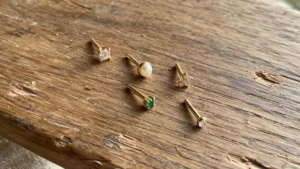
Finally, match the metal to your skin and to the jewellery you already own. A diamond stud is the dressiest choice, and it pairs beautifully with other fine jewellery, as our guide to diamond necklaces shows for the same sparkle worn at the neck. A pearl stud is softer and suits formal occasions. A plain gold stud suits everything, every day.
The caveats that matter
A nose piercing is a wound while it heals, and it should be treated like one. Do not change the jewellery early, do not twist or turn the stud, and do not use harsh antiseptics or alcohol on it unless your piercer tells you to. Saline solution and clean hands are usually enough. If you notice spreading redness, swelling, or discharge that smells, see your piercer or a clinician promptly rather than waiting to see if it settles on its own.
| Detail | What is known |
|---|---|
| Best metal for healing skin | Implant-grade titanium or solid 14k gold, with a smooth, polished finish |
| How long a nostril takes to heal | Usually 2 to 4 months, sometimes longer, before jewellery should be changed |
| Best size for most faces | A stud head of 2 to 3 millimetres, or a hoop of 8 to 10 millimetres in diameter |
| Who should avoid cheap alloys | Anyone with sensitive skin or a nickel allergy, as plated alloys irritate most often |
| What to avoid while healing | Changing the jewellery early, twisting the stud, and using alcohol or harsh antiseptics |
| Cleaning a healed piercing | Warm water and mild soap, or saline, with clean hands and a soft cloth |
| When to see a professional | Spreading redness, swelling, pain, or discharge that does not improve in a day or two |
| What a nose ring does not do | It does not suit every face, and a style that looks good in a photo may sit badly on a different nose |
If you are pregnant, have a skin condition, or take medication that affects healing, speak to your piercer or clinician before getting a new piercing. A short conversation beforehand can save weeks of slow healing and irritation.
Checklist: wearing a nose ring well
Use these checks before you buy, and again after a week of wear.
- Check the fit: it should sit snug without pinching, and it should not press against glasses or a mask.
- Check the metal: solid gold, implant-grade titanium, or sterling silver, not plated alloy, especially if your skin is sensitive.
- Check the size: a stud head of 2 to 3 millimetres, or a hoop of 8 to 10 millimetres, suits most faces.
- Check the rest of your jewellery: one metal carried through earrings, necklace, and nose ring looks deliberate.
- Check the healing: do not change a new piercing until your piercer confirms it has fully healed.
- Check the care: rinse after swimming or sweating, keep perfume and hairspray away from the piercing, and wash your hands before touching it.
Frequently asked questions
Does a nose piercing hurt?
Most people describe a sharp pinch that fades within seconds, followed by tenderness for a few days. The nostril is a quick piercing, and the discomfort is usually less than people expect, though everyone feels it differently.
How long should I wait before changing my nose ring?
Wait until the piercing has fully healed, usually two to four months, and ask your piercer to confirm. Changing it early can reopen the wound, cause irritation bumps, and slow healing by weeks.
Can I wear a nose ring with glasses?
Yes, and a low-profile stud is the most comfortable choice, because it sits close to the nostril and does not press against the frames. A large hoop can catch on the frames when you take your glasses on and off.
Can I wear a nose ring to work?
It depends on your workplace. Many offices accept a small, discreet stud, while hoops and larger pieces may not suit a strict dress code. A clear or skin-toned retainer can keep a piercing open discreetly where visible jewellery is not allowed.
What if my nose ring keeps falling out?
The fit is probably wrong. A post that is too short, a hoop that is too large, or a screw that is not bent correctly will all work loose. Ask your piercer to check the size and the closure, because a well-fitted ring should stay put through a normal day.
How do I clean a nose ring?
For a healed piercing, warm water and mild soap are enough, with clean hands. For a new piercing, use saline solution as your piercer advises. Remove the ring before swimming, and keep perfume, makeup, and hairspray away from the piercing while it heals.
The bottom line
Wearing a nose ring well comes down to fit, metal, and restraint. Choose a size that suits your nose, a metal your skin tolerates, and a style that matches the rest of your jewellery, and the ring will look like it belongs on your face. A small stud is the safest starting point, a hoop is the bolder choice, and a clip-on cuff lets you try the look without any commitment at all.
Give one style a few weeks before you buy another, keep your makeup and other jewellery simple while the ring is the focal point, and look after the piercing while it heals. A nose ring that feels like nothing and looks like everything is the one worth keeping.