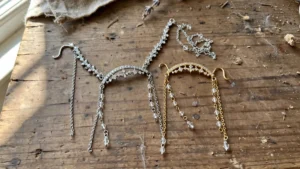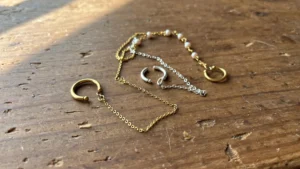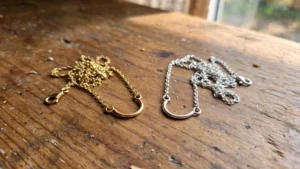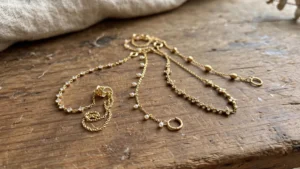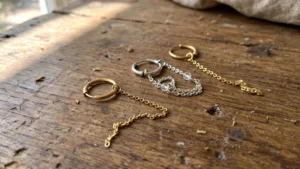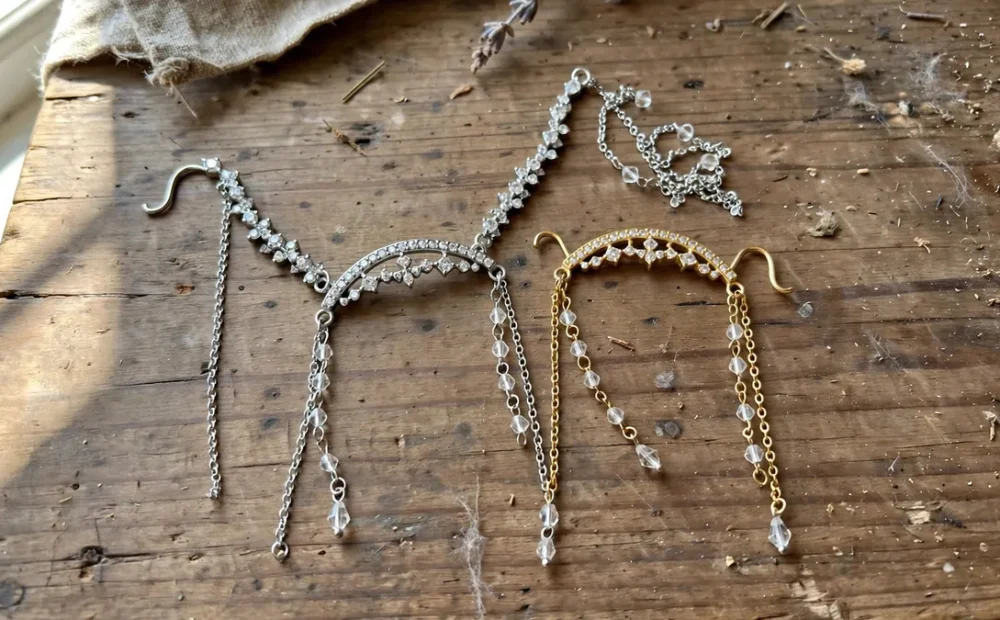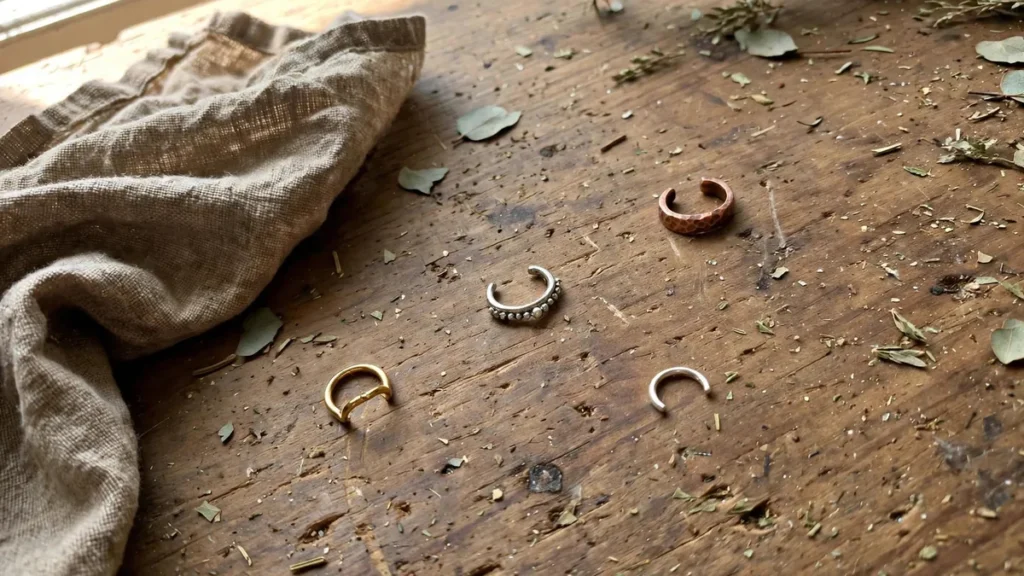
A nose cuff lets you wear nose jewellery without a piercing, but not all cuffs stay on the nose in the same way. The two main types are clip-on cuffs, which grip the nostril with gentle pressure, and magnetic cuffs, which hold with two small magnets on either side of the nostril. Both look the same from the front.
Clip-on cuffs are the classic choice: simple, cheap and widely available, and you can adjust most of them by opening or closing the curve. Magnetic cuffs are newer and easier to put on, because you place one magnet inside the nostril and one outside, and they snap together. That ease has its own limits, and a magnetic cuff is not right for every nose or occasion.
Below are nine comparisons that matter in 2027, from putting the cuff on and keeping it there to comfort, cost and durability. Each one looks at clip-on and magnetic cuffs honestly, so you can pick the cuff you will actually enjoy wearing.
Key takeaways
- Clip-on nose cuffs grip with pressure and can be adjusted, while magnetic nose cuffs hold with two magnets and are quicker to put on.
- Magnetic cuffs are easier for beginners, but clip-on cuffs are more secure for long days, dancing and exercise.
- A clip-on that is too tight will pinch, and a magnetic cuff that is too weak will slip, so fit matters most.
- Magnetic cuffs should be kept away from phones, cards and pacemakers, and both types should be removed before sleeping or swimming.
- Cheap cuffs in either style wear out fast, so buy for wearing, not for keeping.
What clip-on and magnetic nose cuffs actually are
A clip-on nose cuff is a small open ring or curved band that slides over the nostril and holds itself in place. Most are metal wire, often gold, silver or stainless steel, and the decorative front can be a bead, a small gemstone, a hoop or a flat disc. You put it on by sliding it into place and, if adjustable, gently squeezing or opening it until it feels secure.
A magnetic nose cuff works differently. It has two small magnets, one inside the nostril and one outside, and they hold each other through the skin. The visible front is usually a small stud, gem or hoop on the outer magnet. There is no pressure on the nostril, which is why many people find magnetic cuffs more comfortable at first.
Both types come in a wide range of styles, from plain thin hoops to cuffs set with crystals or pearls. The choice is not about which one looks better, because from the front they can look almost identical. It is about how you want to put it on, how long you want to wear it, and how much security you need.
How we chose these comparisons and what to look for
Look first at the grip. A clip-on cuff should hold firmly without pinching, and you should be able to adjust it slightly. A magnetic cuff should snap together firmly, and stay put when you talk or move your head. Our guide to necklaces for women explains how to judge a clasp before you buy, and the same habit applies here.

Look next at the metal and the magnets. The part that touches your skin should be solid gold, sterling silver or surgical steel, especially if your skin is sensitive. For a magnetic cuff, check that the magnets are coated, because bare magnets can irritate skin and corrode with sweat. A clear metal and magnet description helps.
Finally, look at the size and the decoration. A small, light cuff is easier to keep on in either style, because there is less weight on the nostril. A heavy stone or a large hoop is more likely to slip, especially a magnetic cuff. Choose a light design for your first cuff.
The 9 comparisons that matter in 2027
First impressions and how they look on the nose
What we like: Both types look the same from the front, so the choice does not change your look. A clip-on cuff can sit slightly flatter, while a magnetic cuff can look more like a real stud. What to consider: A magnetic cuff can show a small bulge inside the nostril, and a thick clip-on can look bulky from the side. Best for: Either type for a first try, magnetic for a stud look, clip-on for a hoop look. Material: Sterling silver, solid gold or surgical steel for either type. Price range: About £8 to £40 for a simple cuff in either style. Standout feature: From the front, the two types are almost impossible to tell apart.
Ease of putting it on and taking it off
What we like: A magnetic cuff is the easiest to put on: place one magnet inside, one outside, and they snap together in seconds. A clip-on takes a little practice, but once you know the angle, it goes on in a moment. What to consider: A clip-on can be fiddly the first few times, and a magnetic cuff needs two hands and a mirror until you get used to it. Best for: Magnetic for beginners, clip-on once you know the fit. Material: Coated magnets for magnetic cuffs; flexible wire for adjustable clip-ons. Price range: About £10 to £30 for an easy-to-use cuff. Standout feature: Magnetic wins on speed, clip-on wins once you have the knack.
Security and what stays put
What we like: A well-fitted clip-on cuff is very secure, because the spring pressure holds it even when you move, laugh or dance. A strong magnetic cuff is secure for normal wear, and does not loosen over the day the way a clip-on can. What to consider: A magnetic cuff can slip if the magnets are weak, the nostril is thick, or the cuff is heavy, and a clip-on can loosen if bent too often. Best for: Clip-on for long days, dancing and exercise; magnetic for short, calm wear. Material: Spring steel or sturdy wire for clip-ons; strong coated magnets for magnetic cuffs. Price range: About £15 to £50 for a secure cuff. Standout feature: Clip-on is the safer choice when you cannot afford to lose the cuff.
Comfort and how it feels all day
What we like: A magnetic cuff presses nothing, so it can feel like wearing nothing at all. A well-fitted clip-on is also comfortable, and many people forget it after an hour. What to consider: A clip-on that is too tight will pinch and leave a mark, and a magnetic cuff can feel strange at first, with a slight pulling feeling on the nostril. Best for: Magnetic for sensitive noses, clip-on for a firm, secure feel. Material: Lightweight sterling silver or thin gold for either type. Price range: About £10 to £40 for a comfortable cuff. Standout feature: Magnetic wins on comfort at first, clip-on wins once it is fitted to you.
Versatility: dressing it up or down
What we like: Both types come in plain and jewelled designs, so either can be dressed up for an evening or kept simple for daytime. A magnetic cuff is easy to swap during the day, so you can change from plain to jewelled in seconds. What to consider: A clip-on needs a moment to adjust each time you put it on, so swapping styles takes longer, and a heavy magnetic cuff can slip when you change outfits. Best for: Magnetic for quick style changes, clip-on for one look all day. Material: Small crystal or pearl for evenings; plain metal for daytime. Price range: About £12 to £45 for a versatile cuff. Standout feature: Magnetic is the easier type to swap, clip-on is the easier type to wear all day.
Durability and what can go wrong
What we like: A clip-on has no parts to lose, and a solid metal one can last for years. A magnetic cuff has no spring to weaken, so it does not loosen with age. What to consider: A clip-on can snap if it is bent too often, and a magnetic cuff can lose a magnet, corrode if the coating wears off, or demagnetise near strong magnets. Best for: Clip-on for long-term use, magnetic for gentle, occasional wear. Material: Solid metal for clip-ons; coated, sealed magnets for magnetic cuffs. Price range: About £15 to £60 for a durable cuff. Standout feature: Clip-on is simpler and harder to break, magnetic needs more careful handling.
Cost for one cuff and for a set
What we like: Clip-on cuffs are usually cheaper, because they are a simple piece of bent metal, so you can buy several for little. Magnetic cuffs cost a little more, because of the magnets, but they are still affordable. What to consider: A very cheap magnetic cuff often has weak magnets, which is the one thing you should not save on. Best for: Clip-on for building a small collection, magnetic for one reliable piece. Material: Sterling silver or surgical steel for value in either type. Price range: Clip-on cuffs about £5 to £30 each, magnetic cuffs about £10 to £45 each. Standout feature: Clip-on gives you more styles for less money, magnetic costs a little more for the convenience.
Matching outfits and occasions
What we like: A clip-on cuff suits long events, weddings and evenings, because it stays put for hours. A magnetic cuff suits short events, photos and trying a new look, because it goes on and off so easily. What to consider: A magnetic cuff is a poor choice for a long, active day, and a clip-on can be a poor choice if you need to take it off quickly. Best for: Clip-on for weddings, long dinners and dancing; magnetic for photos, parties and short outings. Material: Small solid gold or silver for formal occasions; crystal for evenings. Price range: About £15 to £50 for an occasion cuff. Standout feature: Clip-on is the reliable choice for a long occasion, magnetic is the flexible choice for a short one.
Keeping it afterwards as a keepsake
What we like: A well-made clip-on in solid metal can be kept for years, and makes a simple keepsake of a first try at nose jewellery. A magnetic cuff is also easy to keep, because it has no spring to weaken. What to consider: Magnets can lose strength over time, especially near other magnets or electronics, and cheap cuffs in either style have little keeping value. Best for: Clip-on for a keepsake, magnetic for a memory rather than a long-term piece. Material: Solid gold or sterling silver for the best keepsake in either type. Price range: Solid metal cuffs from about £20, magnetic cuffs from about £15. Standout feature: Clip-on keeps better over time, magnetic keeps better if you never wear it.
Which nose cuff is right for you
Start with how you will use it. If you want a cuff for long days, dancing, or a wedding that lasts all evening, a clip-on is safer, because it holds with pressure and does not depend on magnets. If you want a cuff for a quick try or a short evening out, a magnetic cuff is easier.
Next, think about your nose. A thicker nostril can weaken the hold of a magnetic cuff, because the magnets have further to reach. A thinner nostril suits either type. If you are not sure, try a magnetic cuff at home first, and see whether it stays put when you talk. A guide to gold anklets makes the same point: a piece that looks good is only worth buying if it stays where you put it.
Finally, think about comfort. If you dislike pressure on your nose, a magnetic cuff will feel better. If you dislike the feeling of something pulling, or you worry about losing a cuff, a clip-on will feel more secure. There is no wrong answer, only the one that suits you.
The caveats that matter
Both types of nose cuff are low-risk, but both have limits. A clip-on that is too tight can pinch, leave a mark, or irritate the skin, especially if you wear it for many hours. A magnetic cuff can slip without warning, and its magnets should be kept away from phones, bank cards and pacemakers. Neither type should be worn while sleeping or swimming, or if the skin on your nose is cut, sore or irritated.
| Detail | What is known |
|---|---|
| Easiest to put on | Magnetic, which snaps together in seconds |
| Most secure for long wear | Clip-on, which holds with spring pressure |
| Most comfortable at first | Magnetic, which presses nothing on the nose |
| Best for dancing and exercise | Clip-on, which is less likely to slip |
| Best for quick style changes | Magnetic, which swaps in seconds |
| What can go wrong | Clip-ons can snap if bent too often; magnets can weaken or corrode |
| Who should avoid magnetic cuffs | Anyone with a pacemaker, and anyone with a very thick nostril |
| What neither type does | Neither type stays on while sleeping or swimming |
If you have a pacemaker, do not wear a magnetic nose cuff, and check with your clinician if you are unsure. If a cuff hurts, slips, or leaves a red mark, take it off and try a different type or size.
Checklist: choosing between clip-on and magnetic
Use these checks before you buy, and again after a day of wearing it.
- Check the hold: a clip-on should grip without pinching, and a magnetic cuff should snap together.
- Check the metal: solid gold, sterling silver or surgical steel, with coated magnets on a magnetic one.
- Check the weight: a light cuff stays on better in either style, so start small.
- Check your day: clip-on for long, active days, magnetic for short ones.
- Check your nose: a thicker nostril suits a clip-on better, because magnets reach less well through it.
- Check the magnets: keep a magnetic cuff away from phones, cards and pacemakers, and remove both types before sleep or swimming.
Frequently asked questions
Are magnetic nose cuffs safe?
For most people, yes, if the magnets are coated and the cuff is removed before sleeping or swimming. Keep magnetic cuffs away from phones and bank cards, and do not wear one if you have a pacemaker. If the coating is damaged, replace the cuff.
Do clip-on nose cuffs hurt?
They should not, if the fit is right. A clip-on that pinches or leaves a mark is too tight, so open it slightly or choose a larger size. A well-fitted clip-on feels secure but not painful, and most people forget it after an hour.
Will a magnetic nose cuff fall off?
It can, if the magnets are weak, the nostril is thick, or the cuff is heavy. Choose strong, coated magnets, keep the design light, and test it at home before wearing it out. For long or active days, a clip-on is safer.
Can I wear a nose cuff every day?
Yes, in either style, as long as it is comfortable and the metal suits your skin. Take it off at night and before swimming, clean it regularly, and give your nose a rest if the skin feels sore.
Can I wear a nose cuff with glasses?
Yes, in most cases. A small cuff sits on the nostril, away from where glasses rest, so they rarely interfere. If your glasses sit low or your cuff is large, try both together at home first. A guide to luxury watches shows the same principle: a small piece sits comfortably alongside the things you already wear.
Which type is better for a first nose cuff?
A magnetic cuff is the easier first try, because it goes on in seconds and presses nothing on the nose. A clip-on is the better first buy if you plan to wear it often, because it is cheaper, more secure and easier to keep. If you are unsure, start with a light magnetic cuff.
The bottom line
The best nose cuff in 2027 is the type that suits your nose, your day and your comfort. Clip-on cuffs are cheaper, more secure and better for long, active days. Magnetic cuffs are quicker to put on, gentler on the nose and easier to swap, but they are less secure and need more care.
Try a magnetic cuff first if you want the easiest start, and try a clip-on if you want a cuff you can wear all day without thinking about it. Check the metal, test the hold at home, and choose the one that stays put and feels comfortable.