
Single vs Double Nose Cuffs 2027: 9 Comparisons That Matter
A nose cuff is the no-piercing answer to nose jewellery. It clips or presses gently onto the side of the nose, sits where a nostril ring would, and comes off at the end of the day. There is no needle, no healing time, and no permanent hole. That freedom is why nose cuffs have become a favourite for evenings out, weddings, and festivals.
The choice most shoppers face is not whether to buy a nose cuff, but which shape to buy. A single nose cuff is one slim band that hugs one nostril. A double nose cuff has two connected bands, usually one on the nostril and one that curves toward the bridge or sits as a pair on the same side. They look related, but they wear differently, cost differently, and suit different occasions.
Below are nine comparisons that matter in 2027, from first impressions and comfort to security, cost, and care, so you can choose the cuff that fits your nose, your outfit, and your day.
Key takeaways
- A single nose cuff is one slim band on one nostril; a double nose cuff has two connected bands and makes a bolder statement.
- Singles are lighter, easier to wear all day, and more forgiving on smaller noses, while doubles suit larger features and evening looks.
- Comfort depends on the fit and the metal more than the style: a cuff that is too tight will pinch, and a cuff that is too loose will slip.
- Gold, silver, and titanium are the most reliable metals, and a cuff with a smooth, rounded edge is kinder to skin than a sharp one.
- No nose cuff suits every nose, and a cuff that slides, pinches, or leaves a mark after an hour is the wrong size, not a sign to push through it.
What single and double nose cuffs actually are
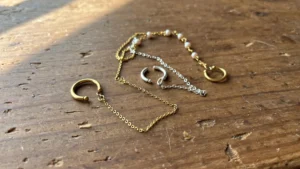
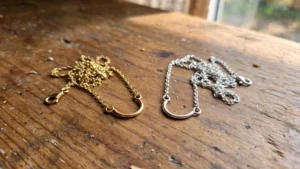
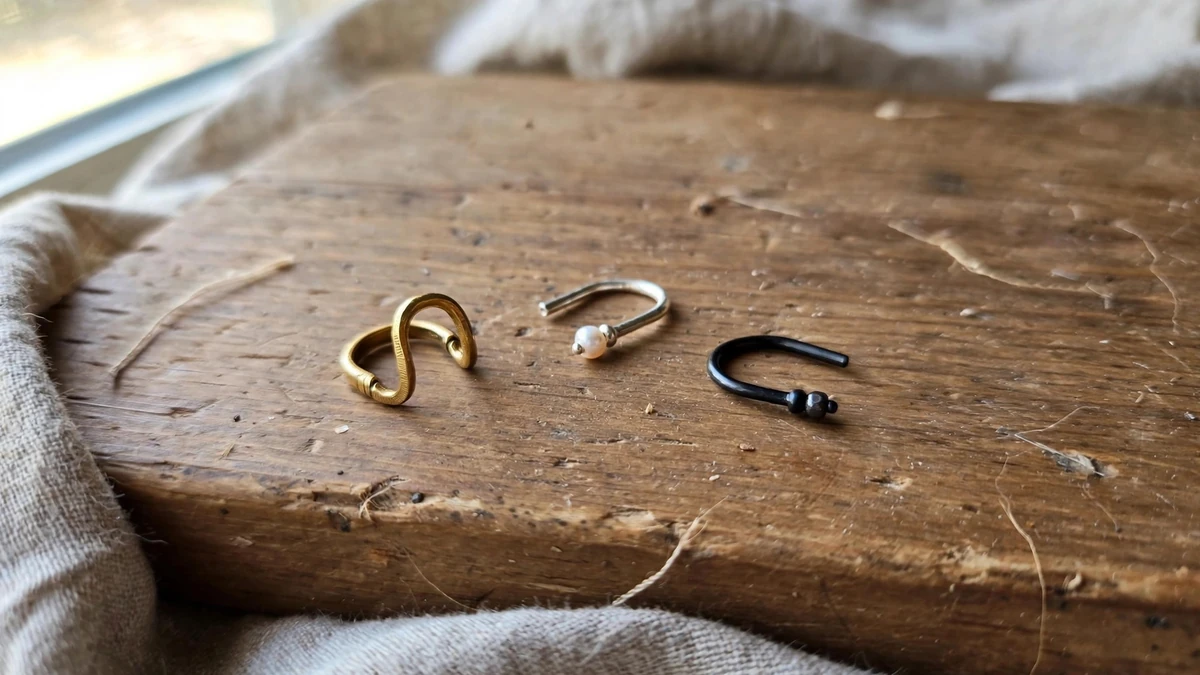
A single nose cuff is a small open ring, usually in gold, silver, or titanium, shaped to grip the nostril from the outside. It slides on from the side, rests on the curve of the nose, and stays in place with gentle tension. Most singles are slim, between one and two millimetres wide, and weigh almost nothing.
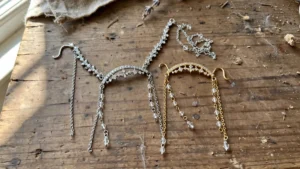
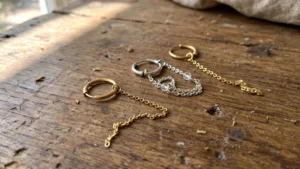
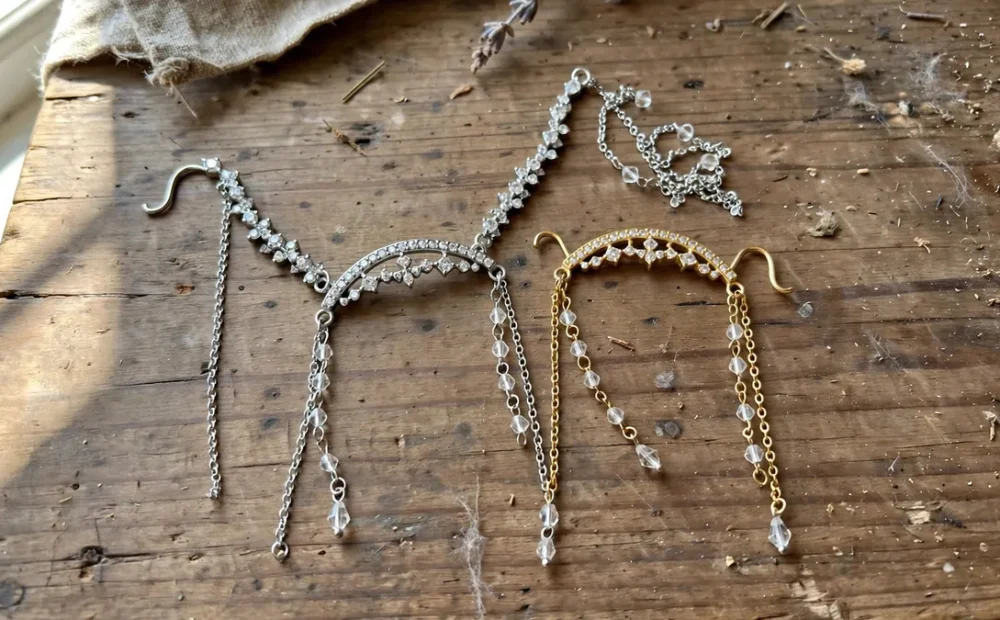
A double nose cuff adds a second band, joined by a small bridge or chain. The two bands sit as a pair on the same nostril, or with one band on the nostril and the second curving toward the bridge. The effect is more decorative and more visible, and it is usually chosen for evenings, photographs, and occasions where the jewellery is meant to be noticed.
A second band adds a little weight, a little more contact with the skin, and a little more to keep in place.
How we chose these comparisons and what to look for
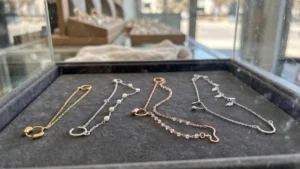
Look first at the metal and the finish. Gold, silver, and titanium are the safest everyday choices, because they are less likely to irritate skin and they hold their shape. A cuff with a smooth, rounded edge sits more comfortably than one with a sharp edge, and thin plating over a cheap base metal can flake with wear. Our guide to gold jewellery for everyday wear explains why solid or well-plated gold is worth the small premium when a piece sits against skin all day.

Look next at the tension and the size. A nose cuff should grip firmly enough to stay put when you smile or talk, but gently enough that you forget it is there after a few minutes. Most cuffs are sold in small, medium, and large, and the right size depends on the thickness of your nostril. A red mark after an hour means it is too tight; sliding when you laugh means it is too loose.
Finally, look at the closure and the design. A plain open band is the simplest and the most reliable. A cuff with a small bead, a crystal, or a chain between two bands adds decoration but also adds weight.
The 9 comparisons that matter in 2027
First impressions and how they look on the nose
What we like: A single cuff looks delicate and effortless, like a fine nostril ring, and it suits almost every face. A double cuff looks deliberate and decorative, and it photographs beautifully. What to consider: A double cuff draws the eye to the nose, which is the point for an evening look but can feel like too much for a quiet daytime outfit. Best for: Singles for everyday wear and first-time buyers; doubles for evenings, weddings, and photographs. Material: Gold, silver, or titanium in either style. Price range: Singles from about £8 to £45; doubles from about £15 to £80. Standout feature: The single is subtle; the double is a statement.
Comfort and how they feel all day
What we like: A well-fitted single cuff is so light that most people forget it within minutes. A well-fitted double cuff distributes its pressure across two points, which can feel more secure than a single point. What to consider: A double cuff has twice as much contact with the skin, so a poor fit is felt twice, and the extra weight can become noticeable after several hours. Best for: Singles for long days and sensitive skin; doubles for shorter evenings. Material: Titanium is the lightest option; gold is heavier but warmer against skin. Price range: Singles from about £8 to £45; doubles from about £15 to £80. Standout feature: The single wins on all-day comfort; the double wins on presence.
Security and what stays put
What we like: A single cuff with the right tension stays put through talking, smiling, and eating. A double cuff has two points of contact, so if one band shifts, the other often holds it in place. What to consider: A double cuff is heavier, so it is more likely to slide on oily skin or during exercise, and a loose double cuff can swing slightly. Best for: Singles for active days; doubles for still occasions such as dinners and photographs. Material: Titanium holds its tension well; soft gold can loosen with repeated bending. Price range: Singles from about £8 to £45; doubles from about £15 to £80. Standout feature: Two points of contact give the double cuff a backup, but the single is lighter and less likely to move.
Ease of putting it on and taking it off
What we like: A single cuff slides on in seconds, with one hand and no mirror. A double cuff takes a little longer, but once you know the angle, it goes on almost as quickly. What to consider: A double cuff needs both bands lined up at once, which can be fiddly the first few times, and a chained double can tangle if it is stored carelessly. Best for: Singles for quick changes and beginners; doubles once you are comfortable with the fit. Material: A slightly springy metal such as titanium is easier to adjust than a stiff one. Price range: Singles from about £8 to £45; doubles from about £15 to £80. Standout feature: The single is the easiest nose jewellery to put on; the double rewards a little practice.
Versatility: dressing it up or down
What we like: A single cuff works with almost anything, from a plain T-shirt to a formal dress, because it is small enough not to compete with the rest of your outfit. A double cuff is a natural partner for evening wear, festive outfits, and occasions where jewellery is part of the look. What to consider: A double cuff can overwhelm a minimal outfit, and a single cuff can disappear entirely in a very ornate one. Best for: Singles for everyday and work; doubles for evenings, weddings, and festivals. Material: Silver suits cool, minimal outfits; gold suits warm, formal ones. Price range: Singles from about £8 to £45; doubles from about £15 to £80. Standout feature: The single is the more versatile piece; the double is the more dramatic one.
Durability and what can go wrong
What we like: A plain single cuff has almost nothing to break. A well-made double cuff is equally sturdy if the join between the two bands is solid. What to consider: The join or chain on a double cuff is its weak point, and a thin chain can kink or snap. Soft metals bend out of shape if the cuff is pulled off roughly. Best for: Singles for daily wear and travel; doubles for occasions, stored carefully in a pouch. Material: Titanium and stainless steel are the toughest; gold and silver need gentler handling. Price range: Singles from about £8 to £45; doubles from about £15 to £80. Standout feature: The single is the tougher design; the double needs a little more care.
Cost for one cuff and for a set
What we like: Singles are cheaper, so you can buy two or three in different metals for the price of one double. Doubles cost more, but they read as a complete piece of jewellery on their own. What to consider: A very cheap double cuff often means a thin join or poor plating, which is where it will fail first. Best for: Singles for building a small collection on a budget; doubles as a single special purchase. Material: Titanium singles are often the best value; gold doubles are the most expensive. Price range: Singles from about £8 to £45; doubles from about £15 to £80. Standout feature: The single is better value; the double is a bigger statement per pound.
Matching outfits and other jewellery
What we like: A single cuff matches almost any other jewellery, because it is small and quiet. A double cuff pairs well with other statement pieces, such as bold earrings or a layered necklace, because it holds its own. What to consider: A double cuff with large earrings and a heavy necklace can tip an outfit from decorated into crowded. Best for: Singles with delicate jewellery; doubles with evening and festive outfits. Material: Match the metal to your other jewellery for a pulled-together look. Price range: Singles from about £8 to £45; doubles from about £15 to £80. Standout feature: The single is the easy match; the double is the centrepiece.
Keeping it afterwards as a keepsake
What we like: A good nose cuff, single or double, keeps its shape and finish for years if it is stored well. A double cuff in gold is more likely to feel like a keepsake, because it is a more substantial piece. What to consider: Plated cuffs lose their finish over time, and a bent double cuff is harder to reshape than a bent single. Best for: Singles as everyday pieces you replace without regret; doubles in solid gold or silver as keepsakes. Material: Solid gold or silver holds value best; plated pieces are for wearing now, not keeping. Price range: Singles from about £8 to £45; doubles from about £15 to £80. Standout feature: The double in a good metal is the keepsake; the single is the everyday favourite.
Which nose cuff is right for you
Start with your nose. A smaller, narrower nose usually suits a single cuff, because the band sits neatly on the nostril without crowding it. A larger nose can carry a double cuff more easily, because there is more room for two bands. Face shape matters less than nose size.
Think next about how you will wear it. If you want a piece you can put on every morning and forget about, a single cuff in titanium or gold is the honest choice. If you want a piece for evenings and photographs, a double cuff in gold or silver is the better choice.
Finally, consider the rest of your jewellery. A nose cuff sits close to earrings, so the two should not fight. A single cuff pairs well with almost any earring. A double cuff pairs best with simple earrings, because two statement pieces near the face can compete. Our roundup of the best nose rings for women is a useful comparison, because the same questions of size and metal apply to pierced and clip-on styles alike.
The caveats that matter
A nose cuff is low-risk, but not risk-free. The main problems are pressure from a cuff that is too tight, slipping from one that is too loose, and irritation from cheap alloys, usually nickel, or from a rough edge.
| Detail | What is known |
|---|---|
| What a single cuff is | One slim band on one nostril, light and subtle |
| What a double cuff is | Two connected bands, bolder and more decorative |
| Best for all-day wear | Single, because it is lighter and has less skin contact |
| Best for evenings | Double, because it is more visible and photographs well |
| Most common problem | Wrong size: too tight pinches, too loose slips |
| Metals to choose | Gold, silver, or titanium; avoid cheap alloys with nickel |
| How long to wear it | Take it off at night and after a few hours if it feels tight |
| What it does not do | It does not replace a piercing, and it will not stay put if the fit is wrong |
If you have sensitive skin or a nickel allergy, choose titanium or solid gold, and test the cuff on your arm for a day first. If it leaves a mark that does not fade within an hour, stop wearing it.
Checklist: choosing between a single and a double nose cuff
Use these checks before you buy, and again after your first hour of wear.
- Check your size: measure the thickness of your nostril where the cuff will sit, and buy the matching size.
- Check the metal: gold, silver, or titanium, with no nickel if your skin is sensitive.
- Check the edge: it should be smooth and rounded, with no sharp or squared corner.
- Check the tension: it should need a gentle push to slide on and should not move when you smile.
- Check the occasion: a single for everyday wear, a double for evenings and photographs.
- Check the fit at home: wear it for an hour before an important event, and take it off if it pinches or slips.
Frequently asked questions
Do nose cuffs hurt?
No, a well-fitted nose cuff should not hurt. It may feel strange for the first few minutes, but that feeling should fade. If it pinches or leaves a mark, the size is wrong, and you should try a larger size.
Will a nose cuff fall off?
It can, if it is too loose or if your skin is oily. A cuff that fits properly should stay put through talking, smiling, and eating. If yours slips, try a smaller size and clean the skin first.
Can I wear a nose cuff every day?
Yes, a single cuff in a good metal is fine for daily wear, as long as you take it off at night. A double cuff is better kept for shorter wear, because it has more contact with the skin and more weight.
Do nose cuffs work on all nose shapes?
Mostly yes, but size matters more than shape. A single cuff suits almost every nose, while a double cuff needs a little more room. If a double feels crowded on your nose, a single is the better choice.
Are nose cuffs safe for sensitive skin?
Usually yes, if you choose the right metal. Titanium and solid gold are the safest options, and silver is generally well tolerated. Avoid cheap alloys, which often contain nickel, and test any new cuff on your arm for a day first. Our guide to the best pearl necklaces for women covers the same metal and sensitivity questions.
How do I clean a nose cuff?
Wash it with warm water and a drop of mild soap, rinse it, and dry it with a soft cloth. Do not use harsh cleaners on plated cuffs, because they can strip the finish. Store it flat in a pouch, so the bands do not bend or tangle.
The bottom line
A single nose cuff is the easier piece to live with: lighter, cheaper, and more forgiving on fit. A double nose cuff is the bolder piece: more decorative, more visible, and better suited to evenings, photographs, and occasions where the jewellery is meant to be seen. The right choice is the one that fits your nose, suits your outfit, and feels like nothing after a few minutes.
Buy a single first, in gold, silver, or titanium, and learn your size. If you love the look and want more presence, add a double for evenings.