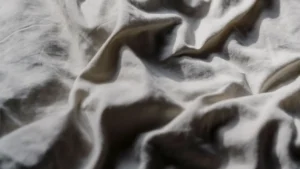

A velvet bedding set asks more of its owner than any other bedding in the house. It is slept under every night, pressed flat for hours at a time, warmed by body heat, and marked by everything skin leaves behind. The pile that makes it look so deep and expensive records all of that, night after night.
The good news is that a velvet bedding set does not need constant washing, just a short routine in the right order and a calm response when something spills. The damage owners complain about most, crushed pile, faded colour and water rings, usually comes from washing too hot, tumble-drying, or ironing.
This guide covers the full routine, from the care label to out-of-season storage, for real bedding sets: duvet covers and pillowcases, flat and fitted sheets, and quilt and bedspread sets, in cotton, silk, crushed and polyester velvet.
- Key takeaways: Shake and smooth the set every morning, and air the bed before making it, so moisture does not settle into the pile.
- Wash velvet bedding cold and gentle, one piece at a time, turned inside out with closures fastened, and never use fabric softener or bleach.
- Blot spills at once with a clean white cloth, from the outside in, and never rub: rubbing pushes the mark deeper and flattens the pile.
- Steam revives crushed pile and smooths creases; a hot iron is the one tool that should never touch velvet bedding.
- No home routine rescues a set already scorched, shrunk in a hot wash or eaten by moths; a dry-clean-only label should be followed, not tested.
What Caring for a Velvet Bedding Set Actually Involves
A velvet bedding set is three things at once, which is what makes its care different from a cushion, a curtain or a suit. There is the velvet cover you sleep against, the duvet or filling inside it, and the pillowcases that take the most wear of all.
The second difference is time. Bedding is pressed under a sleeping body for hours every night, so the pile crushes exactly where shoulders and hips rest, and the fabric absorbs warmth and moisture while you sleep. Our roundup of the best luxury velvet bedding sets of 2027 explains the fibres and set types in full: read it before you wash anything, because the fibre decides the method.
Read the Label and Build Your Care Kit

Before you wash, spot-clean or steam a velvet bedding set, find the care label sewn into the duvet cover and inside each pillowcase. It names the fibre and the cleaning instruction: machine washable, hand washable, dry clean only, or spot clean only. If the label is missing, treat the set as dry clean only.
The label may also carry a letter code: W means a water-based cleaner is allowed, S means solvent only, WS means either, and X means vacuum only. Silk velvet is almost always dry clean only, cotton velvet is the most forgiving natural fibre, and polyester velvet is the easiest to live with. The kit is small: a soft brush, a vacuum with a soft attachment, white cloths, a handheld steamer, and mild dye-free detergent.
The Nightly Routine: Shake, Smooth and Air
The morning routine takes about three minutes and does more for a velvet bedding set than any wash. Start by pulling the duvet cover back and letting the bed air for twenty minutes before you make it. Sleeping leaves warmth and moisture in the pile, and making the bed at once traps both.
Next, shake the duvet cover gently while it is still on the duvet, lifting it at the corners, then smooth the pile with your hand, working from the centre outwards. Brush lightly against the pile once and with it once, which lifts the fibres and lays them even again. Do the same for each pillowcase, and turn the pillows over every few nights.
Washing a Velvet Duvet Cover and Pillowcases
Wash velvet bedding less often than cotton bedding, and wash the pieces separately. Pillowcases need washing every one to two weeks, because they collect skin oils and hair products, while a duvet cover can go three to four weeks between washes if it is aired daily.
When a wash is due, take the duvet out of its cover and wash the cover alone, one piece at a time. Turn it inside out, fasten every zip or button, and shake the dust out before it goes in the machine. Use cold water on a delicate cycle with a small amount of mild, dye-free detergent. Hot water is what shrinks cotton velvet and sets creases into polyester velvet,. Never add fabric softener or bleach: softener coats the pile and flattens it, and bleach attacks both the colour and the fibres. For silk velvet, skip the machine entirely and take the set to a dry cleaner. Our guide to the best luxury silk bedding sets of 2027 sets out which silk pieces are dry clean only and why.
Drying Without Flattening the Pile
How velvet bedding dries matters as much as how it is washed. Never wring a velvet duvet cover or pillowcase: twisting crushes the pile in folds that steam struggles to lift. Press the water out gently by rolling the piece in a clean, dry towel, then reshape it while it is still damp.
Line drying is the safest route. Hang the cover by its strongest edge, out of direct sun, with air moving around it, and give it a shake every hour or so while it dries. If you must use a dryer, choose the lowest heat and the gentlest setting, and take the cover out while it is still slightly damp. Let every piece dry fully before it goes back on the bed.
Spot-Cleaning Spills and Stains by Type
Speed matters more than technique when something lands on velvet bedding. Blot the spill at once with a clean, dry, white cloth, pressing straight down and lifting, never rubbing, working from the outside in so it does not spread. Keep blotting with fresh parts of the cloth until nothing more transfers.
For a stubborn mark on a piece the label allows to wet-clean, mix a little mild, dye-free detergent with cool water, dampen a white cloth, and dab from the outside in. The cloth should be damp, not wet, and the fabric should never feel soaked. If the mark is still there after two or three gentle attempts, stop: repeated wetting causes water rings far harder to remove than the original stain. Some stains need a specialist: body oils respond to cornflour left for a few hours then brushed away, while red wine, coffee, ink and blood need a dry cleaner the same day.
Steaming Crushed Pile and Creases Back to Life
Crushed pile worries owners most, and it is also the most satisfying to fix. Steam relaxes the fibres so a brush can stand them up again. Hold a handheld steamer a few inches away and pass it slowly over the crushed area, then brush gently against the pile and let the bedding dry before anyone lies on it.
Never hold the steamer head against the velvet, and never press it with an iron: direct contact flattens the pile and can leave a permanent shiny patch, and a hot iron can scorch silk velvet in seconds. Steam also freshens a set between washes: one slow pass over the cover and pillowcases, a brush, and an hour of airing takes out the stale smell of a warm bedroom without a full wash.
Sun, Body Oils and Everyday Wear
Sunlight is the slowest damage a velvet bedding set suffers, and the hardest to undo. A bed near a bright window fades unevenly: the side facing the glass pales first, and the pale patch cannot be brushed out. Keep the bed out of strong direct sun, and rotate the duvet cover end to end every few weeks so any fading stays even.
Body oils are the fastest build-up. Night creams, hair oils and skin products transfer to pillowcases first, then to the top edge of the duvet cover, and they flatten the pile where they sit. A plain cotton pillow protector under the velvet pillowcase catches most of it. Pets add their own wear, so keep a lint roller by the bed if pets sleep on it.
Storing a Velvet Bedding Set Between Seasons
Velvet bedding is warm by nature, so many owners put the set away for the summer and bring it back when the nights turn cool. Wash or dry-clean the set before storing it: a stain left for months sets far harder than a fresh one, and body oils left in the pile attract moths.
Fold the set loosely rather than pressing it flat, and store it in a breathable cotton bag, not a sealed plastic one. Slip a sheet of acid-free tissue between the folds, add cedar blocks or lavender sachets for moth protection away from direct contact with the fabric, and store the set flat, out of heat and damp. Our guide to how to create a luxury bedroom covers the styling that keeps a velvet bed looking its best.
The Caveats That Matter
| Detail | What is known |
|---|---|
| Silk velvet | Almost always dry clean only; water leaves rings. |
| Cotton velvet | Most washable natural velvet; wash cold and gentle. |
| Polyester velvet | Easiest to live with; often machine washable. |
| Crushed velvet | A finish, not a fibre; check the fibre underneath. |
| Fabric softener and bleach | Both damage the pile; never use either. |
| Sun and fading | Fades unevenly in strong sun; rotate the cover. |
| Ironing | Scorches velvet; steam from a distance instead. |
| Who should avoid velvet | Anyone needing fully washable bedding may prefer linen. |
Checklist Before You Wash
- Read the care label on the cover and pillowcases, and photograph it.
- Take the duvet out, turn the cover inside out, and fasten every zip or button.
- Wash one piece at a time, cold and gentle, with mild dye-free detergent.
- Leave fabric softener and bleach out of the wash, and never wring velvet bedding.
- Dry flat or on a line, out of direct sun, until fully dry.
- Know when to stop: if the label says dry clean only, or a stain survives two attempts, take it to a professional.
Frequently Asked Questions
Can you wash a velvet duvet cover in the washing machine?
Only if the care label says so, most likely on cotton or polyester velvet. Wash one cover at a time, cold and gentle, inside out with the zip fastened.
How often should you wash velvet bedding?
Pillowcases every one to two weeks, a duvet cover every three to four weeks if the bed is aired daily.
How do you clean velvet bedding without water?
Shake and brush it dry, vacuum on low suction, and use a lint roller for pet hair. For body oils, dust cornflour over the mark, leave it for a few hours, then brush it away.
Why does my velvet bedding show marks where I sleep?
The pile leans where pressure falls, so the fibres catch the light differently. It is normal: steam from a few inches away, then brush against the nap and let it dry.
Can velvet bedding go in the tumble dryer?
Only on the lowest heat and gentlest setting, and only if the label allows it. Take the cover out while still slightly damp and line dry the rest.
How do you store a velvet bedding set for the summer?
Wash or dry-clean it first, fold it loosely with tissue between the folds, and keep it in a breathable cotton bag with cedar or lavender. Store it flat, out of heat and damp.
The Bottom Line
A velvet bedding set stays beautiful on a short routine, not a deep clean: air the bed each morning, shake and smooth the pile, wash cold and gentle when it is due, blot spills at once, and steam the pile when it flattens.
Start with the label, keep the kit small, and treat the set as three parts: cover, filling and pillowcases. Looked after this way, it keeps its colour, pile and softness for years.
Note: Care guidance here is general and does not replace the care label on your bedding set. If the label says dry clean only, follow it, and check the maker’s guidance before using water or steam.
Meet Our Experts
Our home and lifestyle editors cover luxury interiors, fabrics and seasonal styling, and review each guide against current boutique listings and published fabric guidance before it is published.
Why Trust BrassSmile
We describe fabrics, fits and care from verifiable specifications and published reviews, and we flag the caveats that matter, such as cleaning needs and pile care, rather than only the selling points. We do not accept payment for placement in our guides.
Sources
Byrdie, Vogue, Harper’s Bazaar, Elle Decoration, and published fabric and care guidance from luxury interiors houses.