
A silk duvet cover is a removable silk shell that fits over a duvet, the filled blanket that keeps you warm at night. The duvet goes inside it, and when the cover needs washing, the duvet itself stays clean underneath.
The confusion is understandable, because three different things share the word silk and sit on the same bed. A silk duvet is the filled insert. A silk bedding set is matching silk sheets and pillowcases. A silk duvet cover is neither: it is a single tailored case, usually sold with pillowcases, that dresses and protects the duvet you already own.
This guide explains what a silk duvet cover is: the cover itself, the silk it is made from, how it differs from a duvet and from a bedding set, the closures and sizes, and how to care for it.
Key takeaways
- A silk duvet cover is a removable cover for a duvet insert. It is not the duvet itself.
- A duvet cover set is usually one cover plus two pillowcases. It has no sheets, which is the main difference from a bedding set.
- Real cover silk is almost always mulberry silk, and the label should say 100% silk. A blend, or a polyester satin, is a different fabric even when it looks similar.
- The numbers that matter are weave and weight: most silk covers use charmeuse, and momme weight, usually 19 to 25, describes how heavy it is.
- Silk feels cool and smooth and slides rather than gripping, which suits hot sleepers — but no cover has been shown to prevent wrinkles or improve skin, so the composition label matters more than the word silk.
What a silk duvet cover actually is
A duvet cover is a large flat case, open along one edge, into which a duvet is slipped. Once the duvet is inside, the opening is closed with buttons, a zip or ties, and the cover becomes the surface you sleep under.
Its job is practical before it is decorative. A duvet insert is bulky, expensive and awkward to wash, and many silk-filled or down-filled inserts should not be machine washed at all. The cover takes the sweat, spills and nightly friction instead.
Most silk duvet covers are sold as a set with pillowcases, usually two, in the same silk and weave. Check the piece count before buying: a listing that says 3-piece normally means one cover and two pillowcases.
The fibre: what silk is and where it comes from
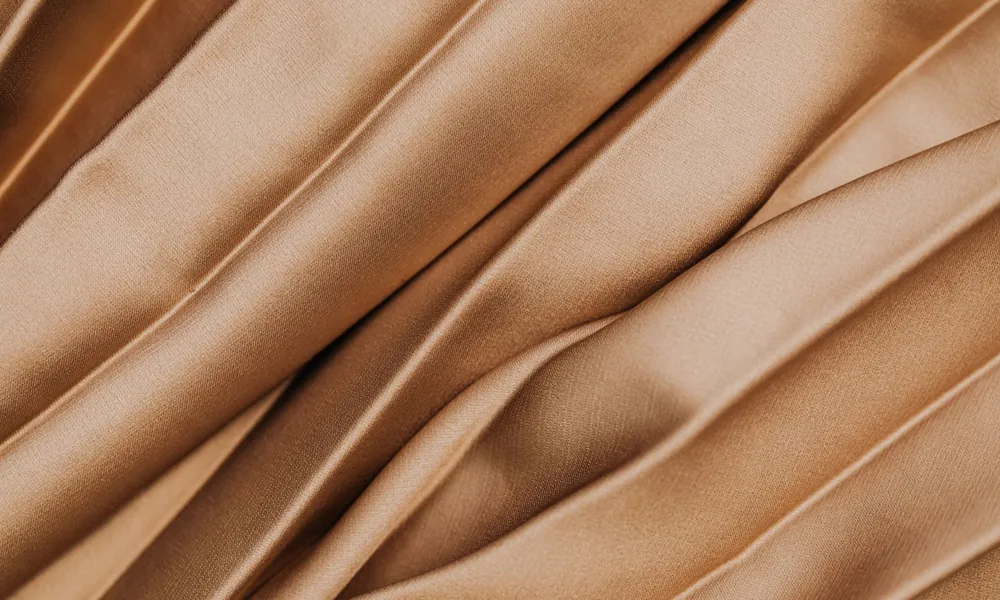
Silk is a natural protein fibre, spun by silkworms to form their cocoons. A single cocoon unwinds into one very long filament, sometimes close to a kilometre — a length that sets silk apart from plant fibres such as cotton, which come in short lengths that must be spun together. The long filament is why silk feels so smooth.
The filament is also why silk behaves as it does in bed. It is light, absorbs moisture without feeling damp, and lets air pass, so it feels cool on first contact, and its smooth surface slides against skin and hair instead of gripping. No bedding fabric has been shown to prevent wrinkles, clear skin or repair hair.
Most silk used for duvet covers is mulberry silk, from the Bombyx mori silkworm, fed only on mulberry leaves. The controlled diet produces long, uniform filaments, and an unnamed silk on a listing is usually mulberry.
A duvet cover is not a duvet — and not a bedding set
The duvet is the filled insert: a flat, quilted blanket stuffed with down, feathers, wool, silk floss or a synthetic fibre. It provides the warmth. The duvet cover is the empty shell that goes around it. Buying a silk duvet cover does not buy you a silk duvet, and a listing that shows a plump, lofty bed is showing the insert inside the cover, not the cover on its own. Our guide to what a silk bedding set is explains the other common grouping.
A bedding set is matching bed linen sold together: a flat sheet, a fitted sheet and two pillowcases, all in the same silk. It dresses the mattress and the pillows, and the duvet sits on top of it, usually in its own cover. A duvet cover set is different: a cover plus pillowcases, with no sheets.
There is also the comforter to untangle. In American use, a comforter is a filled blanket used on its own, without a cover. A duvet and its cover are the two-part version of the same idea.
Closures, sizes and fit
The opening of a duvet cover is closed in one of three ways. Buttons are the traditional closure, easy to repair, but they can gap if the duvet inside is thick. A concealed zip closes flat and keeps the duvet from escaping, though a cheap zip can snag silk. Fabric ties, or an envelope fold with no fastening at all, suit lighter covers best.
Inside the cover, look for corner ties or loops: short fabric loops sewn into the corners that tie to matching loops on the duvet insert, holding it in place. Without them the insert will drift, and silk’s smooth surface makes drifting worse.
The cover should match the duvet insert, not the mattress alone. A cover larger than its insert will hang loose; one smaller will pull the insert tight and strain the seams. Standard sizes run from single through double, king and super king. Measure the insert you already own before ordering, including its thickness.
Weave, weight and the numbers on the label
The weave is how the silk threads are put together, and for a duvet cover it is usually charmeuse, a satin weave with a glossy face and a matte back. The glossy face is what you sleep under, and what gives silk its shine and slide. Habotai is the other weave you may meet: lighter and plainer, with less sheen, used for lighter covers and linings.
Momme, written as mm, is the weight in pounds of a piece of silk 100 yards long and 45 inches wide. Cover silk usually runs from 19 to 25 momme. At 19 it is light and cool but thin and fragile; at 25 it is heavier, more opaque and more durable, but warmer and pricier. A weight of 22 is the common middle ground: smooth and substantial enough for nightly use, still cool.
Thread count does not apply to silk: it counts threads in cotton, and a silk listing quoting one is borrowing a number that means nothing for a filament fibre. Certification is more useful: OEKO-TEX Standard 100 means the finished fabric was tested for harmful substances.
Silk, satin and silk blends at a glance
| Detail | What is known |
|---|---|
| 100% mulberry silk, charmeuse | The standard: smooth, cool, glossy face; 19 to 25 momme. |
| Tussar silk | Real silk from wild silkworms; coarser, golden, less smooth. |
| Eri silk | Real silk, matte and soft, with little sheen. |
| Silk-cotton blend | Part silk, part cotton; easier to wash, less smooth, silk share varies. |
| Silk-linen blend | Part silk, part linen; breathable; the linen adds grip. |
| Polyester satin | Not silk at all: a satin weave in polyester. Shiny, but it traps heat and pills. |
| Cotton sateen | Cotton in a satin weave; smooth and glossy at a glance, but still cotton. |
| Habotai silk | A lighter, plainer weave with less sheen. |
Silk is a fibre; satin is a weave. A satin cover can be woven from silk, polyester or cotton, and only the silk version is silk. A polyester satin looks shiny like silk but traps heat.
Care basics
Silk care starts with the label. Many silk duvet covers are machine washable on a gentle cycle in cool water, with a mild detergent, inside a mesh laundry bag. Some covers are dry clean only, and the cover is washed far more often than the insert, so that is a real ongoing cost. Our guide to how to care for a silk bedding set covers washing and stain handling step by step.
Cool water, around 30 degrees, protects the fibre; hot water weakens it and can shrink it. Avoid bleach and fabric softener: bleach damages silk, softener dulls the sheen. Turn the cover inside out first so the glossy face is protected. Drying is where most silk is damaged: air drying flat or on a line, out of direct sunlight, is safest.
Day to day, the rule is to blot, never rub. Silk spots easily, and rubbing a mark pushes it into the fibre. Blot a spill at once with a clean cloth, then wash as soon as practical.
When a silk duvet cover works — and when it does not
A silk duvet cover works best for a hot sleeper. The fibre feels cool on first contact, lets air pass and absorbs moisture without feeling damp, so it suits warm rooms better than any other luxury cover. It also suits hair that tangles overnight and easily irritated skin, because the smooth surface slides instead of gripping. Our roundup of the best luxury silk bedding sets lists full sets by weight and price.
It works less well where it will be worked hard. Pets that sleep on the bed are the hardest case: claws snag silk, and a single pulled thread can run across a cover. Households with small children will find sticky hands and spilled drinks mark silk quickly. A cover also cannot fix a duvet that is wrong for the room. No cover compensates for a bad mattress, a bright room or an irregular sleep routine.
Checklist
- Read the composition label: it should say 100% silk, ideally naming mulberry silk.
- Check the piece count: a duvet cover set is usually one cover and two pillowcases, with no sheets.
- Check the closure: zip, buttons or ties, and corner ties inside to hold the insert.
- Check the weave and the weight: charmeuse is usual, 19 to 25 momme the range, 22 the middle ground.
- Measure your duvet insert before ordering: the cover should match the insert, not the mattress.
- Read the care label before buying: machine washable is easiest, dry clean only is a real cost.
Frequently asked questions
Is a silk duvet cover the same as a silk duvet?
No. A silk duvet is the filled insert, with silk floss inside a shell. A silk duvet cover is the empty silk case that goes around a duvet of any filling.
Does a silk duvet cover come with the duvet inside?
Usually not. A duvet cover is sold on its own or as a set with pillowcases, and the duvet insert is bought separately.
What size silk duvet cover should I buy?
Buy the size of your duvet insert, not your mattress. A cover larger than its insert hangs loose; one smaller pulls the insert tight and strains the seams.
Can you machine wash a silk duvet cover?
Many covers can be machine washed on a gentle cycle in cool water, with a mild detergent and a mesh bag. Some covers are dry clean only, so the care label is the rule.
Does a silk duvet cover help skin or hair?
It feels smoother than cotton, so it tugs less on hair and rubs less on skin. Those are comfort effects; no cover has been shown to prevent wrinkles, improve skin or repair hair.
How is a silk duvet cover different from a satin one?
Silk is a fibre, grown by silkworms; satin is a weave, a way of arranging threads so one face is glossy. A satin cover can be woven from silk, polyester or cotton, and only the silk version is silk. A polyester satin looks shiny like silk but traps heat.
The bottom line
A silk duvet cover is a removable silk shell for a duvet insert, usually sold with matching pillowcases and no sheets. The fibre makes it feel cool and smooth, the weave gives it its shine, and the weight decides how substantial it is. The rest of the listing — the closure, the size against your insert, the care instructions — decides whether it fits your bed and laundry habits.
Start with the label, not the name on the front. Check it says 100% silk, check the weave and momme weight, and check the care instructions before you buy. A cover is the simplest way to try silk in bed.
Note: Fibre types, weights and care guidance are general information, not a guarantee for any one product, and care varies by maker. Check the label before buying.
Meet our experts
Our home and lifestyle editors cover bedding, textiles and interiors, and check compositions, sizes and prices against brand listings before publishing. We do not invent test results.
Why trust BrassSmile
BrassSmile covers luxury living with the same checks on every guide: live listings, composition labels and care instructions read before writing, and prices and sizes checked against the brand’s own pages. Where a claim cannot be checked, we say so.
Sources
Silk fibre, weave and care guidance from the Textile Institute and published home coverage from Better Homes & Gardens and The Spruce.