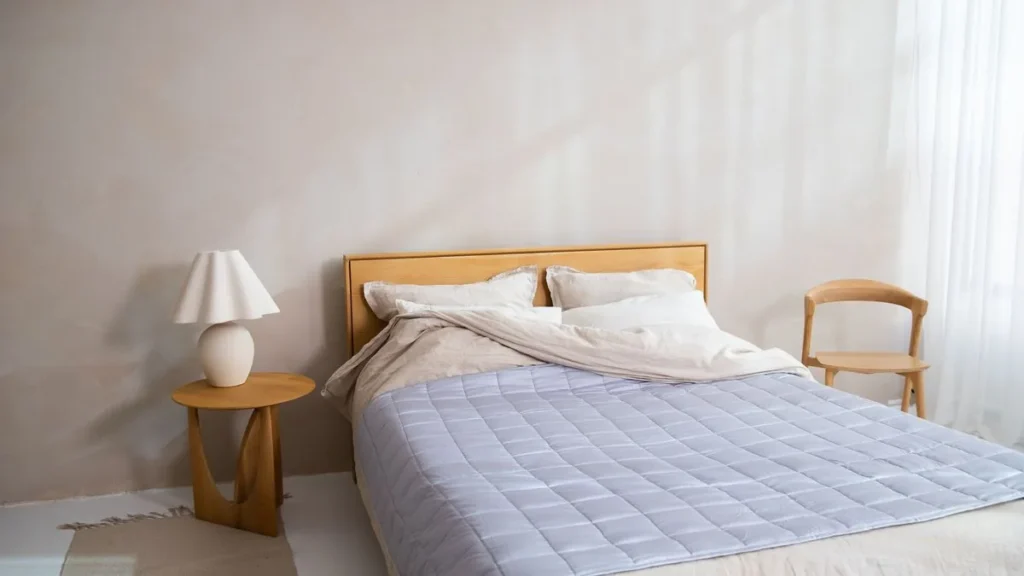
A duvet cover is the hardest-working piece of luxury bedding, and the easiest to get wrong.
The difference between a good cover and a great one is rarely the price tag. It is the fibre, the weave, and the finishing details: a closure that stays shut, corner ties that keep the insert in place, and a fabric weight that suits the way you sleep.
Key takeaways
- A duvet cover is a washable shell for a duvet insert: check the piece count, closure, and corner ties before comparing prices.
- Fibre decides feel and warmth, weave decides texture: percale is crisp and cool, sateen is smooth, linen is relaxed and breathable.
- For most sleepers, a long-staple cotton or European linen cover in the right weight is the safest luxury buy.
- Hot sleepers should look for lighter weaves and plant fibres; cold sleepers should look for brushed or heavier covers.
- Prices below are general bands from published 2026 and 2027 buying guides, not listings for one product, and no duvet cover has been shown to improve sleep quality on its own.
What a luxury duvet cover actually is
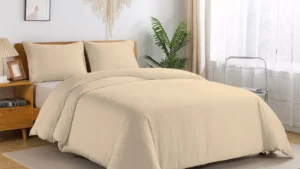
A duvet cover is a removable, washable shell that goes over a duvet insert, usually sold with one or two matching pillowcases. It protects the insert, which is rarely washed, and it lets you change the look of a bed without replacing the whole duvet.
Three details matter more than most shoppers expect. The closure, whether buttons, ties, or a hidden zip, should sit flat and stay shut through the night. Corner ties or loops keep the insert from bunching at the foot of the bed. And the fabric weight tells you more about warmth than the thread count does.
How we chose these ten covers
We started with the fibres and weaves luxury buyers return to year after year, then narrowed the list to one cover per job. Each pick had to be sold as a duvet cover, made from a fibre the maker names plainly, and available in standard sizes with matching pillowcases. Nothing here is a laboratory test: strengths come from published specifications and named editor reviews.
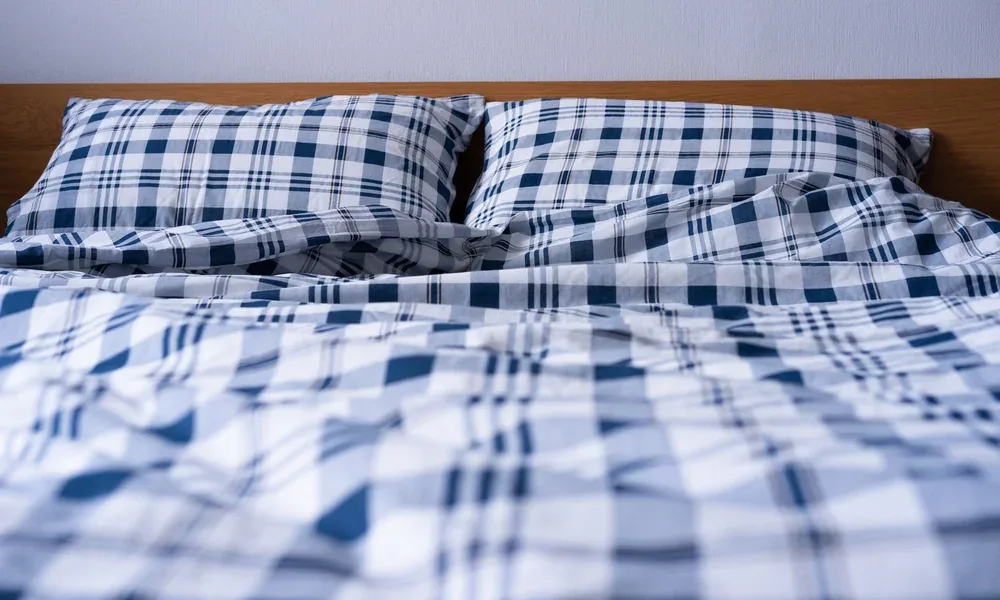
Price bands below are general, drawn from published 2026 and 2027 roundups. If you are comparing full bedding sets rather than covers alone, our cotton bedding sets roundup covers the same fabrics in sheet form.
The 10 best luxury duvet covers for 2027
1. The Egyptian Cotton Percale Cover — Best overall
Percale is a plain weave that feels crisp and cool, like a freshly pressed shirt. In long-staple Egyptian cotton it stays smooth wash after wash and breathes well. Expect roughly $120 to $260 for a queen cover set.
What We Like: Crisp, matte, and cool against the skin, with a clean tailored look that suits almost any bedroom.
What to Consider: It wrinkles, and it can feel too cool in a cold room.
2. The Long-Staple Cotton Sateen Cover — Best for a smooth, lustrous bed
Sateen weaves more threads across the surface, giving cotton a soft sheen and a slippery, silky hand. It drapes beautifully and looks dressier than percale. Expect roughly $130 to $280 for a queen cover set.
What We Like: Smooth and lustrous, with a fluid drape that photographs well and feels gentle on skin.
What to Consider: It sleeps warmer than percale and can snag more easily.
3. The European Linen Cover — Best relaxed luxury
European linen, woven from flax, is the most relaxed luxury cover here: textured, breathable, and softer with every wash. Expect roughly $180 to $380 for a queen cover set. For the full linen story, our linen bedding sets roundup covers the same fibre in sheet form.
What We Like: Exceptionally breathable, with a lived-in drape that looks intentional rather than messy.
What to Consider: It wrinkles and costs more than cotton.
4. The Mulberry Silk Charmeuse Cover — Best for pure indulgence
Mulberry silk in a charmeuse weave is the most indulgent cover here: cool, fluid, and quietly lustrous, with a drape no plant fibre can copy. Most makers recommend hand washing or dry cleaning. Expect roughly $300 to $650 for a queen cover set. Our silk bedding sets roundup explains momme weight and grading in more detail.
What We Like: The coolest, smoothest feel on this list, with a soft sheen that flatters pale and dark bedrooms alike.
What to Consider: The most delicate and expensive pick here, and it can feel slippery under a heavy insert.
5. The Tencel Lyocell Cover — Best for hot sleepers
Tencel lyocell is made from wood pulp, usually eucalyptus, and it manages moisture better than cotton. It feels cool and smooth, with a drape between sateen and silk. Expect roughly $140 to $300 for a queen cover set.
What We Like: Cool and moisture-wicking, with a silky hand that stays comfortable through warm nights.
What to Consider: It can look slightly less crisp than percale, and colours run softer.
6. The Bamboo Lyocell Cover — Best silky drape for less
Bamboo lyocell is the softer, more affordable cousin of Tencel, with a similar cool, silky drape. Expect roughly $110 to $240 for a queen cover set.
What We Like: Remarkably soft and smooth for the price, with a fluid drape and good breathability.
What to Consider: It can pill with rough washing, so wash on a gentle cycle.
7. The Lightweight Wool Cover — Best for temperature balance
A lightweight wool cover is one of the best all-season choices: the fibre absorbs moisture without feeling damp, so it keeps you comfortable across changing temperatures. Expect roughly $200 to $420 for a queen cover set.
What We Like: The most even temperature of any cover here, warm in winter and surprisingly comfortable in summer.
What to Consider: It needs gentle washing and can feel heavier than cotton.
8. The Hemp Blend Cover — Best textured and hard-wearing
Hemp, usually blended with cotton or linen, makes a textured, hard-wearing cover that softens slowly and lasts for years. Expect roughly $150 to $320 for a queen cover set.
What We Like: Tough, breathable, and better with age, with a natural slub that suits relaxed, earthy bedrooms.
What to Consider: It starts firmer than cotton or linen and needs several washes to soften.
9. The Brushed Cotton Flannel Cover — Best for cold nights
Brushed flannel is cotton napped on one side, so it feels soft, warm, and slightly fuzzy. It is the cosiest cover here and the obvious choice for winter bedrooms. Expect roughly $100 to $220 for a queen cover set.
What We Like: Warm from the first night, with a soft brushed surface that feels comforting in cold weather.
What to Consider: Too warm for summer, and it can pill over time.
10. The Organic Cotton Jersey Cover — Best soft, stretchy comfort
Jersey is a knit, not a weave, so an organic cotton jersey cover stretches slightly and feels like a favourite T-shirt. Expect roughly $110 to $230 for a queen cover set.
What We Like: Soft, stretchy, and forgiving, with no ironing and an easy, lived-in look.
What to Consider: It looks less tailored than percale or sateen, and the knit can stretch with wear.
Fibres and weaves, explained plainly
Fibre is what the cover is made of; weave is how the threads are put together. Cotton is the all-rounder, linen and hemp are the breathable naturals, silk is the indulgence, and lyocell fibres such as Tencel and bamboo are the cool modern options. Wool is the temperature regulator, and flannel is simply brushed cotton.
Weave changes the same fibre completely. Percale is a plain weave: crisp, matte, and cool. Sateen floats more threads on the surface: smooth, lustrous, and warmer. Jersey is knitted, so it stretches. When a cover disappoints, the cause is usually the wrong weave for the sleeper, not the wrong fibre.
Thread count is a poor guide on its own. A well-made 300-thread-count percale can feel better than a loosely woven 800-thread-count sateen, because fibre length and weave tightness matter more. Look for long-staple cotton, named flax origins, and a stated fabric weight instead.
The caveats that matter
Every luxury cover has a trade-off, and the right choice depends on how you sleep and how you wash.
| Detail | What is known |
|---|---|
| Best overall feel | Long-staple cotton percale is crisp and cool; sateen is smoother and warmer |
| Best for hot sleepers | Tencel lyocell, bamboo lyocell, and linen breathe best and manage moisture well |
| Best for cold sleepers | Brushed flannel and lightweight wool hold warmth without feeling heavy |
| Most delicate | Mulberry silk needs gentle washing or dry cleaning and can snag |
| Most hard-wearing | Hemp blends and long-staple cotton last longest with regular washing |
| Wrinkles most | Linen and percale wrinkle by design; sateen and jersey hide creases better |
| Check before buying | Closure type, corner ties, insert size match, and whether pillowcases are included |
| Price reality | Queen cover sets here range from about $100 to about $650, and sales change prices often |
Checklist: before you buy a duvet cover
- Measure your insert, not your mattress: the cover should match the insert size exactly.
- Check the closure: a hidden zip or sturdy buttons should sit flat and stay shut through the night.
- Look for corner ties or loops inside the cover, so the insert does not bunch at the foot of the bed.
- Confirm what is included: some sets add two pillowcases, others add one, and some sell the cover alone.
- Read the care label first: silk and wool need gentle care, while cotton, linen, and lyocell are usually machine washable.
- Order a swatch or check the returns policy when colour matters, because bedding shades shift under bedroom light.
Frequently asked questions
What size duvet cover do I need?
Match the cover to your duvet insert, not to the mattress. A queen insert needs a queen cover, and a king insert needs a king cover. A cover that is too large will sag and bunch, while one that is too small will pull the insert tight.
Is a duvet cover better than a comforter?
A duvet cover plus insert is more flexible than a fixed comforter: you can wash the cover often, swap it seasonally, and replace one part instead of the whole bed. A comforter is simpler, with nothing to fit or tie.
How often should I wash a duvet cover?
Most makers suggest washing a duvet cover every one to two weeks, about as often as sheets. Cotton, linen, and lyocell covers usually cope with a normal machine cycle, while silk and wool need a gentle cycle or professional cleaning.
What is the best duvet cover for hot sleepers?
Light, breathable covers work best: Tencel lyocell, bamboo lyocell, linen, and cotton percale. Avoid sateen and flannel if you wake up warm, and choose a lighter insert as well.
Does thread count matter for duvet covers?
Only up to a point. Fibre length, weave, and fabric weight matter more than a high thread count. A well-made cover in the 300 to 500 range is usually the sweet spot for cotton.
Can I put a duvet cover on any duvet?
Yes, as long as the sizes match and the cover has corner ties or loops that fit the insert. A cover without ties still works, but the insert is more likely to shift overnight.
The bottom line
The best luxury duvet cover for 2027 is the one that matches how you sleep. Warm sleepers should start with percale, linen, or a lyocell cover; cold sleepers should start with flannel or lightweight wool; and anyone who wants a little indulgence should try silk in a guest room first. Fibre and weave decide far more than price or thread count.
Buy the cover for the bed you actually sleep in, check the closure and the corner ties, and read the care label before the first wash. A well-chosen cover lasts for years.
Note: Prices and availability change with sales and sizes, so check the maker’s listing before buying. This guide describes covers from published specifications and reviews; it is not a laboratory test, and no cover here has been shown to improve sleep on its own.
Meet Our Experts
Our home and lifestyle editors research bedding materials, weaves, and care guidance from published buying guides, textile references, and maker specifications. Articles are reviewed for accuracy against named sources before publication.
Why Trust BrassSmile
BrassSmile roundups describe products from published specifications and independent editor reviews, not from invented testing. We name the fibre, weave, and trade-offs for each pick, we note where prices are general bands rather than listings, and we never present a research roundup as a laboratory test.
Sources
Published buying guides and reviews from Sleepopolis, Mattress Clarity, The Good Trade, Real Simple, Homes and Gardens, and The Quality Edit; textile and fibre guidance from the International Wool Textile Organisation and the European Confederation of Linen and Hemp; maker specifications for cotton, linen, silk, lyocell, wool, hemp, and flannel bedding.