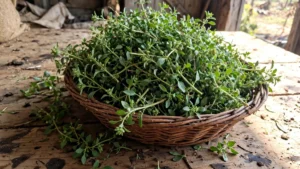
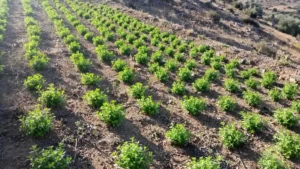
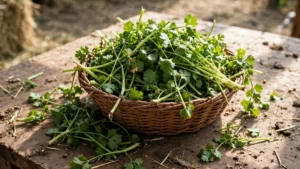
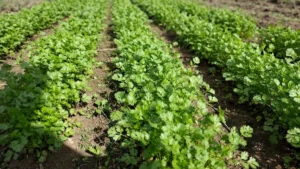
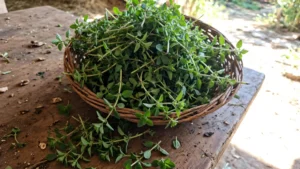
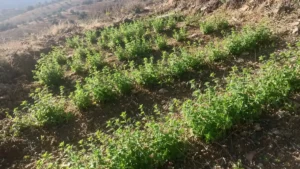
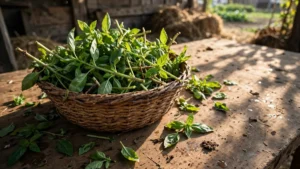
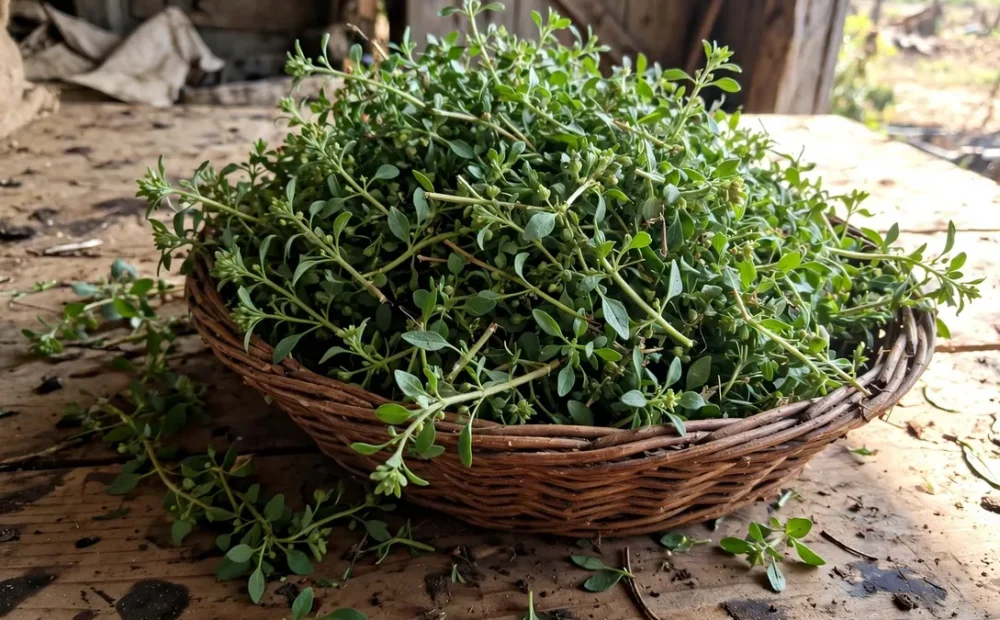
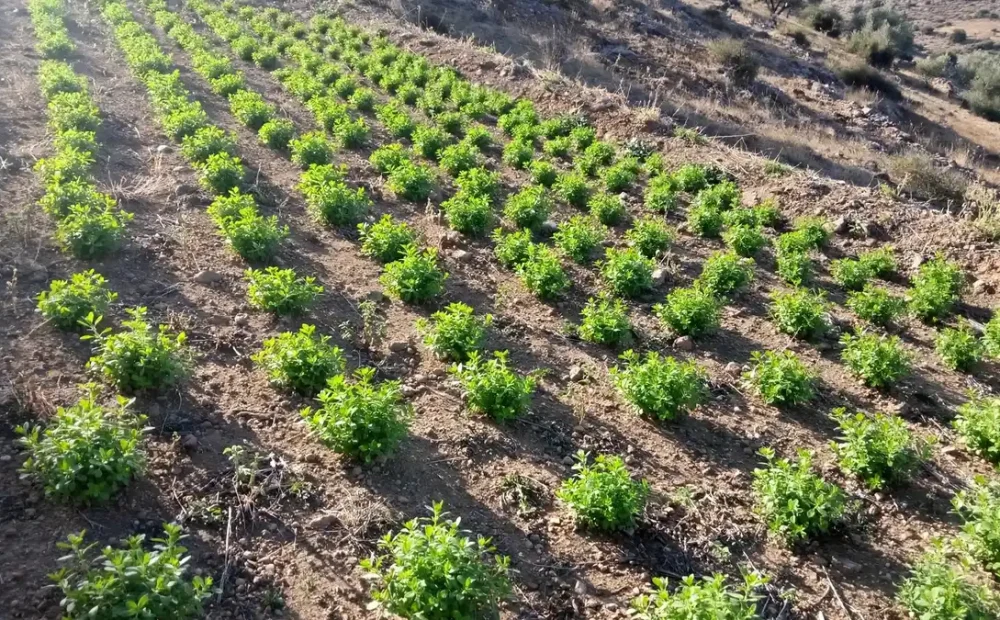
An oregano farm escape is a short trip built around a drying week. You arrive while the plants are full and leafy, spend a morning in the rows with a basket, and spend the afternoon tying bunches to hang in the barn. It is a few days working alongside the people who grow the herb, learning how it is cut and dried, and what to do with it once it is in the jar.
Planning one is nothing like planning a beach holiday. The dates follow the plant, not the calendar, and the best flavour sits in a window of a week or two just before the buds open. Book a window, stay flexible by a few days, and let the farm name the cutting day.
These nine steps take you from choosing an oregano to bringing the dried leaf home. They work for a first trip to Crete and a longer journey to Puebla, and they assume you have never cut oregano before.
Key takeaways
- An oregano farm escape follows the cutting week, not the calendar, so book a window and let the farm name the day.
- Choose your oregano first: Greek for pizza and grilled meats, Mexican for chilli, mole, and pozole.
- Cut in the morning after the dew has lifted, before the buds open, and dry the same day.
- Dried oregano is stronger than fresh, so a pinch from the jar goes further than a handful from the row.
- Oregano is a dry-country perennial, so a wet spring or a hot spell can move your dates by a week.
What an oregano farm escape involves
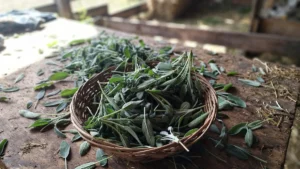
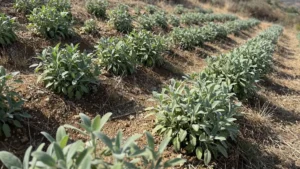
An oregano farm escape usually lasts three to five nights. You sleep in a farmhouse room or a stone cottage, eat breakfast with the farm family, and spend mornings in the rows. The cutting session is the core of it: an hour or two with secateurs, a basket, and the farm’s grower showing you which stems to take. The rest of the day is drying, walking, eating.
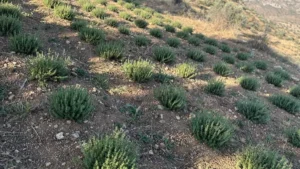
The work is light but real. Oregano is cut by hand, stem by stem, and a morning fills several baskets. You will get dust on your hands and oregano oil on your fingers. Wear clothes you can stain, closed shoes, and a hat; the cutting happens in the sun on dry, thorny hills. The ginger farm escape we covered needs the same kit.
Evenings are the reward. The farm cook turns the dried leaf into dinner, and the table is where the trip makes sense: lamb rubbed with the farm’s oregano, tomatoes seasoned from the jar, bread warm from the oven. Ask questions over dinner; the best stories come out with the second glass.
How to plan it, and what to ask first
Start by deciding which oregano you want to meet. Greek oregano is the pizza herb, warm and peppery, a mint-family member. Mexican oregano is the chilli herb, citrusy and earthy, a verbena-family member. Each grows in different places and is cut at different times, so your choice decides your destination and your dates.
Put four questions to the farm before you pay anything. When is the cutting week, and how firm is that date. How many guests stay at once: eight people can cut together, but thirty cannot. What is included: some farms charge the cooking class separately. And what the kitchen does about dietary needs. The tomato farm escape we covered works on the same pattern.
Book travel you can move. A wet spring can push a cutting week back days, and a hot spell can bring flowering forward. Good farms will shift your dates for free, but your flight may not be so kind. Fly with a changeable ticket.
The 9 steps to plan an oregano farm escape
Pick a side in the Greek and Mexican oregano split
Greek and Mexican oregano share a name and almost nothing else. Greek oregano is a mint-family herb with small white flowers and a warm, peppery leaf. Mexican oregano is a verbena-family shrub with a citrusy, earthy leaf that loves limestone and heat. Taste both at home, and choose the one whose flavour you want to learn.
What to do: Buy a jar of each before you book, cook with both for a week, and pick the one to meet. What to avoid: Booking a farm because the photos are pretty, then discovering it grows an oregano you never cook with. Best for: First-timers with a clear goal in mind. Time needed: A week of cooking at home. Standout tip: If you cannot find Mexican oregano at home, start with Greek.
Hold the payment until the dry spell arrives
Oregano is cut when the buds are still shut and the leaves are full of oil, and that moment arrives after a stretch of dry, sunny weather. A wet week dilutes the oils, so good farms watch the forecast, name a window a few weeks ahead, and confirm the day a few days before. Wait for that window before you pay.
What to do: Ask for the cutting window in writing, and confirm the farm will move your stay free if the rain shifts it. What to avoid: Non-refundable flights booked before the farm names its week. Best for: Travellers able to bend by a few days. Time needed: One email and a week of patience. Standout tip: Farms on the driest hills, like the Cretan terraces, are the safest bet for fixed dates.
Take the stem where two leaves meet
The first cutting lesson is the most important one on the whole trip. Take a stem just where two leaves meet, while the buds at the tip are still closed. Once the buds open, the leaves below them turn sharper and more bitter, and the plant stops making new leaves.
What to do: Cut where two leaves meet and leave at least two sets of leaves on the plant. What to avoid: Pulling a whole plant out by the roots, or stripping one stem bare. Best for: The first morning in the rows. Time needed: An hour with the grower. Standout tip: Crush a leaf between your fingers; a warm, peppery scent means it is ready.
Start with the jar from last year’s drying
Every oregano farm has a jar from last year, and the first evening is the time to taste it. Dried oregano is stronger than fresh, and the jar tells you what the farm’s leaf tastes like once the water is gone. In Crete it is peppery and warm; in Puebla it is citrusy and earthy. Taste the jar first, and the fresh leaf will make sense.
What to do: Ask the cook to season the first dinner from last year’s jar, and taste it against the fresh leaf. What to avoid: Judging the herb by the fresh leaf alone; the dried jar is where the flavour lives. Best for: The first evening, while the trip is still new. Time needed: One dinner. Standout tip: Ask how long the farm dries its leaf; a slow barn dry beats a fast hot dry.
Leave some flowers standing for the bees
Oregano flowers are small, white or pale pink, and the bees love them. A good farm never cuts every plant: it leaves a strip of flowering oregano at the edge of the rows, so the bees can work and the farm has honey. Walk the strip in the late afternoon, when the bees are busiest, and taste the honey.
What to do: Ask the grower which rows are left to flower, and walk them at day’s end. What to avoid: Cutting into the flowering strip because it looks full; those plants belong to the bees. Best for: Anyone wanting to understand the whole farm, not just the kitchen. Time needed: Half an hour at dusk. Standout tip: Oregano honey is dark and strong; a spoonful in tea is enough.
Harvest when the dew has lifted and the sun is still low
Oregano is best cut once the dew has lifted and the sun is still low, when the leaves are dry and the oils are strongest. Cut too early, while the leaves are wet, and the bunches can mould in the barn. Cut at midday in a hot climate and the leaves wilt and the work is hard. Get up early, wait for the dew to lift, and cut before the heat.
What to do: Set an early alarm, wait until the leaves are dry, and cut before ten. What to avoid: Cutting wet leaves in the morning or limp leaves at midday; both spoil the drying. Best for: Hot-climate farms like the Cretan terraces and the Texas ranch. Time needed: An hour in the morning. Standout tip: A dry, breezy morning is the best cutting weather of all.
Pack for dry hills and thorny paths
An oregano farm is a dry farm, and the packing list is practical. Light layers for cool mornings and warm afternoons, a wide hat, closed shoes that can take dust and thorns, and clothes you do not mind staining. Bring a notebook, a jar for the dried leaves, and sunscreen. The scrub is thorny, so long sleeves earn their place.
What to do: Pack for dust, sun, thorns, and a kitchen. What to avoid: Open shoes in the rows, white clothes on a cutting morning, and a suitcase of outfits you will never wear. Best for: The night before you travel. Time needed: Half an hour of packing. Standout tip: A bandana keeps dust and oregano oil out of your eyes while you cut.
Follow the drying racks from field to jar
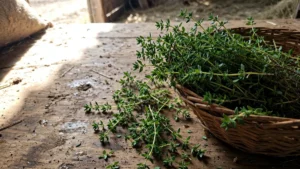
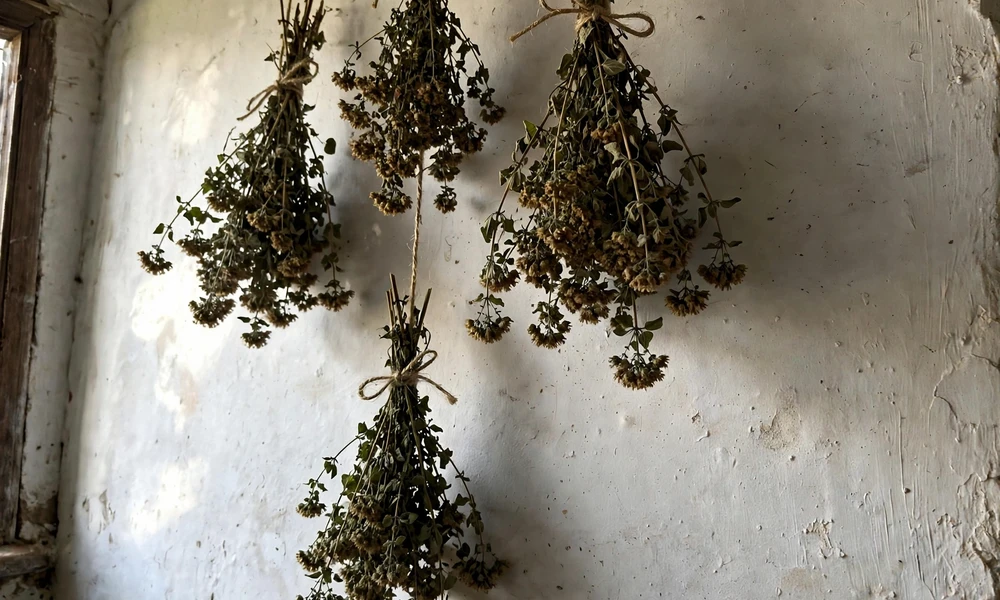
On drying day, follow your bunches from the field to the jar. The grower ties the stems in small bunches, hangs them upside down in the barn where the air moves and the sun does not reach, and leaves them a week or two until they crumble. A slow dry in the shade keeps the flavour; a fast dry in the sun loses it.
What to do: Go to the barn with the grower, watch the tying and the hanging, and rub a dried leaf against a fresh one. What to avoid: Drying your own bunches in direct sun at home; the heat strips the oils. Best for: Mid-trip, once you know the plant. Time needed: Half a day. Standout tip: A bunch that rustles when you squeeze it is ready for the jar.
Ask the farm to dry your share for the journey home
Fresh oregano wilts in a suitcase, but the farm’s dried leaves travel well and keep their scent. Buy a bag from the farm shop, with a bottle of the farm’s oregano oil if they make one, and a jar of honey from the flowering strip. Seal the leaves in a jar, keep them dry, and use them in winter cooking.
What to do: Buy dried leaves, oil, and honey from the farm shop, and ask the farm to dry your cutting for you. What to avoid: Packing armfuls of fresh oregano for the flight home; it will be black and limp by landing. Best for: The last morning before checkout. Time needed: Twenty minutes at the farm shop. Standout tip: Ask the grower how they store their jars; the method matters more than the variety.
Picking the right season and region
Oregano is a dry-country perennial, so the season follows sun and rain. In the Mediterranean the window is late spring into summer, from May in Crete to July in the north. In Mexico the window follows the dry season, and in Texas the heat. The plants return every year, so farms can name their weeks with more confidence than a basil farm can.
Choose your region by your oregano first and your calendar second. If you want Greek oregano and the classic flavour, go to Crete in June or Campania in July. If you want Mexican oregano, go to Puebla in the dry season or Texas in early summer. If you want a mild climate and a late summer, go to Dalmatia or Sardinia. The asparagus farm escape we covered follows the same pattern.
Watch the weather, not the brochure. A wet spring can set a Mediterranean crop back, a heatwave can push a crop into flower early, and a storm can close a mountain road for a day. Check the forecast before you travel, and be ready to move your cutting day.
The caveats that matter
An oregano farm escape is a working holiday, and it is not for everyone. The mornings are early, the work is physical, and you sleep in a farmhouse, not a hotel. If you want a spa, pool service, and a late breakfast, book a resort and visit an oregano farm for a day instead.
| Detail | What is known |
|---|---|
| Best trip length | Three to five nights, with two or three cutting mornings |
| Best time to cut | Morning, after the dew lifts, while the buds are still shut |
| What flowering does | Leaves turn sharper and more bitter, and the plant stops making new leaves |
| Rain risk | A wet week dilutes the leaf oils and can delay the cutting window |
| What to pack | Light layers, a hat, closed shoes, long sleeves, a notebook, a jar |
| Dietary needs | Tell the farm in advance; oregano is gluten-free but kitchens are shared |
| What to bring home | Dried leaves, oregano oil, and honey; fresh leaves wilt on the flight |
| What it does not do | It will not turn you into a chef, and it will not fix next year’s dates |
Mention an oil sensitivity when you book, not when you arrive. Oregano oil is potent, and the cutting sessions, the drying barn, and the distillation are all handled in close quarters with a strong scent in the air. A short message before you book lets the host shape the sessions around what you need.
Checklist: before you book an oregano farm escape
Use these checks before you book, and again the week before you travel.
- Check the variety: ask which oregano the farm cuts in your week, Greek or Mexican.
- Check the cutting window: ask for the dates in writing.
- Check the group: a small party keeps the session worth doing.
- Check the price cover: are meals, classes, and market visits in it or extra.
- Check the food rules: raise what you can and cannot eat before you pay.
- Check your travel: book a ticket you can change, and arrive a day early.
Frequently asked questions
Is an oregano farm a good trip if you eat gluten-free?
In most cases, yes, as long as the farm hears about it before you arrive. Oregano itself has no gluten, and farms can usually keep a board and a pot aside. Small kitchens that bake bread in the same room may not promise zero cross-contact, so ask plainly before you pay.
How far ahead should you book an oregano farm stay?
Book the farm as soon as it names its cutting window, usually a few weeks ahead, and book movable travel. The popular farms in Crete and Campania fill June weeks in advance.
What goes in the bag for oregano country?
Light layers, a wide hat, closed shoes, long sleeves, sunscreen, a notebook, and a jar. Leave white linen at home; the rows are dusty.
Do oregano farms welcome children?
Most do, if the children are old enough to follow instructions in the rows. Cutting uses secateurs, the kitchen uses heat, and the days start early, so farms usually set a minimum age around eight or ten.
What should you carry home from an oregano farm?
Dried leaves, the farm’s oregano oil, and a jar of honey from the flowering strip. Fresh oregano wilts on a flight, but dried leaves keep their scent.
What does a week on an oregano farm add up to?
From around $65 a night in Crete to $380 a night in Puebla, before flights. Add a ticket you can change and the farm shop, and a week usually runs to a few hundred dollars at the low end and a few thousand at the top.
The bottom line
An oregano farm escape works when you choose the variety first, book the cutting window rather than a fixed day, and arrive ready to cut in the morning and dry in the afternoon. Crete is the classic, Puebla the education, and Sardinia the adventure.
Pack light, tell the farm about dietary needs, and take home dried leaves and honey rather than fresh sprigs. The flavour you remember will be the lamb you rubbed with the farm’s own jar.