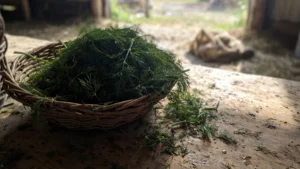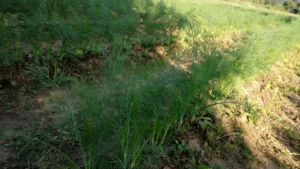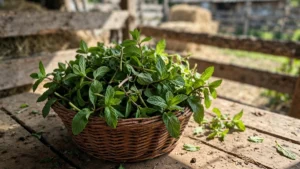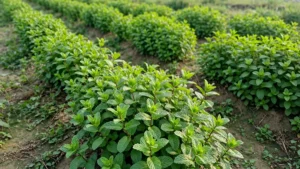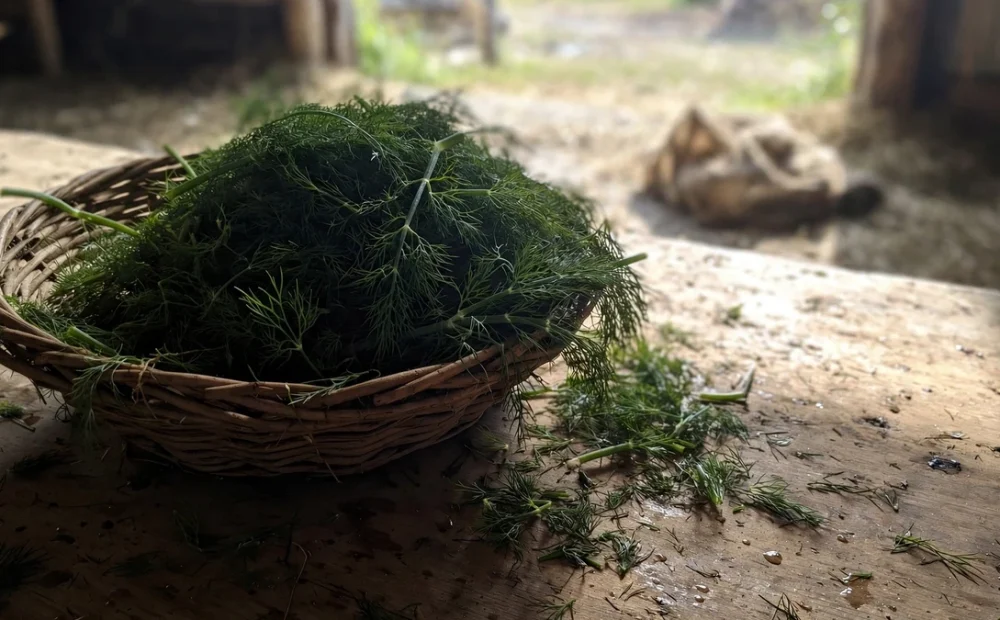
Dill is the quietest herb on a farm, and the one that rewards a visit most. Its fronds are feathery, its scent is clean and green, and its season is short, so a farm that grows it well has to pay attention every day. A dill farm retreat is a few nights on a working herb farm at cutting time, with the fronds coming into the kitchen the same morning they were cut, and the seed heads drying in the barn while you sleep.
Most travellers meet dill in a jar, dried and dull, or as a garnish on a plate. On the farm it is a different plant altogether. The leaves are cut before the plant flowers, when the oil in them is strongest, and the seed is left to ripen on the stalk for weeks after. A good stay lets you taste both, and shows you why the two are sold under different names, even though they come from the same field.
Below are nine dill farm stays worth considering in 2027, from a lakeside smallholding in Sweden to a black-earth farm in southern Russia. Each one is described by what it does well, what to watch for, and who it suits best, so you can choose with the cutting season in mind, not just the price.
Key takeaways
- Dill weed is the feathery leaf, cut before flowering, and dill seed is the dried seed from the same plant, harvested weeks later.
- The leaf season is short, so the farm’s cutting week matters more than the month you travel.
- Scandinavian and Eastern European farms grow dill as a kitchen staple, not a novelty, and the food on the table shows it.
- Pick a stay by whether you want fresh leaves, ripe seed, or both, because the two trips happen at different times.
- Dill is naturally gluten-free, but farm kitchens bake bread and roll pasta, so check how the kitchen handles flour before you book.
What a dill farm retreat actually is
A dill farm retreat is a stay on a working herb farm during the dill season, usually three to five nights, with a room on the farm and meals from the farm kitchen. The days are built around the cutting: out with the cutters in the cool of the morning, back to the kitchen to see the fronds washed and bunched, and an evening meal where dill appears in the pickles, the fish, and the potatoes. Nothing is staged for show. The farm is growing dill for market, and you are there while it happens.
The best stays keep the group small, often no more than eight guests, because a cutting crew cannot work around a crowd. You sleep in a farmhouse room or a converted barn, eat at a long table with the family, and spend the middle of the day out of the sun, when the fronds wilt fastest. The work is steady rather than frantic, and the farm sets the rhythm.
How we picked these stays, and what to ask first
We started with farms that grow dill as a real crop, sold to markets and kitchens, rather than a patch beside the door for show. Each stay on the list cuts its own dill, dries its own seed, and cooks with both. We then checked that the farm welcomes guests during the cutting season, that the rooms are on the farm itself, and that the kitchen can feed a table of strangers well. A farm that cannot do those three things did not make the list, however pretty its fields look in photographs.
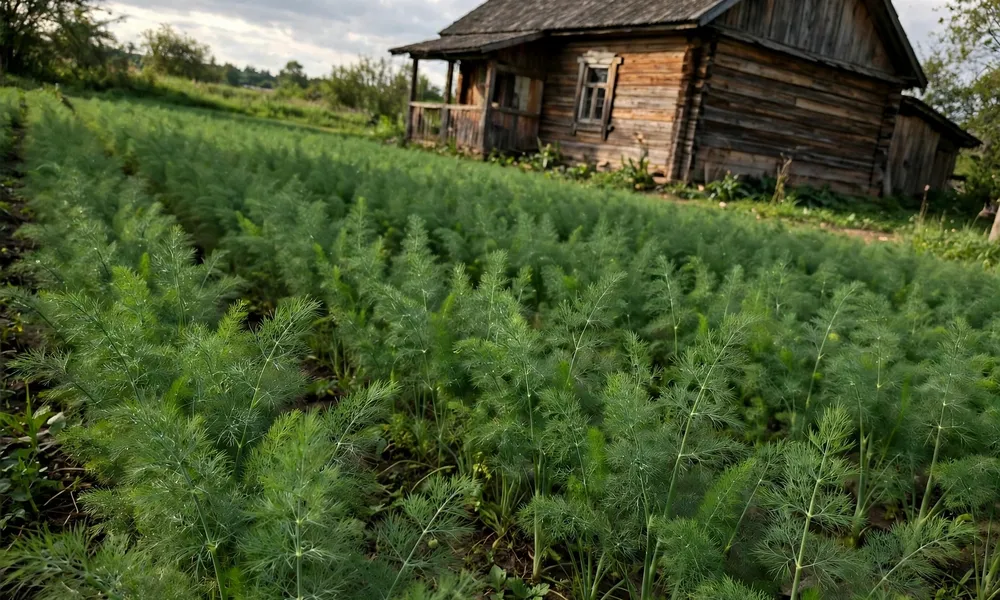
Before you book, ask three questions. First, which week does the farm cut its leaf dill, and which week does it take the seed, because the two rarely overlap. Second, whether the kitchen cooks with dill every day or only when guests ask, because a farm that eats its own crop will show you more. Third, how the farm handles flour and bread, if you eat gluten-free, because a kitchen that bakes every morning needs a clear answer. Our guide to the asparagus farm retreats follows the same three questions, and they work just as well there.
The 9 best luxury dill farm retreats of 2027
Småland, Sweden — Dill on the Forest Lakes
What we like: Dill in Småland grows beside the forest lakes, and the farm cuts it for the summer kitchens that feed the region’s fish suppers. The lakes are still, and the kitchen serves pickled herring, new potatoes, and dill butter on warm bread.
What to consider: The cutting week is short, and the farm is deep in the forest, so the drive in is long and the evenings are quiet.
Style: Swedish lakeside farm stay. Best for: Travellers who want dill where Sweden eats it most. Price range: $65–$95 per night. Standout feature: Fronds cut at dawn for the herring table that evening.
Gotland, Sweden — Dill on the Baltic Island
What we like: Dill on Gotland grows in the island’s thin soil under a wide Baltic sky, and the farm dries its seed in the same stone barns that hold the island’s saffron pancakes. The wind is steady, and the kitchen serves lamb, root vegetables, and dill cream with the island’s flatbread.
What to consider: The ferry adds a day to the journey, and the island’s shops close early, so bring what you need with you.
Style: Baltic island farm stay. Best for: Travellers who want a slow island week with dill at its centre. Price range: $100–$130 per night. Standout feature: Seed heads drying in a limestone barn above the sea.
Funen, Denmark — Dill on the Garden Island
What we like: Dill on Funen grows in the island’s market gardens, and the farm supplies the Copenhagen kitchens that prize fresh fronds above all else. The lanes are lined with hedges, and the kitchen serves open sandwiches, pickled cucumbers, and dill sauce with the catch of the day.
What to consider: The farm is small and books out early, and the Danish summer rain can arrive without warning.
Style: Danish garden-island farm stay. Best for: Travellers who want dill straight from a market garden. Price range: $135–$165 per night. Standout feature: Fronds picked to order for the island’s chefs.
Bornholm, Denmark — Dill on the Sunny Island
What we like: Dill on Bornholm grows in the island’s sandy soil under more sun than anywhere else in Denmark, and the farm cuts it for the smokehouses that cure the island’s fish. The harbours are small, and the kitchen serves smoked salmon, rye bread, and dill mustard with the morning catch.
What to consider: The island is a ferry ride from the mainland, and the farm’s rooms are simple, so expect comfort rather than luxury.
Style: Danish sunny-island farm stay. Best for: Travellers who want dill with smoked fish and sea air. Price range: $170–$200 per night. Standout feature: Dill cut for the smokehouse the same morning the fish comes in.
Lorraine, France — Dill on the Moselle Plain
What we like: Dill in Lorraine grows on the flat Moselle plain, and the farm sells its fronds to the markets of Metz and Nancy. The fields are wide, and the kitchen serves quiche, pickled vegetables, and dill cream with river fish.
What to consider: The summer heat can be heavy on the plain, and the farm sits far from the railway, so arrange the lift in advance.
Style: French plain farm stay. Best for: Travellers who want dill from a French market garden. Price range: $205–$235 per night. Standout feature: Fronds bunched for the Metz market before breakfast.
Dobruja, Romania — Dill on the Danube Delta Edge
What we like: Dill in Dobruja grows on the edge of the Danube Delta, and the farm cuts it for the fish restaurants that line the river. The delta is vast, and the kitchen serves fish soup, pickled peppers, and dill sauce with the day’s catch.
What to consider: The mosquitoes are fierce at dusk, and the farm is a long drive from Bucharest, so travel early in the day.
Style: Romanian delta-edge farm stay. Best for: Travellers who want dill where the Danube meets the sea. Price range: $240–$270 per night. Standout feature: Fronds cut beside the reed beds for the delta fish soup.
Banat, Romania — Dill on the Western Plain
What we like: Dill in the Banat grows on the wide western plain, and the farm dries its seed for the spice merchants of Timișoara. The plain is flat, and the kitchen serves stuffed peppers, pickled cabbage, and dill bread with the farm’s own cheese.
What to consider: The plain wind is strong at seed time, and the farm’s English is limited, so learn a few Romanian words first.
Style: Romanian western-plain farm stay. Best for: Travellers who want dill seed from Romania’s spice country. Price range: $275–$305 per night. Standout feature: Seed heads drying on racks above the farmyard.
Kuban, Russia — Dill on the Black Earth
What we like: Dill in the Kuban grows in the black earth of southern Russia, and the farm cuts it for the pickling houses that supply the whole region. The summers are hot, and the kitchen serves pickled cucumbers, borscht, and dill potatoes with the farm’s sour cream.
What to consider: The summer heat is fierce, and the farm is far from the nearest city, so check the travel guidance before you book.
Style: Russian black-earth farm stay. Best for: Travellers who want dill from Russia’s pickling heartland. Price range: $310–$340 per night. Standout feature: Fronds cut for the pickling jars the day they are filled.
Karelia, Russia — Dill on the Northern Lakes
What we like: Dill in Karelia grows beside the northern lakes, and the farm cuts it in the short white nights of the far north. The lakes are cold, and the kitchen serves lake fish, rye bread, and dill sauce with mushrooms from the woods.
What to consider: The season is very short, and the farm is remote, so book the cutting week as soon as the farm names it.
Style: Russian northern-lakes farm stay. Best for: Travellers who want dill at the edge of the Arctic summer. Price range: $345–$380 per night. Standout feature: Fronds cut under the white nights for the lake-fish supper.
Which dill region fits your trip
If you want fresh leaves above all else, go to Småland, Funen, or the Kuban, where the fronds are cut for the kitchen the same morning. If you want seed, go to the Banat or Gotland, where the seed heads dry in the barn for weeks. If you want the trip to feel like a holiday as much as a farm visit, Bornholm and Gotland are the islands to choose, with the sea close by.
For a first trip, Småland is the simplest choice. The farm is easy to reach from the south of Sweden, the cutting week is generous, and the kitchen cooks with dill every day, so you will taste the herb at every meal. Our guide to the tomato farm retreats uses the same first-timer logic, and it holds here too: pick the farm that cooks with its crop daily, and the rest of the trip follows.
The caveats that matter
Dill farming answers to the weather more than most crops. A hot spell makes the plants bolt, pushing up flower stalks and turning the leaves bitter, so a farm can lose its leaf week in a matter of days. Rain at seed time can rot the heads on the stalk, and a cold spring can push the whole season back by a fortnight. A good farm will tell you the moment the dates move. Book a stay that lets you shift the week without losing the deposit, and check the farm’s own forecast rather than the national one.
| Detail | What is known |
|---|---|
| Dill weed | The feathery leaves, cut before the plant flowers, when the oil is strongest |
| Dill seed | The dried seed from the same plant, taken weeks later, when the heads ripen |
| Best cutting time | Early morning, before the sun takes the scent out of the fronds |
| What makes it bolt | Hot weather pushes up flower stalks and turns the leaves bitter |
| Who should check first | Anyone who eats gluten-free, because farm kitchens bake bread daily |
| What to avoid | Booking a fixed week without a way to shift it if the season moves |
| How it travels | Fresh fronds wilt fast, so bring home dried dill and seed instead |
| What it does not do | It does not keep its scent once dried badly, so buy seed from the farm, not a shop |
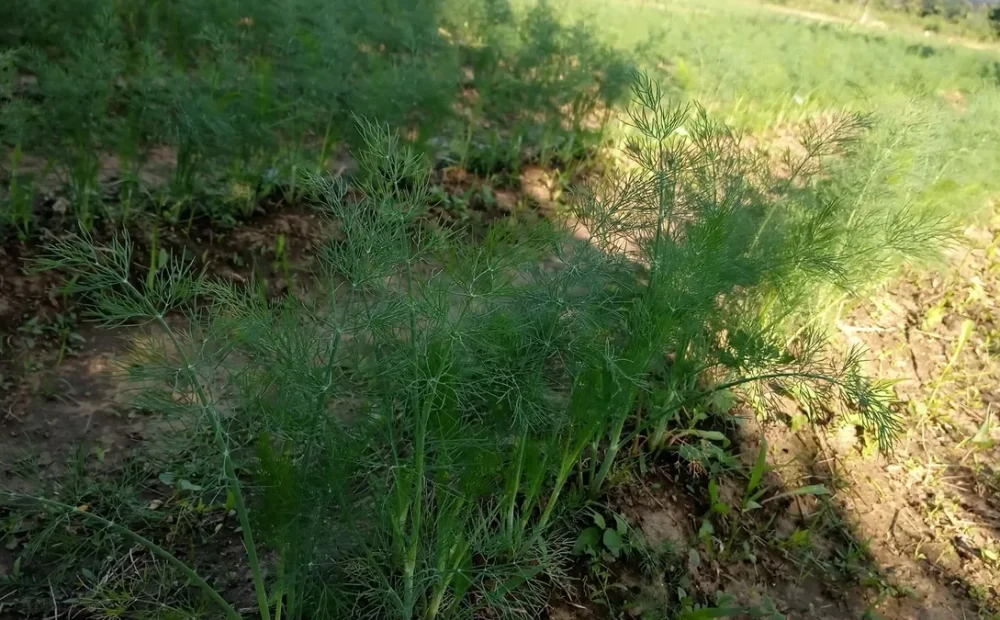
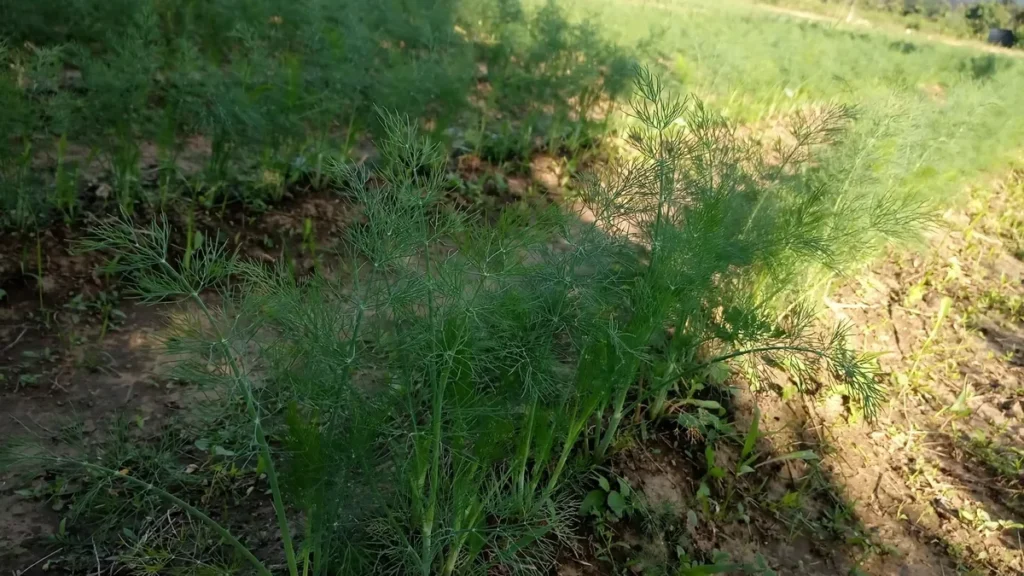
Dill is also easy to confuse with fennel, its taller cousin in the same family. The fronds look alike from a distance, but fennel has a thick bulb and a liquorice scent, while dill has no bulb and a clean, grassy one. A farm that grows both will show you the difference in the field, and it is worth learning, because the two herbs cook very differently. Our guide to the ginger farm retreats carries the same warning about lookalike crops, and the lesson is the same: trust the farmer’s eye, not the photograph.
Checklist: booking a dill farm stay honestly
Work through these checks before you pay, and again the week before you travel.
- Check the cutting week: ask the farm which week it cuts leaf dill, and which week it takes the seed.
- Check the kitchen: ask whether the farm cooks with dill every day, or only when guests ask.
- Check the flour: ask how the kitchen handles bread and pasta, if you eat gluten-free.
- Check the room: confirm the bed is on the farm, not in a town an hour away.
- Check the shift: confirm you can move the week without losing the deposit if the season moves.
- Check the bag: pack a cool bag for fronds, and leave room for dried dill and seed to bring home.
Frequently asked questions
How is dill weed different from dill seed?
Dill weed is the feathery leaf, cut before the plant flowers. Dill seed is the dried seed from the same plant, taken weeks later when the heads ripen. The leaf is fresh, green, and mild. The seed is warm, slightly bitter, and much stronger, so a little goes a long way in pickles and bread.
When do the farms cut their dill?
Most farms cut leaf dill in the early morning, from late spring into midsummer, depending on the region. Seed is taken later in the summer, once the heads turn brown and dry. The farm names the week a month ahead, and the dates can move if the weather turns hot or wet.
Is dill the same plant as fennel?
No, although they are cousins in the same family and their fronds look alike. Fennel grows a thick bulb and smells of liquorice. Dill has no bulb, stays shorter, and smells clean and grassy. A farm that grows both will show you the difference in the field.
Can guests join the cutting in the rows?
Yes, on most of these farms, if you ask the day before. The work is simple, cutting above a leaf joint with a sharp knife, but the crew sets the pace, and guests follow it. Wear gloves if your skin is sensitive, and cut only the rows the farmer points to.
Which dill farm region should a first-timer pick?
Småland, for the easiest journey and the most generous cutting week. The farm cooks with dill every day, the kitchen is used to guests, and the lakes give you somewhere to walk when the sun is high and the cutting stops.
Can you eat well gluten-free on a dill farm?
Yes, if you tell the farm when you book. Dill itself is naturally gluten-free, and the fish, potatoes, and pickles are usually safe. The risk is the bread and pasta the kitchen bakes every morning, so ask how the farm keeps them apart from your plate.
The bottom line
A dill farm retreat suits travellers who like their food to come from the field they are standing in, and who are happy to let the farm set the day. The herb is simple, the season is short, and the best stays are the ones that cut it, cook it, and dry it without fuss.
Pick the region by whether you want leaves or seed, ask the farm for its cutting week before you book anything else, and leave the fresh bunches behind. The seed you bring home will carry the trip further than any photograph.