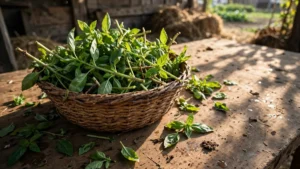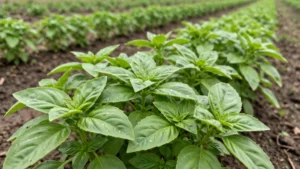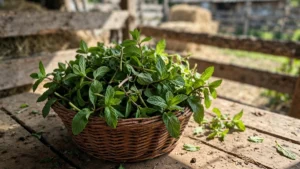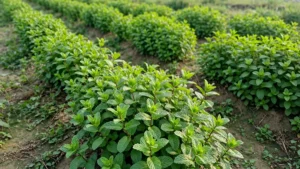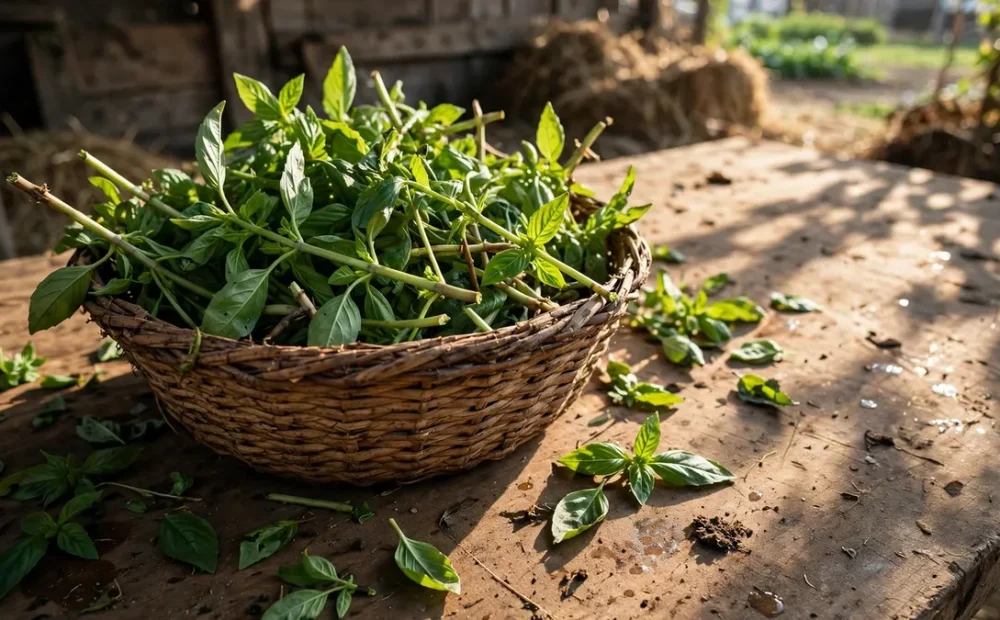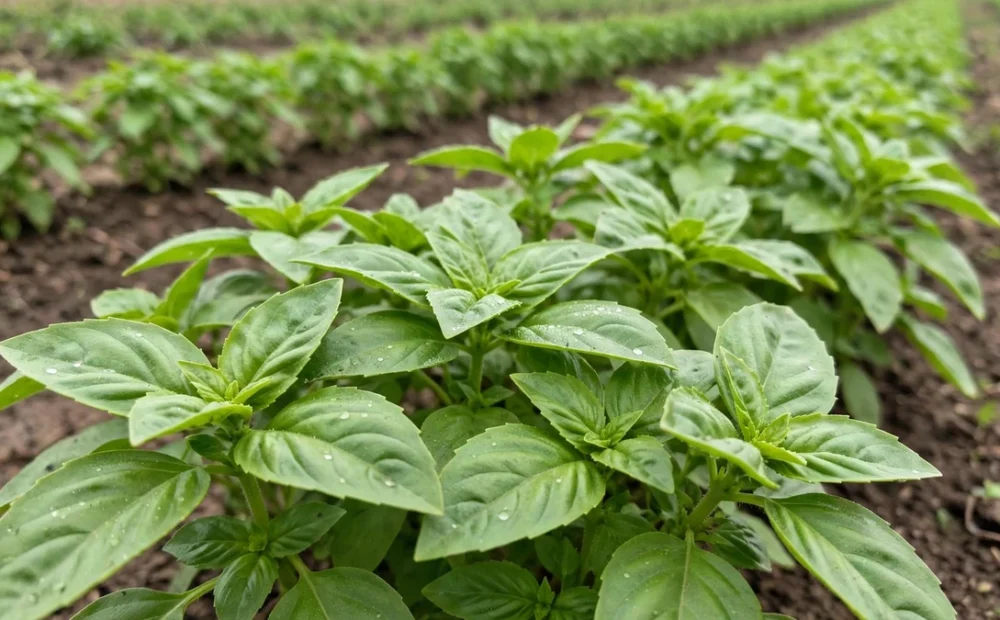
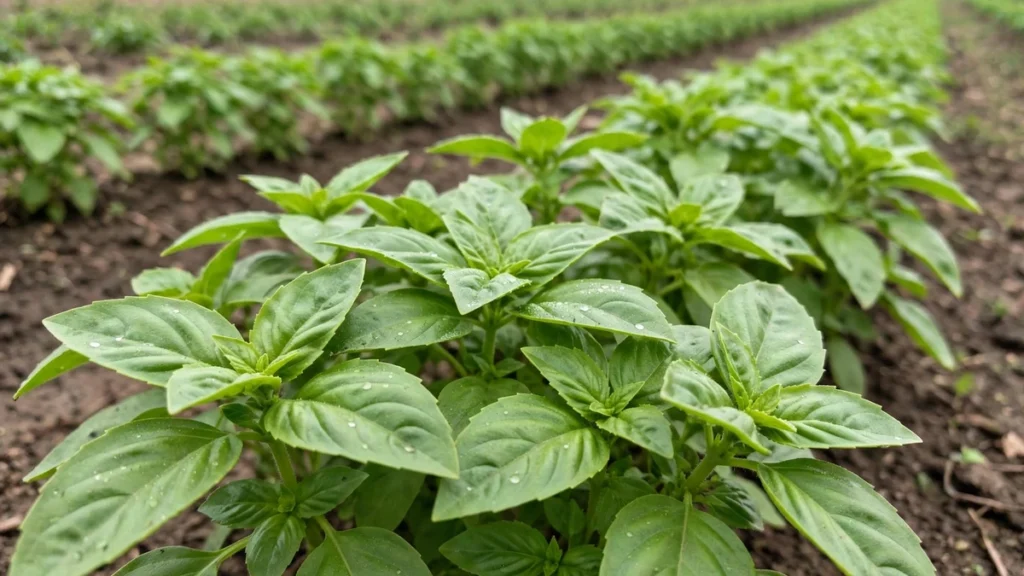
A basil farm retreat is a stay built around one of the shortest, sweetest harvests in the kitchen garden. Sweet basil grows fast, smells of cloves and anise when you brush past it, and turns bitter the moment its flowers open. That narrow window is the whole point: guests arrive while the plants are still leafy, cut stems in the morning, and cook them into pesto by lunch.
These stays are small and hands-on. A basil farm is usually a family farm with a few guest rooms, a kitchen that cooks what the beds produce, and a host who knows each row. The best retreats keep groups under a dozen and cook lunch from the morning cutting.
Below are nine basil farm retreats for 2027, from Wiltshire at $65 to $95 a night to Kenya at $345 to $380. Each one is a working farm first and a guesthouse second.
Key takeaways
- Basil farm retreats are working stays built around cutting, tasting, and cooking.
- Sweet basil is the culinary star; Thai basil and holy basil are different plants.
- Cut basil before it flowers, or the leaves turn bitter.
- Book the harvest week, not the flower week.
- Basil is frost-tender and short-season, so dates move with the weather.
What a basil farm retreat actually is
A basil farm retreat is a working herb farm that takes a small number of paying guests for a few nights. The farm grows basil as a crop, not as decoration, and the stay is built around the cutting calendar. Mornings start in the beds, midday is cooking, and evenings end at a long table.
What sets basil apart is how fast it moves. A tomato plant fruits for weeks, but a basil plant gives one flush of leaves, then flowers and turns. That is why these farms talk about cutting weeks rather than seasons, and why the best stays ask you to be flexible by a few days.
The stays are modest: a farmhouse room with a window over the beds, a kitchen that feeds you from the garden, and a host who knows sweet basil from Thai basil by smell. Expect to get your hands dirty. The luxury is the flavour and the quiet, not the thread count.
How we picked these stays, and what to ask first
We picked farms that grow basil as a real crop, take small groups, and put the cutting and cooking at the centre. Every farm below grows a culinary basil variety at field scale, offers a guided cutting session, and cooks at least one meal a day from the garden.
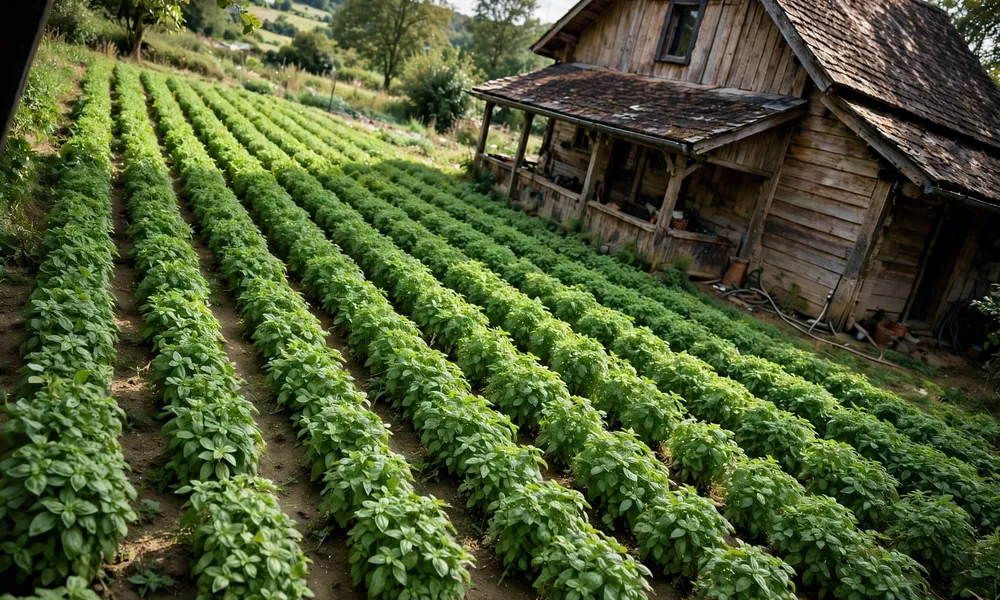
Before you book, ask three questions. First, which variety grows in the beds, and when is its cutting week. Second, how many guests stay at once: a cutting session works with eight people and falls apart with thirty. Third, what is included: some farms include every meal and the cooking sessions, others charge for the pesto class separately.
Also ask about the kitchen. Basil is gluten-free, but a farm kitchen bakes bread in the same room and serves pasta most nights. If you eat gluten-free, say so before you book. The tomato farm retreats we have covered run the same way.
The 9 best luxury basil farm retreats of 2027
Wiltshire, England — Basil in the Chalk Valleys
A small herb farm on the chalk downs grows sweet basil under glass and in sheltered south-facing beds, and takes six guests in two converted barn rooms. The cutting week usually falls in late July. Days start with a basket walk through the glasshouse, then move to the kitchen for pesto and pea and basil soup.
What we like: The shortest trip from London on this list and a genuinely small group. What to consider: English weather can push the cutting week, and there is no air conditioning. Best for: A first basil trip close to home. Style: Converted barn rooms above the glasshouse. Price range: $65 to $95 a night. Standout feature: Pesto from basil cut that morning.
Genoa, Liguria, Italy — Basil in the Birthplace of Pesto
Genoa is where pesto was born, and the basilico Genovese grown on the terraces above the city is protected by origin rules naming the exact leaves a true pesto must use. This stay is a terraced farm a short bus ride from the old port, with five guest rooms and a kitchen that pounds pesto in a marble mortar.
What we like: The real thing in the real place, with origin-protected basil and a pesto lesson from a cook with thirty years at the mortar. What to consider: The terraces are steep, the rooms are simple, and June books out months ahead. Best for: Pesto purists and first-timers who want the classic. Style: Terraced farmhouse rooms above the port. Price range: $100 to $130 a night. Standout feature: Pesto pounded by hand in a marble mortar.
Grasse, Provence, France — Basil in the Hills Above the Coast
Above the perfume town of Grasse, a hillside farm grows sweet basil for the table and for the town’s distillers, and takes eight guests in a stone house with a terrace over the valley. The basil here is cut for pistou, the Provençal cousin of pesto, pounded with garlic and olive oil and stirred into vegetable soup.
What we like: Two basils in one stay, culinary and perfumery, plus a market town ten minutes away. What to consider: The hill road is narrow and there is no pool, so hot afternoons belong in the shaded courtyard. Best for: Travellers who want basil plus a proper French market town. Style: Stone house with a terrace over the valley. Price range: $135 to $165 a night. Standout feature: Pistou pounded for the evening soup.
Minho, Portugal — Basil in the Green North
Portugal’s green north grows basil in river-valley plots where the Atlantic keeps the summer mild and the plants leafy for longer than in the hot south. This stay is a whitewashed farmhouse near a slow river, with four guest rooms and a kitchen that cooks basil into caldeirada, grilled fish, and tomato rice.
What we like: A longer cutting window than the Mediterranean and river swimming nearby. What to consider: The farm is rural, the nearest town is a drive away, and the basil is milder than the Genoese leaf. Best for: A late-summer trip when the southern farms are done. Style: Whitewashed farmhouse by a slow river. Price range: $170 to $200 a night. Standout feature: Basil cooked into tomato rice by the river.
Basque Country, Spain — Basil on the Green Coast
On the green Atlantic coast of northern Spain, a farm tucked between hills and sea grows sweet basil in sheltered plots and serves it with grilled fish, beans, and tomato salads. Guests stay in three rooms in the farmhouse, cut basil in the morning mist, and eat lunch on a terrace with the sea in view.
What we like: Sea air, green hills, and a kitchen that treats basil as one voice in a chorus. What to consider: The coast can be cloudy and cool, so basil grows slowly and the cutting week is hard to predict. Best for: Food lovers who want the whole northern Spanish table. Style: Farmhouse rooms between the hills and the sea. Price range: $205 to $235 a night. Standout feature: Basil with grilled fish on a sea-view terrace.
Arava Valley, Israel — Basil in the Desert Greenhouses
In the Arava desert, basil grows in shade houses where drip irrigation and desert sun produce leaves with an unusually intense scent. This stay is a desert farm with six guest rooms, a pool, and a kitchen that cooks basil into salads, grilled vegetables, and herb oils.
What we like: The most intensely flavoured basil on this list and a desert night sky you will not forget. What to consider: Daytime heat is serious and the farm is remote. Best for: Travellers who want to understand flavour, not just taste it. Style: Desert farm rooms with a pool and shade houses. Price range: $240 to $270 a night. Standout feature: Desert-grown basil with an intense, almost spicy scent.
Tamil Nadu, India — Basil on the Coromandel Coast
On the Coromandel Coast, a farm grows holy basil alongside sweet basil, and the stay is built around learning the difference. Holy basil, or tulsi, is sacred in Hindu tradition and tastes of cloves and pepper; sweet basil is the kitchen herb. Guests stay in four garden rooms, walk the tulsi rows at dawn, and cook with the farm family. The asparagus farm retreats we covered are quieter; this one is livelier and more hands-on.
What we like: The clearest lesson on this list about how two basils differ, plus warm sea air and a family kitchen that welcomes guests as cooks. What to consider: The heat and humidity are real, and holy basil is treated with reverence. Best for: Curious cooks who want to learn, not just eat. Style: Garden rooms in a working family farm. Price range: $275 to $305 a night. Standout feature: A dawn walk through the tulsi rows.
Chiang Mai, Thailand — Basil in the Northern Valleys
In the valleys around Chiang Mai, Thai basil grows year-round, and this stay is built around the difference between Thai basil and sweet basil. Thai basil has a liquorice note, sturdier leaves, and a love of high heat, and the farm kitchen uses it in stir-fries, curries, and noodle soups. Guests stay in six teak rooms and cook dinner with the farm’s chillies and limes.
What we like: The best Thai basil cooking on this list and a market visit that teaches you to shop like a local. What to consider: The food is genuinely spicy, the farm is a half-hour drive from the city, and the rainy season makes the beds muddy. Best for: Travellers who already love Thai food and want to cook it properly. Style: Teak rooms in a valley farm. Price range: $310 to $340 a night. Standout feature: Thai basil stir-fries cooked with the farm’s own chillies.
Naivasha, Kenya — Basil by the Rift Valley Lake
By Lake Naivasha in the Rift Valley, a herb farm grows sweet basil for export and takes a small number of guests in lakeside cottages. The altitude keeps the days warm and the nights cool, which suits basil, and the cutting week is timed to the dry season, when the leaves are at their most fragrant. Guests cut in the morning and watch hippos and fish eagles on the lake in the late afternoon.
What we like: Basil at altitude, a lake full of wildlife, and a farm that exports its herb, so the standards are professional. What to consider: The flight is long and the dry season is the busiest time, so book early. Best for: A once-in-a-lifetime herb trip with wildlife on the side. Style: Lakeside cottages on a working herb farm. Price range: $345 to $380 a night. Standout feature: Basil cut at altitude, with hippos on the lake at dusk.
Which basil region fits your trip
First-timers should start in Genoa or Grasse. Genoa gives you the classic, origin-protected basil and the pesto lesson every other farm measures itself against. Grasse adds a market town and a coast, and the pistou is gentler than a full Genoese pesto. Both run in June and July.
If you already know sweet basil and want to learn something new, go to Tamil Nadu or Chiang Mai. Tamil Nadu teaches the difference between holy basil and sweet basil in a family kitchen, and Chiang Mai teaches Thai basil in stir-fries and curries. These are the two stays where you come home a better cook. The ginger farm retreats we covered sit in the same spirit.
If you want sun, space, and a change of scene, pick the Arava or Naivasha. The desert farm shows how stress and sun concentrate flavour, and the lakeside farm pairs a professional herb operation with wildlife at dusk. Both cost more, but both give you a story no one else will have. For a quiet late-summer week close to home, Wiltshire or Minho cost the least.
The caveats that matter
Basil is a warm-weather annual, and that shapes everything about these stays. A cold snap can set a crop back by a week, a hot spell can push it into flower early, and a farm that promised a cutting week in June may call you in May to move it. The best farms move dates free of charge, so book flexible travel and treat the cutting date as a window, not a promise.
| Detail | What is known |
|---|---|
| Best flavour window | Just before flowering, when leaves are full and the buds are still shut |
| What flowering does | Leaves turn bitter and the plant puts its energy into seed |
| Frost risk | Basil is frost-tender; one cold night can end a crop |
| Allergy note | Basil is in the mint family; people sensitive to mint should ask first |
| Gluten in farm kitchens | Basil is gluten-free, but farm kitchens bake bread and cook pasta in shared spaces |
| Heat and sun | Desert and tropical farms run hot; plan cutting for the morning |
| Group size | Cutting works in small groups; ask how many guests stay at once |
| What it does not do | It does not replace a cooking course, and it does not guarantee the same dates next year |
If you are sensitive to mint, tell the farm before you book. Basil belongs to the mint family, and the farms handle the cutting, the oils, and the pesto in close quarters, with a strong scent in the air. A quick note in advance lets the host plan the sessions around you.
Checklist: booking a basil farm stay honestly
Use these checks before you book, and again the week before you travel.
- Check the variety: which basil does the farm cut in your week.
- Check the cutting date: ask for the harvest window, not a single day.
- Check the group size: eight or fewer keeps the session useful.
- Check what is included: meals, sessions, and market visits, or charged separately.
- Check the kitchen: raise gluten-free needs or a mint sensitivity before you book.
- Check the weather plan: ask what happens if a cold night or a heatwave hits.
Frequently asked questions
How is sweet basil different from holy basil?
Sweet basil is the kitchen herb, soft-leaved and sweet, the one pesto is made from. Holy basil, or tulsi, is a different species with smaller, clove-scented leaves, sacred in Hindu tradition and used more as a tea than as a cooking herb. They look alike, taste nothing alike.
When do the farms cut their basil?
When the plants are full but the flower buds are still shut, usually a window of a week or two. The exact dates move with the weather, so farms confirm the week a few days ahead.
Do guests get to cut the basil themselves?
Yes, on every farm in this list. Guests cut with secateurs or pinch by hand, and the farm shows you how to take a stem without damaging the plant. Pinching the top makes the plant branch, so careful picking helps the next flush.
Which basil farm region should a first-timer pick?
Genoa, for the classic pesto and the origin-protected leaf, or Grasse, for a gentler introduction with a market town nearby. Both run in June and July, and both suit a short first trip.
Is basil safe to eat raw straight from the bed?
Yes, if the farm says the beds are unsprayed and the leaves are washed. Most of these farms grow without sprays, but ask before you taste.
Can you eat well gluten-free on a basil farm?
Usually yes, if you tell the farm in advance. Basil itself is gluten-free, and most farms can set aside a clean board and a separate pot. Small kitchens may not guarantee zero cross-contact, so ask and judge the answer.
The bottom line
The best basil farm retreat in 2027 matches your dates and your cooking. Genoa is the classic, Chiang Mai is the education, and Naivasha is the adventure, but any of the nine will give you basil cut in the morning and cooked by lunch.
Book the harvest window, not a fixed day. Tell the farm about dietary needs before you arrive. Pinch, don’t pull, and take home dried leaves rather than fresh ones, which will wilt before you land.