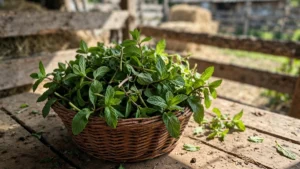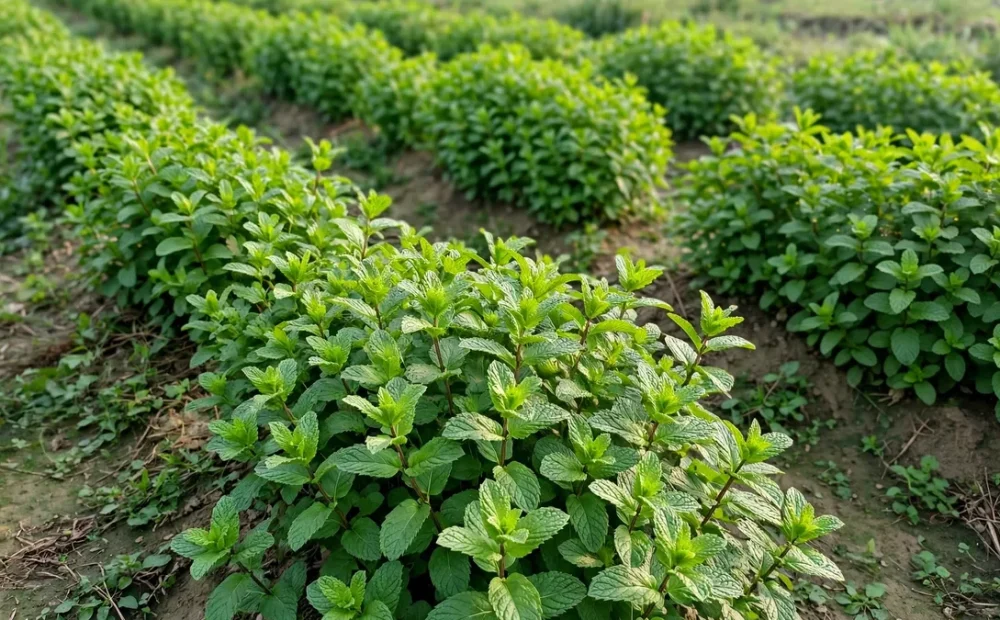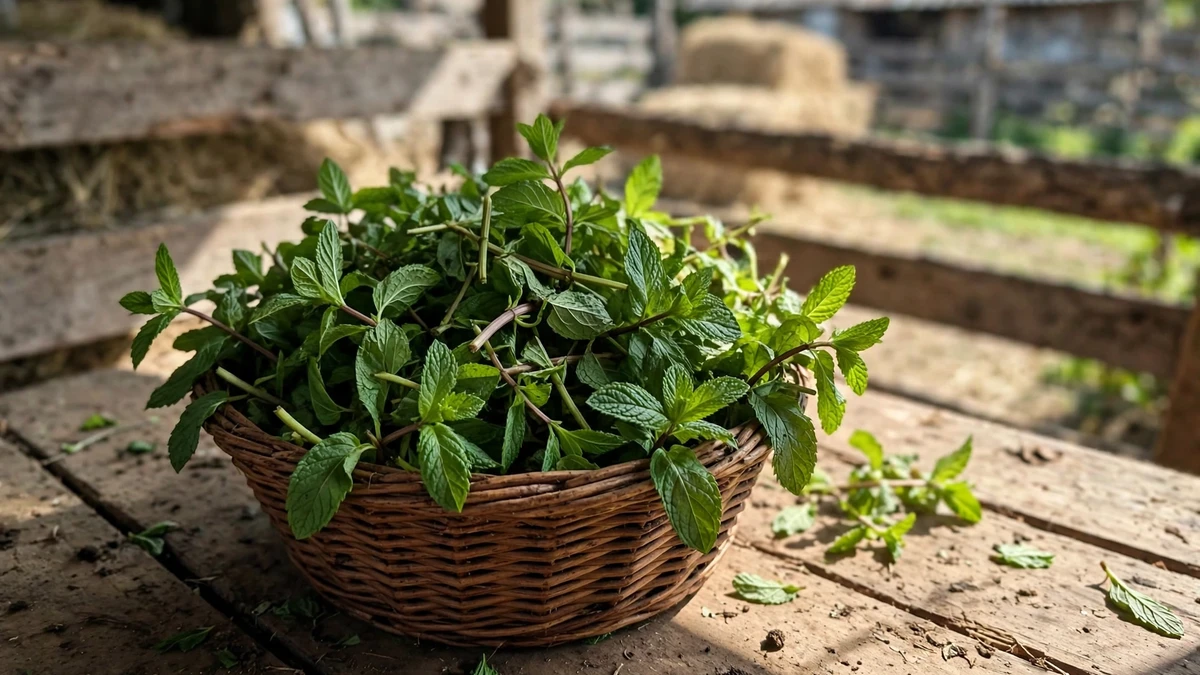

A mint farm escape is a short working holiday built around the cutting weeks, and it plans itself in the opposite order to most trips. The farm names its dates first, and everything else follows: the flights, the room, the bag, the drive in from the nearest town. Mint is cut just before it flowers, when the leaves hold the most oil, and the farms name that week a few weeks ahead, so the sensible traveller waits for the farm’s word before booking anything that cannot be moved.
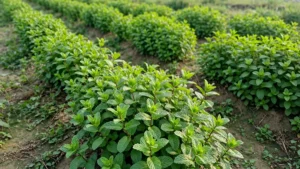
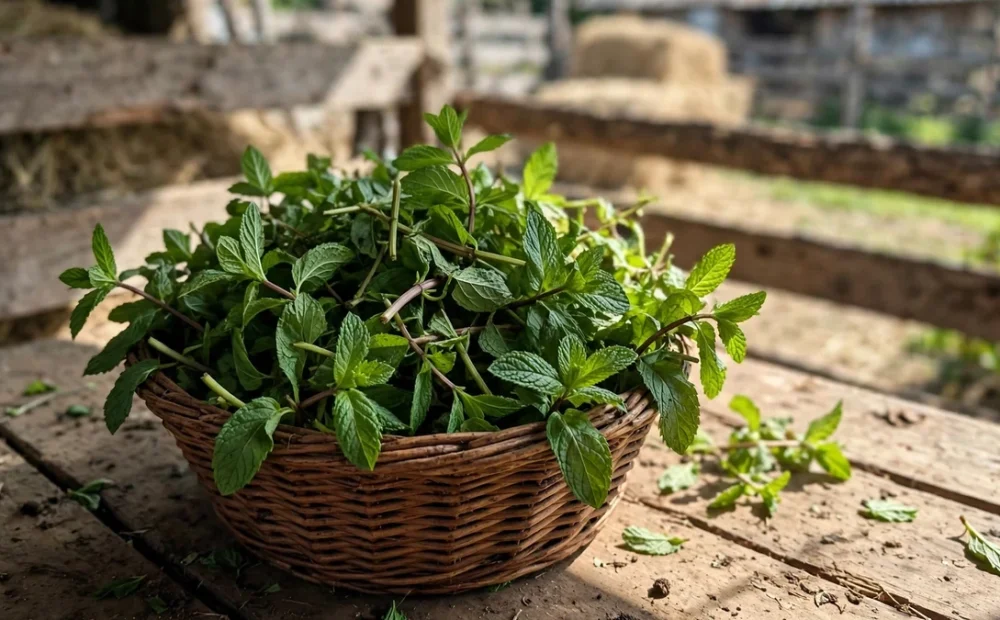
Mint is the easiest farm crop to work with and the hardest to contain. The plants spread by runners under the soil, so the farms grow them in contained beds or pots, and the cutting is done by hand with a sickle or shears. Guests who ask can cut a bundle, strip leaves for the kitchen, or watch the still run, but nobody is made to work, and the afternoons belong to the guest. The farms are small, the rooms are plain, and the supper table is shared, which is the point: a mint farm escape is a working farm first and a holiday second.
This guide walks through the nine steps to plan a mint farm escape for 2027, from choosing peppermint or spearmint to bringing the farm’s own dried mint home, with the season, the packing and the caveats that matter along the way.
Key takeaways
- Hold the flights until the farm names its cutting week, since the week is fixed a few weeks ahead and the oil peaks just before flowering.
- Settle on peppermint or spearmint first, because the two mints brew and cook differently and farms grow one or the other, rarely both.
- Expect a small, plain farm with a shared supper table and a handful of rooms, not a hotel, and pack for mud, sun and sudden rain.
- Bring boots that rinse clean, a wide hat and a soft bag, and leave space for the farm’s dried mint and tea on the way home.
- Raise the gluten-free question in the first email, since the farm’s bread is almost always wheat even though the mint itself is safe.
What a mint farm escape involves
Three to five nights on a working mint farm, timed to the cutting weeks, is the whole of it. You stay in a farmhouse room or a converted barn, eat from the farm kitchen, and spend the mornings where the mint grows: watching the runners cut back, the bundles carried to the racks, and the fresh sprigs torn into tea, salads and sauces. Mint has flavoured tea and medicine for thousands of years, and each great mint region grew up around a drink. Morocco pours its spearmint sweet from a height, England distils its Mitcham peppermint into oil, China brews its field mint into cooling teas, and the American West dries its peppermint for the spice trade.
The rhythm of the days comes from the herb. Cutting happens in the cool morning, before the sun draws the oil out of the leaves, and the afternoons belong to drying, distilling and long teas. Supper is one shared table, the rooms are simple, and the work is an invitation, not an obligation. A guest who wants to cut a bundle may cut one; a guest who would rather read on the porch may read. The escape is brief, the pace is unhurried, and the mint turns up everywhere: in the tea, in the peas, in the scent that rises when a boot brushes the beds.
How to plan it, and what to ask first
Start from the mint, not the map. Peppermint is sharp with menthol and cool on the tongue, a natural hybrid of watermint and spearmint, while spearmint is mild and sweet, the mint of tea glasses and garden borders. Find out which mint a farm grows and what the kitchen does with it, and the rest of the plan falls into place.
Three questions belong in the first email. First, the cutting week: when is it, and will guests be there for it or just before it. Second, the rate: what does it cover, with supper, the drive in from the nearest town and walks among the beds counted in the price rather than charged on arrival. Third, the kitchen: what can it serve if you eat gluten-free, since the bread on a farm table is almost always wheat. Straight answers to all three mark a farm worth booking. The ginger farm escape plans on the same questions, and the farms that answer them well tend to be the ones guests remember.
The 9 steps to plan a mint farm escape
Choose peppermint or spearmint before you book
What to do: Decide which mint you love, then pick the farm that grows it. Peppermint is sharp and cool with menthol; spearmint is mild and sweet. The farms grow one or the other, rarely both.
What to avoid: Do not book for the place on the map and hope the mint suits you. The tomato farm escape runs on the same rule: pick the crop first, then the place.
Best for: Travellers who know their mint. Time needed: An evening of reading. Standout tip: Taste both mints in tea at home first.
Plan the travel around the farm’s chosen week
What to do: Wait until the farm fixes its cutting dates, then book the flights around them. The oil peaks just before flowering, and the farm names the week a few weeks ahead.
What to avoid: Do not lock in a fixed week months ahead and hope the mint cooperates. A stay after flowering smells lovely but tastes mild.
Best for: Travellers who can wait for the farm’s word. Time needed: A few weeks of patience. Standout tip: Ask the farm to name the week in writing.
Ask what keeps the runners from taking over
What to do: Ask how the farm contains its mint, and listen to the answer. Boards, pots and straight rows mean a farm that works its mint properly.
What to avoid: Do not take a cutting home to plant loose in a garden. A loose cutting will take over a garden in a season.
Best for: Gardeners who want to learn containment. Time needed: A minute inside the first email. Standout tip: Photograph the beds and copy the method at home.
Get the mint’s best scent in the morning
What to do: Walk the beds in the cool of the morning, before the sun takes the oil out of the leaves. Rub a leaf between your fingers and smell the difference between peppermint and spearmint.
What to avoid: Do not wait until midday, when the heat is fierce and the work is done. Do not wear shoes you care about in the mud.
Best for: Early risers and slow walkers. Time needed: An hour before breakfast. Standout tip: Rub a leaf, not a handful.
Drink the morning tea brewed from fresh leaves
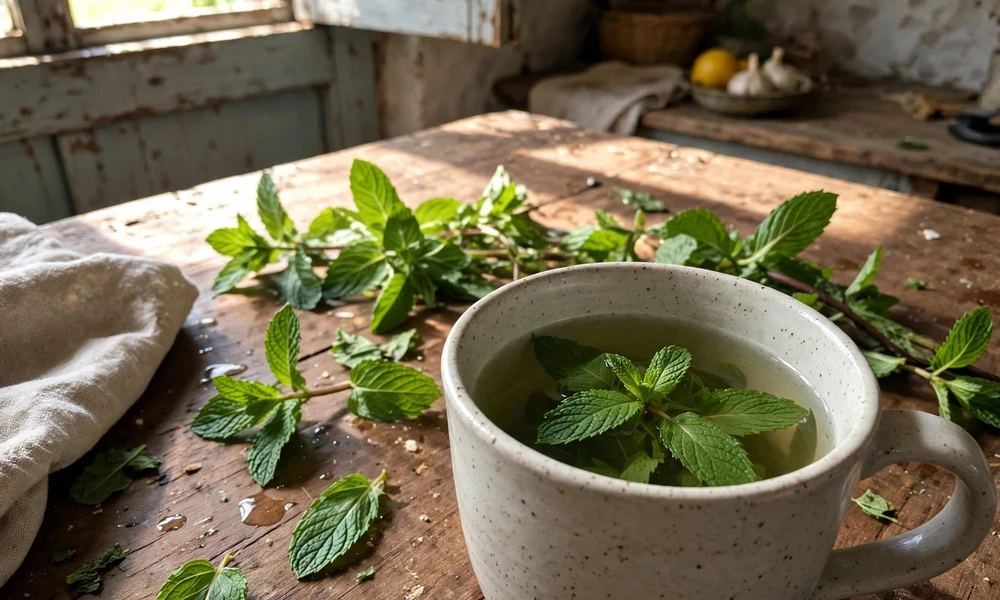
What to do: Drink the tea the farm brews from the leaves it cut that morning. Fresh mint tea is bright and green, with the menthol clean on the tongue.
What to avoid: Do not judge the farm’s mint by a tea bag from home. Do not sweeten before tasting, or the sugar will hide the mint.
Best for: Tea drinkers and the curious. Time needed: A morning pot, shared at the table. Standout tip: Ask which leaves went into the pot.
Watch the mint cut, dried and distilled
What to do: Follow a bundle from the bed to the rack to the still. The cutting is done with a sickle or shears, and the still runs in the late afternoon.
What to avoid: Do not stand in the way of the work. The bundles are heavy, the still is hot, and the farm sets the pace.
Best for: Travellers who want to see the whole crop. Time needed: A morning for the cutting, an afternoon for the still. Standout tip: Stand downwind of the drying barn.
Bring footwear that rinses clean and a wide hat
What to do: Pack for a working farm, not a hotel. Boots that rinse clean, a wide sun hat, a rain layer, and clothes that wash easily by hand will cover every farm here.
What to avoid: Do not pack white clothes, open sandals or anything that cannot take mud. A soft bag beats a hard suitcase on narrow farmhouse stairs.
Best for: Practical packers. Time needed: An evening before departure. Standout tip: Pack the hat and rain layer on top.
Shop the farm gate for dried mint
What to do: Buy the farm’s own dried mint, tea and oil at the gate. Dried mint keeps well, the tea is the truest taste of the crop, and the oil lasts a year.
What to avoid: Do not buy mint from a shop in town and call it the farm’s own. Do not haggle at the farm gate; the prices are already fair.
Best for: Travellers who like a souvenir with a story. Time needed: Ten minutes before departure. Standout tip: Ask the farm how it dries its mint.
Leave every living plant in the ground
What to do: Leave the farm as you found it, with the runners where the farm planted them and the beds straight and bordered. Take photographs, dried mint and tea, and leave the living plants where they are.
What to avoid: Do not dig up a runner or take a cutting without asking. If you want mint at home, ask for a potted cutting and keep it in the pot.
Best for: Guests who respect the farm’s work. Time needed: A moment of restraint at the gate. Standout tip: The best thing to take home is the dried mint.
Picking the right season and region
Think in cutting weeks, not calendar months. The week comes just before flowering, and it moves by region and by year, so the farm names it a few weeks ahead and the wise traveller waits for the word. Mitcham and Kerry cut in high summer, when the lanes are green and the evenings are cool enough for a fire. Meknes, Toppenish and the Maule Valley cut earlier, working in the cool morning with long shaded lunches. Hangzhou cuts with the lake mist in the mornings, and KwaZulu-Natal cuts in the warm months, when the days are long and the rains come in the afternoons.
Match the region to the mint and the climate together. Peppermint lovers belong in Mitcham, Toppenish and the Maule Valley, where the menthol is sharp and the oil is the point. Spearmint lovers belong in Meknes, Kerry and KwaZulu-Natal, where the mint is mild, sweet and made for tea and the table. Tea drinkers should look to Meknes and Hangzhou; travellers who want scale should look to St. Johns and Toppenish, where mint grows in acres rather than beds. The asparagus farm escape plans on the same seasonal logic, and the same question applies there: pick the crop you love, then pick the climate you can stand.
The caveats that matter
A mint farm is a working farm with a wandering crop, and the farms are frank about it. The runners run fast, so a farm that fails to contain its mint loses a field to it in a season, and guests should never carry a cutting home unasked. The oil peaks before flowering, so a stay booked after the plants have flowered smells lovely and tastes mild. The stays are small, the rooms are simple, and the supper table is one shared table, which suits travellers who enjoy company and not those who want privacy. Read the first email with care, ask what the rate truly covers, and settle the gluten-free question before you pay.
| Detail | What is known |
|---|---|
| When to go | The cutting weeks, just before the plants flower, when the leaves hold the most oil, with the week named a few weeks ahead |
| What guests do | Walk the beds in the morning, cut mint with a sickle or shears, carry bundles to the racks, and watch the leaves dried or distilled |
| How long to stay | Three to five nights, built around the cutting weeks rather than a fixed calendar date |
| Who should be careful | Guests with a strong sensitivity to menthol, and anyone unused to fierce sun, heavy rain or steep muddy paths |
| What is on the table | Mint tea, mint with peas and lamb, mint in salads and sauces, and mint over fruit and puddings, with fresh bread beside the plate |
| Gluten-free note | The mint itself is safe, but the bread and pastry on a farm table are nearly always wheat, so ask the kitchen before you pay |
| What to bring | Boots that rinse clean, a wide sun hat, a rain layer for sudden showers, and clothes that wash easily by hand |
| What not to expect | No promised cutting day, no fixed menu, and no hotel-style service on a working farm |
Checklist: before you book a mint farm escape
- Settle on peppermint or spearmint first, and pick the farm that grows it.
- Hold the flights until the farm names its cutting week in writing.
- Check what the nightly rate covers, and what is charged on arrival.
- Raise the gluten-free question with the kitchen before you pay.
- Bring boots that rinse clean, a wide hat and a rain layer, and leave room for dried mint.
- Leave the living plants where they grow, and take dried mint home instead.
Frequently asked questions
Can gluten-free travellers enjoy a mint farm?
Yes, so long as the kitchen hears about it before you arrive. The herb itself carries no gluten, and farm cooking leans on vegetables, meat, fish and rice, so a gluten-free table is usually simple to arrange.
When is the right moment to book a mint farm stay?
As soon as the farm names its cutting week, which is usually a few weeks ahead. The farms are small, with a handful of rooms, and the cutting week is the week everyone wants, so the rooms go fast once the dates are fixed.
What should I pack for mint country?
Closed walking shoes or boots that rinse clean, a wide sun hat, a rain layer for sudden showers, and clothes that wash easily by hand. The beds are damp, the paths are muddy after rain, and the sun is fierce by midday in the hot-climate farms.
Do mint farms welcome children?
Yes, on most of these farms, and the work suits them: stripping leaves for the kitchen is the easiest job on the farm, and the beds are safe to walk. Children should wear boots, stay out of the still, and keep to the paths, since the runners are easy to trip over.
What should I bring home from a mint farm?
The farm’s own dried mint, tea and oil, bought at the gate. Dried mint keeps well, the tea is the truest taste of the crop, and the oil is a small bottle that lasts a year.
What does a week on a mint farm cost?
The nine farms in this guide run from $65 to $380 a night, so a week with meals runs roughly from $450 to $2,700 before flights, with the cheaper English and American farms at the bottom and the South African farm at the top. The rate usually covers supper, the drive in from the nearest town and walks among the beds, so read the first email carefully and ask what is billed on arrival.
The bottom line
A mint farm escape is a short, slow, honest holiday, and it plans itself in the opposite order to most trips: the farm names its dates first, and everything else follows. Choose peppermint or spearmint, wait for the cutting week, ask the kitchen your questions before you pay, and pack for a working farm rather than a hotel, and the farm will do the rest.
Of the nine steps, the two that matter most are the first and the second: pick the mint you love, and book the cutting week rather than the flowering week. Get those two right, and the tea will be brewed from leaves cut that morning, the beds will be full, and the mint will be at its strongest.